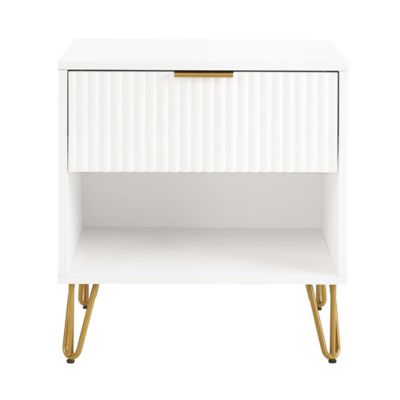
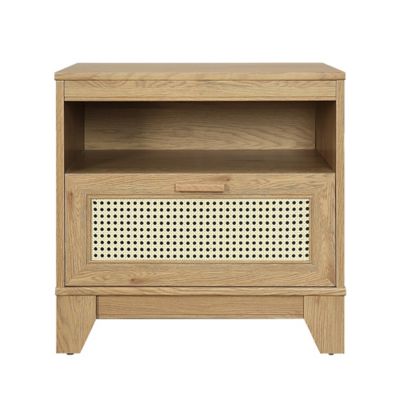
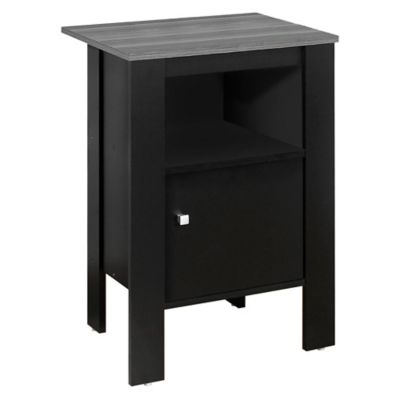
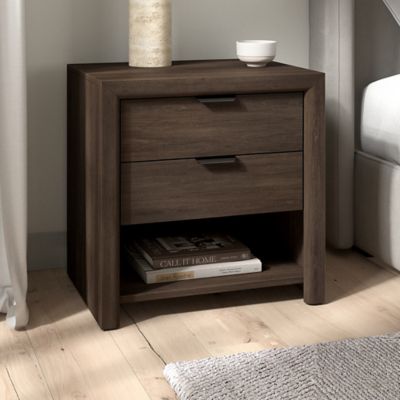
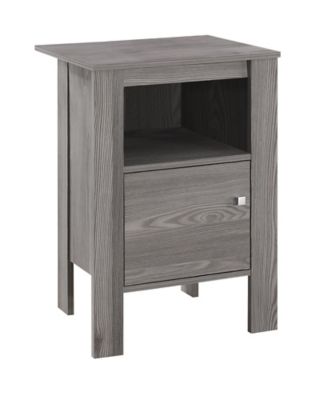
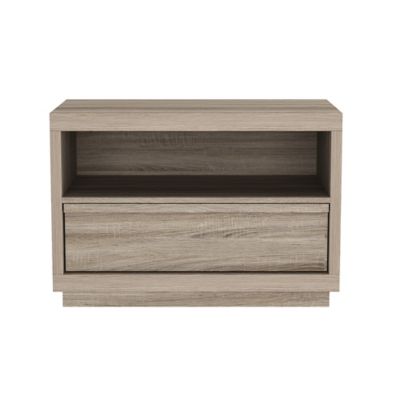
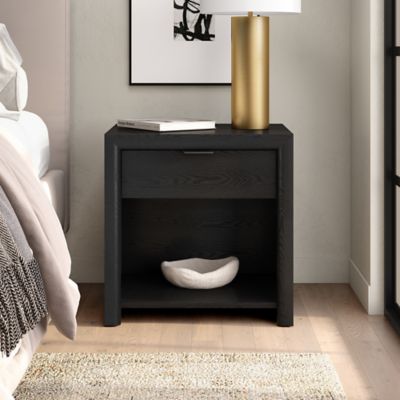
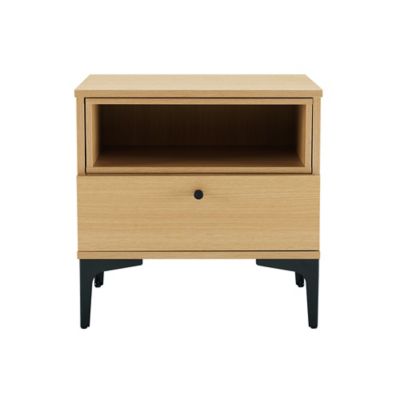
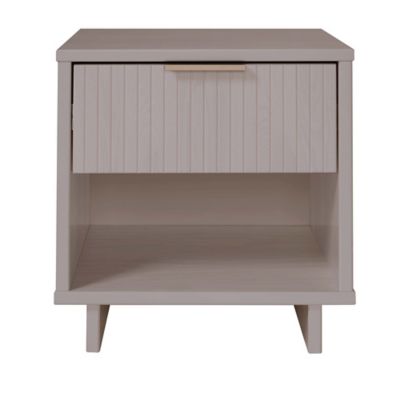
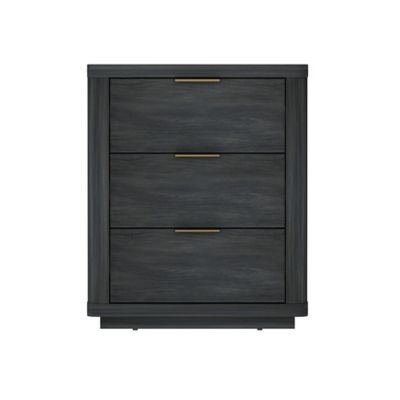
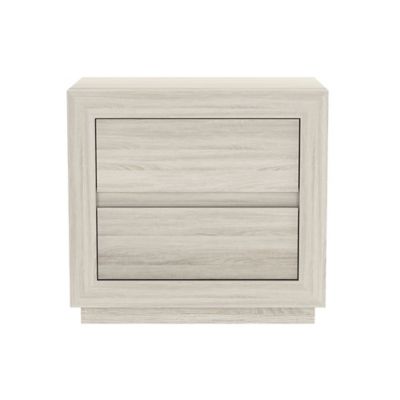
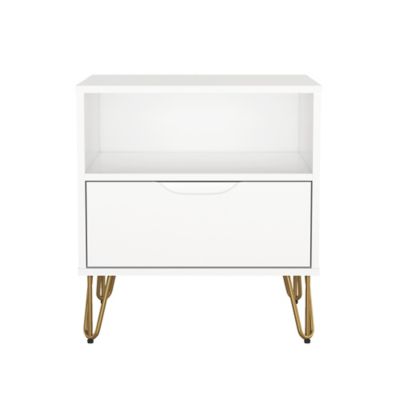
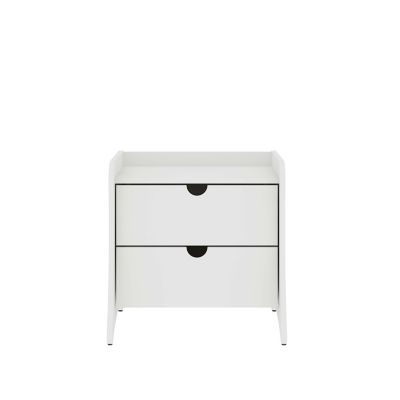
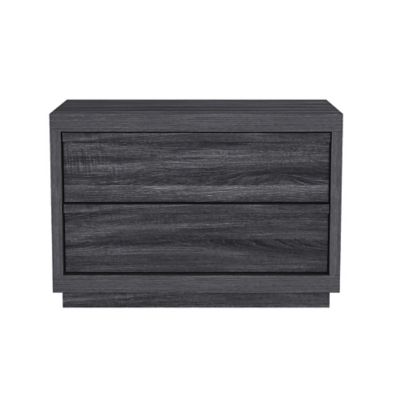
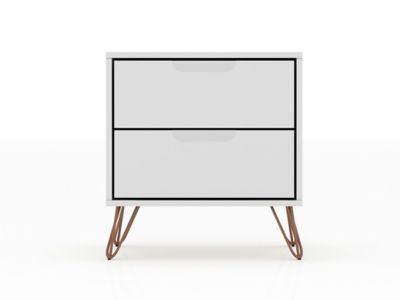
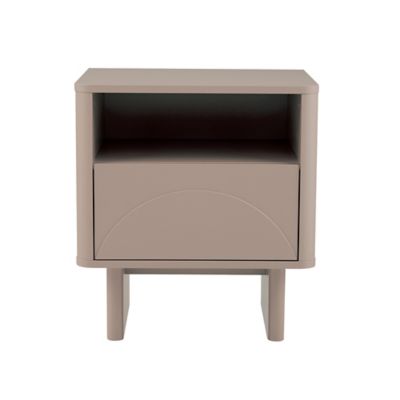
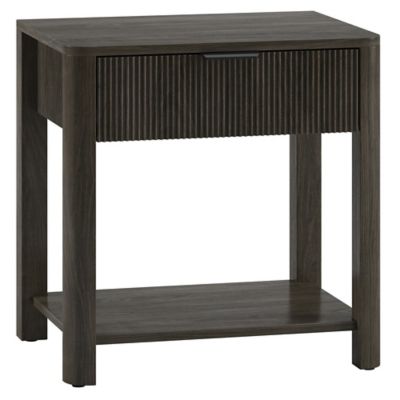
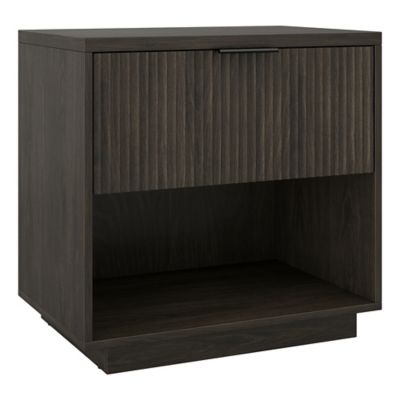
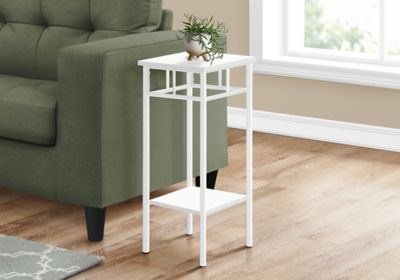
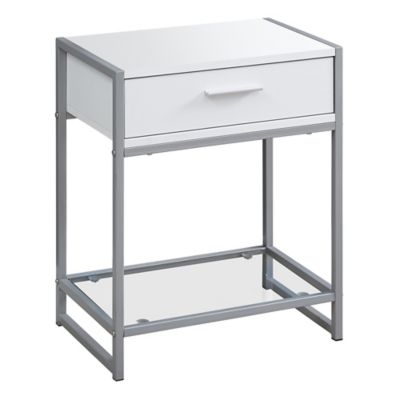
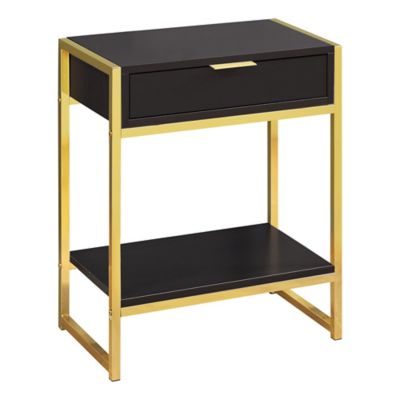
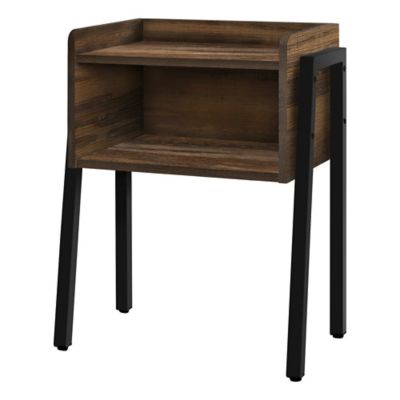
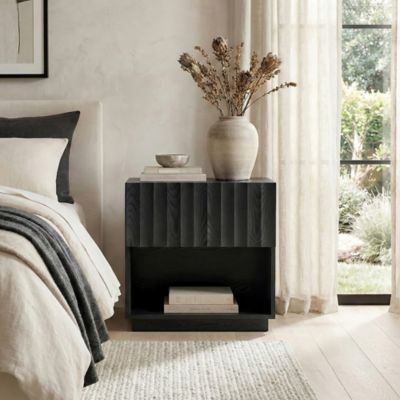
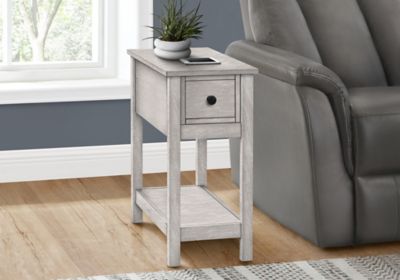
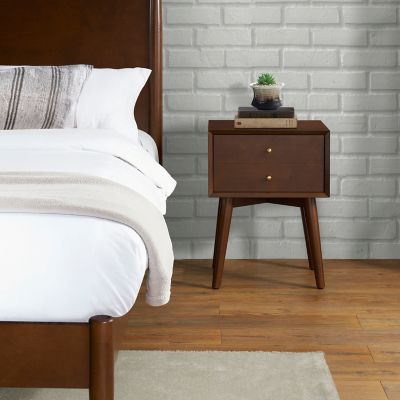
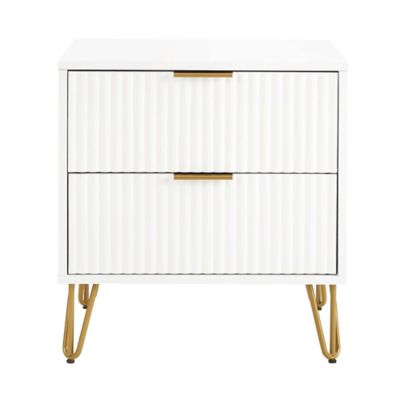
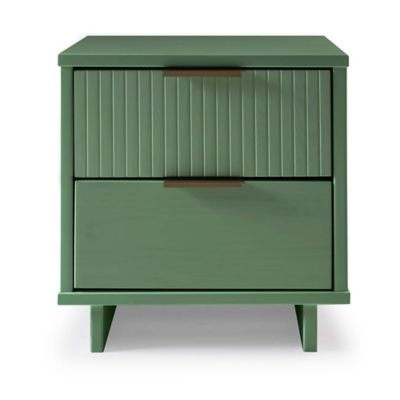
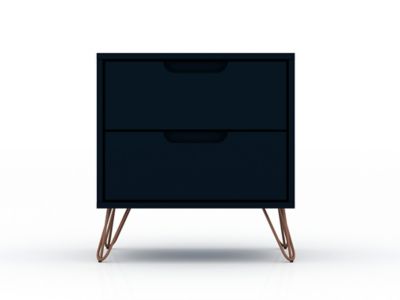
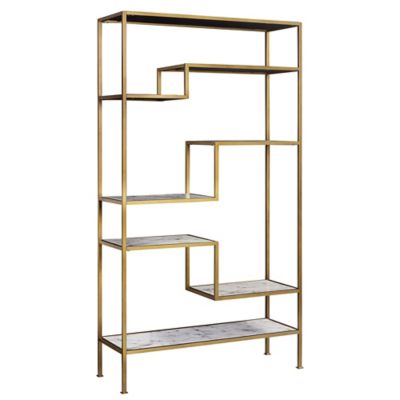
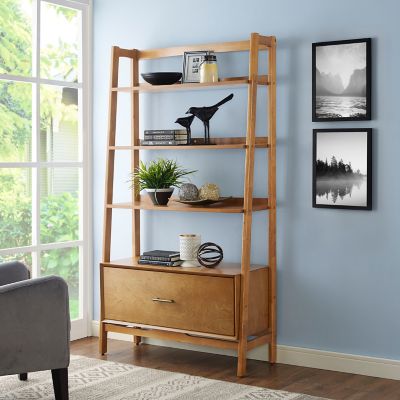
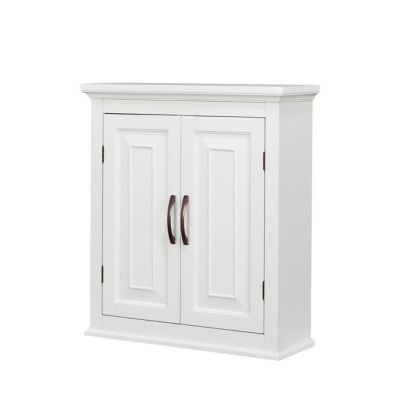
Nightstands with open shelf storage keep bedtime essentials close without putting everything behind a door or inside a drawer. An open shelf nightstand combines a bedside tabletop with one or more exposed storage spaces below, giving books, reading glasses, and other everyday belongings a place to land. That simple layout works well in a farmhouse bedroom, a guest room down the hall, or a small apartment where every piece of furniture needs to earn its space. The top can hold a reading lamp, an alarm clock, and a glass of water, while the lower shelf keeps a paperback or a small basket within reach. Some designs pair an open compartment with a drawer, offering a spot for things that are better tucked away. Others keep the entire base open for a lighter look and easy access. The right fit starts with the relationship between the nightstand and the bed. A tabletop close to the height of the mattress generally makes reaching for a phone or switching off a lamp more comfortable, though mattress thickness and bed frame height both affect that fit. Width and depth matter just as much, especially beside a bed near a doorway, closet, or narrow walkway. A broad tabletop gives a lamp and daily essentials breathing room, while a smaller footprint leaves more space to move around the bed. Shelf clearance deserves attention, too: a short stack of novels needs less height than an upright book or a tall storage basket. In a shared bedroom, matching nightstands can bring some order to the room, but different sizes may make more sense when one side of the bed has less space. Keeping the top heights and finishes similar can help two different pieces feel at home together. An open shelf also makes it easy to see what is stored below, so the things reached for every evening do not disappear into the back of a deep drawer.
Materials and construction shape how an open shelf bedside table looks, feels, and holds up to everyday life. Solid wood brings visible grain and natural variation, with a substantial feel that suits many country and farmhouse rooms. Engineered wood can offer a smooth, consistent surface, often finished with a veneer or laminate; care needs depend on the surface and the way the piece is built. Metal frames tend to have a slimmer outline and can pair well with wood shelves for a straightforward, workmanlike look. A painted finish can brighten a room with heavier wood furniture, while darker stains add contrast beside pale bedding or light-colored walls. Matching every wood tone is not necessary, but repeating a similar undertone or metal finish helps the bedroom feel pulled together. Beyond appearance, shelf support, secure joints, and a steady base matter when the tabletop carries a lamp and the lower level holds books. Weight limits apply to individual surfaces as well as the whole piece, so a stack of hardcovers deserves the same attention as anything placed on top. A nightstand should sit level without rocking, with assembly hardware tightened according to the manufacturer's directions and any specified anchoring hardware installed as instructed. In homes with children, open shelves should not become steps for climbing, and heavy belongings belong low when the design and weight limits allow. Everyday care is usually simple, but it should match the material. A soft cloth clears dust from the tabletop, shelf, and frame; spills need prompt attention, particularly around seams and exposed edges. Coasters help protect finishes from water rings, and felt pads beneath a lamp base can reduce scratching. Harsh cleaners and excess water can damage some surfaces, so the manufacturer's care directions are worth keeping handy. Open storage has no door to hide dust, but it also leaves shelf surfaces easy to reach for a quick wipe. That access is especially welcome in a busy bedroom where cleaning needs to stay straightforward.
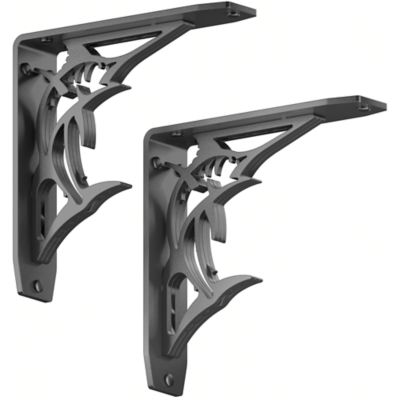
The appeal of a nightstand with an open shelf is how naturally it fits into a daily routine. A reader can keep the next book below the lamp instead of balancing a growing pile on the tabletop. Someone who takes off glasses at bedtime can leave a clear landing spot up top and reserve the shelf for a case and a journal. In a guest room, an open compartment gives visitors an obvious place for a book or small travel bag without asking them to search through drawers. A basket can gather charging cords, tissues, or personal belongings while still sliding out easily, provided its dimensions leave enough room for hands to grip the sides. For bedside charging, the route to the outlet matters as much as the storage space. An open back can allow cords to pass through, while a solid back may call for a different arrangement; cords should stay clear of walking paths and moving furniture. Lamps need a stable spot with enough surrounding room that reaching for a switch does not knock over a glass or brush against other belongings. Keeping just a few things on display lets the open shelf feel useful rather than crowded. Where floor space is tight,
Dark Wood Floating Shelves can add wall storage elsewhere in the bedroom, leaving the bedside surface for the things needed within arm's reach. An open shelf nightstand can also make a practical housewarming gift when the recipient's room measurements, bed height, and finish preferences are known. For a first home, a spare bedroom, or a long-overdue bedroom refresh, this style offers a simple balance: a place to set things down, storage that stays easy to see, and a footprint that can fit comfortably beside the bed. The best match leaves enough room for everyday movement and enough shelf space for the belongings that actually belong at bedtime.