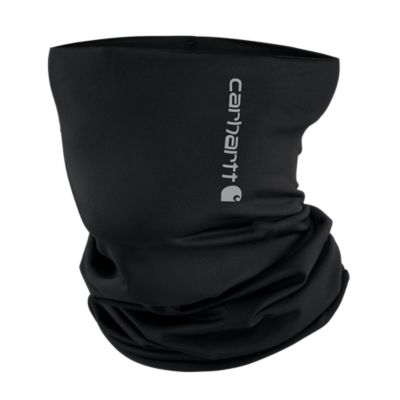
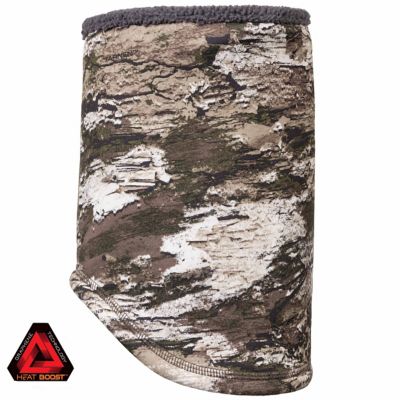
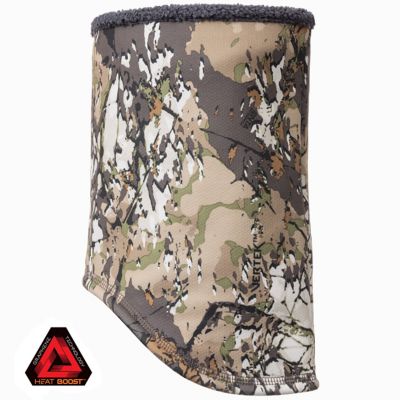
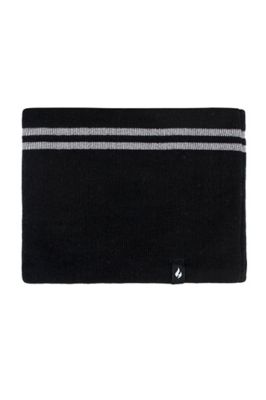
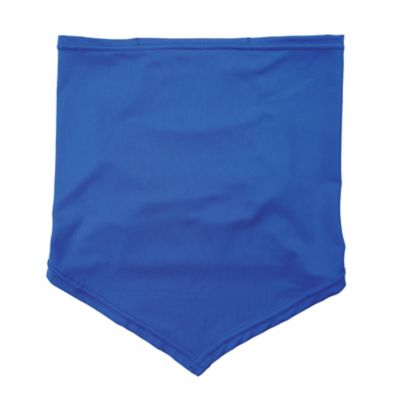
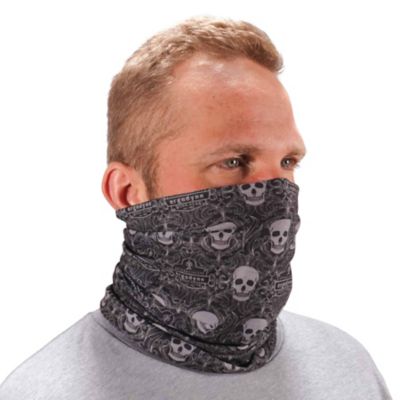
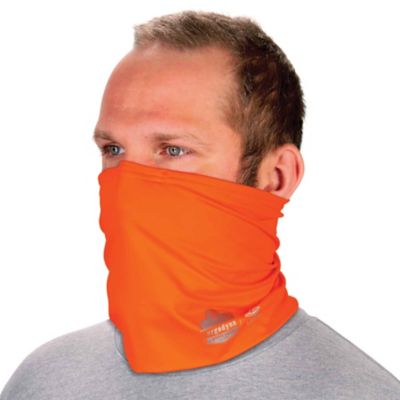
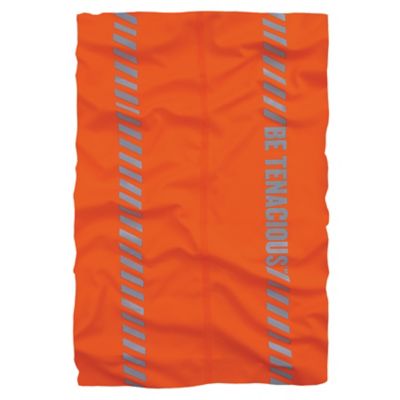
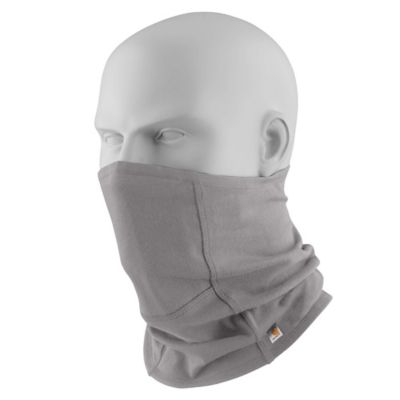
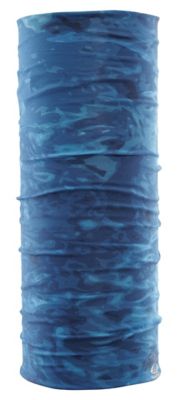
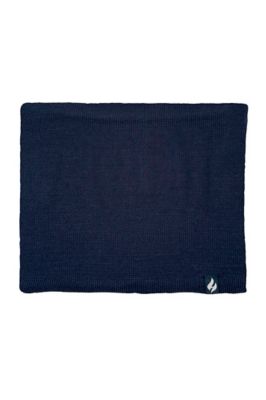
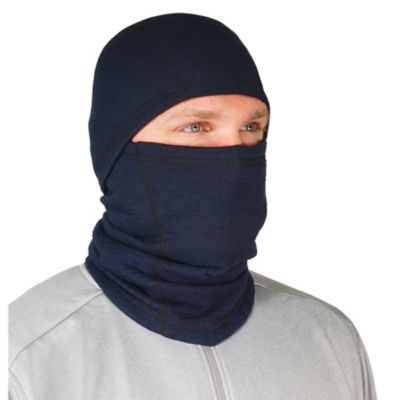
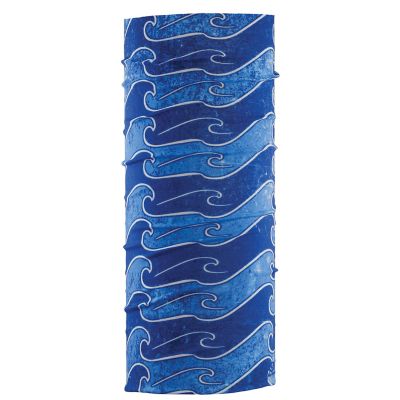
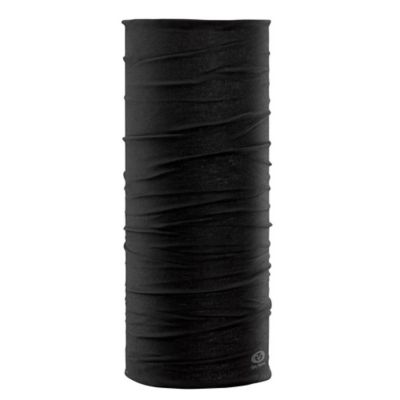
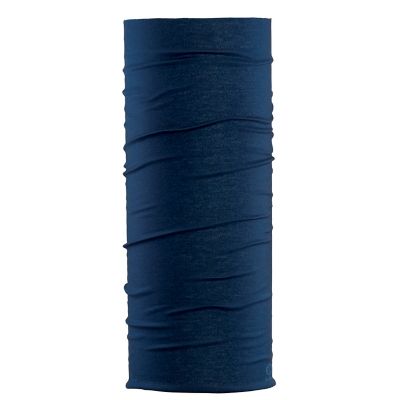
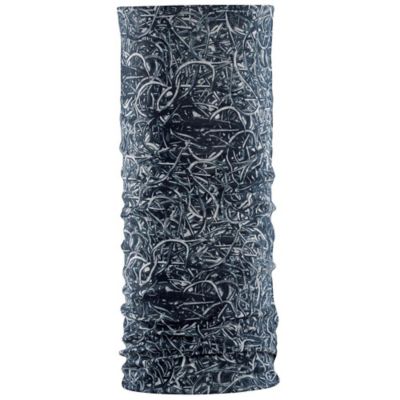
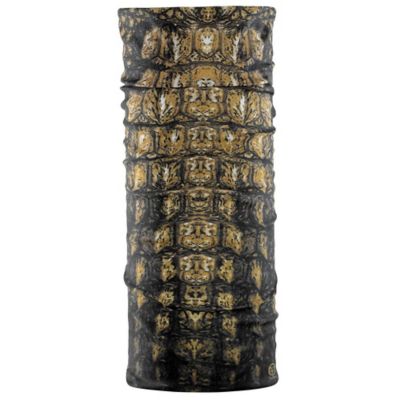
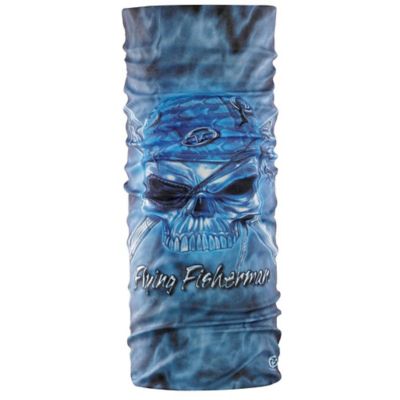
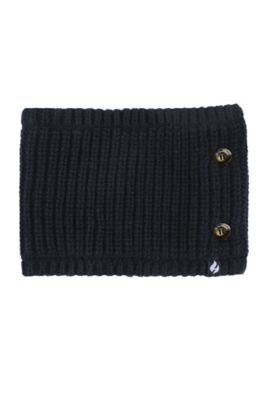
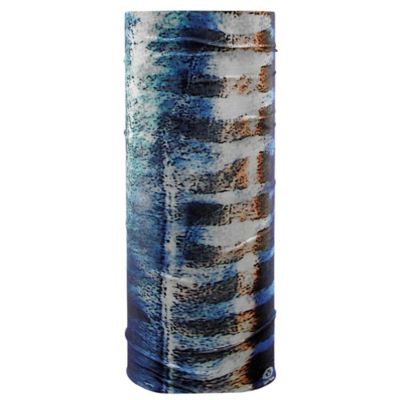
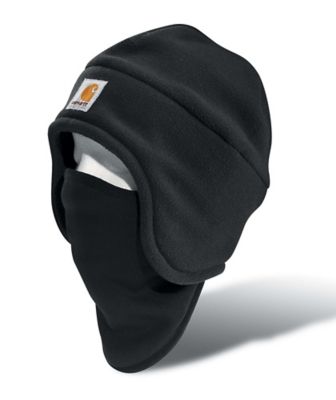
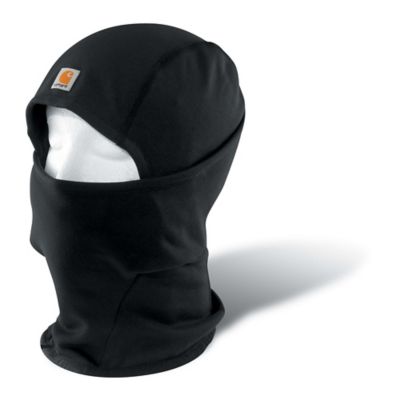
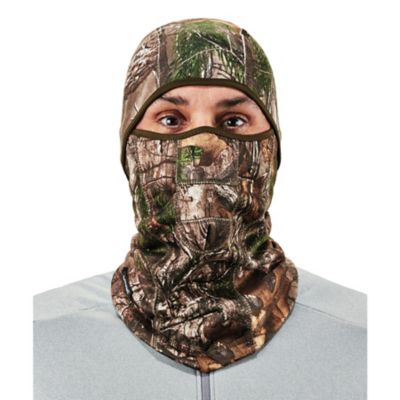
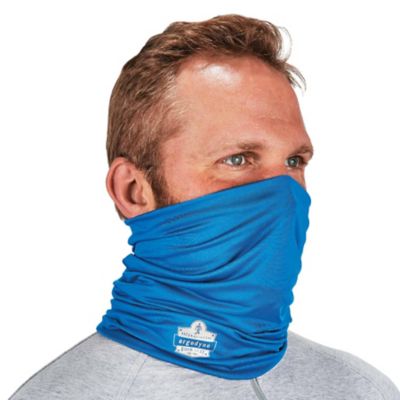
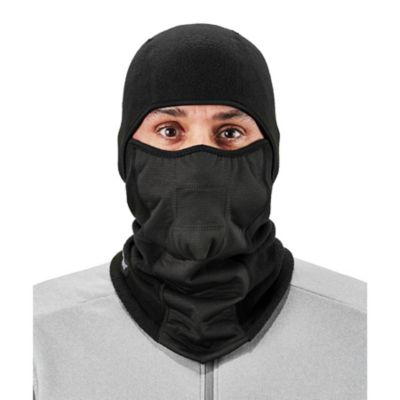
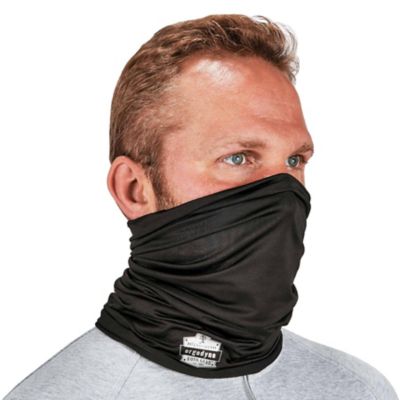
Moisture-wicking neck gaiters are stretchy fabric tubes that draw sweat away from the skin and spread it across the material, where it can evaporate. That makes them a practical accessory for chores, trail miles, horseback riding, fishing, and other activities that keep you moving. A gaiter slips over the head without ties or fasteners, adding coverage around the neck while leaving your hands free for fence repairs, feed buckets, or a set of reins. The fabric makes a difference in how that coverage feels. Polyester is a common choice because it absorbs little moisture and generally dries quickly. Nylon can offer a smooth feel and good resistance to abrasion, while a small amount of spandex adds stretch so the tube can move with you. Merino wool blends offer another option, with moisture management and natural resistance to odor; drying time and feel depend on the blend and fabric weight. Cotton feels familiar against the skin, but it tends to hold moisture longer than many performance synthetics. For sweat-heavy work, the fiber blend, knit construction, and fabric thickness all deserve a look. A thin, open knit generally allows more airflow, while a denser fabric provides a more substantial feel and may take longer to dry. Moisture wicking and quick drying are related, but they are not the same thing: one describes how sweat moves through fabric, and the other describes how quickly that moisture leaves it. Neither means the material will stay completely dry through hard work. Likewise, a moisture-wicking gaiter does not automatically have an activated cooling feature. Some cooling fabrics call for wetting and other preparation steps, so the care and wear directions matter. For everyday wear, the goal is straightforward: fabric that handles perspiration without feeling heavy or clingy after a stretch of lifting, walking, or hauling. A soft feel matters, too, especially when the same section of fabric rests against your neck for hours rather than just a quick walk from the truck to the barn.
Fit is just as important as fabric when choosing moisture-wicking neck gaiters. A comfortable tube should sit close enough to stay put without squeezing the neck or pulling tightly across the nose when raised. Stretch helps with movement, but a one-size label does not mean every gaiter fits every person the same way. Circumference, length, and the amount of stretch all affect coverage. A longer tube offers more fabric to tuck inside a shirt collar or draw upward, while a shorter one leaves less material gathered at the neck. Too much bunching can feel bulky under a collar, and too little length can leave a gap each time you reach overhead. Smooth seams, flat stitching, or a seamless construction can reduce rubbing during repetitive movement. Finished edges should lie comfortably against the skin rather than curl tightly or dig in. For someone checking fence on foot, a gaiter that stays settled through bending and turning can be more useful than one that needs constant adjustment. For a rider, its fit alongside a helmet strap matters, and any added layer should follow the helmet maker’s guidance without changing the helmet’s fit. Some gaiters can also fold into a headband or pull over the head, depending on their dimensions and construction. Those alternate arrangements work best when the fabric stays secure and does not block vision. For chores and outings with extended sun exposure,
Neck Gaiters for Sun Protection offer another consideration: a labeled ultraviolet protection factor, or UPF. A UPF 50 fabric blocks about 98% of ultraviolet radiation under test conditions, but that protection applies only to the skin the fabric covers. Stretch, wear, and moisture can affect protection depending on the material. A moisture-wicking claim alone does not establish a UPF rating. Coverage also should not interfere with hearing protection, eyewear, or other required equipment, and a fabric gaiter is not a substitute for respiratory protection on jobs that call for it.
Regular care helps a neck gaiter keep its shape, feel, and moisture-moving performance through repeated wear. The sewn-in care label is the best starting point because synthetic knits, wool blends, printed fabrics, and treated materials may need different handling. Many performance fabrics call for a gentle wash and low-heat or air drying, but the directions for the particular garment take priority. Fabric softeners can leave a coating that interferes with moisture movement, so skip them when the care instructions advise against them. Cleaning after sweaty work helps remove body oils, sunscreen, and residue that can build up in the fibers. Let the fabric dry fully before folding it into a drawer or slipping it into a gear bag; a damp bundle left beside gloves and boots is more likely to develop an unpleasant smell. A mesh laundry bag can help keep a lightweight gaiter from tangling with other clothing, while keeping it away from open hook-and-loop fasteners can limit snags. For wear around brush, rough lumber, or fence wire, fabric that resists snagging and edges with neat, even stitching are worth considering. Stretch recovery matters, too: a tube that returns to shape after being pulled over the head is less likely to become loose and distracting. Check for thinning areas, pulled threads, and edges that no longer hold their shape as part of regular gear checks. Intended use helps narrow the choice without making things complicated. A walker may favor a barely-there feel, a farm worker may want comfortable coverage that tucks neatly into a work shirt, and someone spending hours fishing may put more weight on a stated UPF rating. Neck gaiters can also make a practical gift for hikers, riders, anglers, and people who spend much of the day on their feet. Matching the fabric and fit to that person’s routine makes the gesture more thoughtful than choosing by color alone, though a familiar shade or simple pattern can help it feel right at home among their everyday gear.