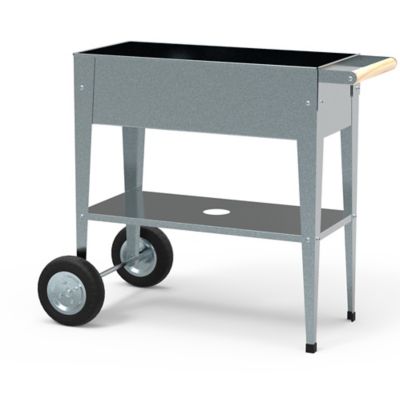
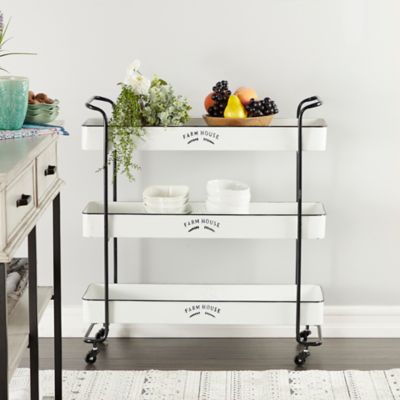
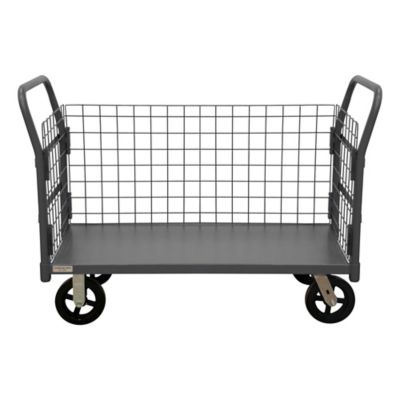
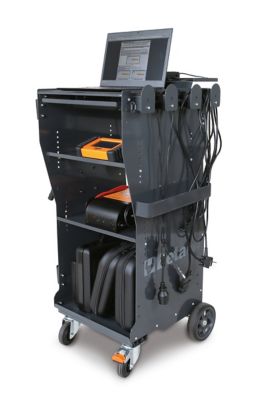
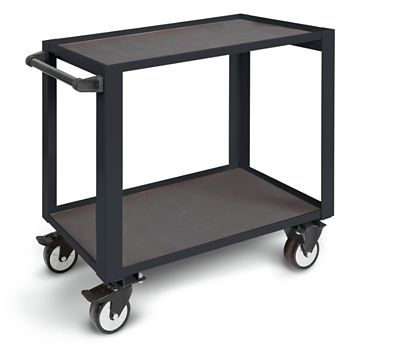
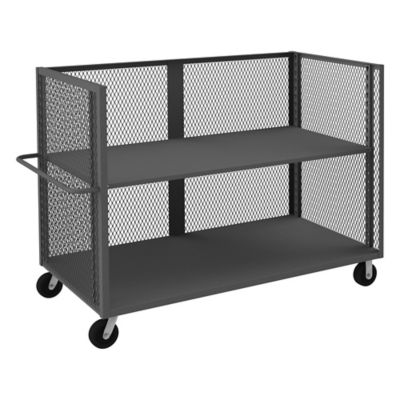
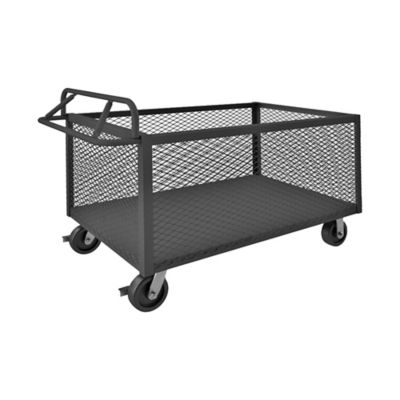
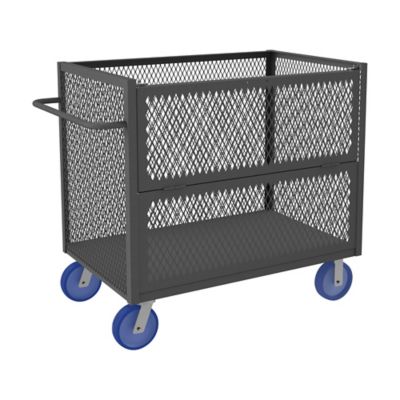
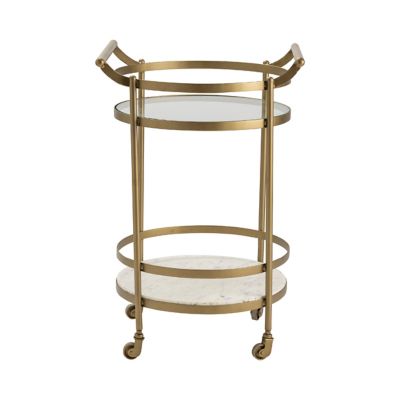
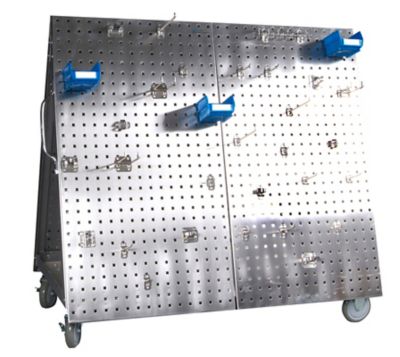
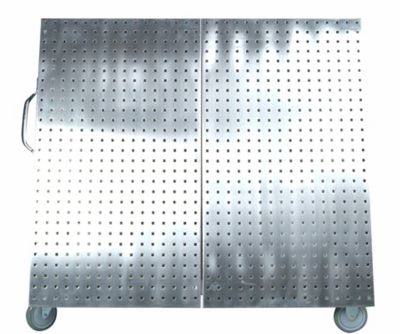
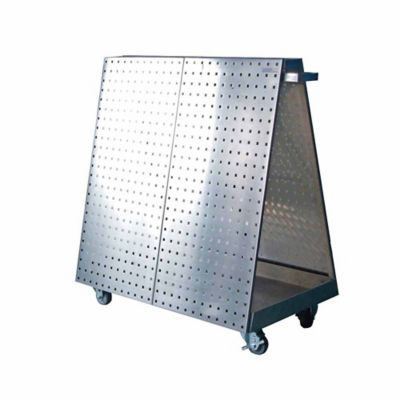
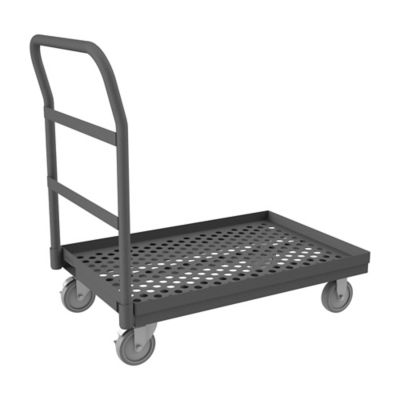
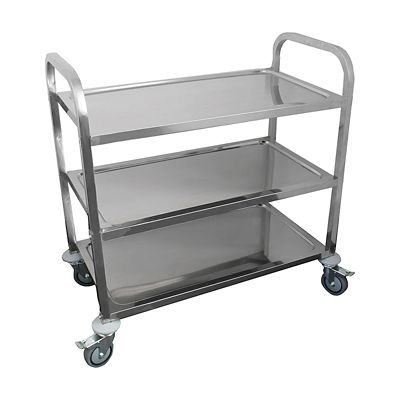
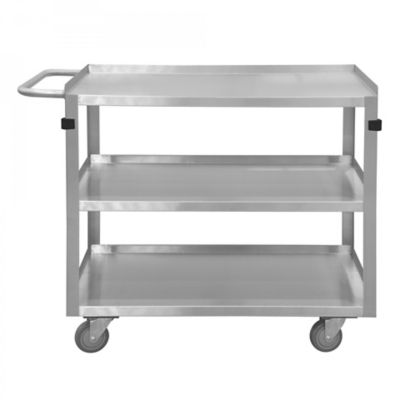
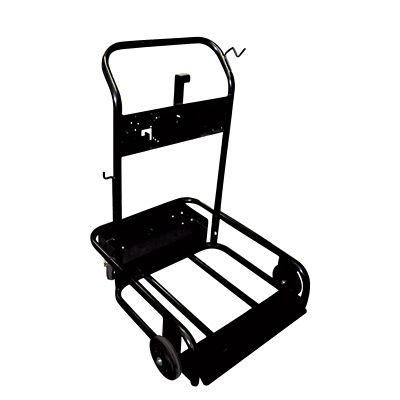
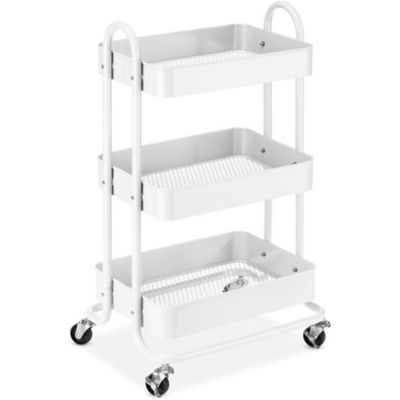
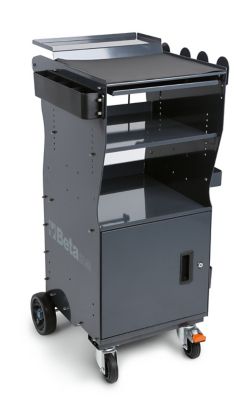
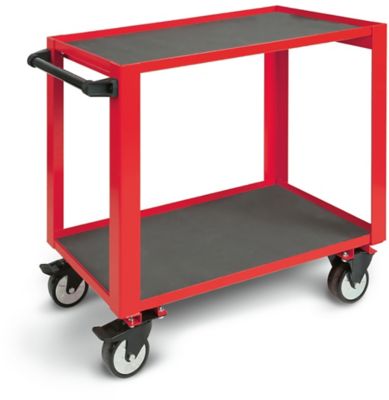
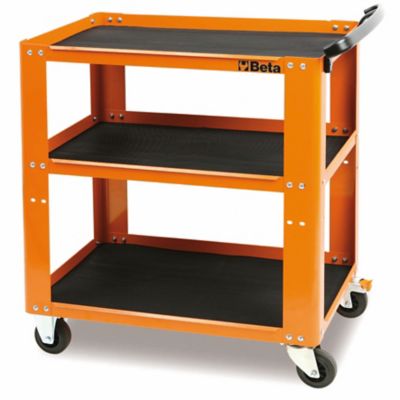
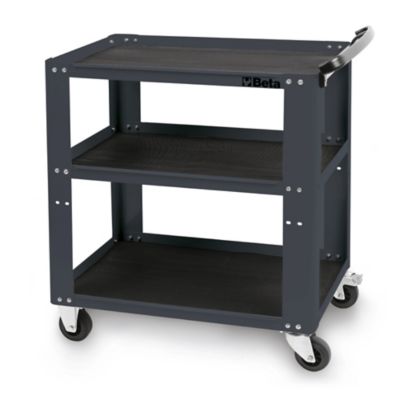
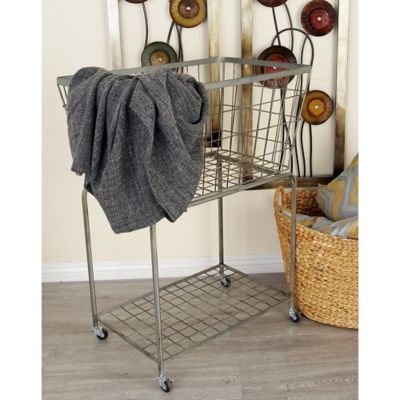
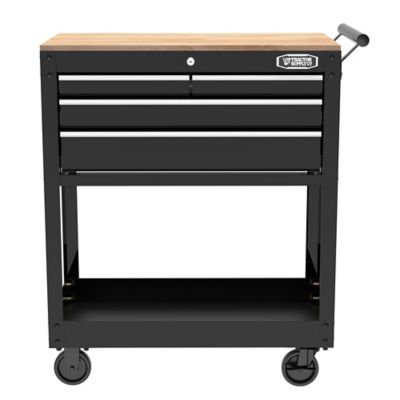
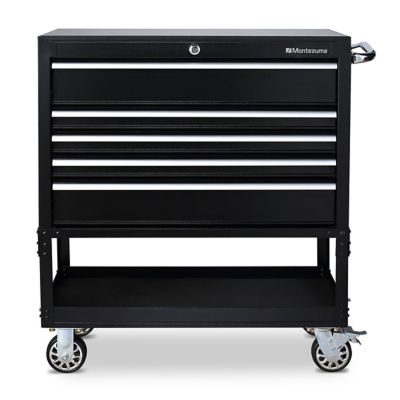
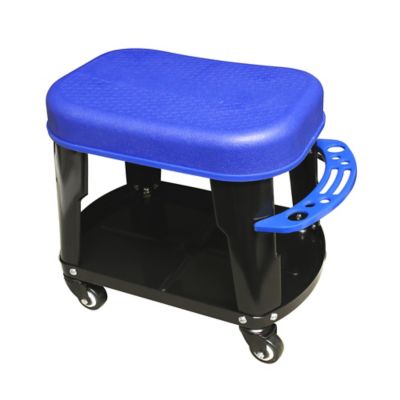
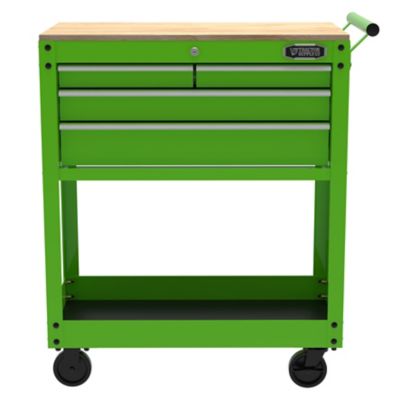
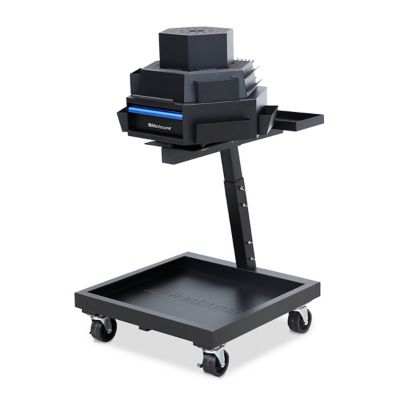
Metal trolleys are handy rolling carts built to help move, organize and stage supplies around the home, farm, shop or workplace. Most have a steel or iron frame, one or more shelves, a push handle and four caster wheels that make it easier to carry a load without making several trips. A three-tier utility trolley can keep tools, cleaning supplies, feed-room essentials or household items close at hand, while a flat-deck platform trolley is better suited to larger boxes, buckets, bags and equipment. Wire shelves allow air to move around stored goods and are easy to brush or wipe clean, making them useful for produce, pantry goods, gardening supplies and damp work areas. Solid metal shelves offer a steadier surface for smaller parts or containers that might slip through an open grid. Some carts are narrow enough to roll beside a workbench or tuck between appliances, while wider, heavier-duty designs provide more room and support for demanding jobs. When a rolling cart needs to carry bulky loads across a barn, warehouse or property, shoppers may also want to compare it with
Cargo Carts for a different style of hauling.
The right metal trolley depends on what you plan to move, how much it weighs and where the cart will spend most of its time. Start with the load capacity, remembering to account for the combined weight of every bin, tool, canister or bag placed on the shelves. A cart that carries light supplies around a kitchen or office may not need the same reinforced frame, large casters or wide wheelbase found on a shop cart intended for hardware, livestock supplies or landscaping materials. Wheel size matters, too. Small casters roll smoothly across hard, level flooring, while larger wheels generally handle thresholds, packed dirt and slightly uneven concrete with less fuss. Swivel casters help a trolley turn neatly in tight spaces, and locking casters can keep it from drifting when you are loading, unloading or working from the cart. Check the overall height and width before buying, especially if it must fit beneath a counter, through a doorway or between parked equipment. A raised lip can help keep containers in place, while open sides make supplies easy to see and reach. For kitchens, utility rooms and animal-care areas, look for finishes that wipe down without much scrubbing. In a garage or shed, a powder-coated steel frame can be a practical choice for everyday bumps, scattered sawdust and changing temperatures.
Metal trolleys fit a wide range of routines. A gardener can load one with hand tools, gloves, seed trays and watering supplies, then roll everything from the shed to a planting bed as the weather warms. In the cooler months, the same cart can hold firewood kindling, lanterns, work gloves or seasonal storage bins close to the back door. In a barn or feed room, a sturdy trolley can carry grooming supplies, buckets, bottles and small equipment, helping keep a busy space more orderly. Around a workshop, it can serve as a mobile tool station, with fasteners and frequently used hand tools arranged by shelf instead of scattered across a bench. Food-preparation areas benefit from ventilated wire shelving, while laundry rooms and mudrooms can use a narrow trolley to gather detergents, towels, boots or pet-care supplies. Metal carts can also make useful gifts for a new homeowner, gardener, craft hobbyist, mechanic or anyone setting up a first workshop because they add storage without requiring permanent shelves or complicated installation. Before choosing one, consider whether the trolley will stay indoors or be exposed to moisture, whether you prefer open access or enclosed storage, and how often it will be moved. Keeping heavier items on the lower shelf improves balance, distributing the load evenly helps the wheels roll more smoothly, and using the brakes whenever the cart is parked adds a little extra stability to everyday work.