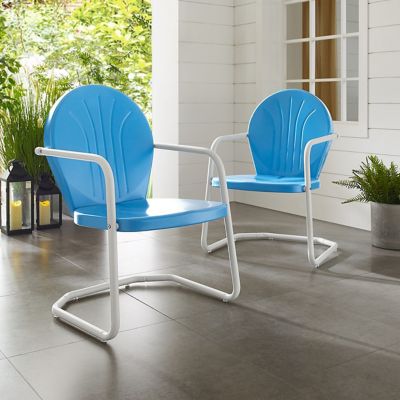
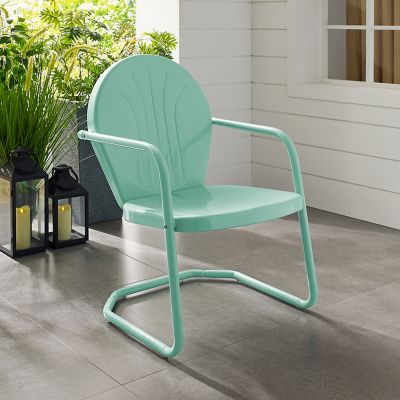
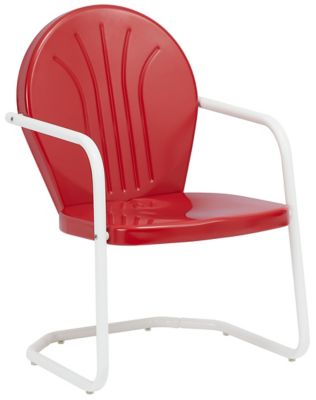
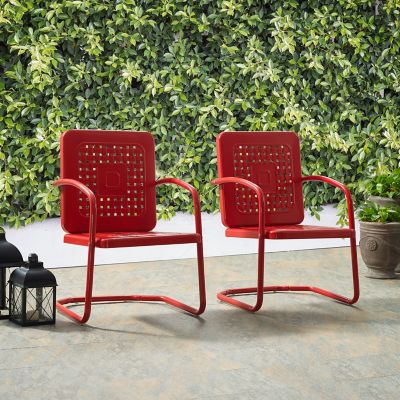
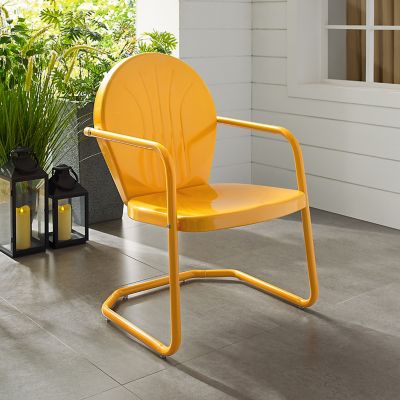
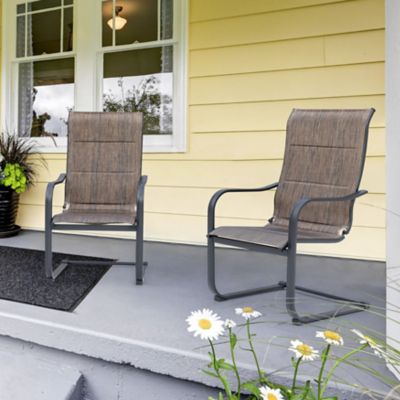
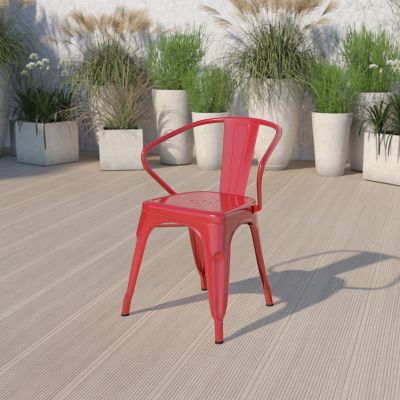
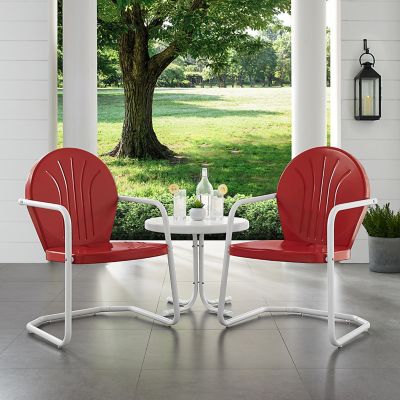
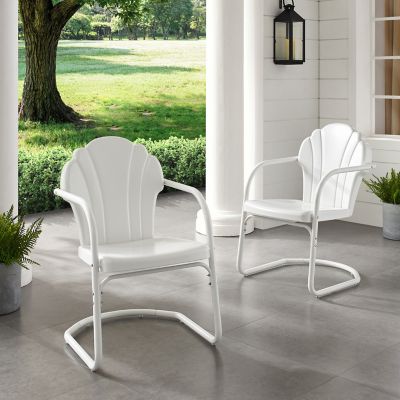
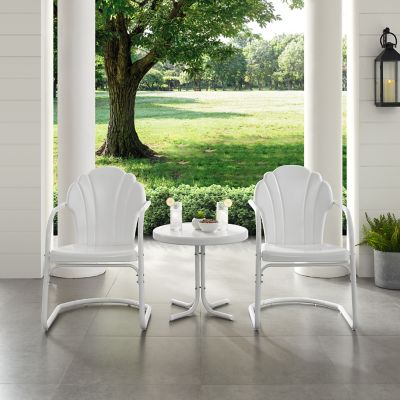
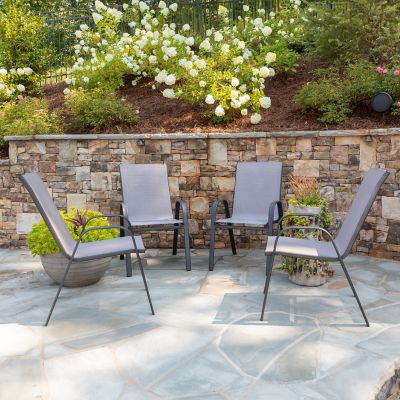
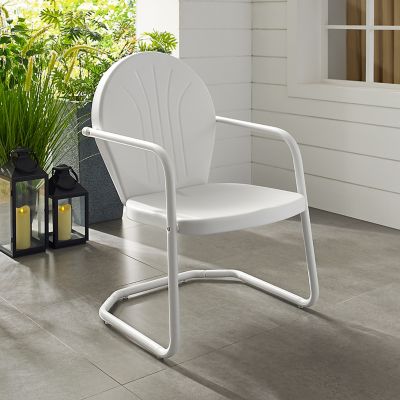
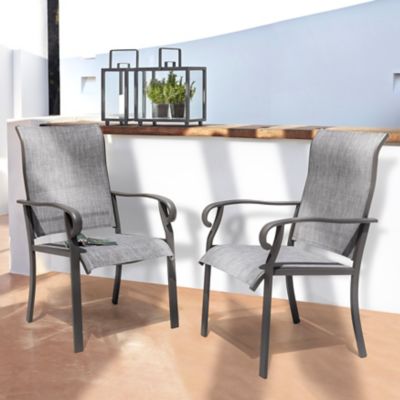
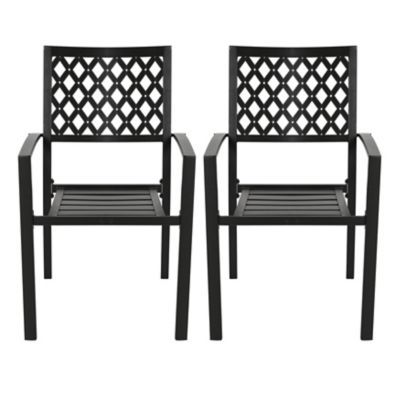
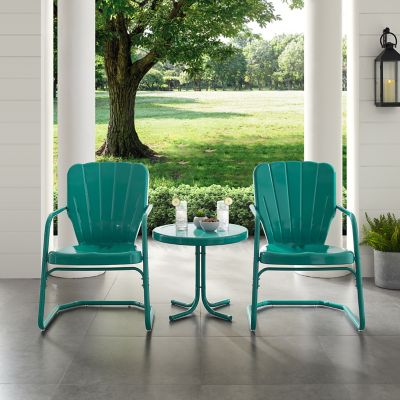
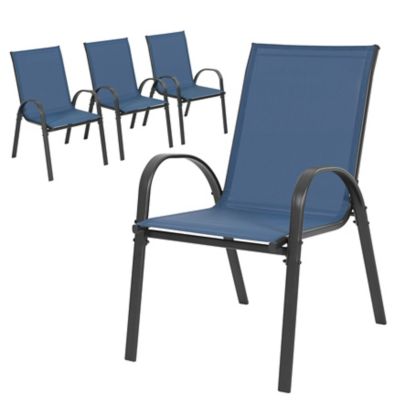
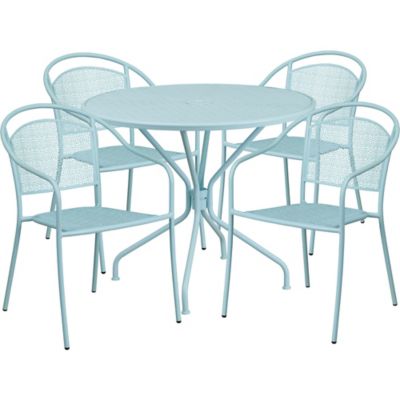
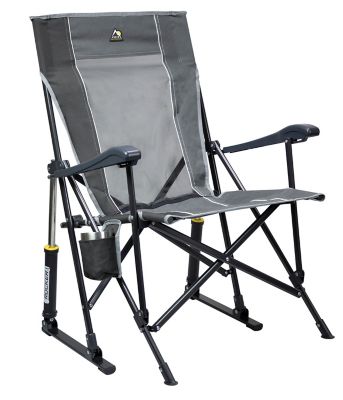
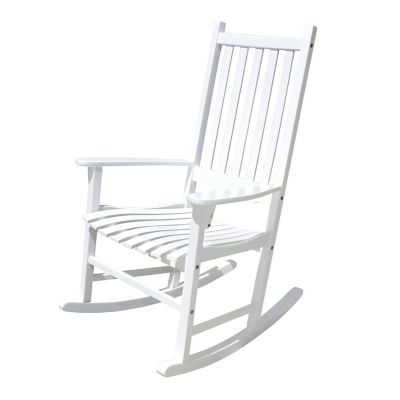
Metal outdoor spring chairs bring a little give to everyday porch and patio seating, pairing a metal frame with a base that allows gentle movement while you sit. Here, “spring” describes the chair’s motion, not a time of year. Instead of rolling back and forth on curved runners like a traditional rocking chair, a spring chair flexes through its frame or a spring mechanism. That makes this style a natural fit for a covered front porch, a backyard gathering spot, or a quiet corner overlooking the pasture. C-spring chairs typically have curved frame supports that flex under the sitter’s weight, while coil-spring designs rely on coiled components to create movement. The amount of motion depends on the chair’s construction, spring tension, and the person sitting in it; the base shape alone does not tell the whole story. Some designs give just enough to ease into a conversation, while others allow a more noticeable rocking sensation. A stationary footprint can feel tidy around a patio table, though the seat and back still need clearance to move without striking a wall, railing, or neighboring chair. These chairs suit everything from a cup of coffee before chores to a long visit after supper, with upright dining shapes for meals and deeper seats for settling in. Metal seats, fabric slings, and cushioned designs each bring a different feel, so the frame is only part of the comfort picture. A shaped metal seat offers firm support and a straightforward surface to wipe down. A sling seat has more give and lets air pass through, while a cushion adds softness at the seat and back. For someone who enjoys watching the birds or catching up with neighbors on the porch, a spring chair can also make a thoughtful housewarming gift when its dimensions, support, and motion suit the recipient. The best match feels at home in the space without making everyday use fussy.
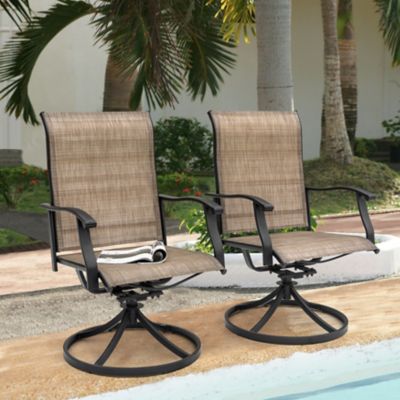
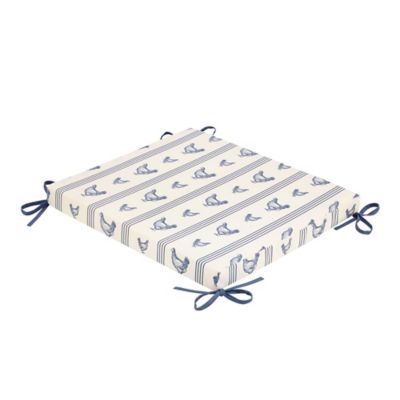
Construction matters especially in a chair designed to flex repeatedly. Steel is common in spring-chair frames because it can provide both structural support and controlled flex when properly engineered. Aluminum frames offer lighter weight and natural resistance to rust, but an aluminum-framed chair may rely on separate components for its spring action. Steel benefits from a protective finish, such as powder coating, that helps limit contact with moisture; it is not a promise that scratches, joints, or exposed fasteners will never corrode. Welds, hardware, and the spring assembly all contribute to how a chair holds up, along with the care it receives and the setting where it sits. A roof overhead reduces direct exposure, but a covered porch can still get windblown rain. On an open patio, drainage and drying time deserve more attention, particularly where water can collect around seams or beneath cushions. Mesh sling fabrics, including materials often called Textilene, generally allow airflow and tend to dry faster than thick padding, although drying performance varies by construction. Cushions offer a softer landing for a long evening outside, with removable covers making routine care easier when their washing instructions allow it. Fit is just as important as material: seat width, usable depth, back height, and arm placement determine whether a chair feels roomy, upright, or low and laid-back. A person should be able to sit with comfortable leg support rather than have the front edge press behind the knees. For outdoor dining, the seat height needs to work with the tabletop, and armrests need enough clearance to slide beneath it if that is how the chairs will be stored. The listed weight capacity applies to each chair and should match the intended user. Armrests can provide a comfortable place to rest elbows, but they should not be treated as lifting handles or supports for standing unless the manufacturer allows it. For anyone who prefers a firm seat when sitting down or getting up, the amount of spring movement deserves particular attention.
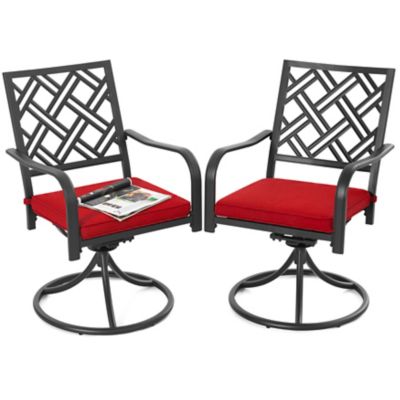
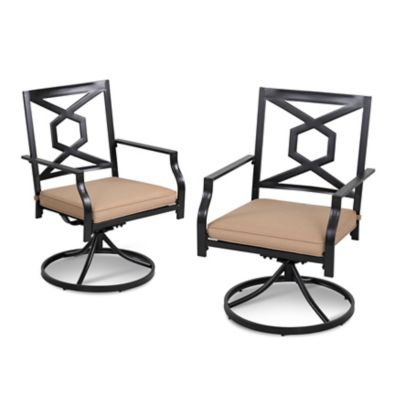
The right layout gives metal outdoor spring chairs room to do their job without crowding the porch. A pair angled toward each other can make a comfortable visiting spot beside a small table, while dining-height chairs keep conversation going around an outdoor meal. A broad, level surface is important: soft ground, uneven pavers, and gaps between deck boards can interfere with stable placement, depending on the base design. Protective feet or glides help separate metal bases from the surface below, and keeping those pieces intact can reduce scraping. Spring motion is different from swiveling, which turns the seat around a central base. For seating that makes it easier to turn toward the table or follow a conversation across the patio,
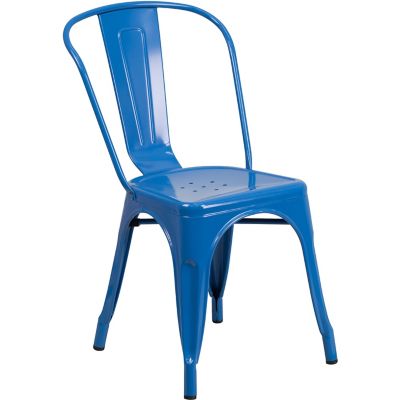
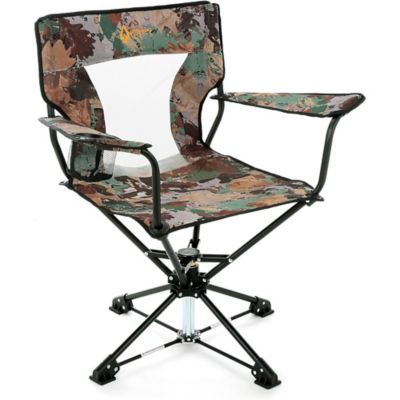
Outdoor Swivel Chairs offer another motion style; neither feature should be assumed unless it is listed in the chair’s specifications. Whatever the seating arrangement, enough space behind and beside each chair helps keep movement comfortable and walkways clear. Ongoing care is usually straightforward, but the finish and seating material determine the details. Mild soap, water, and a soft cloth are often suitable for routine cleaning when permitted by the care instructions, followed by drying around joints and hardware. Abrasive cleaners can damage coatings, and trapped dirt can hold moisture against the frame. Small finish chips deserve attention with a manufacturer-approved touch-up method before exposed steel develops more extensive rust. Periodic checks for loose fasteners, cracked welds, damaged spring parts, or worn feet help catch problems before the next gathering; a chair with structural damage should stay out of service until properly repaired or replaced. Cushions benefit from dry storage when not needed, and covers should fit without trapping moisture against the furniture. Stackability and folding are separate features, not standard traits of spring seating, so storage space matters as much as the footprint on the porch. With a well-matched seat, suitable support, and room for easy movement, these chairs make a practical place to sit a spell after the work is done.