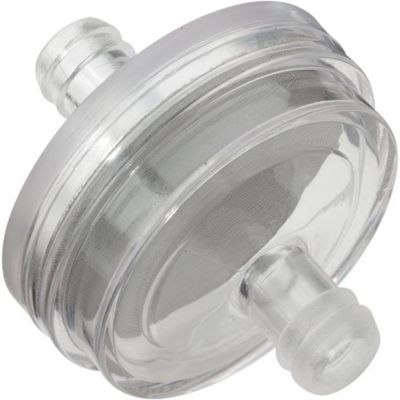
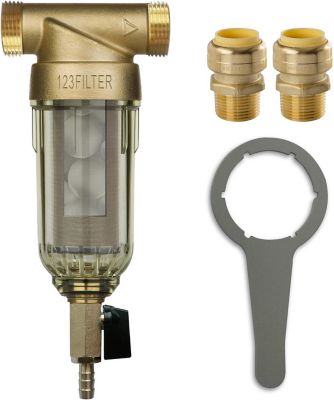
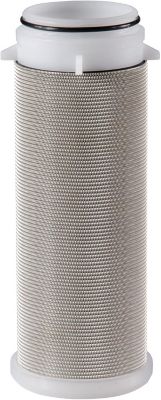
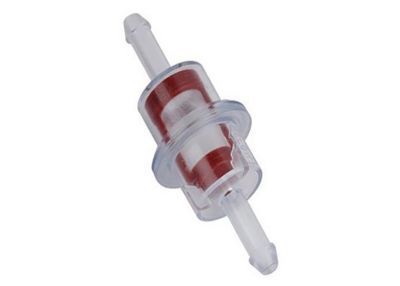
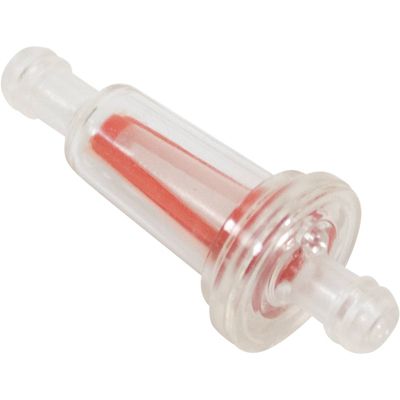
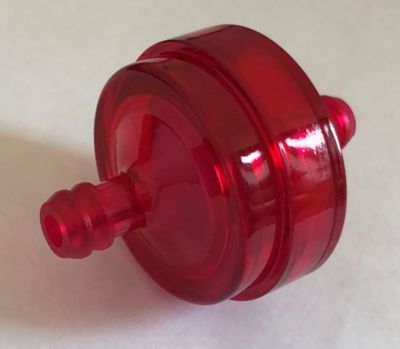
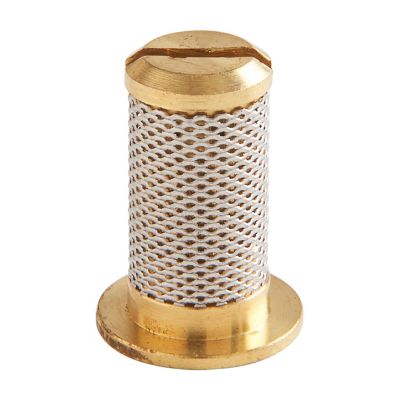
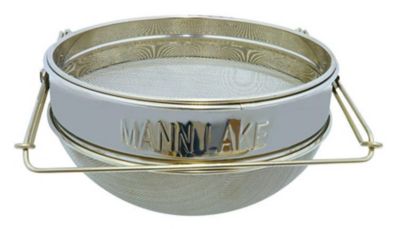
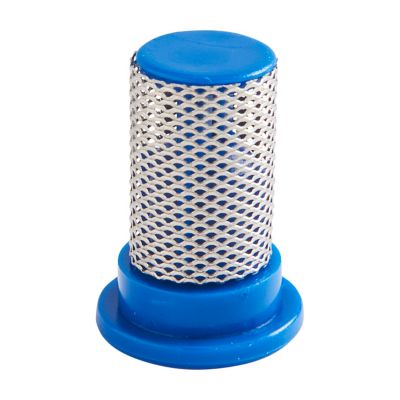
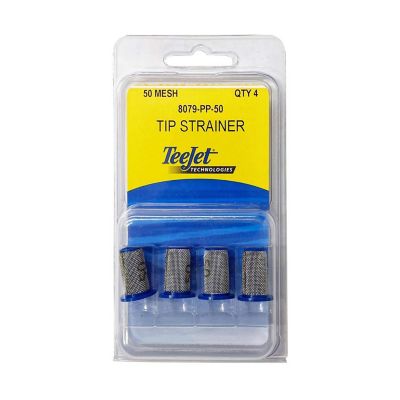
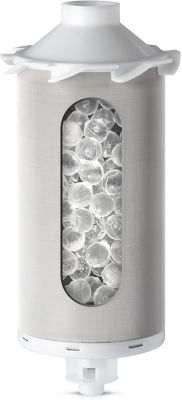
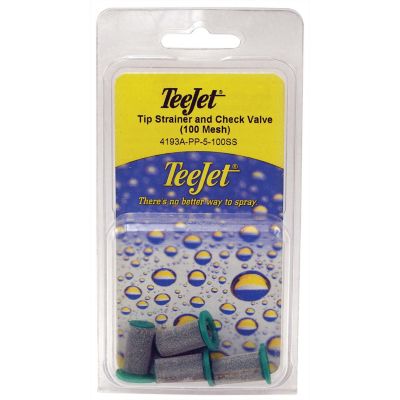
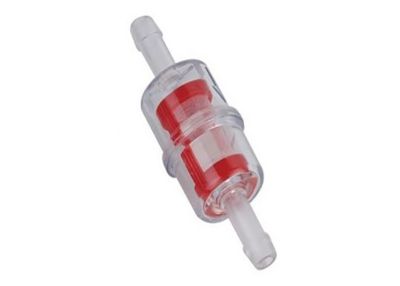
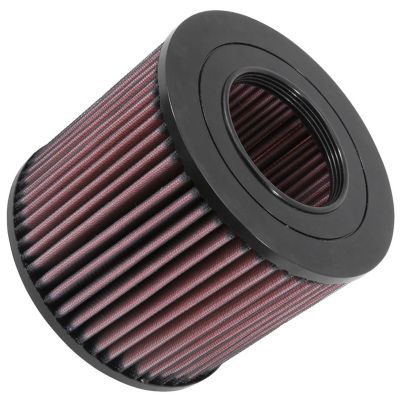
Mesh filters are screening devices with a network of small openings that catch solid particles while allowing liquid or gas to pass through. The screen acts as a physical barrier, holding back debris larger than its openings rather than removing everything carried in the flow. Around a farm, acreage or workshop, that can mean catching grit before it reaches a spray nozzle, keeping larger debris out of a water line or screening fluid before it moves through equipment. The right mesh filter depends on what needs to pass through, what needs to stay behind and how much flow the system requires. Mesh count and micron rating help describe that separation, but they are not interchangeable measurements. For woven screens, mesh count generally refers to the number of openings per linear inch. A higher count usually means smaller openings when wire thickness stays the same. A micron rating describes particle size or opening size in micrometers; a lower number generally indicates finer filtration. Because wire thickness and weave affect the space between strands, mesh count alone does not tell the whole story. Check the stated opening size and filtration rating rather than guessing from how fine a screen looks on the shop bench. Some ratings describe nominal particle capture, while others specify a defined retention performance, so the rating method matters, too. Finer screening is not automatically better for every job. A screen that catches very small particles may restrict flow or collect debris faster than a coarser screen. On a sprayer, the goal is to protect the nozzle without creating an unnecessary bottleneck. On a pump intake, the screen must also allow enough liquid through to meet the pump’s requirements. Mesh filtration generally does not remove dissolved salts, eliminate every microorganism or make untreated water safe to drink. Those jobs call for treatment designed and rated for that purpose.
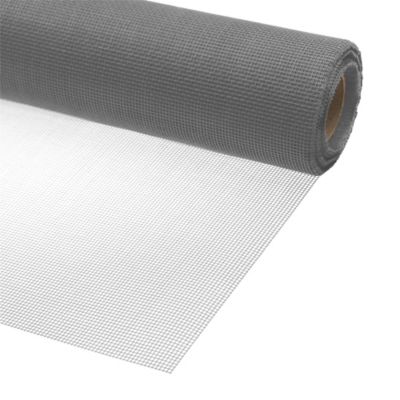
Screen material, construction and fit matter just as much as the size of the openings. Stainless steel mesh offers strength and corrosion resistance in many applications, though its suitability still depends on the alloy and the fluid passing through it. Woven nylon or polyester screens can provide lightweight screening, but each material has its own limits for chemical exposure, pressure and cleaning. Neither metal nor synthetic mesh belongs in every system. For fertilizer solutions, cleaning agents or other working fluids, check compatibility for the screen, frame, housing and seals together. A compatible screen cannot protect a gasket that swells or breaks down in contact with the same liquid. For drinking-water or food-contact applications, look for components specifically rated for that service rather than assuming that a clean-looking screen is suitable. Construction also affects how a filter handles regular work. A supported screen may stand up to pressure differences better than unsupported mesh, while a well-seated frame helps keep liquid from slipping around the edges. Check the equipment requirements for maximum working pressure, permitted pressure drop and flow rate. A filter that fits the pipe connection can still be wrong for the system if its screening area is too small. Connection size, thread type, screen diameter, overall length and sealing surfaces all deserve a close look before installation. Nominal pipe size is not the same as a direct outside-diameter measurement, so matching by sight can lead to a frustrating afternoon at the workbench. Compare the equipment specifications and measure the existing housing where the screen actually seats. When considering materials on the
Wire Meshes page, remember that general-purpose screening is not automatically suited to a filter housing or a pressurized fluid line. Purpose, support and sealing make a real difference, even when two pieces of mesh look much alike.
Regular attention helps mesh filters keep doing their job without turning a small maintenance task into an equipment problem. How often a screen needs cleaning depends on the amount and kind of debris moving through it. Water drawn from a source carrying sand or plant matter can load a screen much faster than a cleaner supply. A noticeable drop in flow, a change in spray pattern or a rising pressure difference across the filter can signal that the screen needs attention, although other equipment problems can cause similar symptoms. Follow the system’s shutdown procedure, isolate the supply and release trapped pressure before opening a housing. Where the manufacturer permits cleaning, rinse collected material away in the recommended direction and use an approved method for stubborn deposits. Scraping with a sharp tool or attacking fine mesh with a stiff wire brush can stretch openings, break strands or damage the frame. Inspect the screen under good light after cleaning, paying particular attention to seams, edges and the points where mesh meets its support. Torn sections, loose framing or openings that have stretched out of shape can let debris pass even when most of the screen looks clear. Check seals and seating surfaces before putting everything back together, and replace damaged components rather than trying to make them last through another job. A larger screen area or staged filtration may help in debris-heavy applications, but any change needs to match the equipment’s operating requirements. Coarser screening ahead of a finer filter can catch larger material first when the system is designed for that arrangement. For folks maintaining irrigation lines, sprayers, transfer equipment or shop systems, the most practical choice balances particle capture, flow and straightforward upkeep. A screen that fits properly, suits the working fluid and can be inspected without a struggle makes routine chores easier to manage. Keeping the filter specifications with the equipment records also takes the guesswork out of the next replacement.