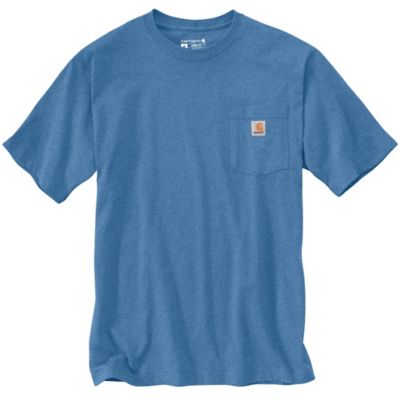
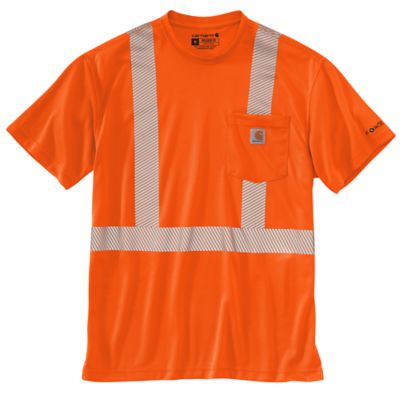
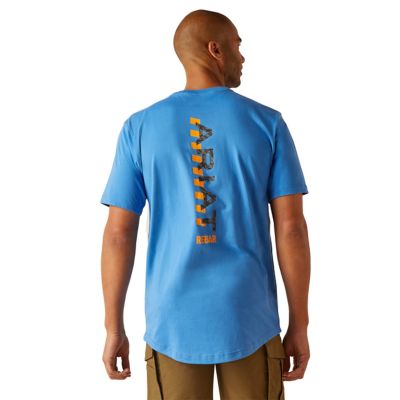
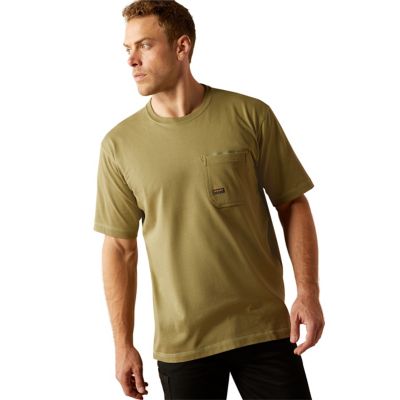
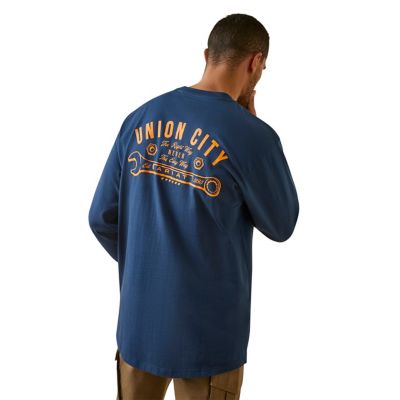
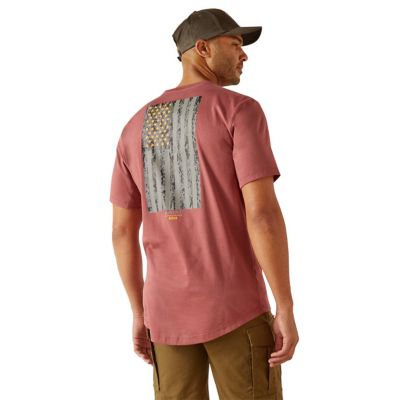
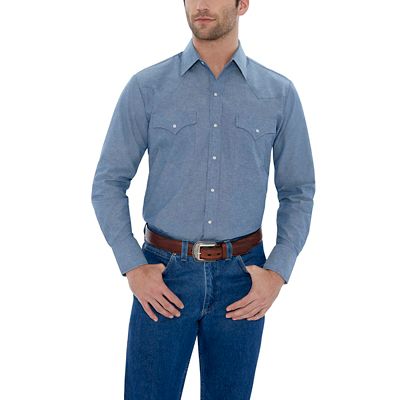
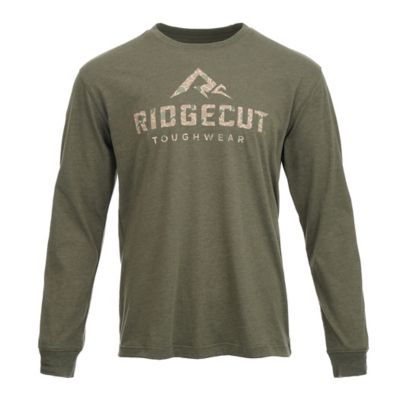
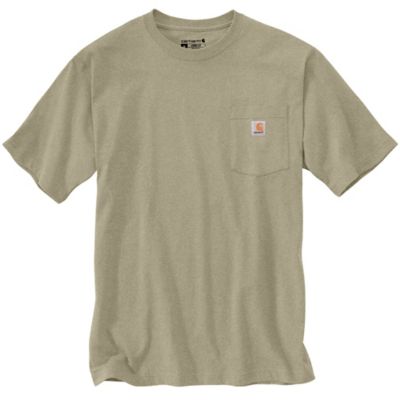
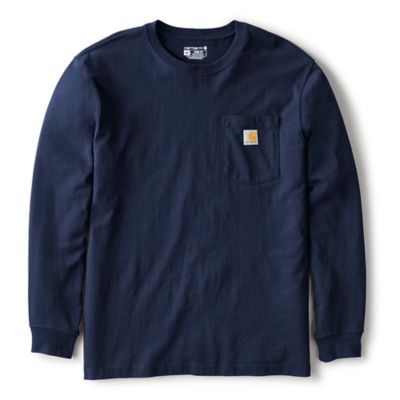
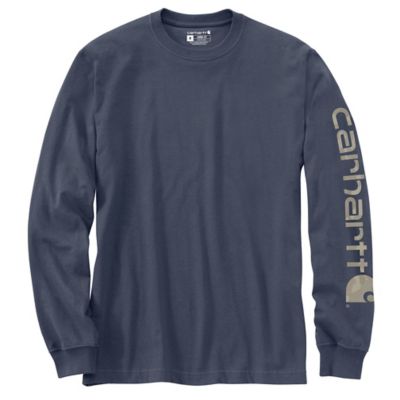
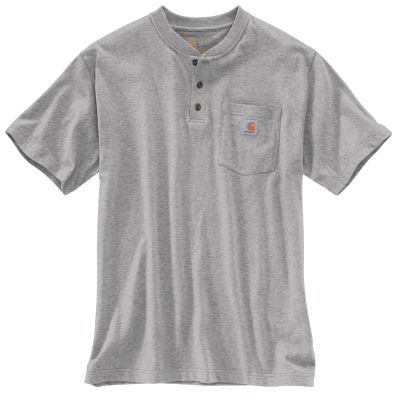
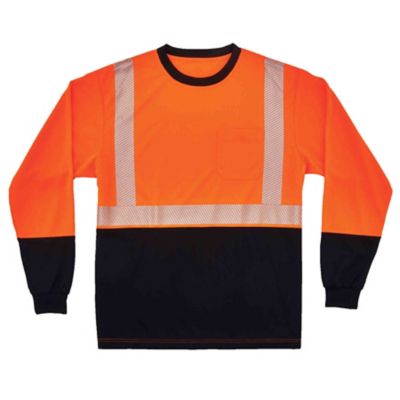
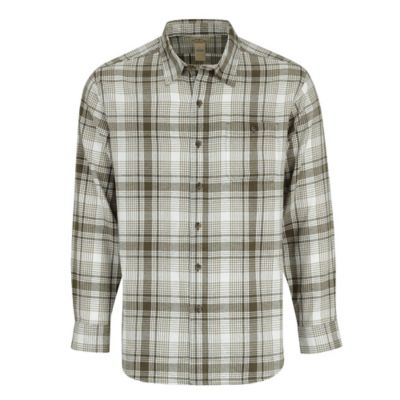
Men's work shirts have a place wherever the day calls for lifting, hauling, fixing or tending to chores. A shirt for checking fence lines may need a different feel than one worn at a service counter, but comfort, freedom of movement and straightforward care matter in either setting. Fabric is a good starting point when comparing
Work Shirts for Men for everyday jobs. Cotton has a familiar, soft feel and absorbs moisture, while cotton-polyester blends can help limit wrinkling and keep their shape through repeated washing. Fabric performance depends on the blend, weave and finish, so two shirts with similar fiber content may feel different on the job. Woven fabrics generally have a more structured feel, while knit fabrics flex naturally with the body. A small amount of stretch can add give when reaching across a workbench or bending to lift a feed sack. Fabric weight matters, too: a substantial cloth may feel right for repeated contact with rough surfaces, while a lighter fabric can feel less cumbersome during active work. Neither weight alone nor a stiff feel tells the whole story about how a shirt will hold up. Tight, even stitching, well-finished seams and securely attached buttons all contribute to a shirt that stands up to regular wear. Reinforcement at pocket corners can help where a pencil, small notebook or other everyday carry puts extra pull on the fabric. Smooth seams also matter when a shirt stays on through a full shift, especially across the shoulders and under the arms. A work shirt does not need a complicated design to earn its keep. The useful details are often the ones that fade into the background: a collar that lies flat, fabric that moves without binding and a hem that stays where it belongs while the work gets done.
Fit makes just as much difference as fabric when a shirt has to move through a full day's worth of tasks. Shoulder seams that sit close to the edge of the shoulders help sleeves hang naturally, while enough room across the upper back keeps reaching from turning into a tug-of-war with the fabric. A relaxed cut can give more room through the chest and waist, and a straighter or more fitted cut can reduce extra fabric without feeling restrictive. Fit names are not the same across every manufacturer, making body measurements and the size chart more useful than a familiar letter on a tag alone. Shirt length deserves a close look as well. A longer tail can help a tucked shirt stay put when bending over a trailer hitch or reaching for something on a shelf. A shorter, even hem can sit neatly outside the waistband when the job allows an untucked shirt. The right sleeve length leaves room to bend the elbow without pulling hard at the cuff, and the neckline should sit comfortably rather than press or rub. Button-front styles offer structure and an adjustable opening at the neck, while pullovers keep the front simple. Chest pockets can hold a pencil or folded note, though carrying too much can weigh down the front of the shirt. Pocket placement matters when a seat belt, tool belt or shoulder strap crosses the chest. For farm crews, mechanics, carpenters, groundskeepers and folks tackling projects around the place, those little differences become noticeable after hours of movement. Loose sleeves and hanging shirttails do not belong near moving machinery, and workplace clothing rules always take priority over personal preference. An everyday work shirt is not a substitute for required flame-resistant clothing, high-visibility apparel or other protective gear. The best match is a shirt whose fit and features suit the actual task, not just the way it looks on a hanger.
Regular care helps men's work shirts keep their shape, feel and presentable appearance between jobs. The care label is the place to check washing and drying requirements, since cotton, blended fabrics and treated materials do not all respond the same way. Cotton can shrink, especially with high dryer heat, while some blends resist shrinkage but still need the recommended settings. Washing shirts with similar colors helps limit color transfer, and fastening buttons according to the care directions can help reduce snagging and strain. Dirt around cuffs and collars often needs attention before a normal wash, particularly after a day of handling dusty feed bags or working around equipment. A stain treatment suited to the fabric can help lift those marks; checking the area before drying matters because heat can set some stains. Bleach and strong cleaners are not suitable for every fabric or finish. Shirts also benefit from enough room in the washer to move freely rather than being packed tightly into the drum. Once clean, smoothing the collar, placket and seams before hanging or folding can cut down on a rumpled look. Small repairs, such as securing a loose button or closing a short seam opening, can keep minor wear from becoming a reason to retire an otherwise serviceable shirt. Having a few shirts in regular rotation gives each one time for proper washing and drying instead of a rushed turnaround. For a dad, brother, partner or friend who spends plenty of time in the shop or around the farm, a work shirt can also make a practical gift when the size and preferred fit are known. Familiar colors, a comfortable cut and care requirements that fit the wearer's routine tend to matter more than extra features. Whether the day involves repairing a gate, sorting hardware or meeting a client after a job, a well-fitting work shirt helps keep the focus on the work.