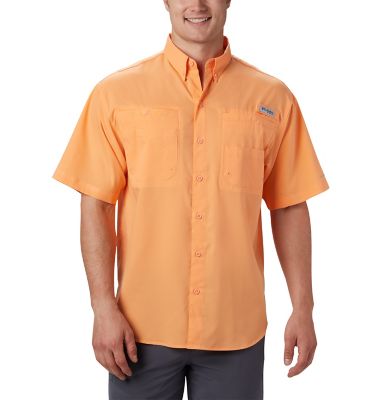
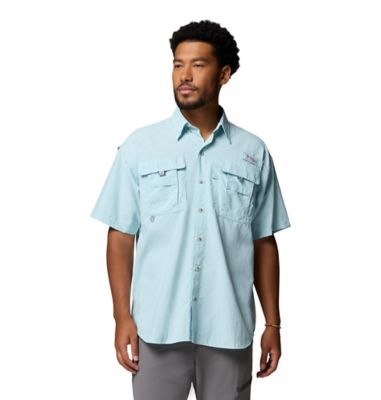
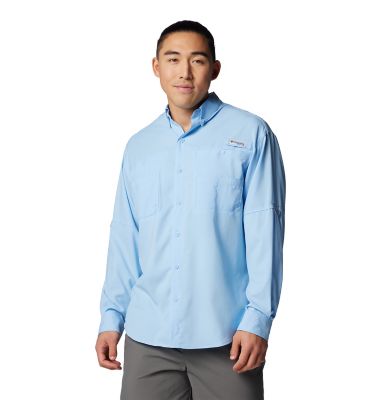
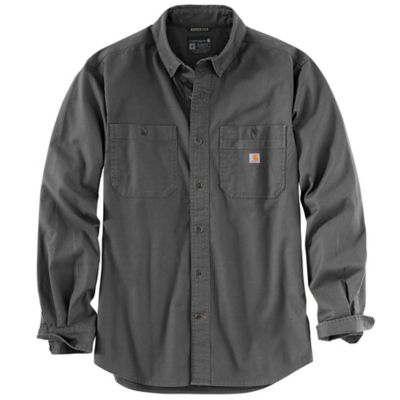
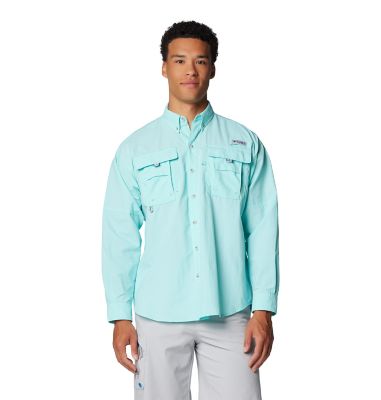
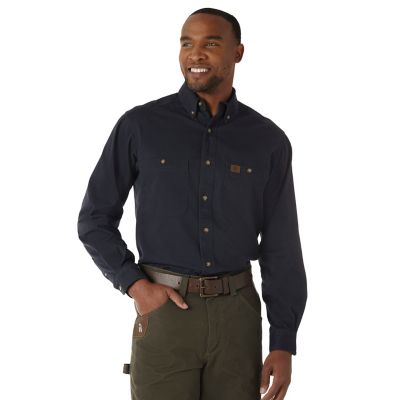
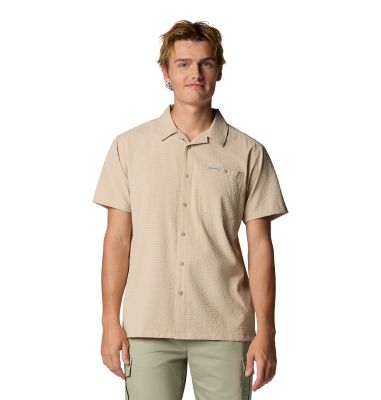
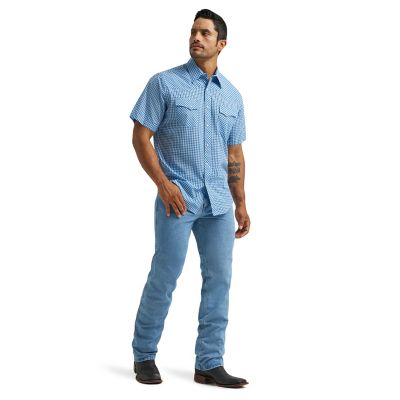
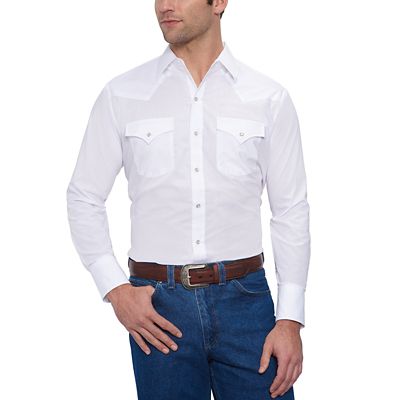
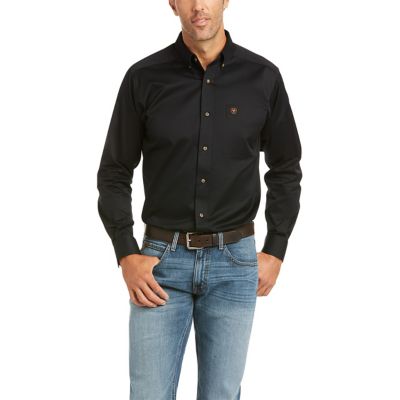
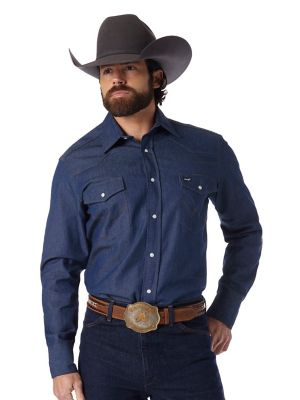
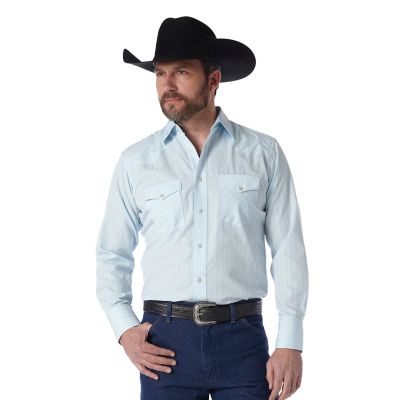
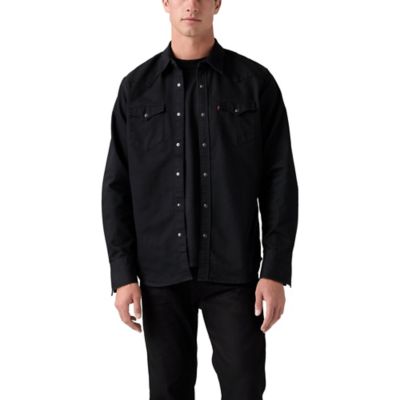
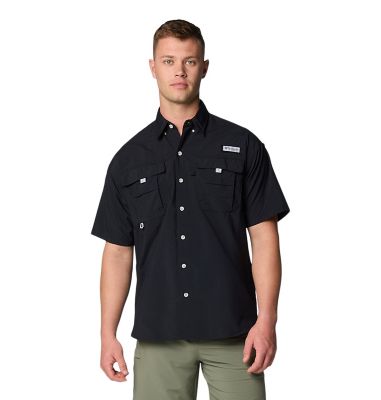
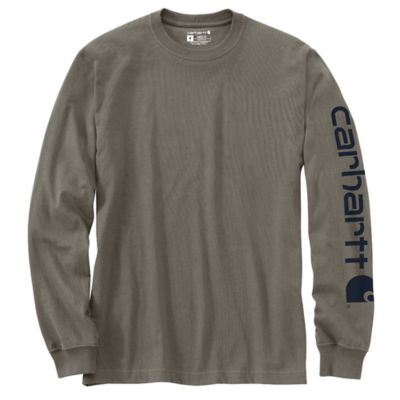
Men's casual button-down shirts are everyday collared shirts that pair with jeans, chinos, and work pants for errands, casual workplaces, family gatherings, and time around the farm. They bring a little more polish than a T-shirt without the formality of a dress shirt, making them a natural fit for a feed-store stop followed by supper in town. In traditional shirt terminology, button-down refers to collar points that fasten to the shirt, while button-up describes a front that closes with buttons. The terms often overlap in everyday shopping, so the collar and front closure help tell the full story. Fabric makes just as much difference to how a shirt feels and wears. Cotton is a familiar choice for its softness, breathability, and comfortable feel against the skin. Cotton-polyester blends may offer easier wrinkle care and quicker drying, depending on the blend and fabric finish. A small amount of stretch can add give across the shoulders and elbows, especially for someone who spends part of the day driving, reaching, or bending. Oxford cloth has a basket-weave texture that gives a casual shirt some substance, while twill has a diagonal weave and often a smooth drape. Chambray brings a denim-like appearance without necessarily having the same weight or construction as denim. Brushed flannel has a soft surface, and linen has a distinct texture with natural creasing that suits a relaxed look. These differences matter more than a fabric name alone: fabric weight, weave, and finishing all affect how a shirt hangs and feels. A smooth solid-color shirt can look right at home in a casual office, while a plaid or check feels easygoing with well-worn jeans. For men whose day moves between a desk, a pickup, and a family meal, the appeal is straightforward: a familiar shirt with enough structure to look put together and enough ease to feel comfortable through the day's regular stops.
Fit is what makes that everyday usefulness work. A men's casual button-down shirt should leave room to sit, reach forward, and bend the elbows without pulling hard across the back or opening between the front buttons. Shoulder seams generally sit near the shoulder's edge, although some relaxed cuts place them farther out by design. A closer fit follows the torso with less extra fabric, a regular fit offers moderate room, and a relaxed fit gives more space through the chest and waist. Those labels vary between makers, so chest measurements, sleeve length, and the listed size chart tell more than the fit name alone. Someone with broad shoulders may need room through the upper back even when the waist fits neatly. For a longer torso, hem length becomes especially important. A shirt meant to stay tucked needs enough length to remain inside the waistband when its wearer sits or reaches. A shorter hem can sit neatly over jeans without hanging too far below the pockets. Short sleeves keep the forearms clear for everyday tasks, while long sleeves offer more coverage and the option of a neatly rolled cuff when the design allows. Cuff openings should feel comfortable around the wrist without sliding over the hand. Construction details deserve a look, too. Even stitching, firmly attached buttons, and reinforced areas around pockets and other stress points can help a shirt stand up to repeated wear. A chest pocket offers a handy place for a folded note or pen, while a pocket-free front has a cleaner appearance. Back pleats can add movement without requiring a much looser overall cut. Collar shape also changes the feel: buttoned collar points tend to stay in place, while an open point collar gives a different finish. None of these details makes one shirt right for every man; together, they help match the shirt to his build, habits, and plans.
Color, pattern, and care round out the choice, especially when a shirt needs to earn its place in a regular rotation. Blue, gray, tan, and other easy-to-pair shades work with a range of denim washes and pant colors. Small checks and narrow stripes add pattern without taking over an outfit, while larger plaids create a bolder, more laid-back look. Pairing a patterned shirt with plain pants keeps things simple, and a solid shirt leaves room for a favorite belt buckle or textured pair of boots. Details such as shaped yokes and flap pockets connect this everyday look with
Men's Button Up Western Shirts, a related choice for men who favor Western styling. For a straightforward outfit, a casual button-down worn over a plain T-shirt works well with jeans; buttoned and tucked into chinos, the same general style feels more polished for a restaurant meal or a gathering with relatives. Care requirements can make a real difference over time. The garment label should set the washing, drying, and ironing routine because fiber blends, dyes, and finishes do not all respond alike. Cotton may shrink if laundering directions are overlooked, linen naturally develops creases, and some blends need less ironing than all-cotton fabrics. Removing a shirt promptly after the wash or dryer cycle and smoothing the collar, placket, and cuffs can help limit wrinkles. A hanger supports the shirt between wears, and checking for loose buttons before they come off can prevent an inconvenient repair later. For a gift, a casual button-down is a practical choice for a dad, husband, brother, or friend who likes clothing that fits into everyday life. His usual collar style, favorite colors, and preferred way of wearing a shirt—tucked or untucked—are useful clues. Checking the measurements of a shirt he already reaches for can help with sizing. The best match is one that feels familiar from the first wear, allows comfortable movement, and looks just as fitting at a backyard cookout as it does across the table at Sunday dinner.