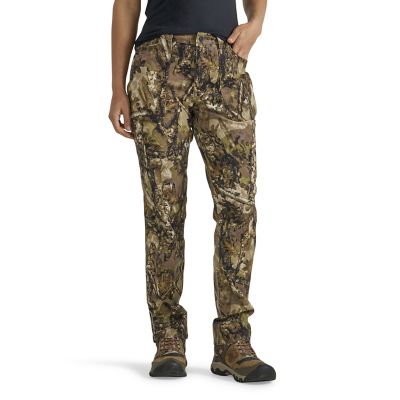
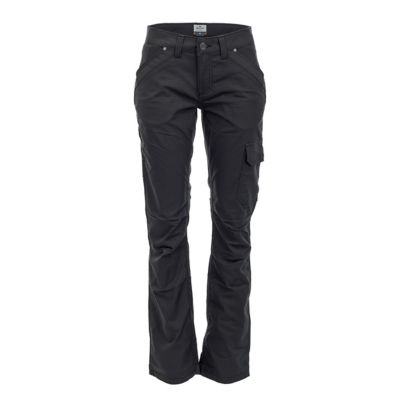
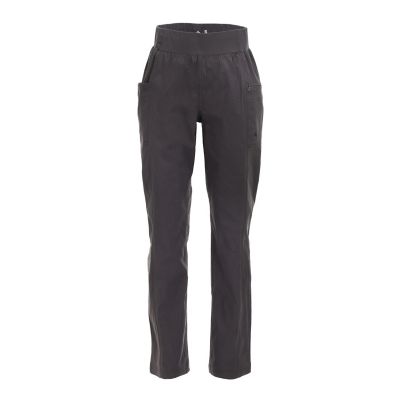
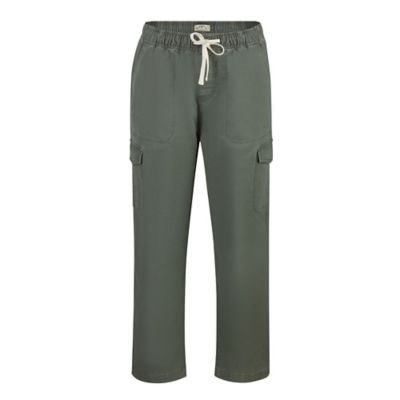
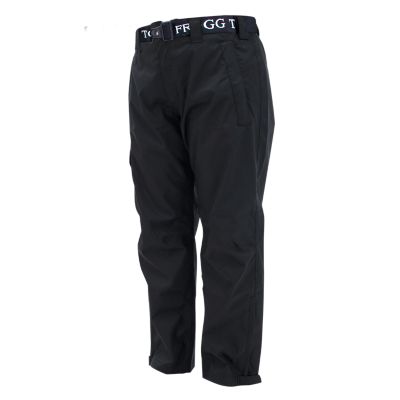
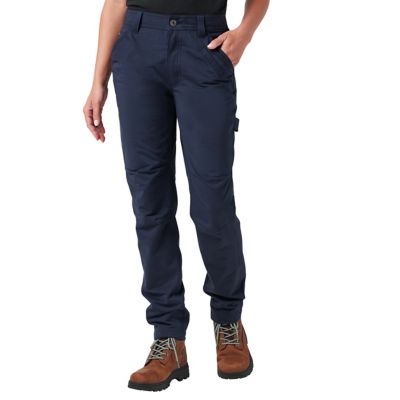
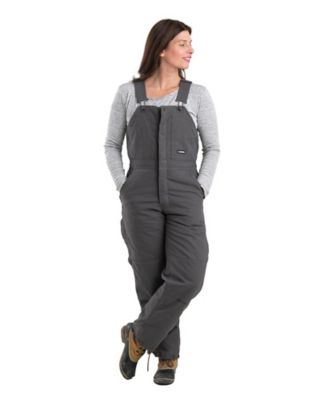
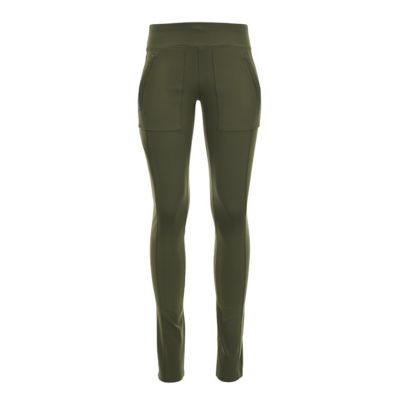
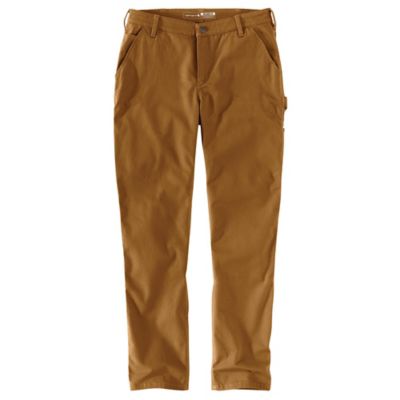
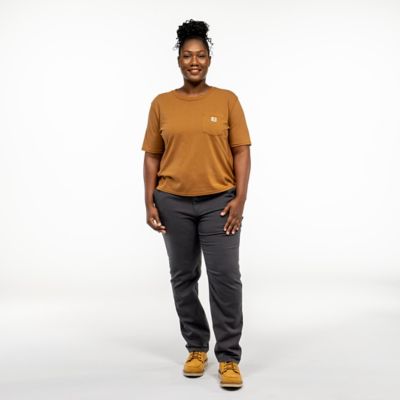
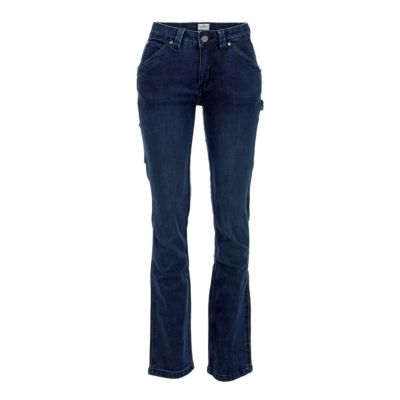
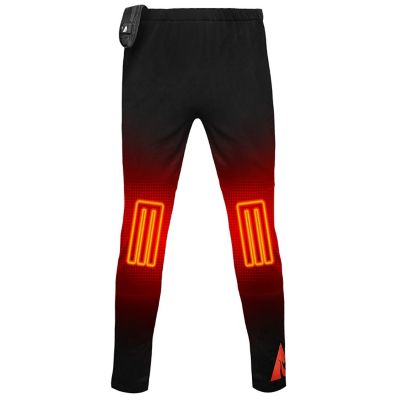
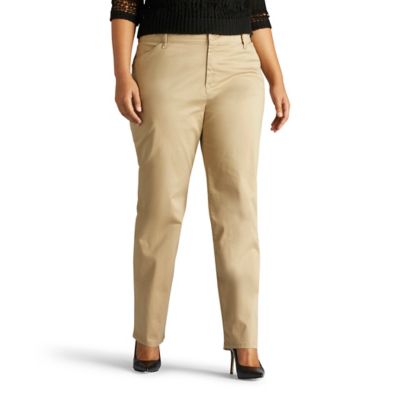
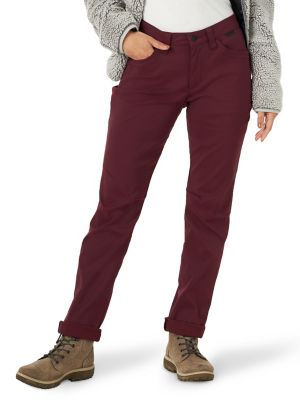
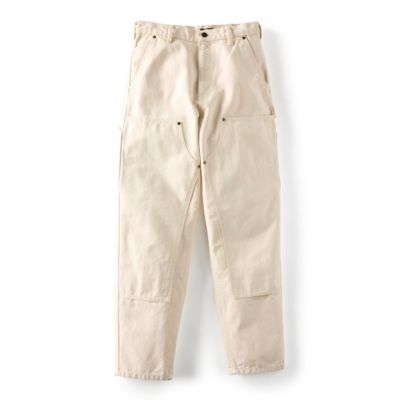
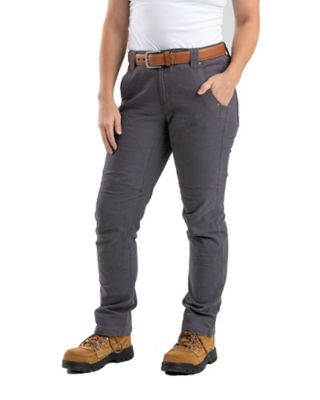
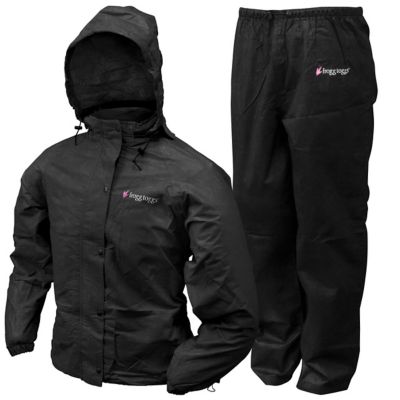
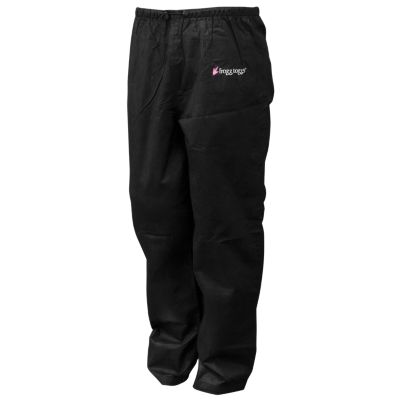
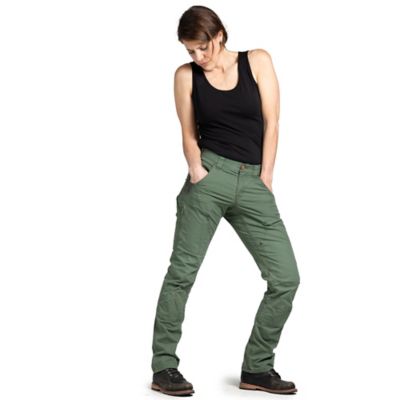
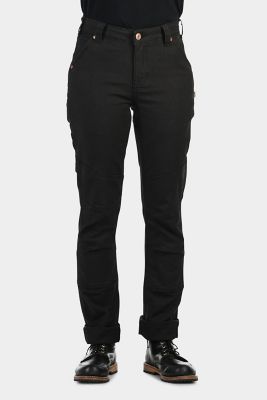
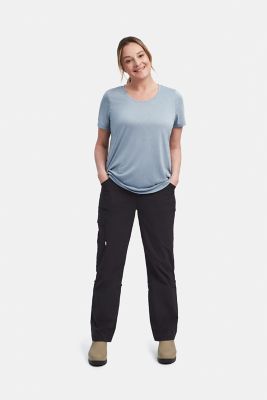
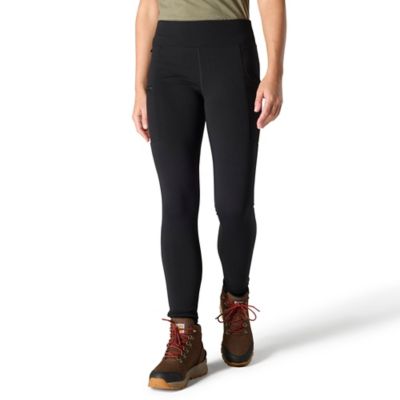
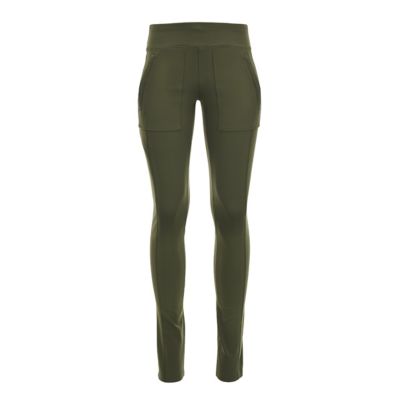
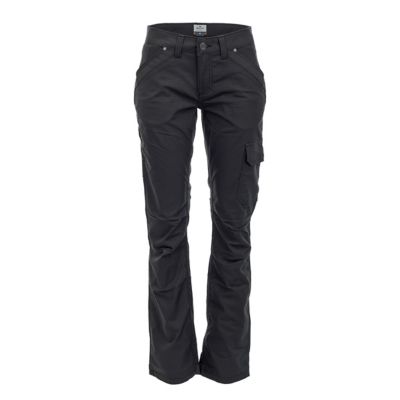
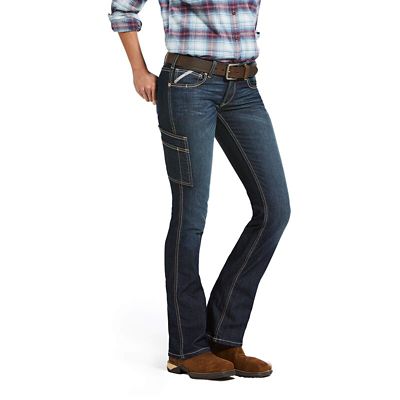
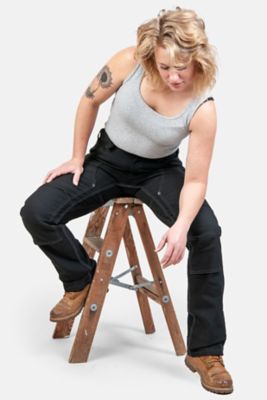
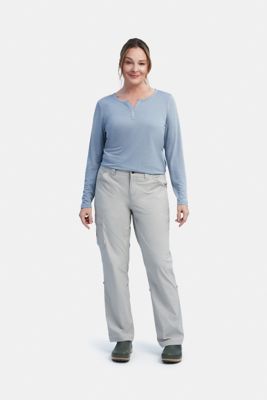
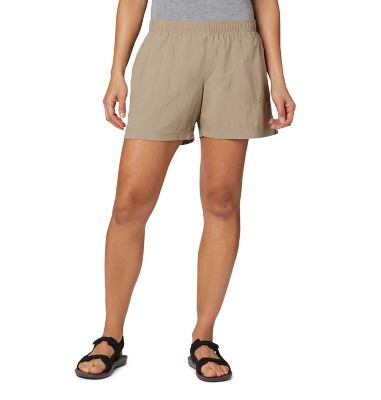
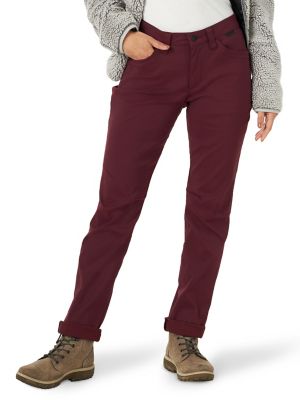
Women’s camping pants bring together freedom of movement, practical storage, and fabrics that stand up to life around a campsite. They’re made for the mix of walking, bending, kneeling, and sitting that comes with pitching a tent, hauling gear from the truck, or taking the long way down to the creek. The right pair feels comfortable on a trail without becoming a nuisance when it’s time to crouch beside a camp stove or settle into a folding chair. Nylon and polyester are common materials for women’s hiking and camping pants because they can offer low weight, resistance to abrasion, and faster drying than many cotton fabrics. Blends with spandex add stretch, helping the fabric move across the knees and seat when stepping over a fallen limb or climbing into a pickup bed. Four-way stretch fabrics give in both lengthwise and crosswise directions, though the amount of stretch varies by construction. Woven fabrics often have a more structured feel than knit leggings, while stretch knits offer a close, flexible fit for less brushy paths and relaxed camp routines. Cotton-rich canvas has a firmer hand that may appeal to women who want pants for both campground chores and everyday work around the property, but it generally holds moisture longer than lightweight synthetics. Ripstop construction incorporates a reinforcing grid that can help limit the spread of small tears; it does not make fabric impossible to snag. Reinforced knees or seat panels add material where contact with gravel, logs, and rough benches takes its toll. Fabric weight matters, too: a heavier weave may better suit repeated contact with rough surfaces, while lighter fabric takes up less room in a pack. For trips built around covering ground with a modest load,
Womens Lightweight Hiking Pants offer a related category to explore. Breathability, stretch, and resistance to wear all deserve a place in the decision, with the balance depending on how much of the day involves walking versus handling camp chores.
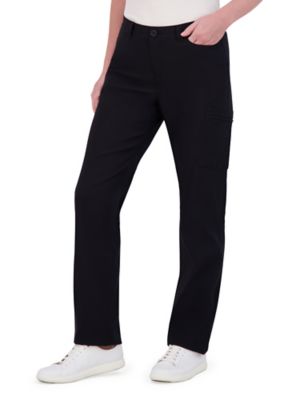
Fit makes a real difference in how women’s camping pants feel after several hours away from home. A waistband that feels fine while standing can press into the stomach during a long drive or pinch beneath a backpack’s hip belt. Mid-rise and high-rise cuts provide different amounts of coverage, and neither replaces checking how the waist, hips, and seat fit together. A contoured waistband can help reduce gaping at the back, while elastic sections or an internal drawcord allow small adjustments without requiring a belt. Belt loops remain useful for women who prefer a more structured waist, though thick buckles can become uncomfortable under pack straps. Through the legs, straight and relaxed cuts leave room for movement, while tapered pants and jogger cuffs keep excess fabric closer to the body. Close-fitting pants should still allow a full step up onto a rock without pulling at the knees or dragging the waistband down. Articulated knees add shape where the leg bends, and a gusseted crotch can ease tension through the inseam during a wide stride or deep squat. Inseam length also affects everyday comfort: hems that drag collect dirt and can catch under a boot heel, while a very short hem may leave more of the ankle exposed than intended. Pocket placement deserves the same attention as the cut. A phone in a front pocket can dig into the hip when sitting; a thigh pocket may keep it out of that crease but should hold it without bouncing against the leg. Zippered pockets help contain keys and other small essentials during a scramble or a quick change of position. Cargo pockets offer extra room, although heavily loaded pockets can pull on lighter fabric. Convertible pants provide a shorts option through removable lower legs, and roll-tab hems hold cuffs above the ankle. These features can be handy for different activities, but zipper placement, cuff width, and ease of movement still matter more than a long list of extras.
The best women’s camping pants for a particular outing are the ones whose construction matches the work they’ll do. A walk-in campsite calls for easy movement and manageable pack weight, while a drive-up site with gear to unload may put more emphasis on roomy pockets and fabric that tolerates repeated kneeling. Women who split their time between trails, fishing access paths, campground cooking, and trips into town may appreciate a straightforward cut that doesn’t feel out of place away from camp. Pants with a little stretch can also earn their keep while gathering gear in the barn or loading supplies before departure. Longer wear starts with sound construction: even stitching, neatly finished seams, and reinforcement around pocket openings and other stress points are useful details. No everyday camping fabric is snag-proof, and contact with sharp branches or jagged rock can damage even a substantial weave. Care requirements depend on the fiber blend and any fabric treatments, so the garment label should set the washing and drying routine. Emptying pockets, closing zippers, and brushing away loose grit before washing can help prevent unnecessary abrasion. Fabric softeners can interfere with some performance finishes, and high dryer heat may affect elastic fibers or trims; neither belongs in the routine unless the care directions permit it. Pants should be completely dry before they’re packed away, especially after washing or cleaning up a spill at camp. Small seam openings are worth tending to before another outing gives them room to grow. Around a fire or camp stove, ordinary camping pants should never be treated as flame-resistant clothing, and synthetic fabrics need distance from sparks and direct heat. For a gift, a familiar size, preferred rise, and usual inseam provide a better starting point than appearance alone. Whether they’re for a frequent tent camper, a weekend trail walker, or someone heading out on her first overnight trip, camping pants should leave room for the day’s tasks without constant tugging, shifting, or readjusting.