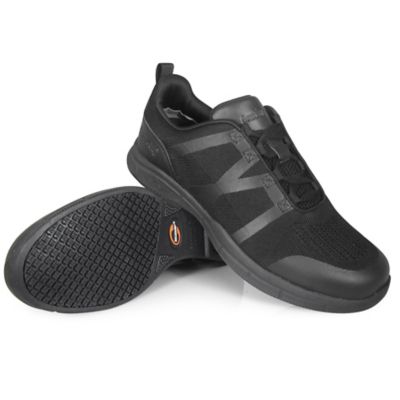
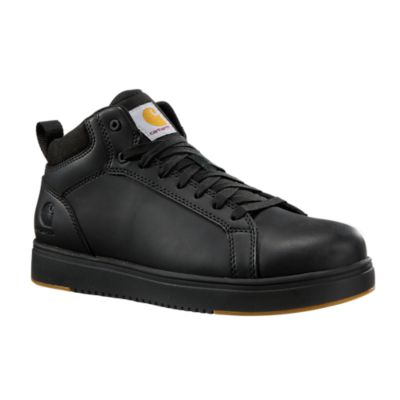
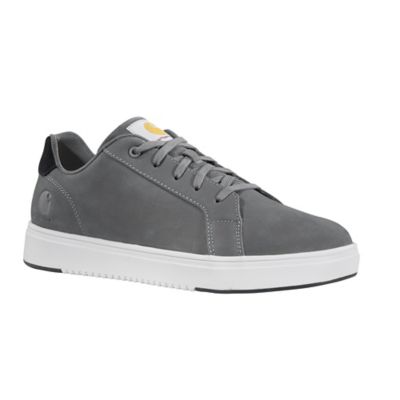
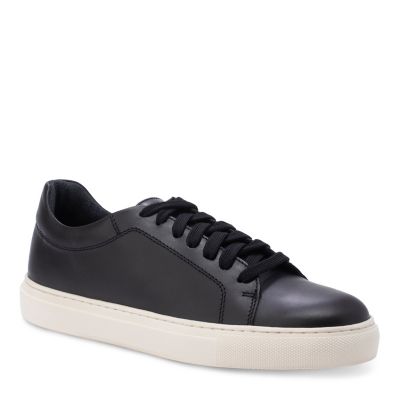
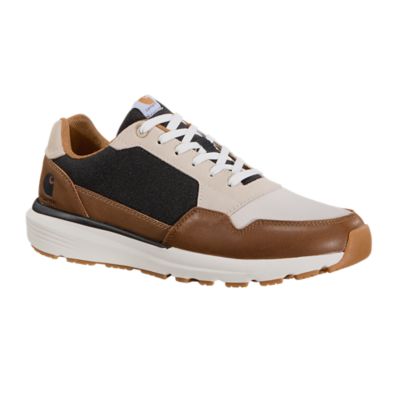
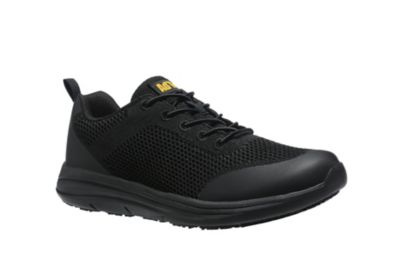
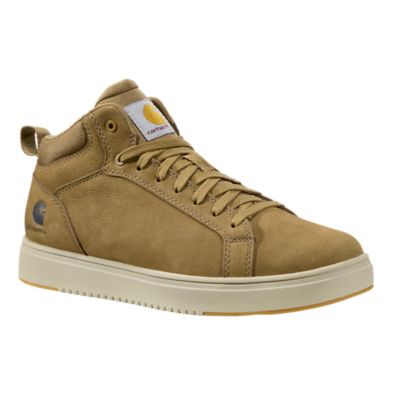
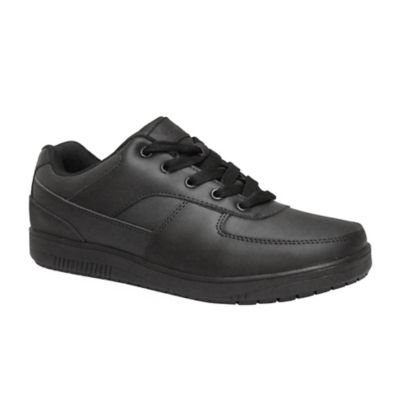
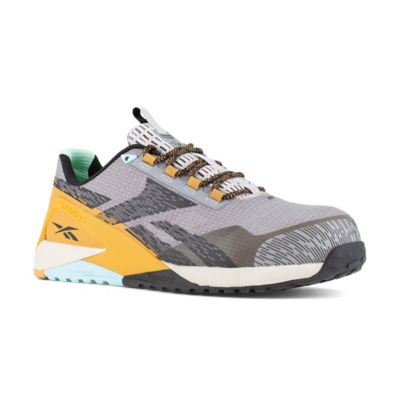
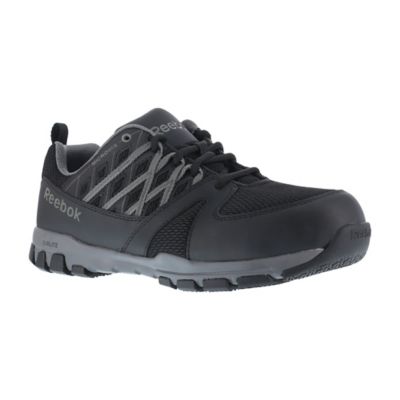
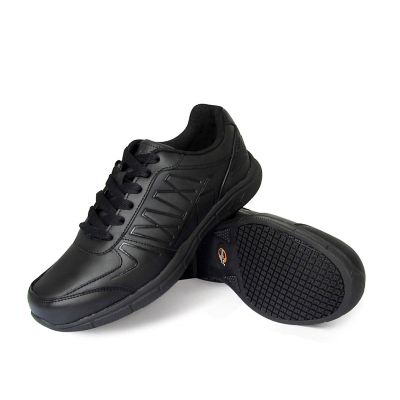
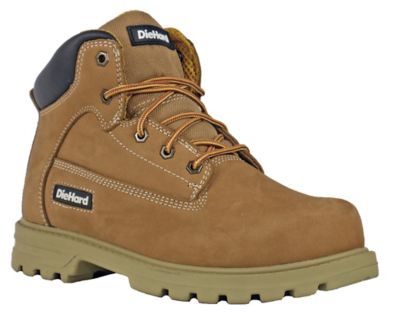
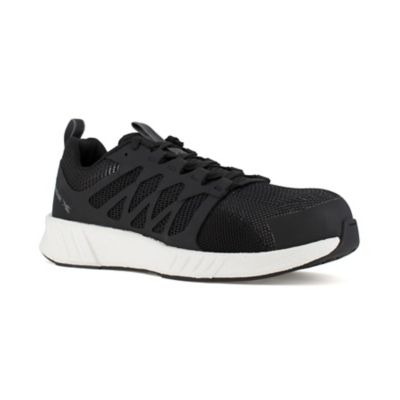
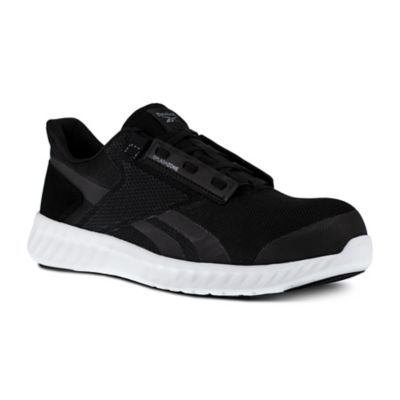
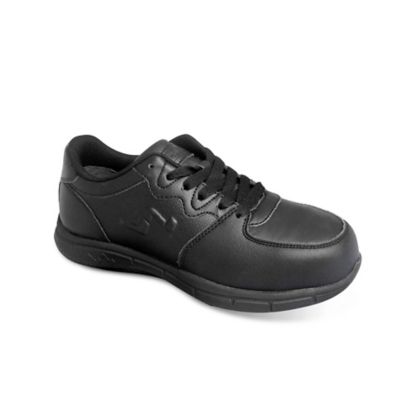
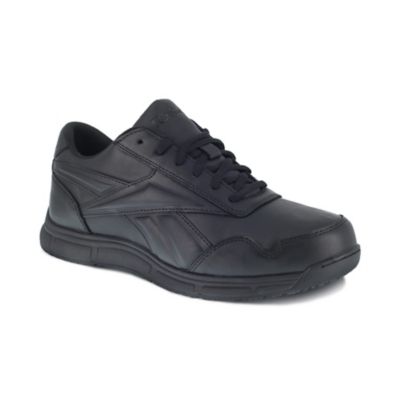
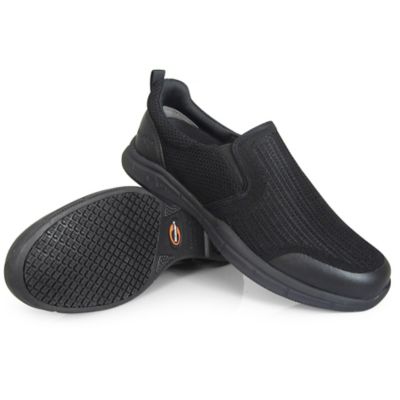
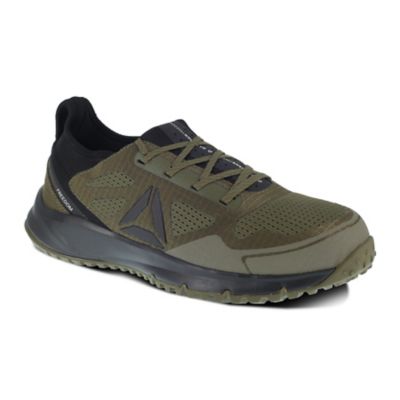
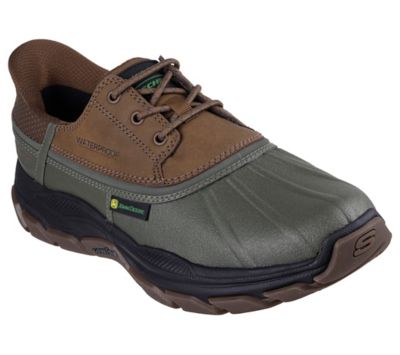
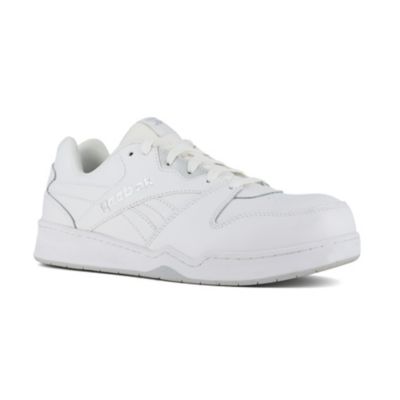
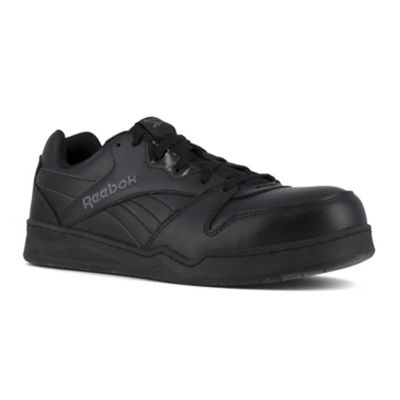
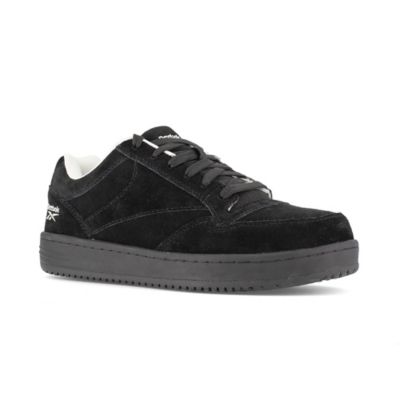
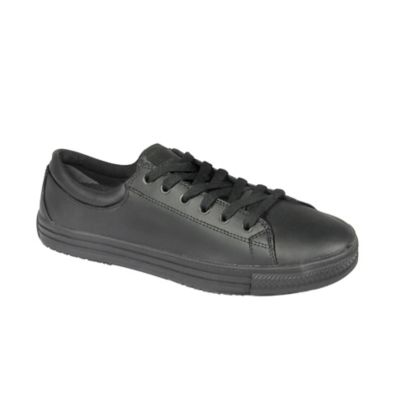
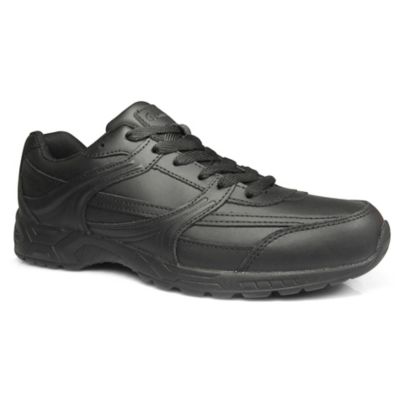
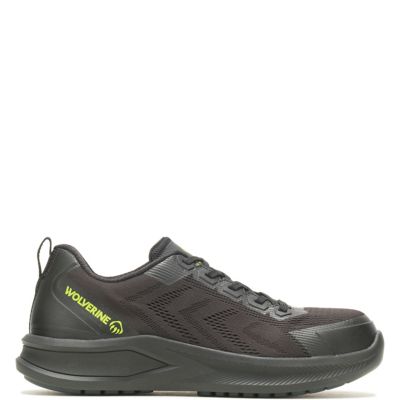
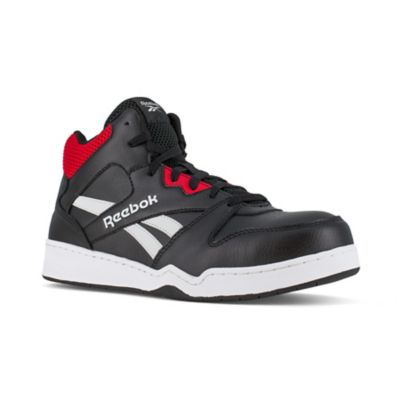
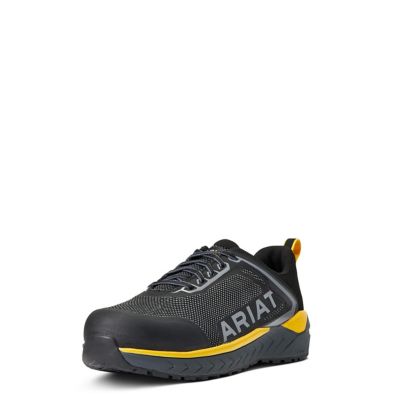
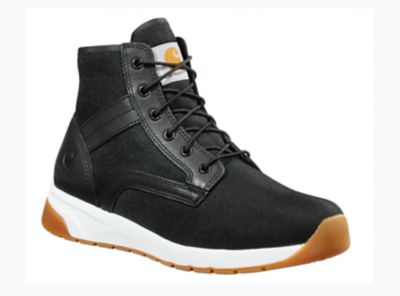
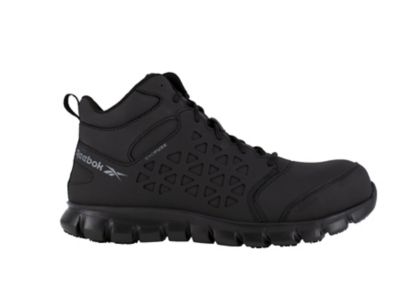
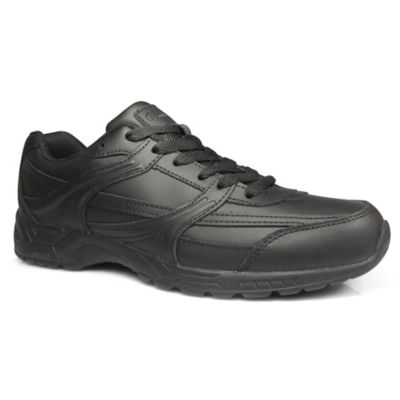
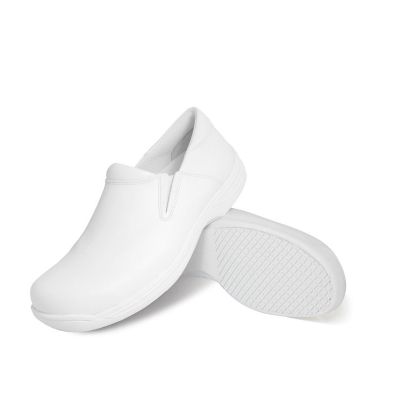
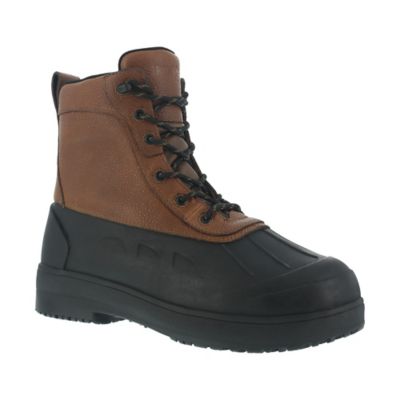
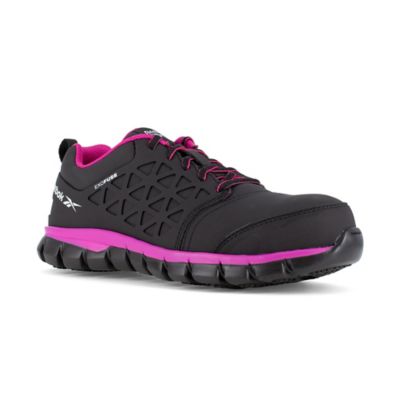
Men’s slip-resistant sneakers bring an athletic look and everyday comfort to footwear built for work on smooth floors. They’re a practical fit for men who spend hours walking between a service counter and a stockroom, moving through a restaurant kitchen or covering concrete aisles in a farm store. The main difference from an ordinary sneaker is the outsole: its rubber compound and tread pattern are designed to help maintain traction under particular conditions. Small channels and tread edges may help move moisture away from the contact area, but performance depends on the shoe, the floor and whatever is on that floor. Water, cooking oil, cleaning residue and loose dust create different challenges, so a slip-resistant label does not mean a shoe is slip-proof. Documented testing, including testing associated with ASTM F3445 where stated, gives shoppers more useful information than an aggressive-looking tread alone. A non-marking sole is a separate feature; it describes whether the outsole leaves marks, not how well it grips. Workplace footwear requirements still matter, especially in areas with frequent spills or specific floor treatments. These sneakers generally suit jobs where walking, standing and changing direction take up much of the day, rather than work that calls for a tall boot or protection from heavy falling objects. Safety toes, puncture resistance and electrical hazard protection are separate features that need to be identified in the shoe’s specifications. A sneaker shape by itself says nothing about those protections. On hard floors, cushioning can soften the feel underfoot, while a supportive platform helps keep the shoe from feeling overly soft or unstable. Flexibility through the forefoot lets the shoe bend with a normal walking stride, and a secure heel helps it stay put during repeated trips across the building. For a man handling a busy lunch rush or walking a sales floor from opening to closing, that balance of traction, support and manageable weight matters more than a sporty appearance alone.
Upper materials make a difference in how men’s slip-resistant sneakers feel through a full shift and how much attention they need afterward. Leather uppers tend to offer a substantial feel and a surface that can be wiped down, though seams, finishes and care requirements vary. Synthetic uppers may provide a smooth, easy-to-clean exterior without the same maintenance needs as leather. Mesh and knit panels allow more airflow, which can be welcome during long stretches of indoor activity, but open fabric can also let spills reach socks more easily. Water resistance and waterproof construction are not interchangeable, and neither should be assumed from the way a shoe looks. For work around food, cleaning supplies or frequent splashes, the upper’s coverage and the workplace’s footwear rules deserve a close look. Fit is just as important as material. Toes need room to spread without pressing against the front or sides, while the heel should feel secure rather than lifting with every step. Wide widths can help when the forefoot feels crowded; simply going longer may leave extra space at the toes without solving the pressure across the foot. Trying shoes with the same socks worn on the job gives a better sense of their everyday fit. Any prescribed orthotic or preferred insert also needs enough room inside the shoe, and a removable footbed can make that easier. Cushioning should feel comfortable without making the foot slide around, while the upper should hold the midfoot without tight laces digging across it. A padded collar and tongue can help reduce rubbing, but padding cannot fix a shape that does not match the foot. There should not be an expectation that painful pressure will disappear after several shifts. Lace-up styles allow tension to be adjusted across the top of the foot, while slip-on designs depend more heavily on the fit of the opening and upper. The right choice comes down to the wearer’s foot shape, daily movements and any rules about closures at work.
Regular care helps slip-resistant sneakers keep doing their job and makes wear easier to spot before it becomes a problem. A quick check after a shift can reveal packed tread channels, a loose seam or an outsole edge starting to separate. Food scraps, mud and other debris lodged in the sole can interfere with contact between the tread and the floor. A soft brush can help clear those channels, while a damp cloth can remove surface grime from uppers when the care label allows it. Cleaning products should match the shoe’s materials; harsh solvents, bleach or an unapproved wash cycle can damage finishes, adhesives or cushioning. Shoes that get damp need time to air-dry away from direct heat, with removable insoles taken out if the manufacturer recommends it. A second pair can make that routine easier for someone working back-to-back shifts, giving each pair more time to dry between wearings. Outsoles deserve attention even when the uppers still look presentable. Flattened tread, cracks, uneven heel wear or a noticeable change in grip can signal that it is time to replace the shoes. Compressed cushioning and a heel that no longer holds its shape can also change how they feel on long stretches of concrete. Keeping floors clean remains part of preventing slips; footwear is one part of that effort, not a substitute for addressing spills. For shoppers comparing sneaker-shaped footwear with other work-ready styles,
Men's Slip Resistant Work Shoes offers a related category to consider alongside the job’s requirements. As a gift for a husband, dad or son who spends the day on his feet, work sneakers make the most sense when his size, width and employer’s requirements are already known. Whether they’re headed behind a counter or into a busy stockroom, a well-fitting pair should suit the actual floor, the tasks at hand and the wearer’s stride.