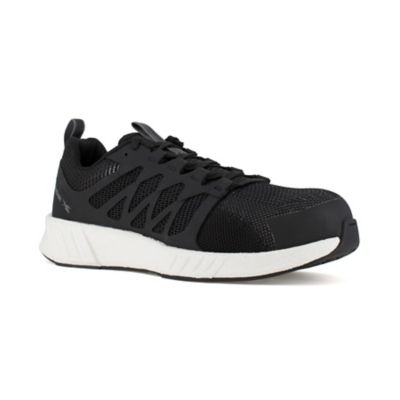
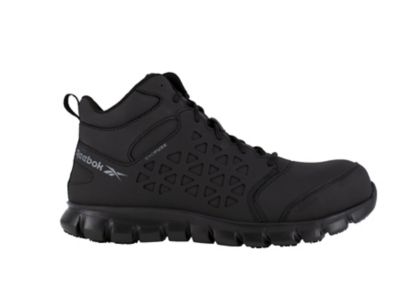
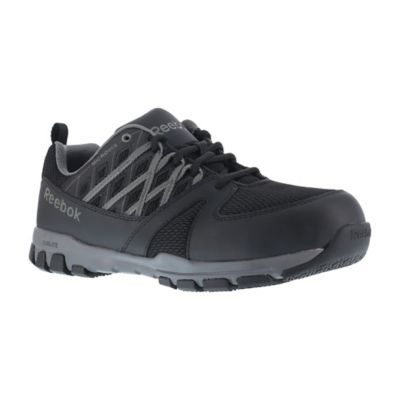
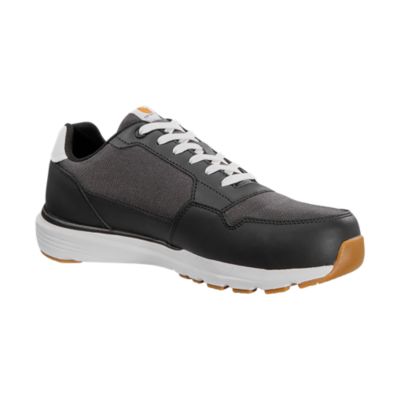
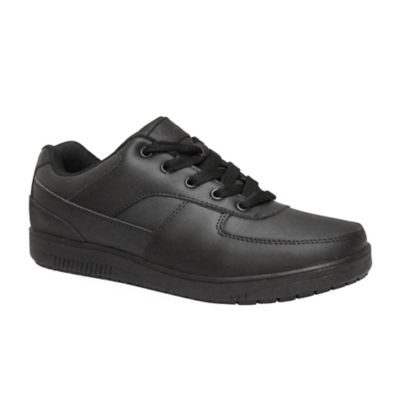
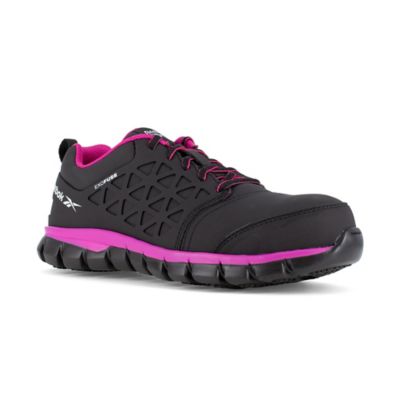
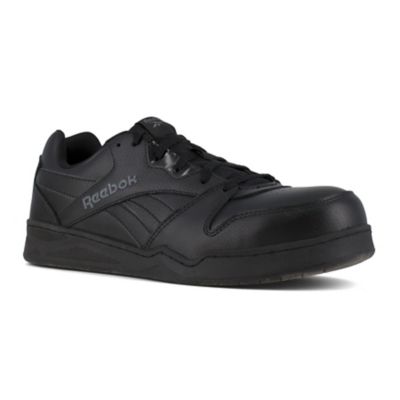
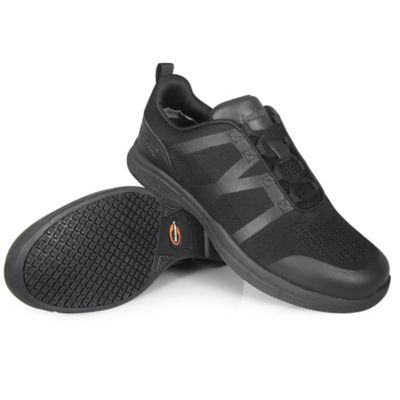
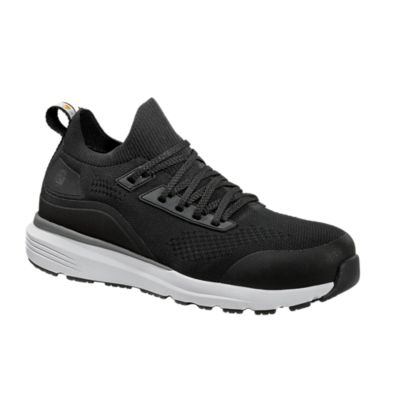
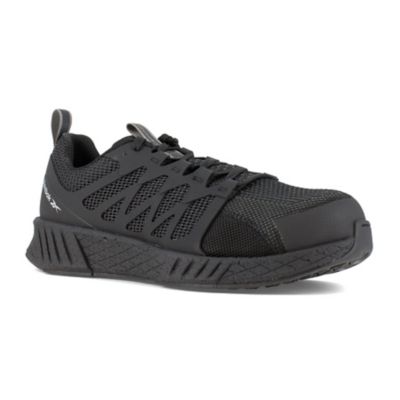
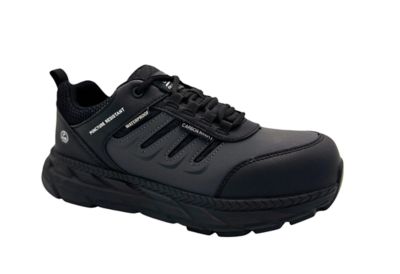
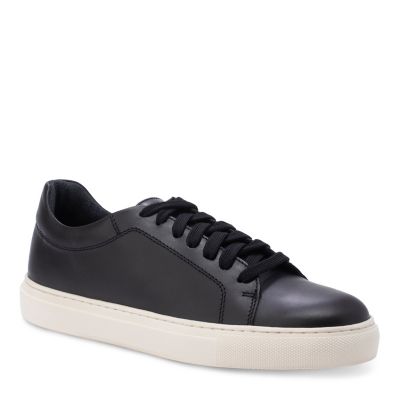
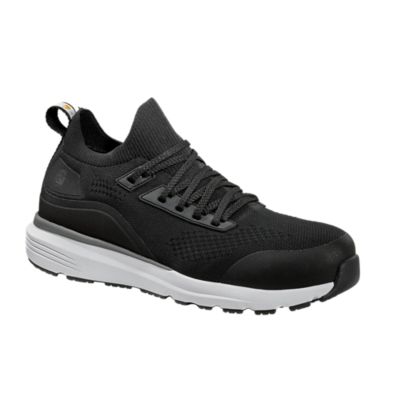
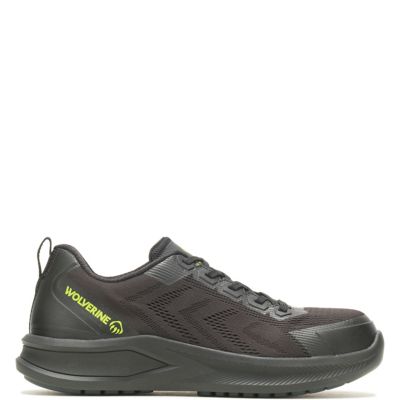
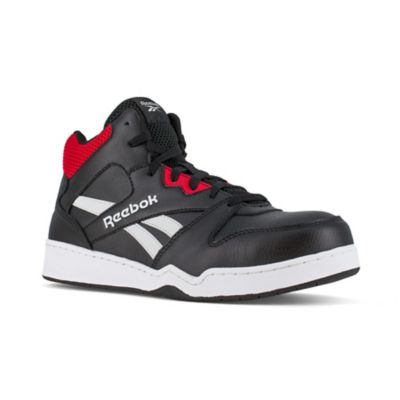
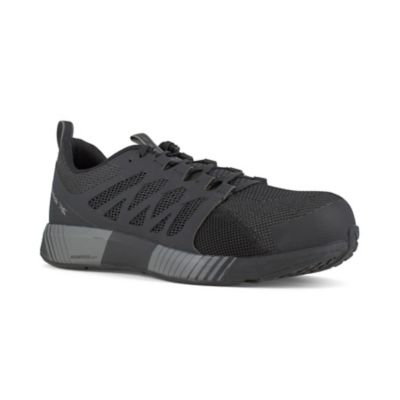
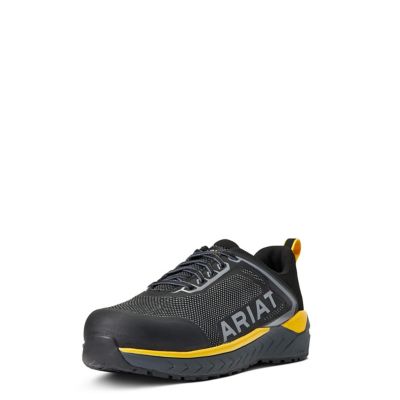
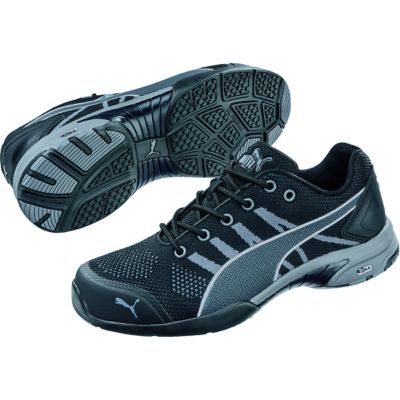
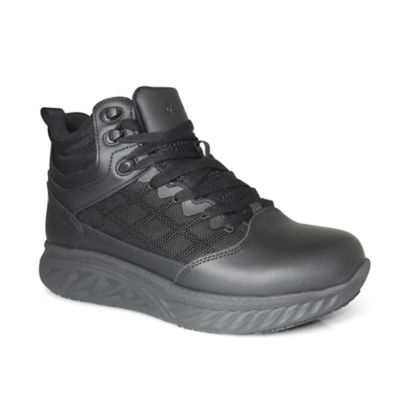
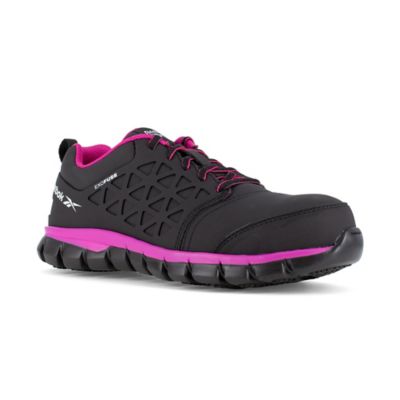
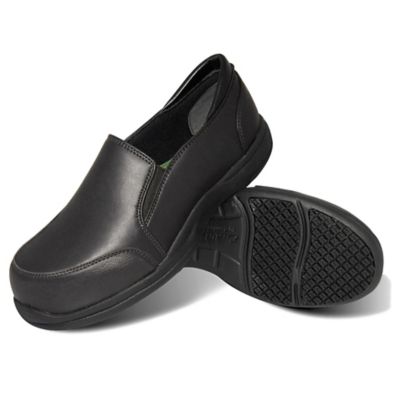
Black slip-resistant sneakers bring an athletic look to work footwear, with traction-focused outsoles and comfort features suited to hours of standing and walking. They fit naturally into restaurant kitchens, dining rooms, grocery stores, healthcare settings, and other workplaces where spills and smooth floors can make footing tricky. A server carrying a loaded tray, a cashier moving between a register and stockroom, or a worker crossing a breakroom after mopping all have good reason to pay attention to outsole performance. Black uppers also pair easily with work pants and many uniform requirements, while sneaker-style construction offers a familiar feel for everyday movement. The main distinction between ordinary black sneakers and slip-resistant work sneakers is the outsole’s design and tested performance, not simply its color or a sporty appearance. Rubber compounds, tread patterns, and channels that help move liquid away from the contact area can all influence grip. Deeper tread alone does not establish better slip resistance; the floor surface, type of spill, tread condition, and outsole material matter together. Some footwear carries slip-resistance claims supported by standardized testing, but a test reference should be read alongside the conditions it covers and any requirements set by an employer. Performance on one surface does not guarantee the same result on another, especially when grease, soap, or other contaminants enter the picture. Slip-resistant does not mean slip-proof, and careful footing, prompt spill cleanup, and clear walking paths remain important. An all-black appearance may also mean different things under different dress codes: some workplaces require black soles, laces, and logos as well as black uppers. For a job that involves exposed equipment, falling objects, or other hazards, traction is only one part of the footwear decision. A sneaker’s shape does not establish toe protection, electrical protection, or puncture resistance. Those features need their own stated specifications, making the intended work setting just as important as the look.
Materials and fit shape how black slip-resistant sneakers feel from the first task to the last trip across the floor. Smooth leather and synthetic uppers generally offer surfaces that are easier to wipe than open knit or mesh, which can be helpful around food splashes and everyday grime. Mesh panels allow more airflow, although open construction can also let liquids reach socks more readily. A coated upper may simplify cleanup without making the whole shoe waterproof; seams, tongues, and closures affect how moisture gets inside. Reinforced areas around the toe and heel can help with repeated rubbing, while secure stitching and well-bonded sole edges matter where a shoe bends through thousands of steps. Underfoot, cushioned insoles and foam midsoles can soften the feel of hard floors, but softness alone is not the same as support. A very plush footbed may feel pleasant at first without providing the steadiness a particular foot needs over a full shift. Heel shape, arch contour, flexibility, and room through the forefoot all contribute to comfort. A good fit leaves toes able to move without letting the heel slide around, and it should not depend on painfully tight laces to keep the shoe in place. Lace-up styles allow adjustment across the instep, while slip-on construction relies more heavily on the shape of the upper and any stretch panels. Trying footwear with the socks normally worn for work gives a better sense of everyday fit. Feet can change in size over the course of a long day, so a roomy feel without excessive movement matters more than a snug first impression. Anyone wearing prescribed orthotics will also want enough interior space and, where needed, a removable insole. Width options can be especially helpful when the right length still feels tight across the ball of the foot. Lightweight construction may make repeated steps feel less tiring, but the best balance of cushioning, support, and flexibility depends on the wearer and the tasks ahead.
Day-to-day care helps black slip-resistant sneakers stay presentable and keeps their tread from becoming packed with debris. Dark uppers can make some scuffs less noticeable, but food residue, dust, and grime still need attention. Cleaning methods depend on the material: a soft brush can lift loose dirt, and a damp cloth with a material-appropriate cleaner can tackle many surface marks. Leather may need conditioning according to the maker’s directions, while mesh and synthetic panels can call for a different approach. Machine washing is not suitable for every sneaker, and soaking can affect adhesives, cushioning, or the shape of the upper. Air drying away from direct heat is generally gentler on footwear than setting it beside a heater or putting it in a dryer. Removable insoles can be taken out to dry when care instructions allow, helping the inside dry between shifts. Outsoles deserve their own attention because lodged debris can interfere with the tread’s contact with the floor. Gentle cleaning that clears the channels without cutting or damaging the rubber is more useful than scrubbing only the visible upper. Wear patterns also tell a story: flattened tread, smooth patches, splitting sole edges, and cushioning that no longer feels supportive can signal that a pair needs replacing. There is no single replacement schedule that fits every worker, since walking distance, flooring, cleaning chemicals, and individual gait all affect service life. For jobs where a higher-cut style makes more sense,
Black Slip Resistant Boots offer another footwear category to consider, with the same need to verify fit, traction claims, and any job-specific protection. Sneakers remain a practical choice when the workplace permits them and their features match the work. Whether the day involves taking orders, stocking shelves, or covering long hallways, the most useful pair is one that fits securely, cleans up sensibly, and suits the surfaces underfoot.