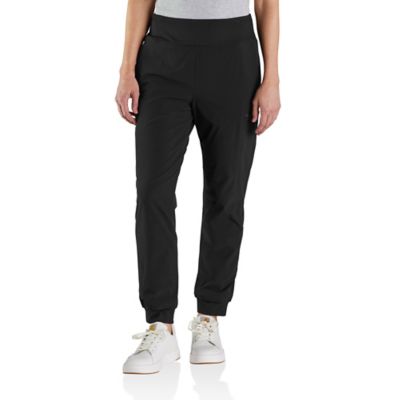
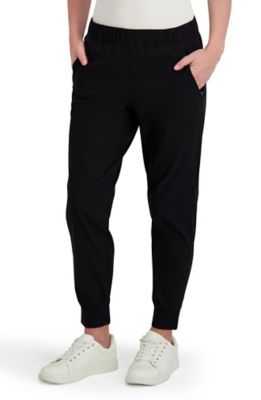
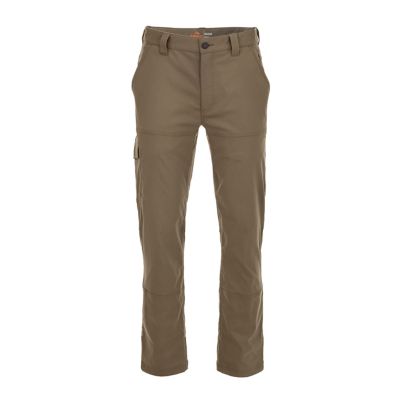
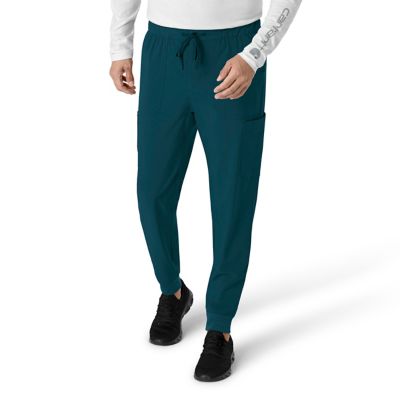
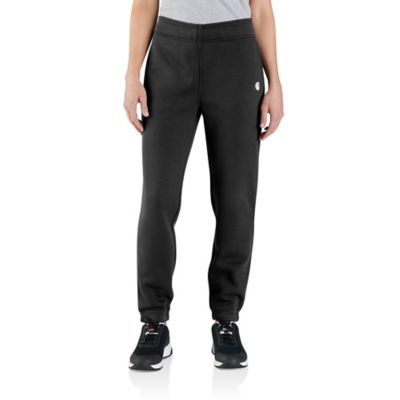
Men's nylon joggers are lightweight, tapered pants that bring together the easy movement of athletic wear and a casual look for everyday wear. They suit walks, workouts, travel and errands, with a shape that leaves room through the seat and thighs before narrowing toward the ankle. Nylon fibers offer strength without much weight, making these pants a practical choice for men who spend plenty of time on their feet or move between the truck, town and home throughout the day. The feel depends on more than the fiber name, though. A thin, smooth woven fabric can slide easily beneath a longer shirt, while a more substantial weave may provide extra coverage and structure. Nylon blended with spandex or elastane adds stretch for bending, climbing steps and sitting through a long drive. The amount of stretch and the way the fabric returns to shape both affect how the pants feel after hours of movement. Breathability also varies with the weave, fabric weight and construction; nylon alone does not guarantee an airy feel or moisture-wicking performance. Mesh pocket bags, ventilation panels and fabrics designed to move moisture can make a difference during active wear. Some nylon joggers have a water-repellent finish that helps small splashes bead on the surface, but that feature does not make the pants waterproof. These distinctions matter when the same pair might go from a morning walk to a feed-store stop and an afternoon spent catching up around the house. A smooth face fabric can give joggers a tidier appearance than traditional fleece sweatpants, while a matte finish keeps the look understated. Black, gray and earth-tone pants pair easily with a plain T-shirt, a polo or an untucked button-front shirt. The result is an easygoing option for days that call for more movement than stiff pants allow, without looking like a pair of gym shorts.
Fit has a lot to do with whether nylon joggers become an everyday favorite or stay in the drawer. A waistband should sit securely without digging in when seated, and an adjustable drawstring can help fine-tune the fit without a belt. Elastic provides give, but it should not have to stretch to its limit just to feel snug. Through the seat and thighs, enough room to take a full stride or crouch beside a low shelf is more useful than an overly close fit. Stretch fabric helps, but it cannot fully make up for a cut that pulls across the hips or catches at the knees. A gusseted crotch or shaped knee construction can provide additional freedom of movement when those features are part of the design. Inseam length matters, too: joggers generally look and feel best when the hem rests near the ankle rather than gathering in several folds above the shoe. Ribbed cuffs hold the opening close, elastic hems create a gathered finish, and less fitted ankle openings can offer a straighter appearance. Men with fuller calves may prefer a gentler taper that does not grip the lower leg. Footwear changes the feel of the outfit as well, so the ankle opening should work comfortably with the sneakers or low-profile shoes worn most often. Pocket placement deserves a little attention before a long day away from home. Deep front pockets can hold everyday essentials, while zippered openings offer extra security for keys or a wallet when getting in and out of a truck. A phone pocket should keep its contents from swinging against the leg with every step; loading lightweight pants with heavy tools can pull the waistband down and strain pocket seams. For walking routes that extend beyond the pavement,
Men's Hiking Joggers provide another category to consider, with fit and construction worth comparing to the demands of the trail. As a gift, nylon joggers make sense for a dad, brother or partner who favors casual, active clothing; a familiar waist measurement, inseam and preferred fit are better starting points than guessing from height alone.
Keeping nylon joggers in good shape starts with the care label, especially when stretch fibers, surface finishes or several fabric types are involved. Many can go in the washing machine, but water settings and drying directions vary. Turning the pants inside out, fastening zippers and emptying pockets before washing can help limit snags and keep grit from rubbing against the fabric. A forgotten screw, fence staple or key ring can do more harm in the wash than an ordinary day of wear. Separating lightweight joggers from garments with exposed hooks or rough hardware is another sensible step. Mild detergent is generally a straightforward choice, while bleach and fabric softener should stay out of the routine unless the label permits them. Softener can interfere with some moisture-management treatments, and excessive dryer heat can affect stretch fibers or finishes. Air-drying or a permitted low-heat setting can help preserve the fit, with the care instructions taking priority over habit. Long-term wear also depends on matching the pants to the task. A tightly woven nylon fabric may stand up well to everyday rubbing, but fabric weight, seam construction and reinforcement all influence how it handles repeated contact. Pocket corners, the crotch seam and the inside of the cuffs are worth checking for loose stitching or early wear. Lightweight joggers are a comfortable option for exercise, travel and ordinary chores, not a substitute for protective workwear around welding sparks, open flame or tasks that require designated safety clothing. Synthetic fabric can melt when exposed to intense heat. For less demanding days, the appeal is simple: room to move, little extra weight and a waistband that stays comfortable from a walk down the lane to the ride home. A pair that fits well at the waist, clears the shoes and carries a few essentials without sagging can earn a steady place in an everyday clothing rotation.