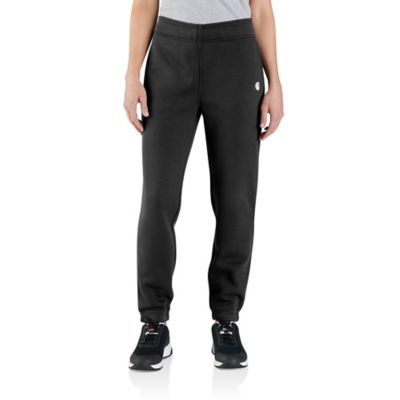
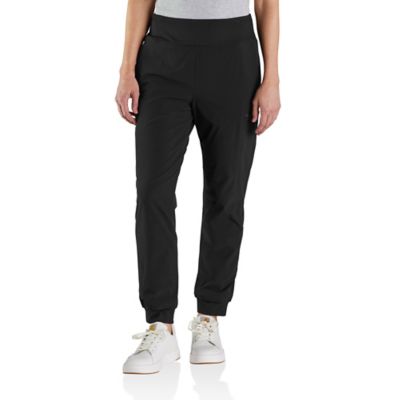
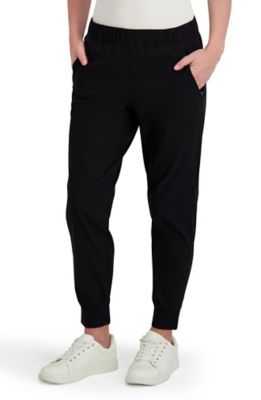
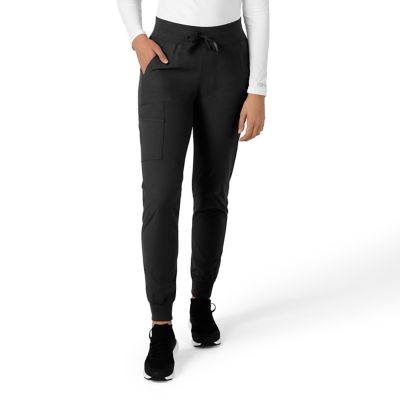
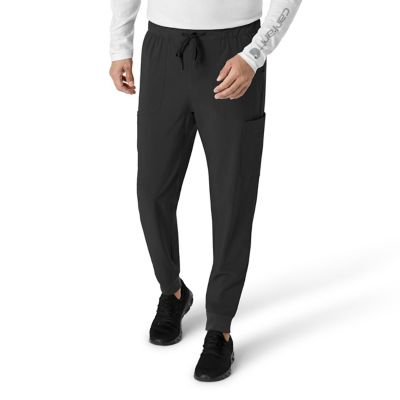
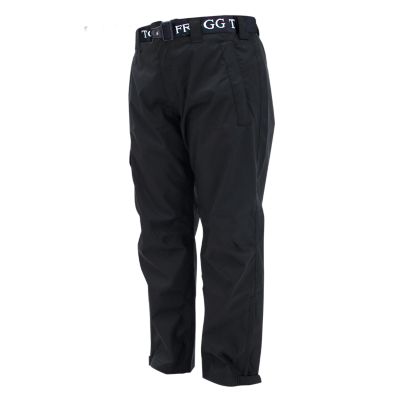
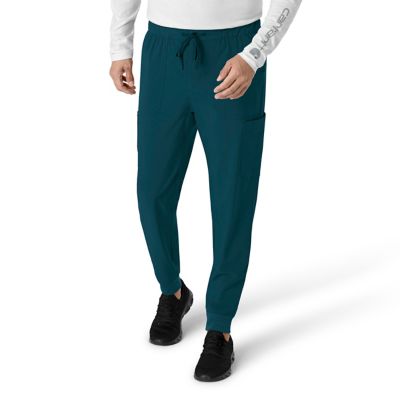
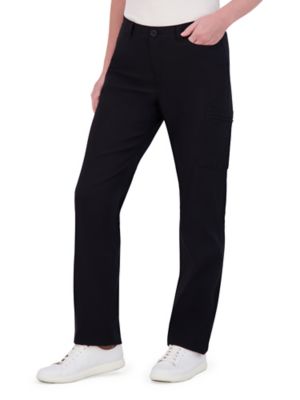
Women's petite jogger pants bring together a shorter leg length, a tapered shape and an easygoing fit for everyday wear. Petite sizing generally serves women around 5 feet 4 inches and under, but height is only part of the fit. Two women of the same height can need different inseams depending on their leg and torso proportions. A petite cut may also adjust the rise and knee placement, helping the pants sit as intended rather than simply taking length off the bottom. That distinction matters with joggers because the ankle cuff sets the shape of the whole leg. A cuff that rests near the ankle gives the taper room to show, while extra fabric piled above it can make the pants feel baggy or get in the way of footwear. The best inseam depends on both body measurements and the intended look: an ankle-skimming fit feels different from a slightly cropped one. For a useful comparison, the inseam of a well-fitting pair of pants provides a better starting point than the size letter alone. Size charts also help separate petite proportions from smaller waist sizes; petite does not mean slim, and a smaller regular size may fit too tightly without solving the length problem. Through the hips and thighs, joggers should leave enough room for sitting in the truck, bending to tie a shoe or settling onto the porch without pulling at the seams. A high-rise waistband sits farther up the torso, while a mid-rise fit rests lower, and either can work depending on personal preference. Wide elastic can spread pressure across the waist, and an adjustable drawstring allows small changes in fit. The waistband should stay put without rolling, pinching or needing a tug every few steps. Ankle openings matter, too: snug cuffs hold the hem in place, while a little extra give makes pulling the pants over the heel easier. Together, those details help petite joggers feel proportioned from waist to ankle, not just shorter.
Fabric gives women's petite joggers much of their character. Cotton-rich jersey often has a soft, familiar feel with natural breathability, making it a comfortable choice for downtime, errands and easy movement around the house. French terry has small loops on the inside and a bit more substance than a thin T-shirt knit. Fleece-backed fabric has a brushed inner surface and a fuller feel, while smooth woven fabrics tend to look less like sweatpants. Polyester can help fabric dry faster than comparable all-cotton material, and nylon blends often offer a smooth surface with resistance to everyday rubbing. A little elastane or spandex adds stretch, though the knit or weave also affects how freely the pants move. Fabric that stretches comfortably and returns to shape is helpful when a day includes repeated sitting, walking and bending. Weight and opacity deserve attention as well. A substantial knit can offer more coverage across the seat and thighs, but thickness alone does not determine how well pants will hold their shape. Smooth seams, even stitching and secure pocket openings contribute to how they handle regular wear. For everyday carrying space,
women's joggers with pockets put another practical detail in the picture. Pocket depth, placement and closure affect whether a phone stays settled during a walk or presses against the hip in a seat. Zippered pockets can help keep small belongings contained, while open side pockets allow quick access. A heavy key ring may pull on lightweight fabric, so pocket construction matters as much as pocket count. For walking the dog, heading to town or tackling light chores, freedom through the knees and seat can make more difference than a close-fitting silhouette. Joggers suit those everyday jobs well, but ordinary lounge and active fabrics are not a replacement for protective workwear when a task calls for it. Their main appeal is easy movement without a loose hem dragging underfoot.
Regular care helps petite jogger pants keep their fit, especially when the original inseam leaves little room for shrinkage. The garment's care label takes priority because cotton knits, stretch blends and woven performance fabrics can need different treatment. Hot washing and high dryer heat may shrink some cotton fabrics, while repeated high heat can weaken elastic fibers over time. A cool wash and a lower-heat drying method, when permitted by the label, can be gentler on both the waistband and the fabric. Turning pants inside out can reduce surface rubbing in the wash, and keeping them away from rough hook-and-loop fasteners helps limit snags. Closed zippers and emptied pockets also keep laundry from taking an unnecessary beating. Fabric softener is not right for every material, particularly fabrics with moisture-management finishes, so label directions matter there as well. Pilling can develop where knit fabric rubs together, such as between the thighs or against a seat; that surface change does not necessarily mean the pants no longer have wear left in them. Consistent care and avoiding an overloaded washer can help reduce friction. Day to day, petite joggers pair easily with a plain tee, a flannel shirt or a relaxed sweatshirt without needing much fuss. A shorter top or a loose front tuck can keep the waistband visible and the overall shape balanced, while low-profile sneakers let the tapered ankle remain clear. For long rides, a flat drawstring and smoothly finished waistband can feel more comfortable beneath a seat belt than bulky knots or thick seams. At home, softer fabric and a roomier leg may matter most; for errands, a smoother surface and pockets that lie flat can give the same easy fit a more pulled-together look. As a gift, joggers are easiest to get right when the recipient's preferred rise, inseam and usual size are known. Those everyday preferences help turn a simple pair of pants into something that earns a regular place in the laundry basket.