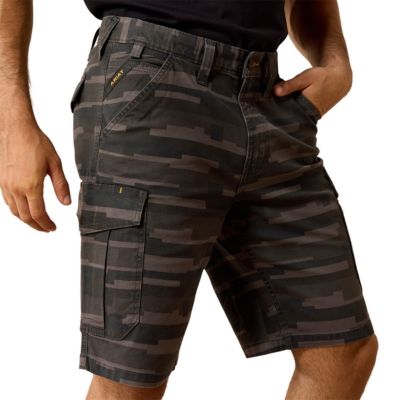
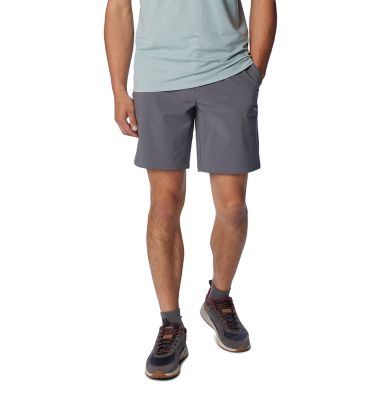
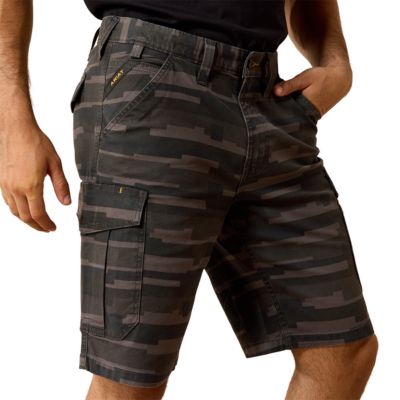
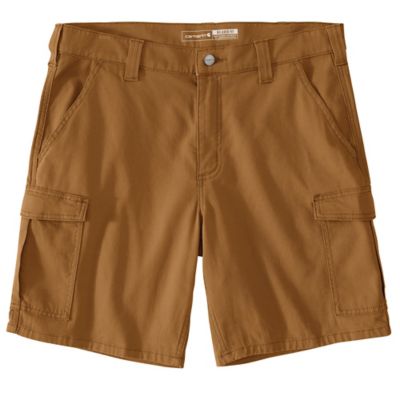
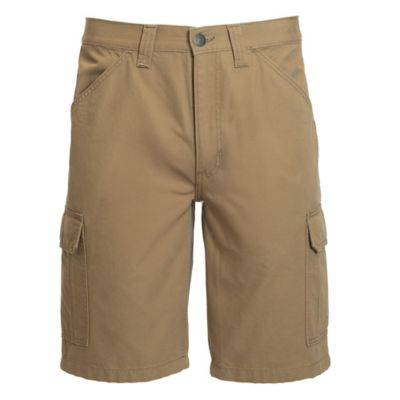
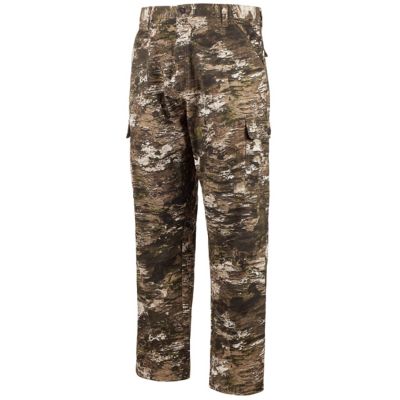
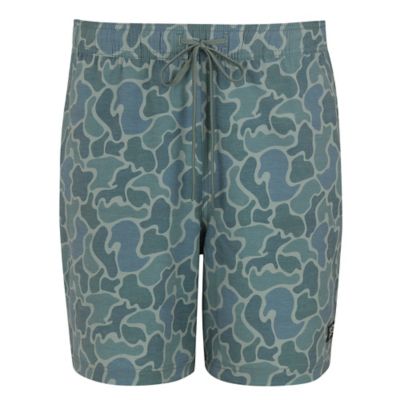
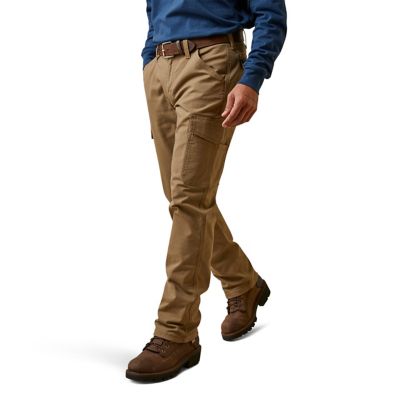
Men's nylon cargo shorts pair lightweight synthetic fabric with extra storage for everyday errands, time outdoors, and light chores around the place. The cargo pockets distinguish them from basic shorts, giving a phone, folded shopping list, or pair of work gloves somewhere to ride without crowding the front pockets. Nylon is known for its strength relative to its weight and its resistance to abrasion, though fabric thickness, weave, stitching, and construction all affect how a pair holds up. A lighter weave feels less substantial and packs down easily, while a denser fabric can offer more structure across the seat and legs. Ripstop nylon has a reinforced grid intended to help limit the spread of small tears; it is not tearproof, but that construction can be useful around rough surfaces. Some shorts contain nylon alone, while others blend it with elastane or another stretch fiber to allow more give when bending, reaching, or stepping over a low obstacle. Nylon also takes on less moisture than cotton and can dry relatively quickly, depending on the fabric and garment construction. That can make a difference after a splash at the boat ramp or a damp seat along the trail. Water resistance, sun protection, and moisture-management features are separate details, not promises that come with every nylon garment. A listed UPF rating or water-repellent finish applies to the shorts carrying that feature, rather than the whole category. Fabric feel matters, too: some nylon has a smooth, crisp hand, while other weaves feel softer or more textured. Those differences influence how the shorts move, how much they rustle, and whether they feel more like casual clothing or outdoor gear. Color and finish round out the look, from muted shades that pair easily with a work shirt to sportier styles suited to a T-shirt and walking shoes. For men who prefer practical clothing without much fuss, the appeal is straightforward: less weight to carry around and more places to put everyday essentials.
Fit makes a noticeable difference in men's nylon cargo shorts, especially once the pockets have something in them. A relaxed cut leaves room through the seat and thighs, while a straighter cut keeps the legs closer to the body without necessarily feeling snug. Stretch fabric can add flexibility, but it does not make up for a waistband that digs in or a rise that pulls when sitting. The rise, which is the distance between the crotch seam and waistband, affects where shorts sit and how they feel during a long drive or a few hours on foot. Inseam length changes coverage and freedom of movement as well. A shorter inseam leaves more of the leg clear, while a longer cut brings the hem closer to the knee; the same measurement can land differently depending on height and body proportions. Room at the leg opening helps keep the hem from catching when climbing steps or crouching beside a planter. Waist construction adds another point of difference. A fixed waistband with belt loops offers a familiar fit and a place for a belt, while elastic sections or a drawstring allow some adjustment without one. Button, snap, and zipper closures each have a different feel, particularly when sitting or carrying something at the waist. Cargo-pocket placement deserves attention because a large pocket that hangs too low can bump against the knee when loaded. Flap pockets help cover their contents, and snap, hook-and-loop, or zipper closures provide different ways to keep small belongings contained. An open pocket is convenient for frequent access, but it offers less security when leaning over or sitting down. Pocket count alone tells only part of the story: usable depth, opening width, and placement matter just as much. A phone that sits flat against the thigh is generally less distracting than one that swings with every step. Reinforced pocket edges, secure seams, and neatly finished stitching also matter in areas that take repeated pulling and rubbing.
Nylon cargo shorts suit a range of routines, from walking a campground loop and checking the garden to packing for a road trip with plenty of stops along the way. Their light weight makes them easy to tuck into a travel bag, and the extra pockets can keep frequently reached-for belongings close without requiring a separate bag for every short outing. For longer walks and uneven ground,
Mens Hiking Cargo Shorts offer a related category centered on time on the trail. Features such as a gusseted crotch, shaped seams, or stretch panels can support a longer stride, though their presence varies by style. Whatever the outing, shorts leave the lower legs exposed and do not replace protective clothing for brush clearing, welding, or jobs involving flying debris. Cargo pockets are handy storage, not a substitute for a proper tool pouch when carrying sharp or heavy equipment. Keeping the load reasonable also helps prevent sagging and reduces strain on pocket seams. Care is usually straightforward, but the garment label sets the rules for washing and drying. Nylon and stretch blends can be sensitive to high heat, and special finishes may call for additional care. Empty pockets before washing so grit, loose screws, and forgotten pens do not travel through the load. Closing zippers and fastening pocket tabs can help limit snagging against other clothing. Dirt caught along seams and pocket folds deserves attention before it becomes ground in, while harsh treatment can be harder on the fabric than an ordinary day's wear. Drying methods should follow the label, with particular attention to any limits on dryer heat or ironing. For gifting, a familiar waist size is a starting point, but preferred inseam, room through the thighs, and waistband style make the choice more personal. A man who reaches for cargo pockets every day may appreciate secure storage, while someone who walks farther may care more about a light feel and unrestricted movement. Those everyday habits help narrow the choice to shorts that fit comfortably and earn a regular place in the clothing rotation.