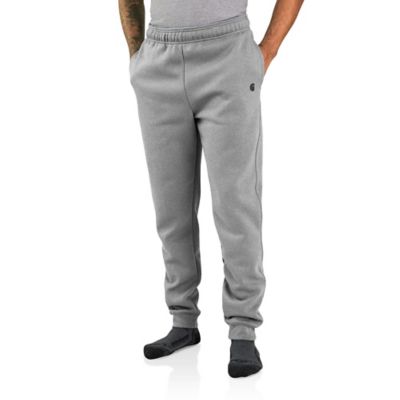
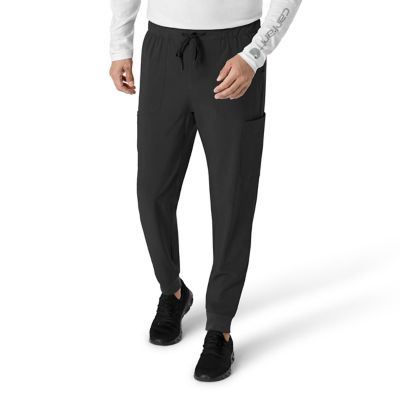
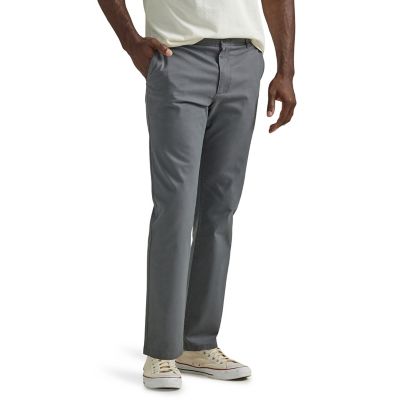
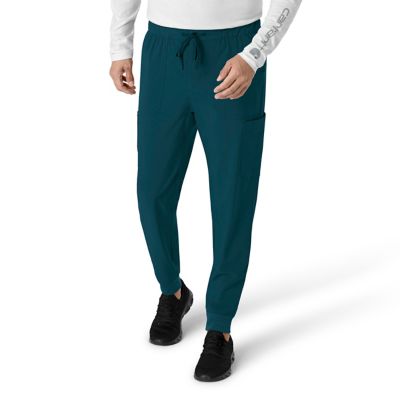
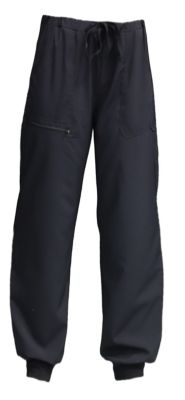
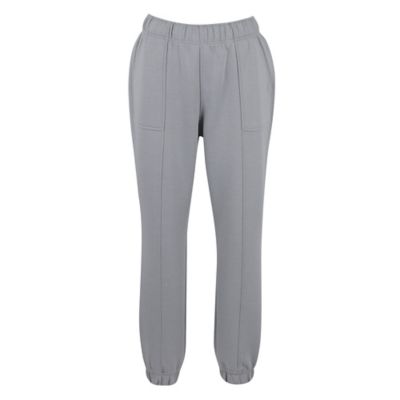
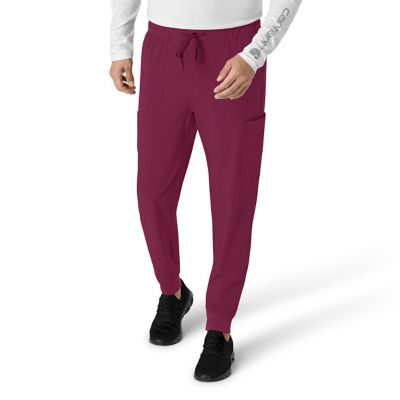
Comfortable joggers bring together the easy feel of sweatpants and a tapered shape that works for more than a quiet evening on the couch. A soft waistband, room through the seat and thighs, and cuffs that sit comfortably at the ankles make them a practical choice for everyday wear, whether the day starts with coffee on the porch or a walk down the lane. Fabric makes a big difference in how that comfort feels. Cotton-rich knits tend to feel soft against the skin, while polyester blends often dry faster and help garments hold their shape. A little spandex adds stretch for bending, reaching, and settling into a truck seat without fabric pulling across the knees. Fleece joggers have a brushed inner surface that traps warmth, making them a welcome layer during the cooler months or in a chilly house. French terry has small loops on the inside rather than a fluffy lining, giving it a different feel that can suit days when heavy fleece would be too warm. Lightweight jersey offers a softer drape and less weight for lounging, walking, or wearing indoors with the heat running. Fabric construction and thickness matter as much as the fiber name: two cotton-blend pairs can feel quite different if one is a substantial fleece and the other is a thin knit. For exercise or a brisk walk that builds up a sweat, moisture-wicking fabric can help move perspiration away from the skin, though that feature should be stated in the garment details rather than assumed from appearance. The most comfortable joggers balance softness, freedom of movement, and warmth suited to the setting. A thick, cozy pair may feel just right for reading beside the window but heavier than necessary for a long stretch on a treadmill. Having the fabric match the day’s pace helps joggers feel comfortable beyond those first few minutes after getting dressed.
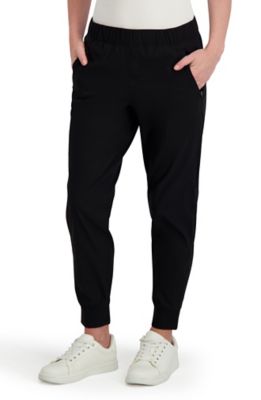
Fit is where an easygoing pair of joggers earns its place in the weekly rotation. The waistband should stay put without digging in when sitting, and an adjustable drawstring gives some flexibility over a tucked-in shirt or a thin base layer. A wide elastic waistband can spread pressure over a larger area, while a flat drawcord may feel less noticeable beneath another layer. Neither feature makes up for a fit that is too tight through the hips. Enough room in the seat and thighs allows a natural stride, and a gradual taper keeps the lower leg from feeling as loose as traditional straight-leg sweatpants. Slim joggers follow the leg more closely; relaxed fits leave more breathing room without necessarily adding extra length. The rise matters, too, especially for anyone who prefers a waistband at the natural waist rather than lower on the hips. Inseam measurements are worth checking because ankle cuffs can make an overly long pair bunch above shoes, while a shorter cut may leave a gap above socks in cool weather. Cuffs should rest against the ankle without squeezing, and the knees should have enough give for climbing stairs or crouching to tie a boot. Pockets add everyday convenience, but their depth, placement, and closures affect how useful they feel. A shallow pocket may hold a small key while standing yet let it slide out when sitting. Deeper pockets or zippered openings can help keep small belongings contained on a walk, although a heavy phone can pull on lightweight fabric.
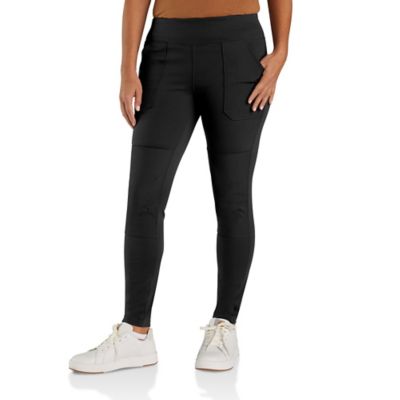
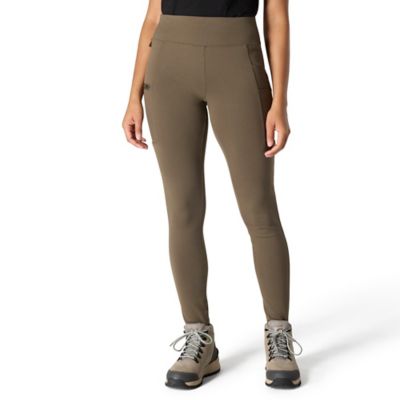
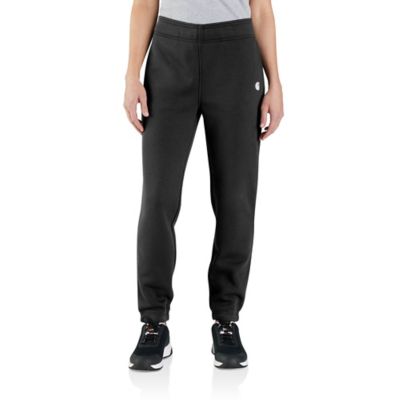
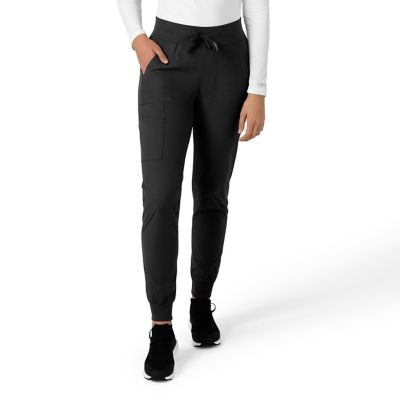
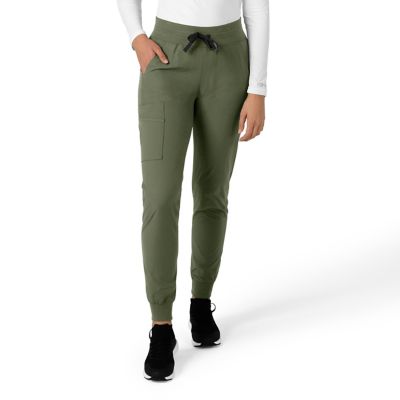
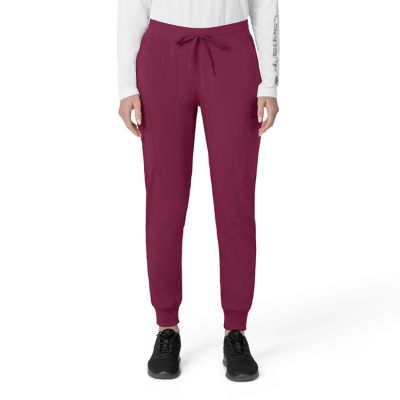
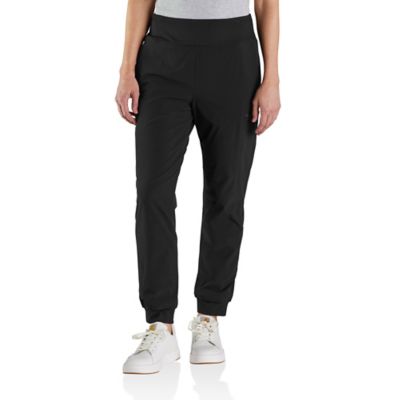
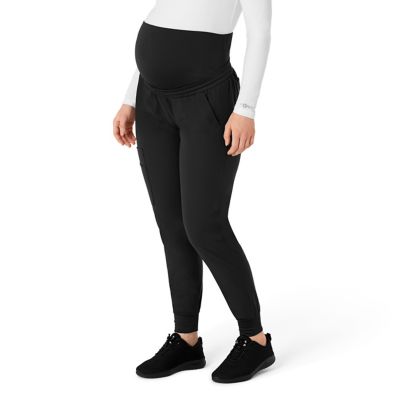
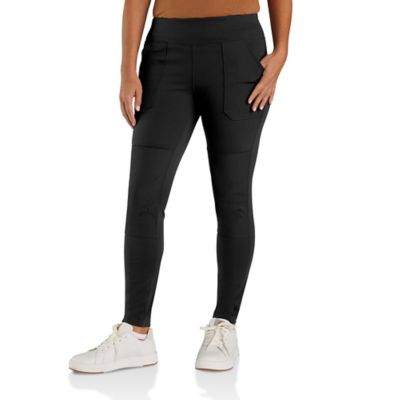
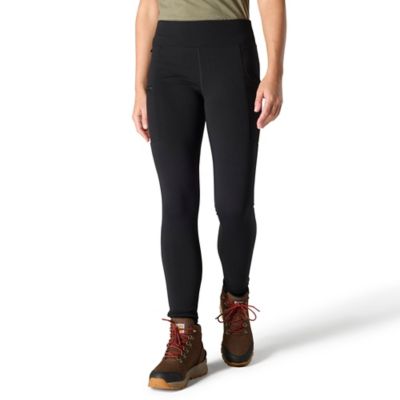
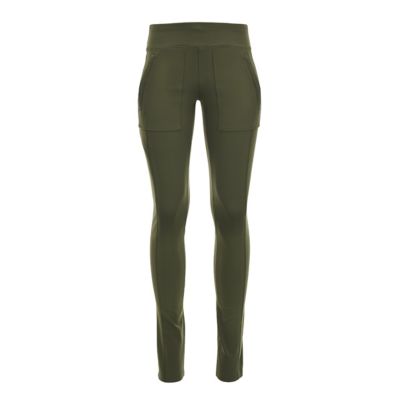
Women's Joggers With Pockets bring that practical detail into an easy everyday silhouette. For any fit, a size chart with waist and hip measurements is more helpful than choosing by a familiar letter alone. A comfortable fit leaves room to move without needing constant waistband adjustments or tugging at the legs.
Joggers suit the in-between parts of a busy day: getting breakfast on the table, heading into town, taking the dog around the yard, or changing out of stiff work clothes after the chores are finished. A lighter pair fits comfortably beneath a roomy sweatshirt for errands, while a warmer fleece pair can take the chill out of an evening spent watching a ballgame at home. Smooth outer fabrics tend to slide beneath a jacket more easily, and less bulky cuffs fit neatly with sneakers or casual shoes. Joggers can handle light everyday activity, but soft knit pants are not a substitute for protective workwear around sparks, sharp brush, or demanding jobsite conditions. Their strength is comfort during downtime and movement that does not call for specialized protection. For frequent wear, reinforced pocket openings, secure seams, and waistbands that recover after stretching are worth attention. High-friction areas such as the inner thighs and seat may show wear sooner, particularly in softer fabrics, and some knits develop pills where surfaces rub together. Care plays a part in how long joggers keep their feel and shape. The care label is the starting point, since cotton, fleece, and performance blends may have different washing and drying needs. When the label permits, washing inside out with similar colors and avoiding excessive dryer heat can help limit surface wear and shrinkage. Fabric softener can interfere with moisture-wicking finishes, so performance fabrics may need a different laundry routine from basic cotton loungewear. Letting joggers dry fully before folding keeps heavier waistbands and cuffs from staying damp. As a gift, joggers can be a thoughtful choice for a college student, a family member who enjoys evening walks, or someone who likes a soft change of clothes after a long shift. Familiar sizing, a preferred waistband height, and the right level of warmth matter more than a passing trend. The pair that feels good through a slow morning, a few errands, and an evening with feet propped up is the one likely to become a regular favorite.