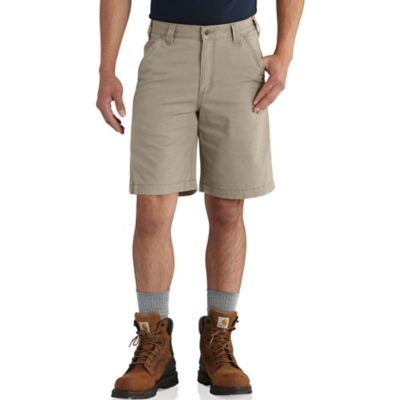
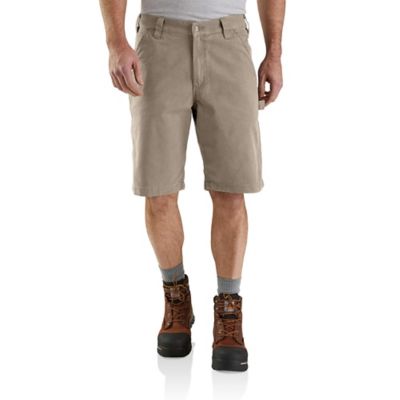
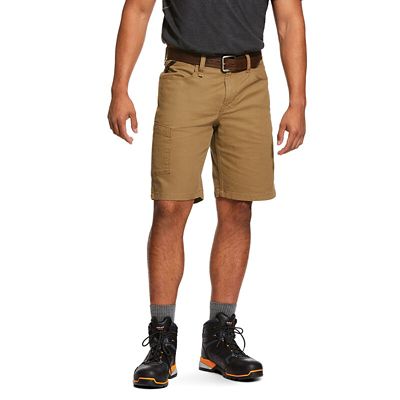
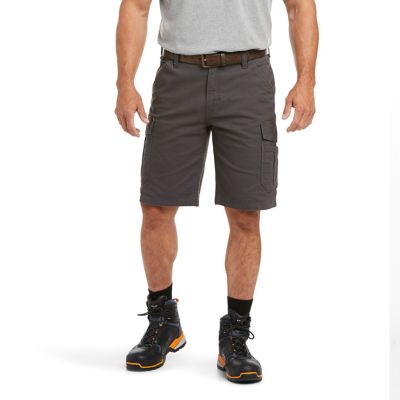
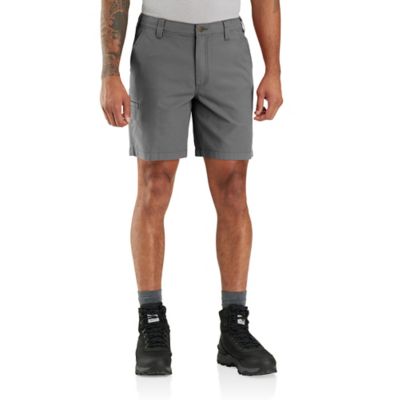
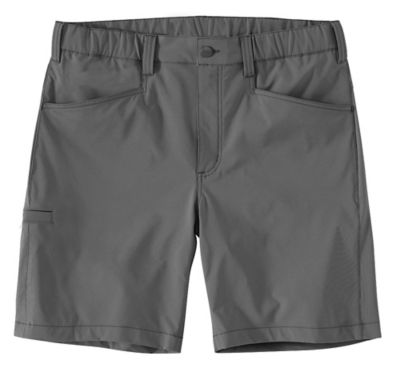
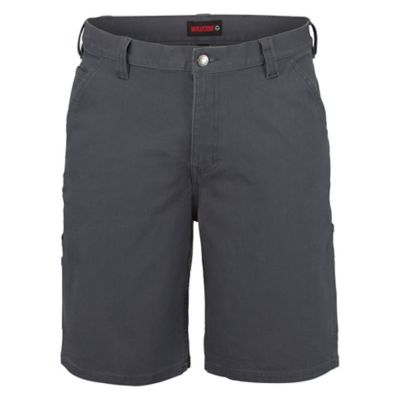
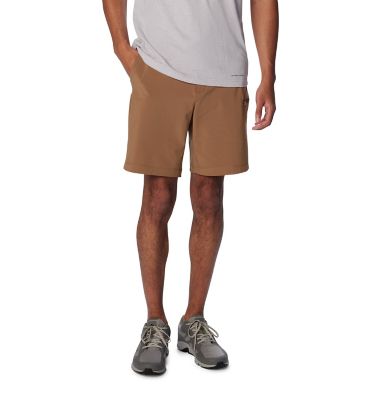
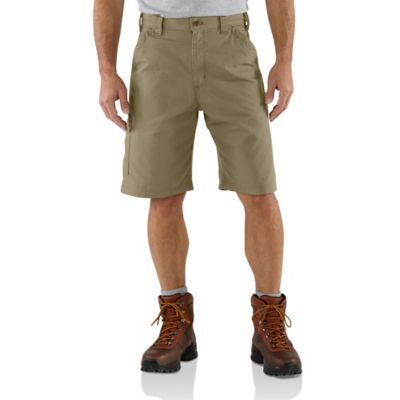
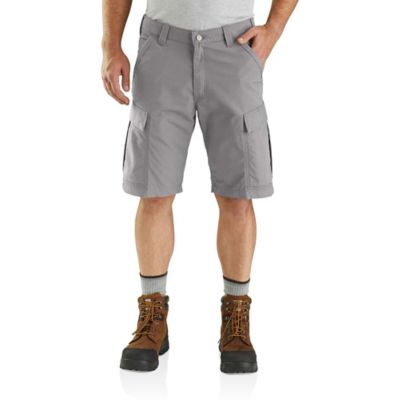
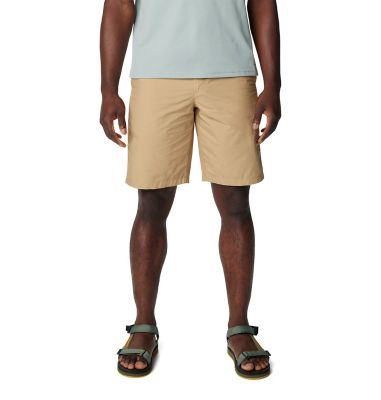
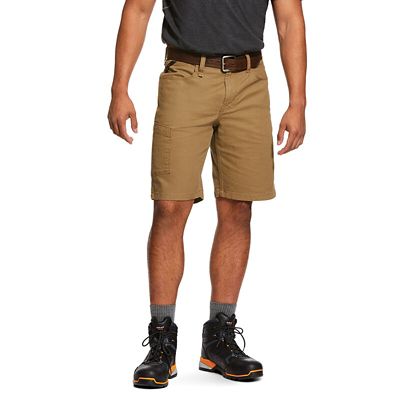
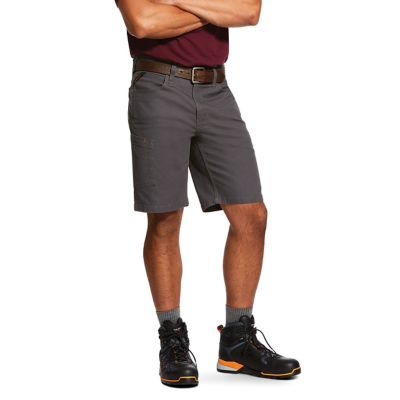
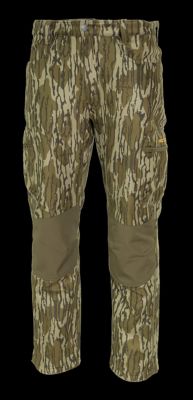
Men’s hiking shorts combine freedom of movement, practical pockets, and fabrics that stand up to time on the trail. Nylon and polyester blends are common choices because they tend to dry faster than cotton and can handle repeated contact with pack straps, rough benches, and the occasional scrape against a rock. Added spandex gives the fabric some stretch, making it easier to climb a steep stretch of trail, step over a fallen branch, or crouch beside a creek without the shorts pulling tight. These features make hiking shorts a useful part of an outfit for walking wooded paths, exploring a state park, or covering a few miles beyond the back pasture. The right fabric depends on how much movement and wear the trip involves. Lightweight woven material packs down easily and feels less bulky during a long walk, while a heavier weave can provide more substance for sitting on uneven ground or moving through open country with scattered brush. Fabric weight alone does not tell the whole story, though; weave, fiber content, and construction all contribute to resistance to snags and abrasion. Ripstop fabrics have a reinforcing grid that helps limit the spread of small tears, although no pair of shorts is immune to sharp branches or rough treatment. Moisture-wicking fabrics help move perspiration away from the skin, while quick-drying materials shed retained moisture sooner after exertion or a splash at a creek crossing. Those features are related, but they are not interchangeable, and drying time still depends on fabric thickness and how wet the shorts get. Cotton-rich blends offer a familiar feel for easy walks and everyday wear, but they generally hold moisture longer than synthetic blends. Four-way stretch allows movement both across and along the fabric, which can be helpful on routes that involve high steps and scrambling. For a man who goes from checking a fence line to walking a trail with the family, hiking shorts offer a practical balance of comfort, movement, and everyday usefulness.
Fit shapes how men’s hiking shorts feel over the course of a walk, especially when the route changes from level ground to rocky climbs. A waistband should sit securely without digging in when seated in a truck, bending to tie a boot, or wearing a backpack with a hip belt. Belt loops provide an option for adjusting the waist, while elastic sections or an integrated adjustment can offer some give as the body moves. A flat waistband and low-profile closures can reduce extra material beneath a pack belt, where thick seams and stacked hardware may create pressure points. Through the seat and thighs, enough room for a full stride matters more than a loose appearance. Excess fabric can catch on branches or bunch between the legs, while a narrow cut may pull across the thighs when stepping onto a rock. A gusseted crotch adds a shaped panel at a high-movement area, helping the shorts accommodate a wider stride without placing all the strain on one seam. Inseam length affects both coverage and mobility: shorter lengths leave more of the thigh uncovered, while longer lengths provide more coverage without extending into full-length pants. The most comfortable choice also depends on leg length and where the hem lands when bending a knee. Pocket placement deserves the same attention. Zippered pockets can help keep keys, cards, and other small essentials from slipping out when sitting down or climbing. Cargo pockets provide room for a folded trail map or a snack, but an overloaded pocket can swing against the leg and pull on the fabric. A phone pocket works best when it holds the device close without pressing into the thigh during a high step. Reinforced pocket edges, firm stitching at belt loops, and neatly finished seams contribute to how well shorts handle repeated wear. Even sturdy hiking shorts leave the lower legs exposed, so routes with dense thorny growth or extensive rough scrambling may call for more coverage.
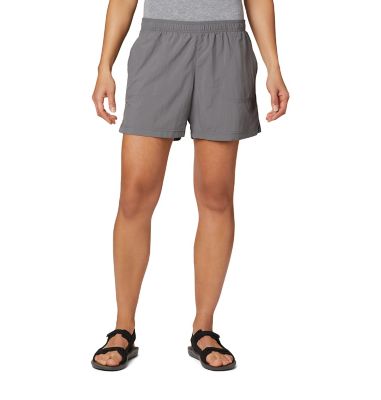
Care helps men’s hiking shorts keep their shape, stretch, and useful fabric features through repeated trips. The care label is the starting point, since fiber blends, waist adjustments, and fabric treatments can have different washing requirements. Emptying pockets before washing keeps trail grit, snack wrappers, and forgotten gear out of the laundry, and fastening zippers helps limit snagging. Dirt caught along pocket openings and hems can rub against the fabric, so brushing off loose soil before laundering makes sense after a dusty walk. Sweat and body oils also deserve regular cleaning rather than repeated wear without washing. Mild detergent and the recommended wash cycle help clean the shorts without unnecessary strain on the fabric. Fabric softeners can interfere with some moisture-management treatments, and high dryer heat can affect stretch fibers or finishes; the garment’s instructions should settle those details. Letting shorts dry fully before packing them away also helps prevent lingering odors. Small maintenance jobs, such as securing a loose button or repairing an opening seam, can keep a minor problem from becoming a bigger one halfway down the trail. Beyond hiking, these shorts can suit campground chores, a walk along the river, or an afternoon spent moving between the yard and a nearby path. They also make a practical gift for a husband, dad, brother, or friend who spends time outdoors, particularly when his waist size, preferred inseam, and usual pocket needs are known. Matching those habits matters more than choosing the most technical-looking pair. A man who carries only keys may prefer a simple pocket layout, while someone who keeps a map and small essentials close at hand may appreciate additional secure storage. For a hiking partner putting together a trail outfit,
Womens Quick Dry Hiking Shorts provide another option to consider. Comfortable movement, sensible storage, and manageable care are what make a pair easy to reach for, whether the outing is a short loop near home or a full day following trail markers.