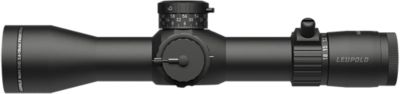
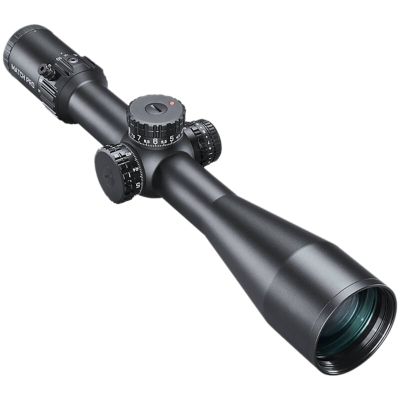
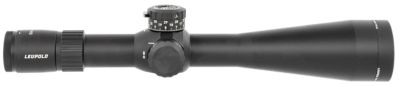
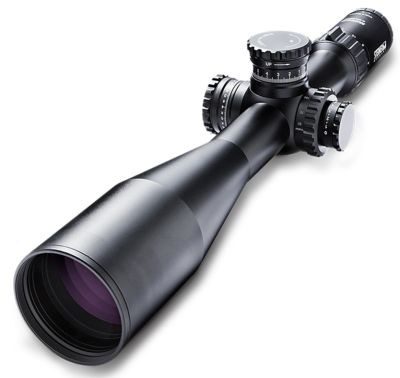
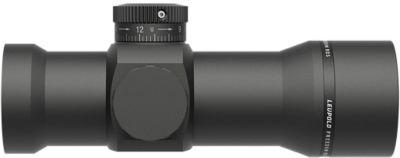
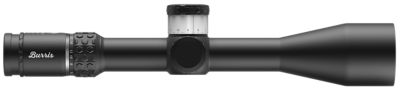
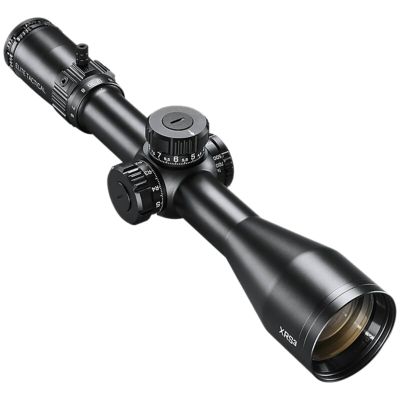
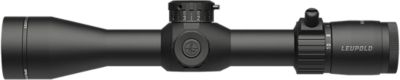
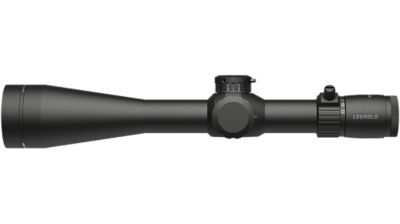
Long range shooting accessories bring together the gear for target observation, shooting support, equipment protection, and a more organized day at the range. Common categories include rangefinders, spotting scopes, binoculars, bipods, tripods, shooting bags, and padded carrying cases. Each serves a different purpose, whether that means viewing a distant target, settling into a comfortable position, or keeping equipment from knocking together on the ride out. For recreational target shooters, club members, and folks taking part in organized shooting sports, the right mix depends on the range layout and how much gear has to travel from the parking area to the firing line. Optics deserve particular attention because magnification alone does not tell the whole story. Binoculars provide two-eye viewing for general observation, while spotting scopes offer a closer look at designated targets from a separate viewing position. Rangefinders measure distance, though their stated capabilities depend on factors such as target size and surface reflectivity. Lens coatings, viewing comfort, focus controls, and the space between the eyepiece and the viewer’s eye all matter when comparing optical equipment. Someone wearing glasses may need a different eyecup arrangement than someone without them, and a viewing session that lasts an afternoon calls for more attention to comfort than a quick glance. Protective lens caps and fitted covers help keep glass away from grit between trips. For rifle-mounted optics and their mounting accessories, compatibility comes first: tube dimensions, mounting interfaces, clearance, and the firearm manufacturer’s specifications all need to match. Similar-looking parts are not necessarily interchangeable. Aluminum components can keep carrying weight down, while steel components may add heft; the better choice depends on the application rather than appearance alone. A setup that fits neatly on a bench may feel cumbersome when carried across a large range. Keeping viewing equipment easy to reach, properly protected, and suited to the intended activity makes more sense than adding accessories simply to fill a bag. Binoculars and spotting scopes also let observers look around without handling a firearm.
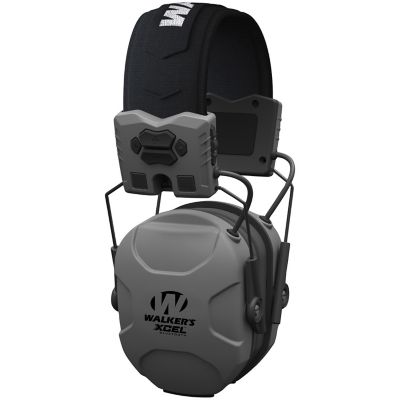
Shooting supports and range comfort gear handle another part of the job: giving equipment and the shooter a suitable place to rest. Bipods attach to compatible equipment, while tripods can support certain optics or shooting platforms through the appropriate mounting interface. Shooting bags provide a softer contact surface and come in shapes intended for different resting positions. Their size, fill material, outer fabric, and closure design affect carrying weight, firmness, and cleanup. A larger filled bag may suit a regular bench setup, but it can be a chore to haul alongside a case, spotting scope, and hearing protection. A more compact support takes up less room, though it may not provide the same contact area. Reinforced seams, tightly woven fabric, and abrasion-resistant panels are worth a look where bags meet rough bench tops or gravel. Closures should keep fill contained, and handles should feel secure when the bag is fully loaded. With adjustable supports, leg adjustment range, folded dimensions, and the location of controls matter just as much as the overall weight. Parts that pinch fingers, interfere with another accessory, or require awkward reaching can make a simple range routine frustrating. Shooting mats add a barrier between the shooter and the ground, with padding that can ease pressure on elbows and knees. Roll-up and folding designs offer different packing options, and a wipe-clean underside can help keep loose dirt out of a vehicle afterward. Eye and hearing protection belong alongside these accessories, not as an afterthought. Protective eyewear should meet the relevant impact-protection standards, and hearing protection needs an appropriate rating and a comfortable fit. Low-profile earmuffs may offer better clearance around some setups, while properly fitted earplugs take little room in a range bag. Fit checks should account for hats and glasses, since anything that breaks an earmuff’s seal can reduce its protection. Follow posted range rules and the protection manufacturer’s directions, including any requirement for both plugs and muffs.
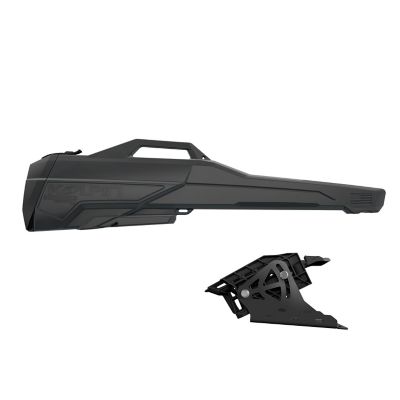
Carrying cases, range bags, and maintenance supplies help protect the investment between trips. A case needs enough interior room for the firearm and attached equipment without putting pressure on lenses, controls, or other projecting parts. Exterior length alone does not establish fit, so interior measurements and the shape of the padding matter. Hard-sided cases provide a rigid shell, while soft-sided cases can be easier to carry and tuck into a storage space. Neither style replaces secure storage or the need to follow transport laws and range requirements. Latches, zippers, handles, and shoulder straps should suit the weight being carried, and separate compartments help keep small metal parts from rubbing against optical glass. A range bag with a light-colored lining can make a lens cloth or spare battery easier to find without emptying everything onto the bench. For shooters who keep records, notebooks and protective document sleeves provide a place for equipment details, range rules, and session notes. Chronographs measure projectile speed, while compatible electronic accessories may offer data storage or display functions; those features vary, so device specifications and range policies deserve a look before selection. Care supplies should match the materials they will touch. Lens-cleaning products need to be intended for coated optics, and fabric or foam care should follow the maker’s directions. Let damp cases and bags dry fully before storage, clear grit from closures, and inspect straps and seams for wear. Batteries also deserve regular checks, especially in gear that sits packed between outings. For a gift, general-purpose range organization or protective gear can be a better fit than a mounting component that requires exact equipment details, though personal fit still matters for eye and hearing protection. Anyone who also enjoys air-powered target practice can explore
Airgun Accessories, keeping each setup’s compatibility requirements separate. The most practical collection is one that fits the equipment, travels comfortably, and makes packing up at the end of a range day straightforward.