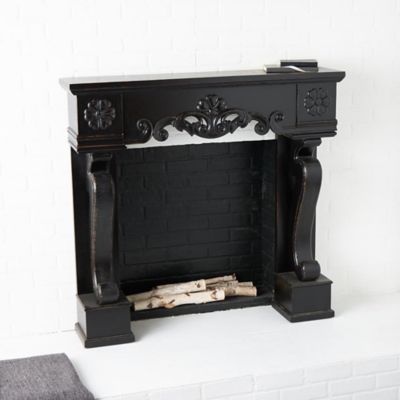
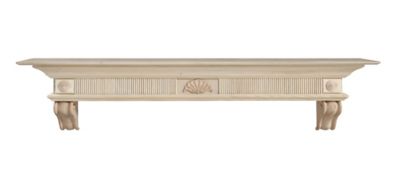
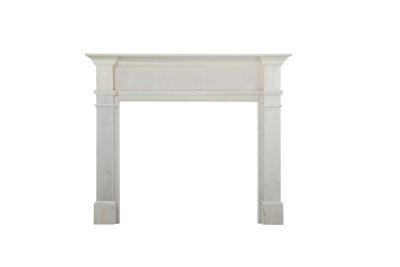
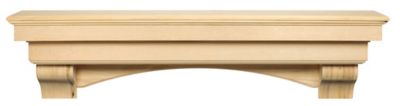
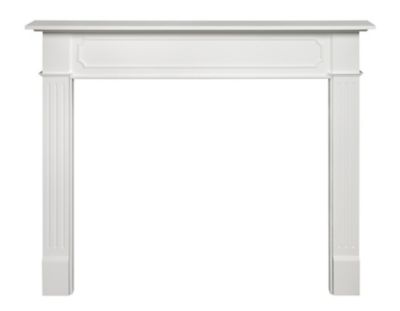
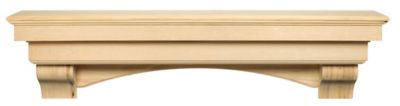
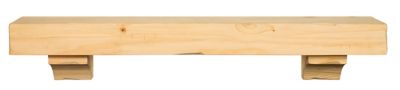
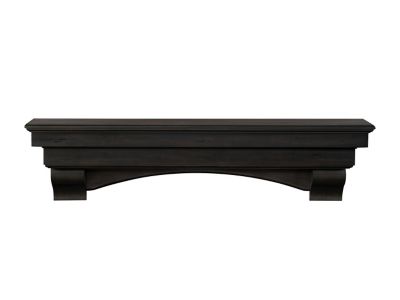
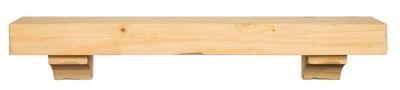
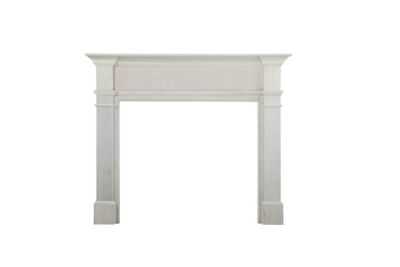
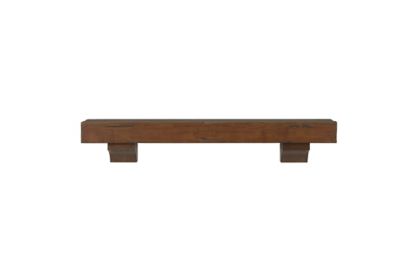
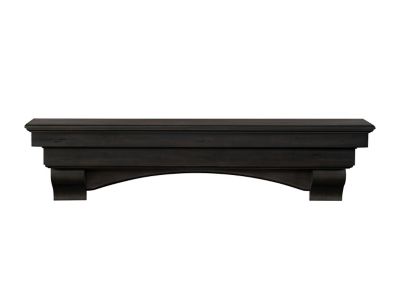
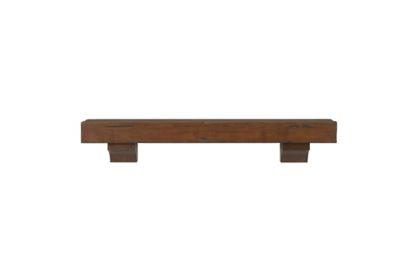
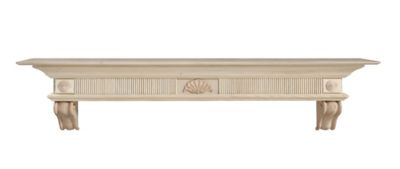
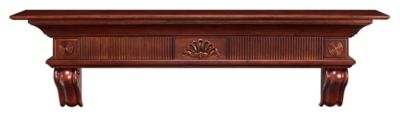
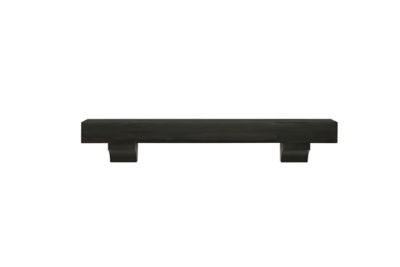
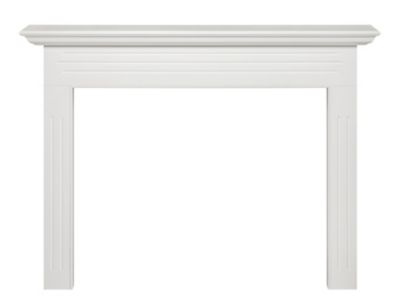
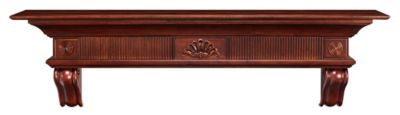
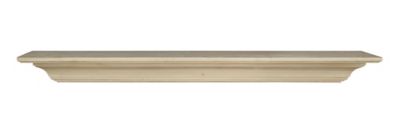
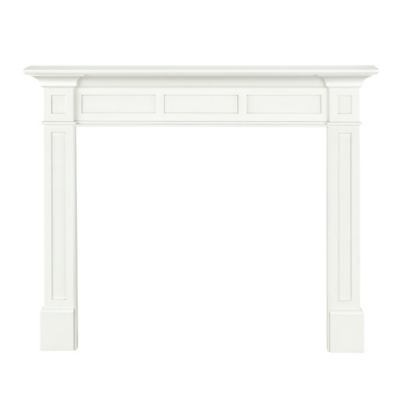
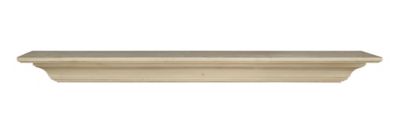
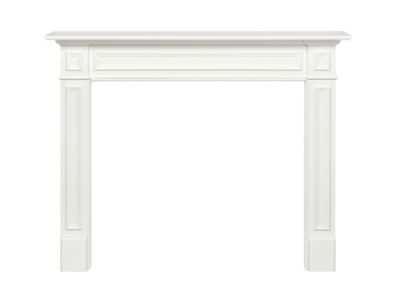
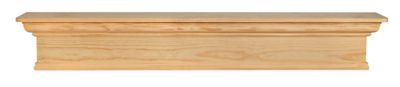
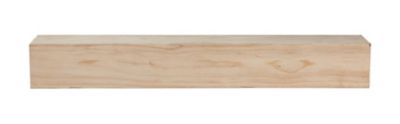
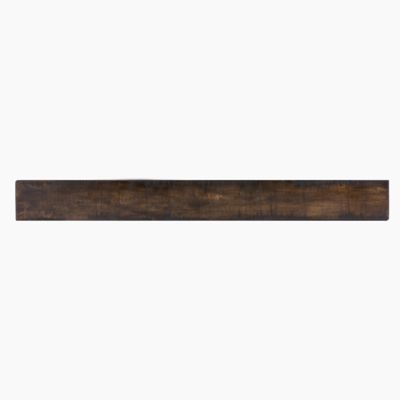
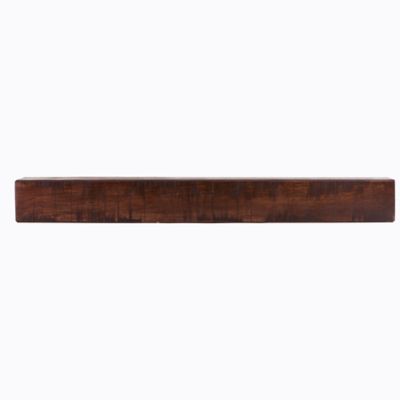
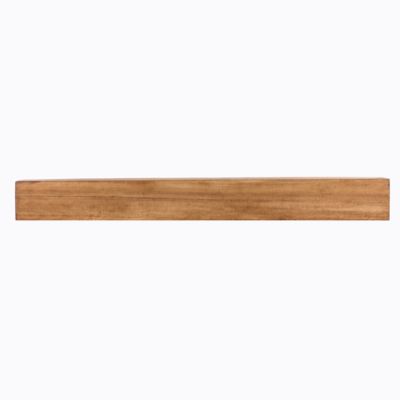
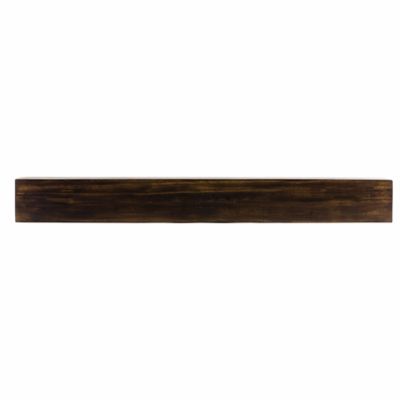
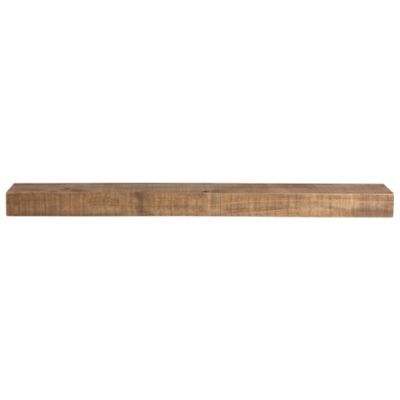
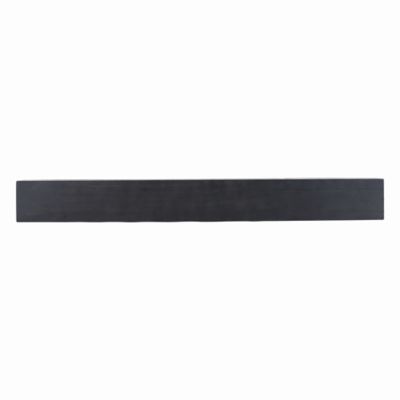
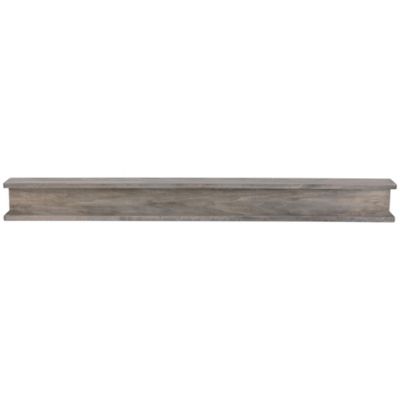
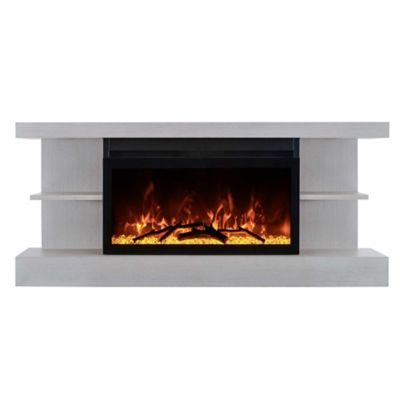
Living room fireplace mantels give the hearth a finished look and create a natural gathering spot, whether the room holds a deep sofa and a pair of reading chairs or a well-loved rocker beside a bookcase. A mantel shelf provides a ledge above the fireplace, while a full mantel surround frames the opening with a top shelf and vertical side pieces. Both bring definition to a wall that might otherwise feel bare, and each offers a place for family photographs, pottery, and other personal touches. The best fit comes down to the fireplace construction, the scale of the room, and how much presence the mantel should have. A thick, beam-style shelf looks right at home against fieldstone or brick, especially alongside substantial furniture and wood floors. A slimmer shelf with straight edges can settle into a smaller living room without making the fireplace wall feel crowded. Paneled legs, shaped edges, and layered trim give a full surround a more formal appearance, while simple lines keep the focus on the firebox and the material around it. Living room fireplace mantels do not need to match every wood tone in the room. A finish that shares the warm or cool undertones of nearby flooring, cabinets, or furniture can pull the space together without making everything look alike. Width, thickness, and projection all affect that balance: a broad shelf may suit a wide masonry hearth, but the same proportions can overwhelm a narrow wall between windows. There is no single overhang measurement that works for every fireplace. The shelf should look balanced with the opening and surrounding wall while meeting the fireplace’s installation requirements. For households where the living room doubles as a gathering place for neighbors, homework, and quiet evenings with a book, a mantel can provide a steady focal point without taking up extra floor space. It also gives a room character without calling for a complete change of furniture.
Material makes a noticeable difference in a mantel’s appearance, weight, upkeep, and ability to handle everyday wear. Solid wood shows natural grain variation, knots, and color changes that can give a farmhouse living room an easy, lived-in feel. Depending on the species and construction, it can also be quite heavy, and natural movement may occur as indoor humidity changes. A hollow wood beam can offer a substantial profile with less weight than a comparable solid beam, though its mounting method and load rating still matter. Engineered wood and wood veneer constructions offer other ways to achieve a painted or wood-grain finish; their suitability near a fireplace depends on the exact material and the manufacturer’s specifications. Stone and cast stone bring a different feel, with substantial shapes and surfaces that work well around masonry openings. Their weight often calls for additional support and professional installation. Metal can provide a crisp outline, but its ability to conduct heat deserves attention wherever people might touch it. No mantel material should be treated as permission to skip fireplace clearance requirements. Safe spacing depends on the appliance or fireplace design, the mantel’s combustibility, how far the shelf projects, and applicable building codes. A deeper shelf can require more clearance than a shallow one, and a measurement that suits one fireplace may be unsuitable for another. The fireplace manufacturer’s instructions, mantel installation requirements, and local code should establish the layout rather than a general rule of thumb. Existing brick, stone veneer, drywall, and framing also call for different fastening methods; the visible wall finish alone does not establish whether it can support the load. Households considering a shelf without side legs can compare
Wall Mounted Fireplace Mantels for that particular format. A wall-mounted shelf still needs suitable structural attachment, hardware matched to the wall assembly, and enough load capacity for both the mantel and anything placed on it. Those details matter just as much as the finish when the goal is a fireplace wall that feels settled and well put together.
Day-to-day use helps narrow the choice between a shallow display ledge and a deeper mantel shelf. A narrow surface may be plenty for a few framed photographs, while larger objects need enough room for their bases to sit fully supported, away from the front edge. The shelf’s listed weight limit applies to the full display, not just its heaviest piece, and it should never serve as a seat, step, or climbing surface. In homes with children or curious pets, stable placement and secure attachment deserve extra attention. A tall frame perched loosely above the hearth can be a poor fit for a busy room, even when it looks good from the sofa. Artwork and mirrors mounted independently to the wall can reduce the number of objects resting on the shelf, provided their placement and attachment are suitable for the fireplace area. Televisions above a mantel require separate consideration of the fireplace’s heat output, the electronics manufacturer’s limits, and a comfortable viewing height; a mantel does not automatically act as a heat shield. For an uncluttered display, one larger piece paired with a few smaller objects often gives the eye somewhere to rest. Leaving some open shelf space lets the wood grain, stone texture, or trim profile remain part of the room. Care should suit the surface rather than follow one routine for every material. A soft cloth is often enough for regular dusting, while cleaning products should follow the finish manufacturer’s recommendations. Excess moisture, abrasive pads, and harsh cleaners can harm some wood finishes and stone surfaces. Drinks and plant containers need protection underneath to help prevent rings, staining, or water damage, and porous stone may require a recommended sealer. Shelves with deeply textured faces or layered trim offer visual interest but have more places for dust to settle than smooth, simple profiles. For a home refresh or a carefully planned housewarming gift, fireplace dimensions, finish preferences, and installation needs are worth settling before choosing a mantel. A thoughtful match feels like part of the house, with room for the family’s own story on top.