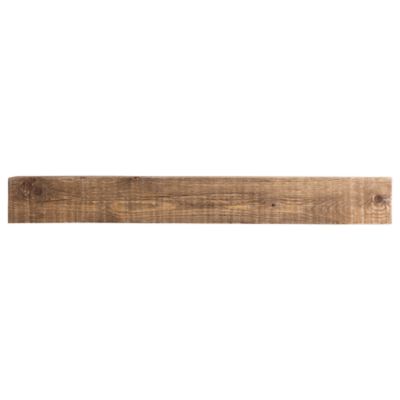
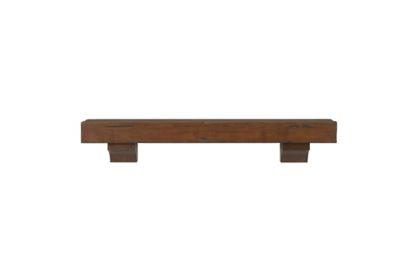
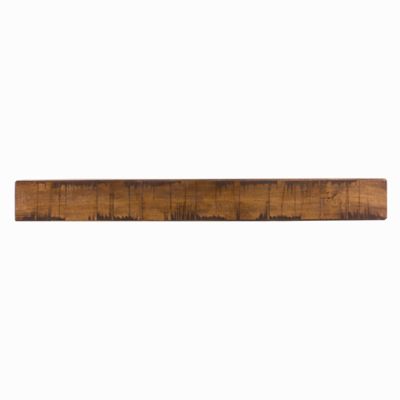
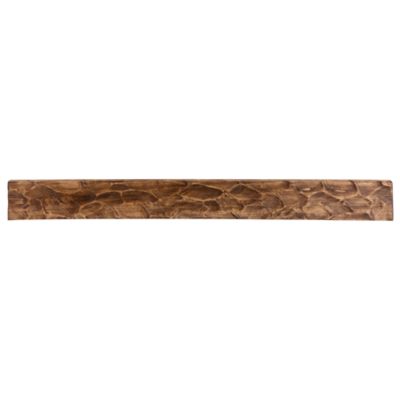
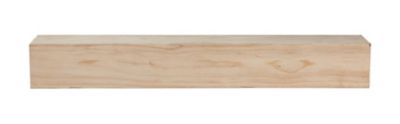
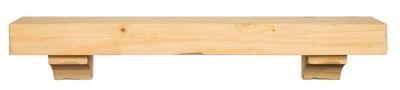
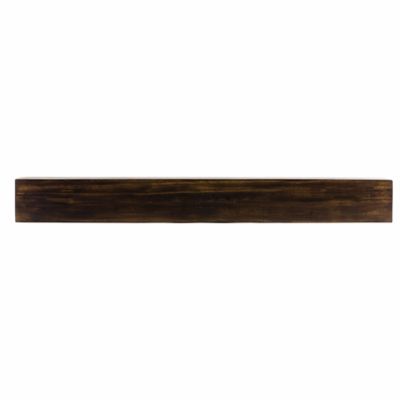
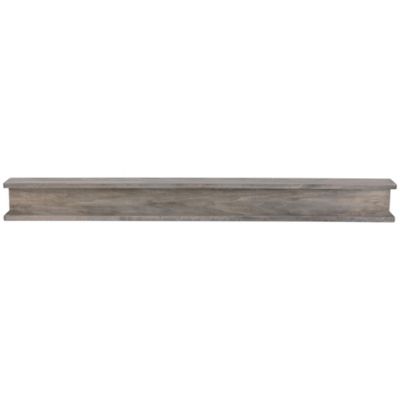
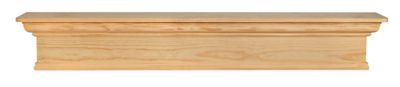
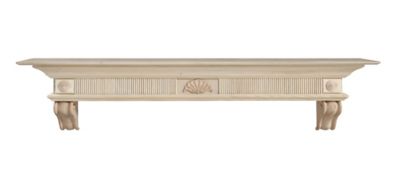
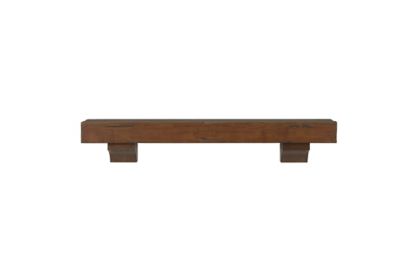
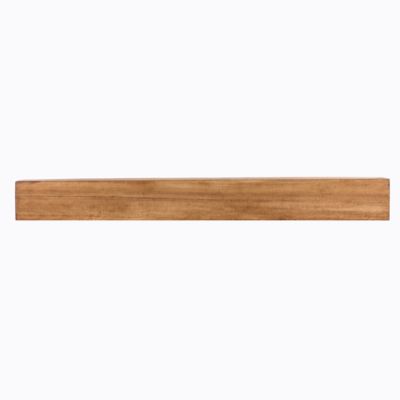
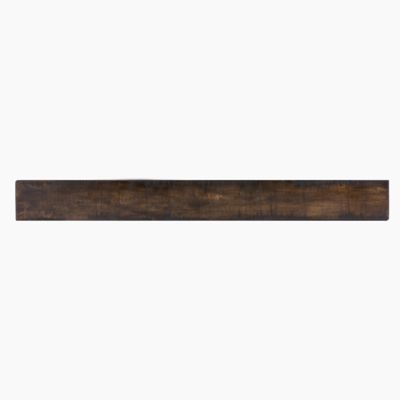
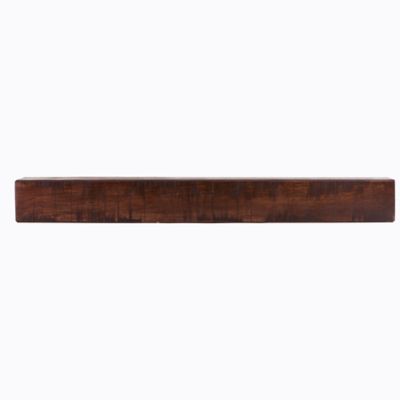
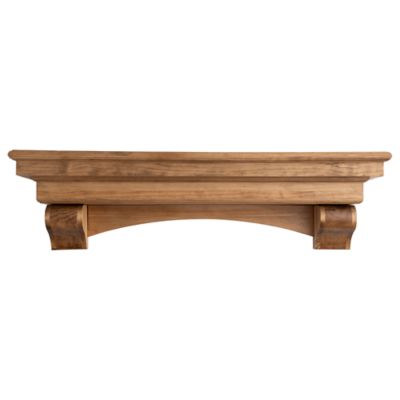
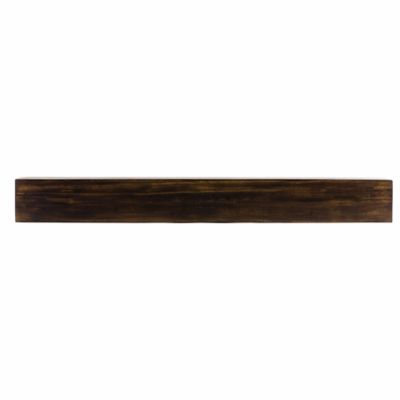
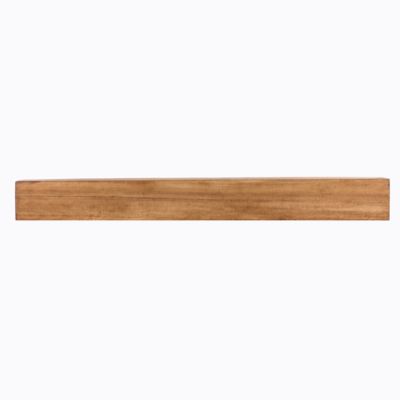
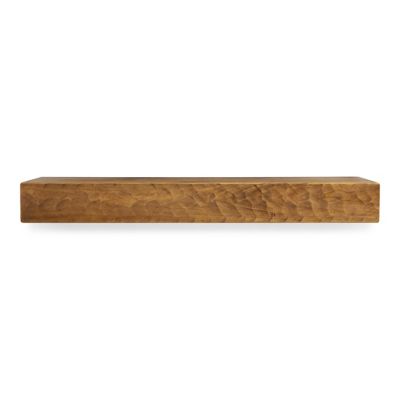
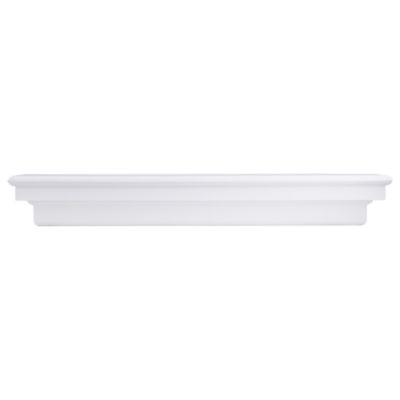
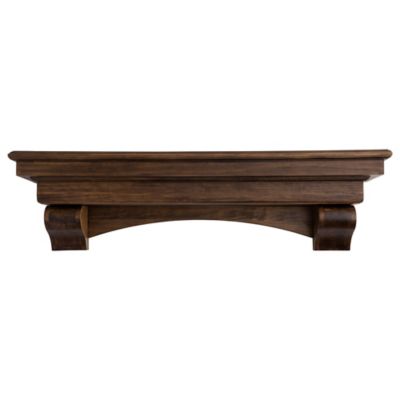
Real wood fireplace mantels bring warmth, texture, and a strong sense of place to a room. A mantel shelf can frame the hearth in a farmhouse, cabin, workshop, or family room, while a full surround can give the fireplace a finished look from floor to ceiling. Wood also brings natural variation that painted or manufactured materials cannot fully mimic. Grain lines, knots, saw marks, small checks, and shifts in tone help each piece feel connected to the outdoors. Reclaimed beams and hand-hewn timbers may show the marks of earlier work, including broad tool strokes and weathered areas that tell a story without overpowering the room. A floating shelf offers a cleaner profile, with the wood slab mounted above the firebox for a simple, open appearance. Live-edge mantels keep the tree’s natural outer curve along one side, adding an organic line that works well with stone, brick, plaster, or plain painted walls. Full surrounds include the shelf and side legs, creating a more traditional frame that can suit a country home, lodge-style space, or formal sitting room. Common wood choices include oak, walnut, cedar, pine, and other solid lumber, each bringing its own grain pattern, color, weight, and character. Oak often has a pronounced grain and a steady, familiar look; walnut tends toward deeper brown tones; cedar can bring a lighter color and a woodsy scent; and pine may show knots and a softer, more relaxed character. When browsing real wood fireplace mantels, consider how the shelf will relate to the hearth, flooring, wall color, and nearby furnishings. A thick beam can hold its own above rough stone, while a slimmer shelf may fit better in a smaller room or above a compact fireplace. Measure the wall width, opening, depth, and mounting area before ordering, and account for trim, tile, stone, legs, brackets, and any uneven surface. The shelf should have enough depth for the look you want without crowding the room or extending too far into a walking path. For a more natural appearance, look for grain direction and edge details that complement the surrounding materials rather than matching every surface exactly. A mantel can also serve as a thoughtful housewarming gift for someone settling into a new home, especially when the fireplace is the gathering spot for family meals, coffee, card games, and quiet evenings.
Installation details matter just as much as appearance. Wood mantels can be heavy, particularly when made from a thick beam or broad solid slab, so the wall structure and mounting hardware need to support the load. Stud placement, masonry condition, bracket size, and the mantel’s depth all affect the installation plan. A floating shelf usually calls for a secure cleat or heavy-duty bracket system hidden behind the wood, while a full surround may attach to the wall in several places. On brick or stone, the fasteners and anchors must be suited to the masonry. On drywall, the mounting method should connect with wall studs or another approved structural support rather than relying on the wall surface alone. Keep the mantel and anything placed on it within the clearances listed by the fireplace maker and local building requirements. Wood should be kept at the proper distance from an open flame, hot stove, gas burner, or heating vent, and a mantel installed above an electric fireplace still needs to follow the appliance instructions. If the fireplace is being added or changed, a qualified installer can help confirm venting, heat protection, hearth requirements, and the right position for the shelf. This is especially important in older homes, where walls may not be square and hidden wiring, pipes, or masonry can affect the work. Before installation, let the wood adjust to the indoor setting as directed by the seller or installer, since temperature and humidity shifts can affect solid lumber. Once mounted, protect the surface from standing water, hot objects, candle wax, and items that may scratch the finish. A soft cloth and the care method recommended for the wood are generally the best starting points. Wood naturally changes over time as it responds to the home’s air, so small shifts in color or texture can be part of its character. Keeping the room at a fairly steady indoor climate may help limit large swings, particularly during the cooler months when heating systems lower indoor humidity.
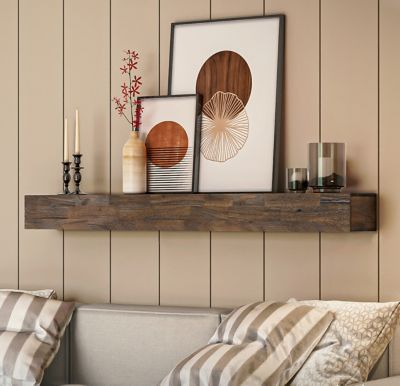
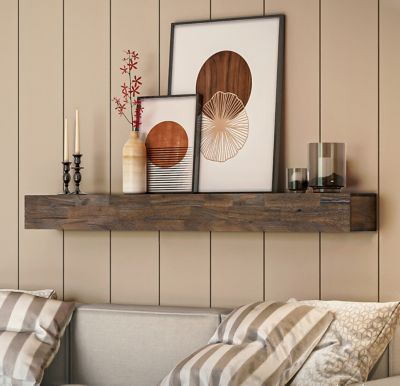
A real wood fireplace mantel can become the visual anchor of a room without making the space feel stiff. Leave some of the shelf open so the grain and edge remain easy to see, then add only a few pieces that make sense for the household, such as a framed family photo, a small plant, a set of candlesticks, or a simple seasonal accent. Keep every item well away from heat and secure anything that could tip, especially in homes with children or pets. In a rural home, a broad timber shelf may sit naturally beside leather seating, woven baskets, wool throws, and fieldstone, while a smooth slab can bring warmth to a cleaner room with painted walls and simple furniture. A live-edge piece can soften straight lines in a modern space, and a hand-hewn beam can reinforce the sturdy feel of a cabin or barn-style interior. Reclaimed wood may include old nail holes, color changes, knots, cracks, and saw marks; these details are expected parts of the material, not flaws to hide. Ask about the wood species, moisture condition, shelf dimensions, mounting method, and recommended clearances before making a selection. It is also worth checking whether the mantel is intended for an open fireplace, a gas unit, an electric insert, or a stove, since heat output and installation requirements vary. For homes where the fireplace sees regular use, choose a surface and finish that fit the amount of care you are comfortable providing. For a rarely lit fireplace, appearance and proportion may carry more weight than heat exposure. Shoppers looking for a simpler shelf profile can also browse
Rustic Fireplace Mantel Shelves for additional shapes and wood-forward styles. Whether the goal is to finish a renovation, bring character to a new build, or give a new homeowner a lasting feature for the living room, the right mantel should feel at home with the house. During the cooler months, it becomes the place where stockings, family photos, and everyday keepsakes gather, while the wood itself adds a steady, welcoming touch through every season.