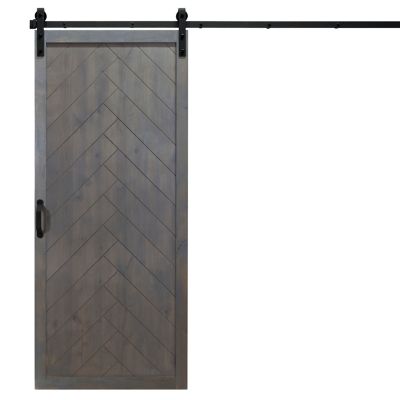
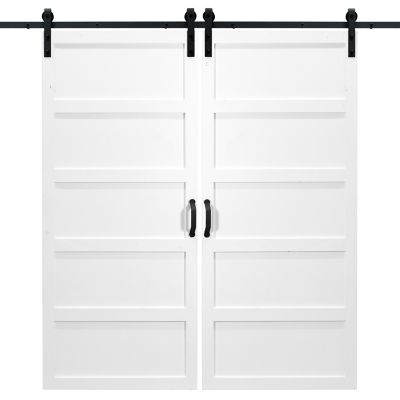
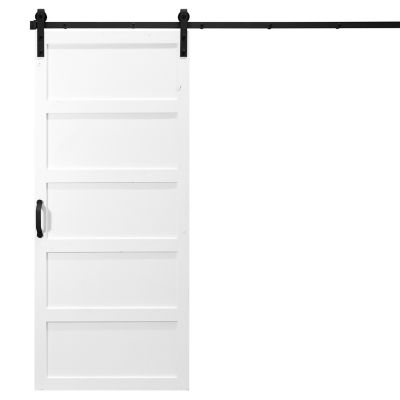
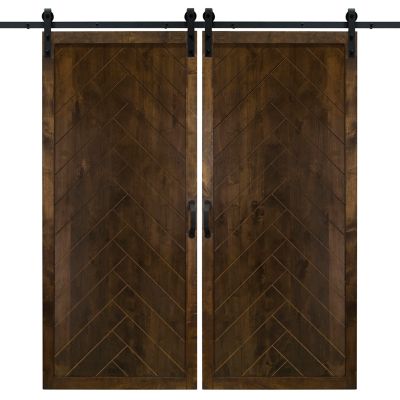
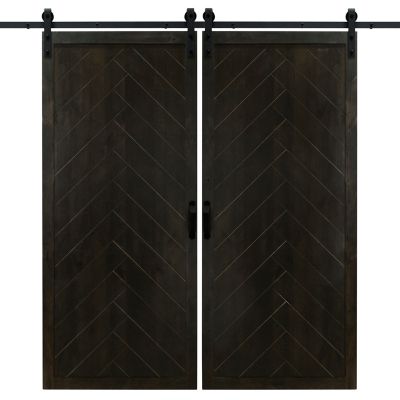
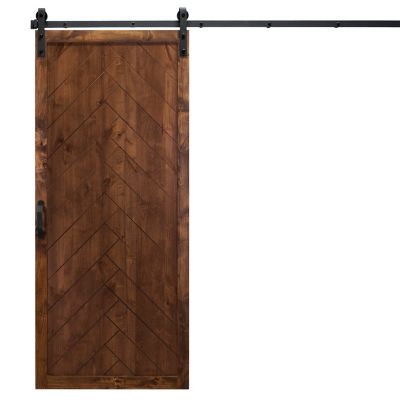
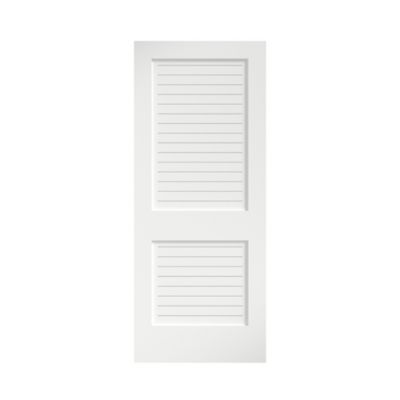
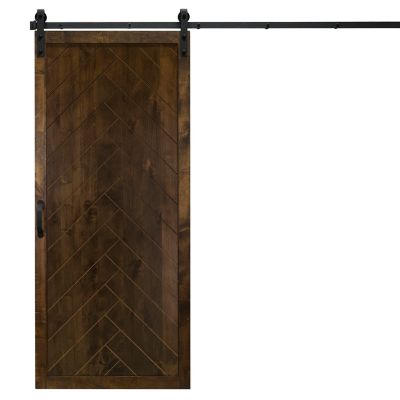
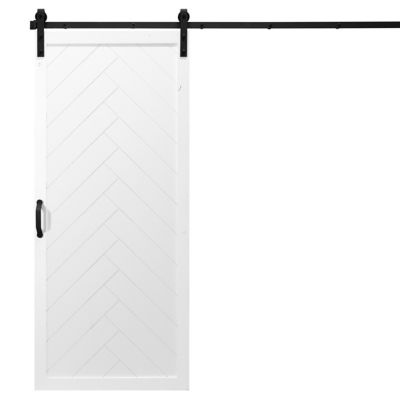
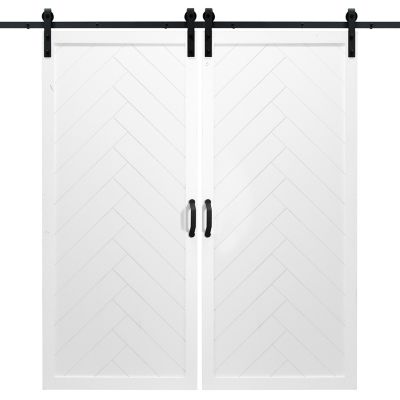
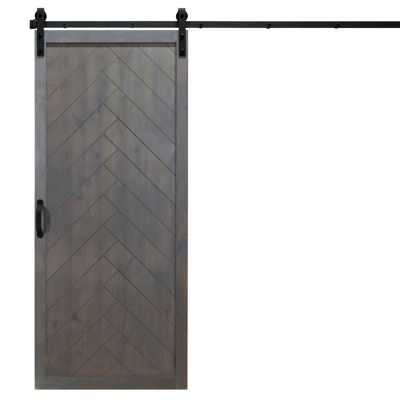
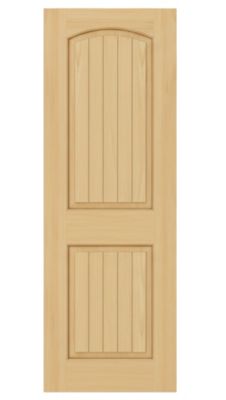
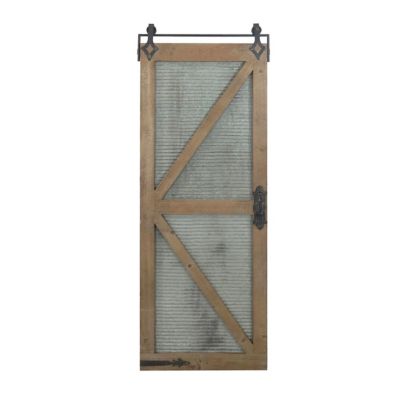
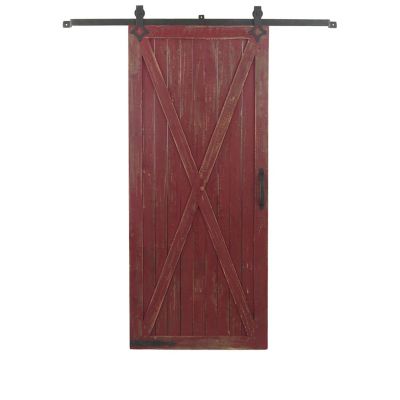
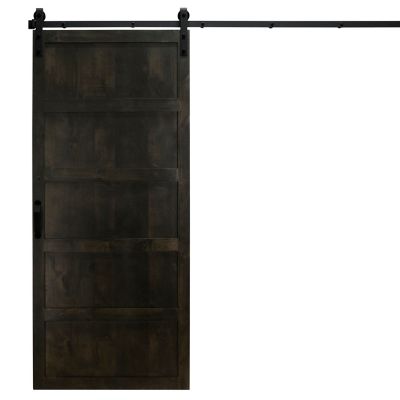
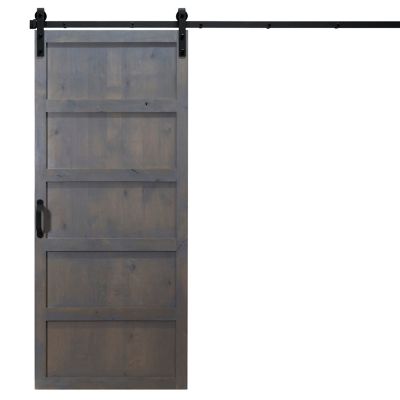
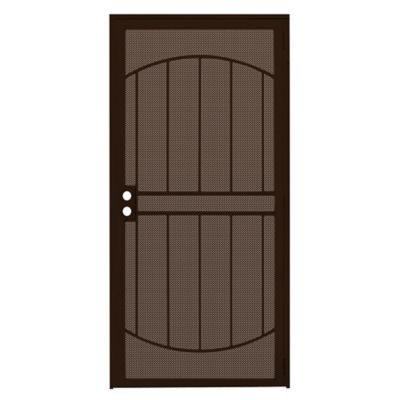
Living room doors can do more than close off a room. They help shape the way a home feels, whether you want a little more privacy for a quiet evening, a barrier between the living room and a busy hallway, or a finished look that ties the whole house together. A traditional raised-panel door, such as a four-panel or six-panel style, fits comfortably in many homes and pairs well with wood trim, farmhouse details, and classic furniture. Simple slab doors with clean lines suit modern spaces, while glass-paneled or double-door designs can help carry natural light between rooms. Some homeowners choose doors for a formal sitting room, home office, guest room, or play area, while others use them to soften sound from televisions, pets, or everyday household activity. During the cooler months, an interior door can also help separate warmer living spaces from less-used rooms and make a home feel a bit cozier. When comparing options, look at the door’s material, core construction, size, swing direction, and overall design instead of focusing on appearance alone. Wood, engineered wood, metal, and composite materials each bring different levels of durability, weight, upkeep, and style. A smooth surface is easy to wipe down, while a molded or raised-panel design adds depth and character but may need a little more care around its edges and grooves.
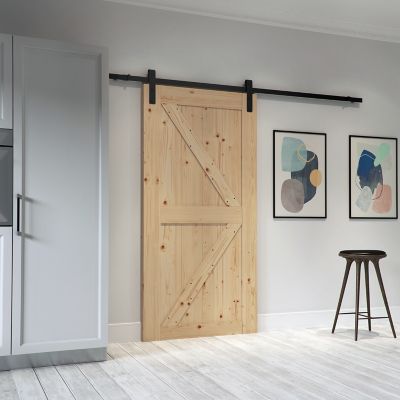
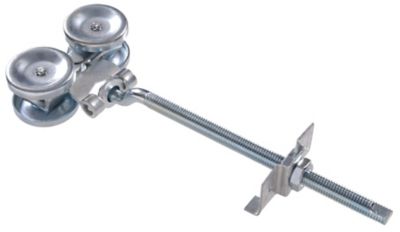
The core of an interior door affects how it feels to use and how well it helps with privacy and sound. Hollow-core doors are lightweight, generally easier to handle, and often a practical choice for closets, low-traffic spaces, or rooms where budget and simple installation matter most. Solid-core doors are heavier and tend to offer better durability, a more substantial feel, and improved sound reduction, which can be useful for a living room near bedrooms or other shared spaces. Before ordering, measure the existing slab or the rough opening carefully, including height, width, and thickness, and check whether the frame is square. Confirm whether the door needs to swing left or right, open into the room or toward the hall, and match an existing frame or come as part of a complete prehung setup. Weight matters, too. A heavier door may call for stronger hinges, a well-secured frame, and an extra set of hands during installation. Hardware should match both the door and the way the room is used. Privacy knobs or levers work well where the room needs a simple latch, while passage hardware may be better when the door is meant to close without locking. Pocket doors, sliding styles, double doors, and doors with two separately hinged panels can help in spaces where a full swing would take up valuable floor area. Bifold-style or paired doors may open one side at a time, allowing light and air through without completely opening the passage. Frameless or concealed-frame designs create a clean, nearly seamless appearance, though they may require more precise installation and compatible hinges or latching hardware.
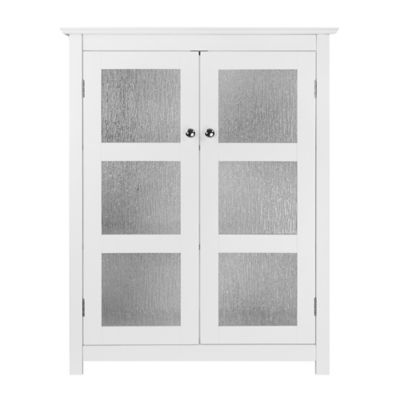
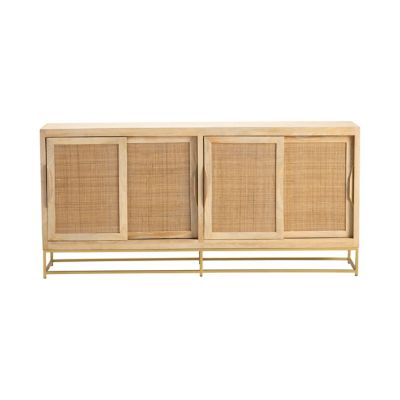
A good living room door should look at home with the rest of the house, from the entryway and baseboards to the flooring and nearby furniture. White and other light finishes can brighten a darker room, stained wood brings warmth, and a bold painted finish can give a plain wall a little personality without taking over the space. If the living room already has strong grain, patterned rugs, or rustic features, a simpler door may keep the room from feeling crowded. In a newer home with straight lines and minimal trim, a flat-panel or sleek metal design may blend in better than an ornate profile. Consider how much daily use the door will get, especially in homes with children, dogs, muddy boots, or furniture that moves in and out of the room. A durable finish and sturdy hardware can make a difference when the door is opened dozens of times a day. Thoughtful storage nearby can help keep the area clear; baskets, shelves, and other
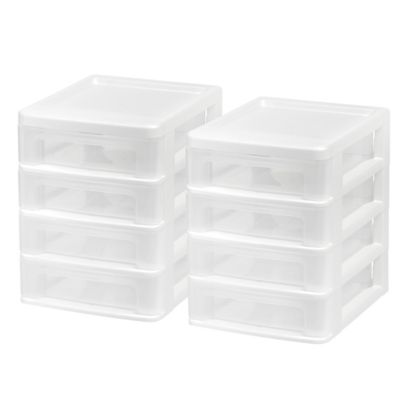
Living Room Organizers can keep shoes, blankets, toys, and remote controls from collecting around the doorway. Installation costs vary with the material, door style, frame condition, trim work, and whether an old opening needs adjustment. Many straightforward interior door replacements fall within a few hundred dollars for labor and materials, while custom sizing, solid-core construction, new casing, or structural changes can raise the total. If the frame is damaged, the floor is uneven, or the door is especially heavy, professional installation can help prevent sticking, uneven gaps, and hardware problems later. With the right measurements and a style that suits the room, a living room door can provide privacy, reduce everyday noise, and give the space a finished, welcoming feel for years to come.