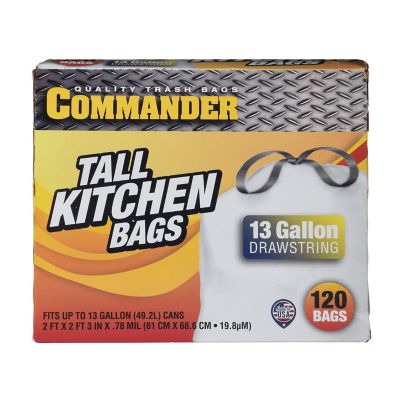
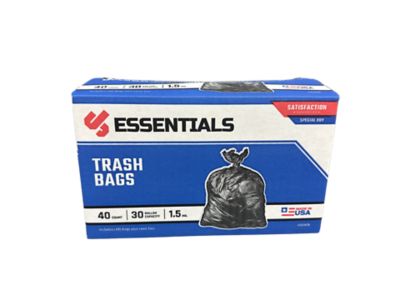
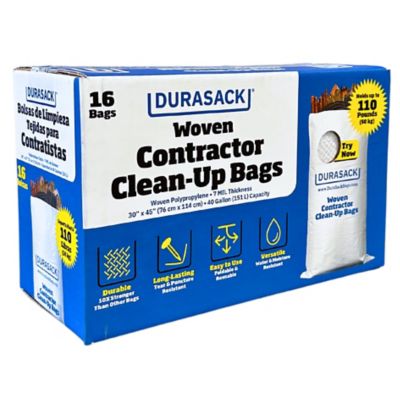
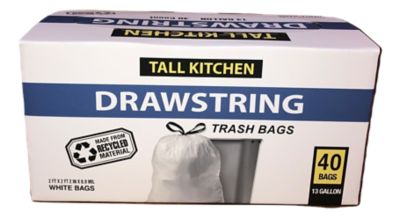
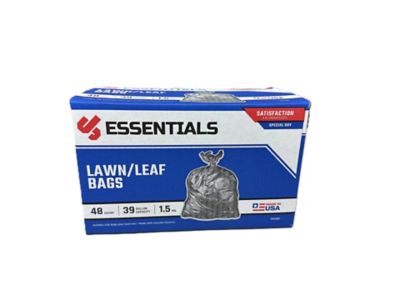
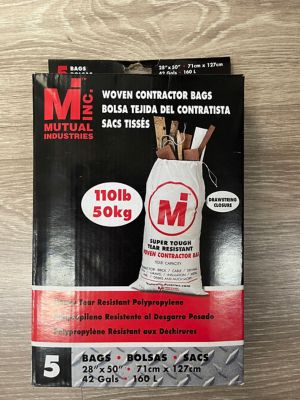
Large trash bags generally range from about 30 gallons to 95–100 gallons, covering everyday household cans, bigger shop containers, and some wheeled trash carts. Common capacity groups include 30–33 gallons, 39–45 gallons, and 55–60 gallons, while larger liners serve containers that need more room. The gallon number is a starting point, not a promise that every bag in that size will fit every can. Bag width, length, container shape, and the space needed to fold the top over the rim all affect the fit. A tall, narrow can needs a different liner shape than a short, wide barrel, even when both hold the same number of gallons. Enough length lets the bottom rest inside the container instead of hanging above it and pulling the top loose as trash goes in. Enough width helps the opening slip over the rim without stretching tight around the corners. For a kitchen, utility room, garage, or feed room, a well-fitting liner makes everyday cleanup less of a wrestling match. Oversized bags can bunch up inside smaller cans, while undersized ones can slide down or leave too little material for tying. Closure style makes a difference, too. Drawstrings gather the opening and provide a convenient grip, flap ties leave sections of the bag available for knotting, and open-top liners need enough extra length for a secure closure. None of those closures makes an overloaded bag easier to carry safely. Leaving room at the top helps keep loose wrappers, floor sweepings, and other lightweight trash contained on the trip to the collection cart. Where a container has a lid, the folded liner and tied bag should not interfere with it closing properly. A snug fit at the rim, a supported bottom, and room for closing are more useful than extra capacity that never gets filled. Comparing listed dimensions with the actual container helps narrow the choice, especially for wide-mouth shop cans and large rectangular bins.
Bag material and construction determine how a liner handles its load. Many large trash bags are made from polyethylene, with low-density and linear low-density films generally offering more stretch than high-density film. That flexibility can help with mixed household trash, irregular packaging, and loads that shift as the bag is lifted. High-density liners are often thinner and less stretchy, making them better suited to lighter waste without sharp or jagged edges, such as paper towels and office waste. Film thickness is commonly listed in mils, with one mil equal to one-thousandth of an inch; some thinner liners list thickness in microns instead. A higher thickness can provide more material between the contents and the outside, but thickness alone does not tell the whole story. Resin blend, seams, bag shape, and the way the load sits also affect resistance to tearing and punctures. A heavy bag of damp trash places different demands on a liner than a full bag of crumpled paper. In a workshop, a projecting corner on discarded packaging can concentrate pressure in one small spot, even when the overall load is light. Reinforced construction and flexible film can help with demanding cleanup, but no trash bag should be treated as puncture-proof. Broken glass, exposed nails, and other sharp waste need separate handling according to local disposal requirements rather than a second bag and a hopeful tug. The same goes for weight: a 55-gallon bag may have room left while already holding more than someone can comfortably lift. Splitting dense waste into smaller loads protects both the person carrying it and the bag’s seams. Supporting the bottom during removal, rather than hauling a heavy load by the closure alone, can reduce strain on the film. Bags with holes, stretched seams, or leaking bottoms belong out of service before they leave a mess across the floor. Pressing trash down by hand or foot can expose hidden sharp edges, so extra capacity is better handled with another bag than force.
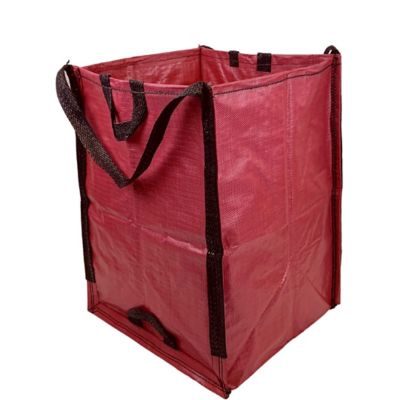
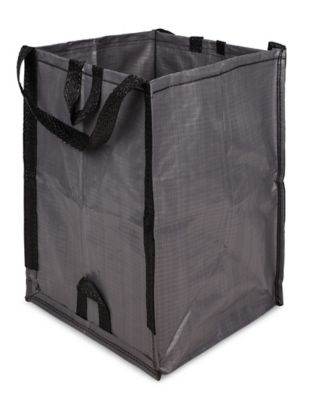
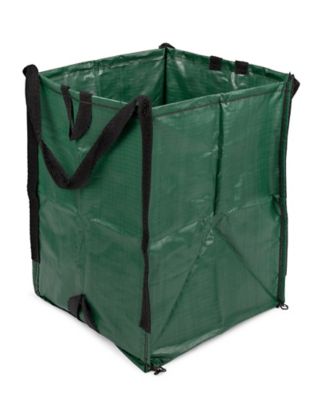
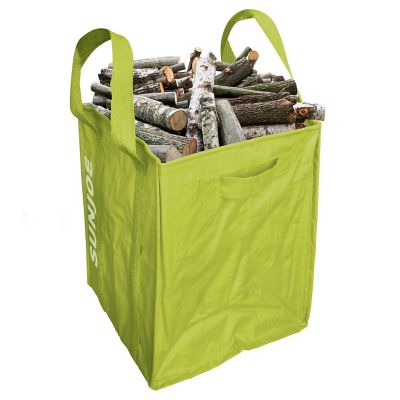
Around a home, acreage, small business, or shared gathering space, large trash bags help keep cleanup moving without constant trips to empty a small bin. They can hold bulky, lightweight waste from unpacking supplies, tidying a storage room, or cleaning up after a church supper. In a barn aisle or feed room, empty packaging and routine sweepings may call for a different liner than the heavier mixed trash collected near a workbench. Dark bags conceal the contents, while clear bags make it easier to see what has been collected where sorting or inspection is required. Color alone does not establish strength, odor control, or suitability for a particular waste stream, so those details need to come from the bag’s stated features. Scented liners may add fragrance, but they do not replace regular emptying or washing a dirty container. Yard cleanup brings another set of considerations: grass clippings can become heavy, and small twigs can press against the film. For that kind of work,
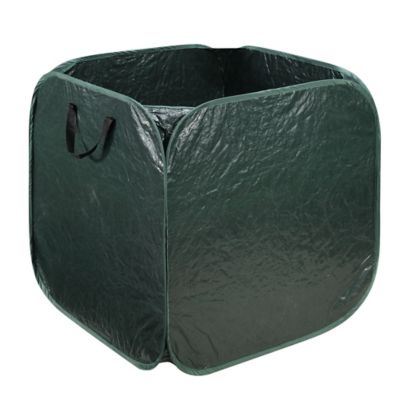
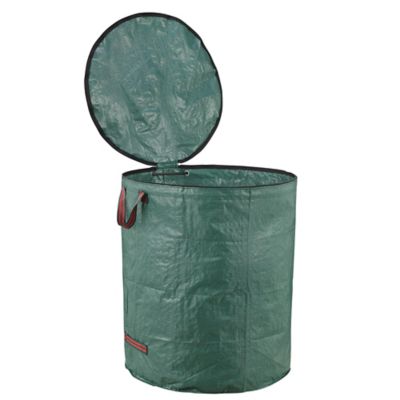
Heavy Duty Yard Waste Bags are a related category to consider alongside the collection rules in your area. Some yard-waste programs require paper bags, approved compostable liners, reusable containers, or loose material rather than ordinary plastic trash bags. A compostable label does not automatically mean a bag is accepted by the receiving facility. Regular garbage liners also should not be assumed suitable for bagging recyclables, storing food, or containing hazardous waste. Paint, chemicals, batteries, hot ash, and similar materials require handling outside an ordinary bag of trash. Between cleanups, keeping spare bags in a dry cabinet away from sharp tools, direct sunlight, and animal access helps prevent damage before they reach the can. A clean container without rough edges also gives a fresh liner a better start. With the right dimensions, suitable film, and a manageable load, large trash bags make routine cleanup simpler, whether the job is a full household bin or a busy day around the shop.