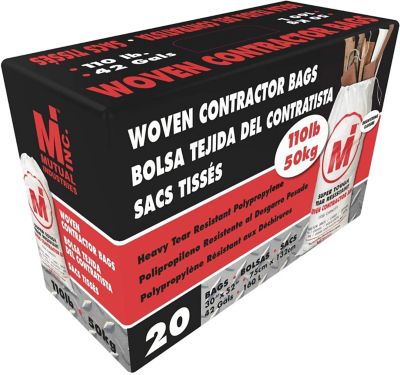
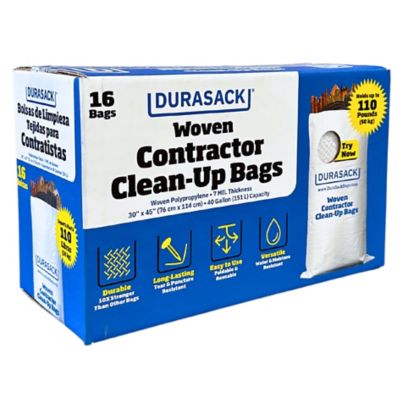
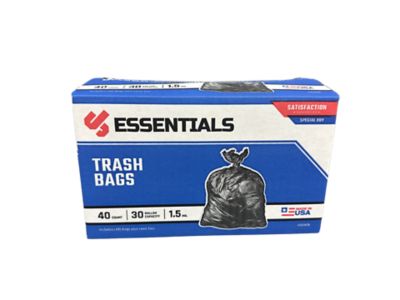
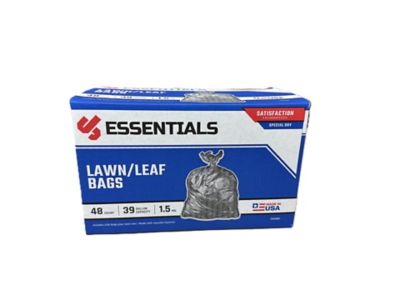
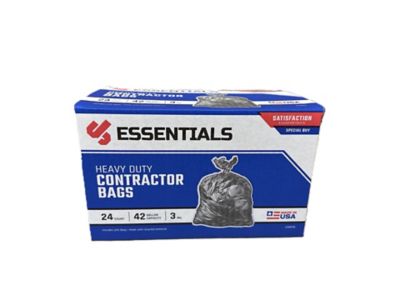
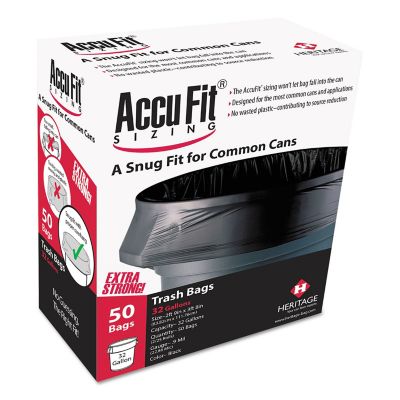
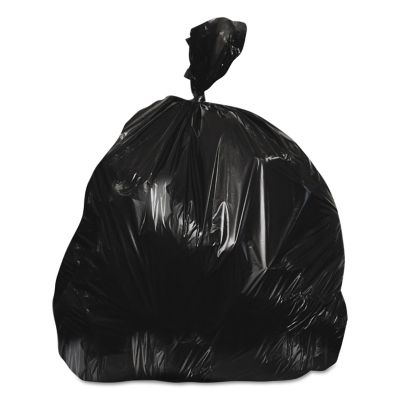
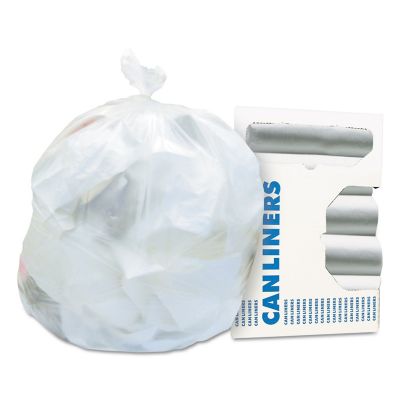
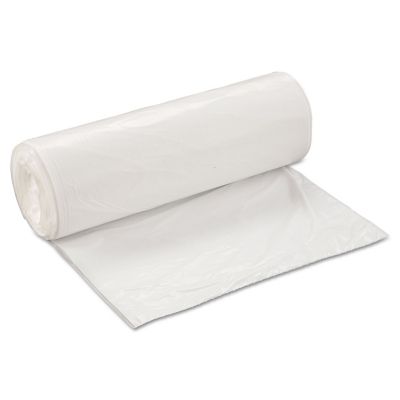
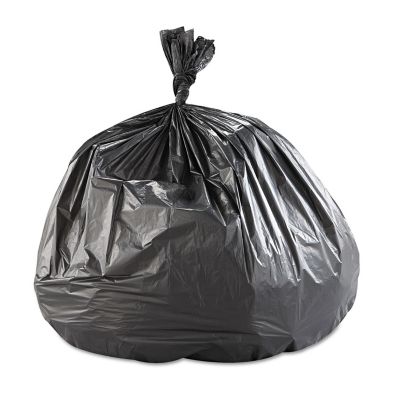
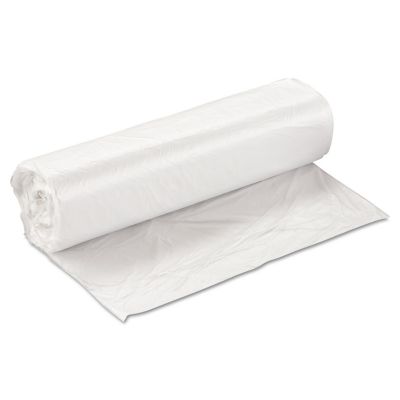
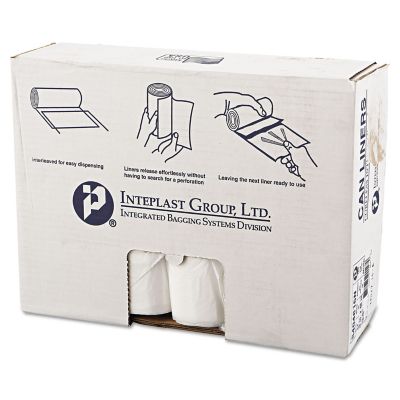
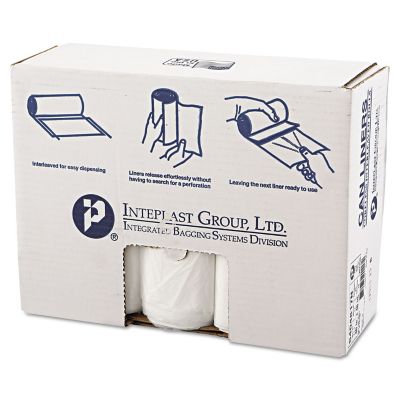
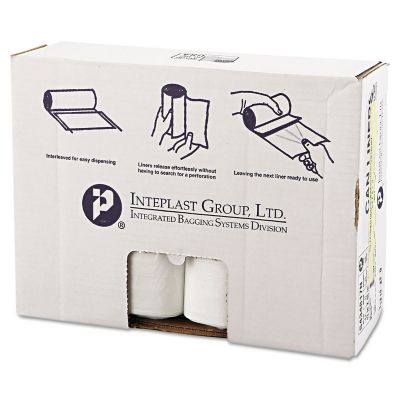
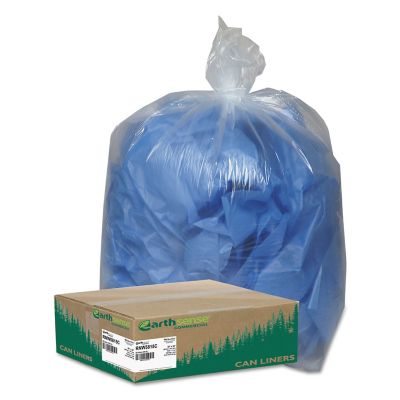
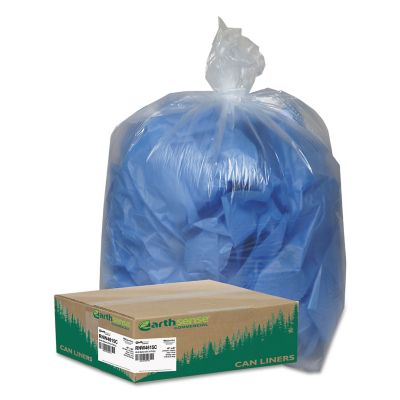
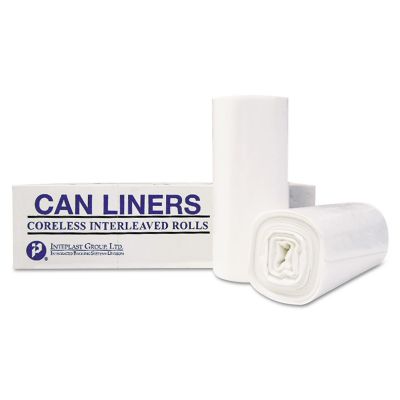
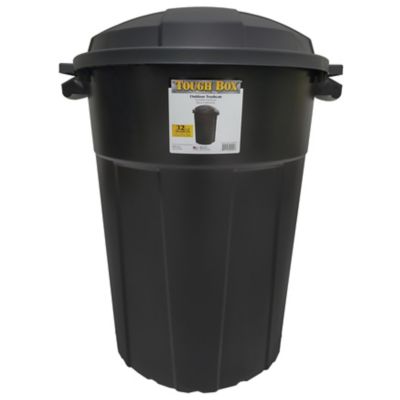
Extra large trash bags give roomy cans, shop barrels and rolling carts a liner that can handle more than the everyday waste from a small household bin. These bags generally range from about 42 to 100 gallons in capacity, with the right size depending on the container and the kind of cleanup. Bags in the 42- to 46-gallon range commonly suit contractor-style cleanup, while 55-gallon liners are often paired with large barrels or comparable trash cans. Larger liners around 95 to 96 gallons are intended for big rolling carts, though the cart’s shape and measurements still matter. Around a farm, workshop, garage or busy household, that extra space can help contain empty packaging, sweeping debris and other ordinary trash without leaving material hanging over the rim. A roomy bag also gives lightweight waste somewhere to go during a shed cleanout or after unpacking supplies. Gallon capacity alone does not tell the whole story, however. Two containers with the same stated volume can have different opening widths, heights and bottom shapes, so bag dimensions are just as important as the number on the label. A liner needs enough width to slip over the opening and enough length to reach the bottom with some material left to fold over the rim. That extra length helps keep the bag from sliding down as trash goes in and leaves room for closing it afterward. A bag stretched tightly across the opening may pull loose before the container is full, while one that hangs well above the bottom puts more strain on the film. Round barrels and broad rectangular carts can require different liner dimensions even when their capacities sound similar. For containers with an internal retaining ring, the bag also needs enough room to settle beneath the ring without stretching tight. The best fit follows the container rather than simply matching a gallon number, and it leaves enough room at the top to gather the opening without wrestling an overfilled bag shut.
The material and film thickness of extra large garbage bags help determine which cleanup jobs they suit. Most are made from polyethylene, but different polyethylene formulations behave differently under load. Low-density and linear low-density films generally offer stretch and resistance to punctures, making them practical for mixed household refuse, shop cleanup and trash with uneven edges. High-density liners are often thinner and work well for lighter waste with fewer sharp points, such as paper and small wrappers. Thickness is commonly stated in mils; one mil equals one-thousandth of an inch. Contractor-style bags often have film around 2 to 3 mils thick, although thickness alone does not establish how much weight a bag can safely carry. Resin formulation, seams, bag dimensions and the shape of the contents all play a part. A large bag filled with loose paper puts very different demands on the film than one holding dense cleanup debris. In a workshop, the corner of a cardboard box or a stiff strip of packaging can press against the liner long before the bag looks full. Flattening boxes and keeping pointed pieces out of ordinary trash helps reduce that strain. Broken glass, exposed nails, blades and other sharp waste need separate containment according to local disposal rules rather than a thicker bag alone. Heavy rubble can also overwhelm a large liner well below its stated gallon capacity, so a bag’s volume should never be treated as a weight rating. Bottom construction matters, too: a well-formed seam helps contain ordinary refuse, but no trash bag should be treated as a liquid storage container. Closure styles affect everyday handling. Drawstrings gather the opening and provide a convenient way to close the bag, while flap ties or an open top allow the remaining material to be knotted. Enough headroom for that closure makes a difference when the bag comes out of the can. Pulling an overfilled liner by its ties concentrates weight at the opening, whereas supporting the load helps reduce stress during the trip to the collection point.
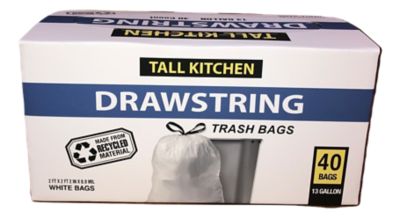
Extra large trash can liners make sense wherever waste collects in a larger container, from a household’s garage can to a work area where several people share the same bin. Their usefulness comes from matching the liner to the job, not simply choosing the biggest bag. A large cart receiving light packaging may need plenty of capacity but relatively little carrying strength; a smaller shop barrel collecting heavier refuse may call for thicker film and more frequent emptying. For a family sorting through a storage room, a roomy liner can hold nonhazardous throwaways while separate boxes keep donations and recyclable materials apart. On a farm, keeping routine trash contained also helps keep loose wrappers and scraps away from feed storage and animal areas. Waste from animal care, chemical containers and other regulated materials may require different handling, so local collection rules remain important. Bag color and opacity can matter in shared spaces: opaque liners conceal ordinary refuse, while clear liners make contents visible where a collection program calls for that. Recycling requirements vary, and a plastic trash liner is not automatically accepted with curbside recyclables. Keeping the can clean helps the next liner sit properly, and checking the inside for cracked edges or protruding hardware can prevent repeat tears in the same spot. Before adding a fresh bag, any residue in the container should be cleared away and the inside allowed to dry. Spare bags are easiest to manage in their original packaging, away from direct sunlight, sharp tools, children and animals. For smaller indoor cans that do not need this much room,
13 Gallon Drawstring Trash Bags suit a different scale of everyday cleanup. Keeping both container size and typical contents in mind helps avoid excess material bunched inside a small can or a liner stretched too tightly across a large one. With enough room to fit, strength suited to the load and a closure that works for the task, extra large trash bags help keep everyday cleanup contained from the first sweep of the shop floor to the trip out to the trash cart.