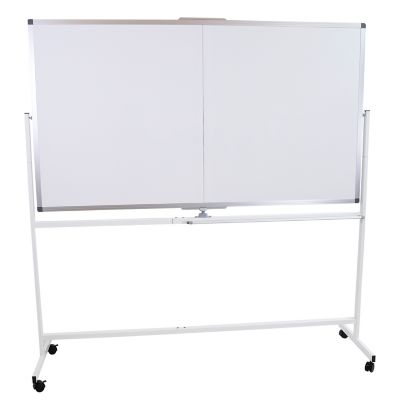
Large magnetic dry erase boards bring schedules, reminders, drawings, and paperwork together on one easy-to-see surface. They combine a writable face with a magnetic layer, usually steel, so dry erase notes and magnet-held documents can share the same space. That combination comes in handy in a farm office, repair shop, classroom, meeting room, or busy household where plans need to stay out in the open. A crew can check equipment assignments before heading out, a teacher can work through a lesson without running out of room, and a family can keep appointments beside permission slips and shopping lists. The extra writing space also leaves room for details that tend to disappear on a smaller board: a parts number beside a repair task, a pickup time beside a delivery, or a name beside an unfinished chore. For a shared work area, separate sections for upcoming jobs, work in progress, and completed tasks make the board easier to scan from across the room. Magnetic clips can hold a paper checklist without covering the notes around it, while movable labels let assignments change without rewriting the whole layout. Size matters most in relation to the wall and the people reading it. Common large-board formats include 4-by-6-foot and 4-by-8-foot dimensions, but the right fit depends on the usable wall area, viewing distance, and amount of information that needs to stay visible. Measure around outlets, switches, shelves, and door swings, not just across an empty stretch of wall. Leave enough clearance to write near the edges and reach a marker tray without leaning over furniture. A board behind a deep desk may offer plenty of space but put the top corners out of comfortable reach. In a classroom or crew meeting area, bold lettering and generous spacing often matter more than squeezing another row of notes onto the surface. A simple layout with clear headings gives a large whiteboard a practical job instead of turning it into another crowded wall.
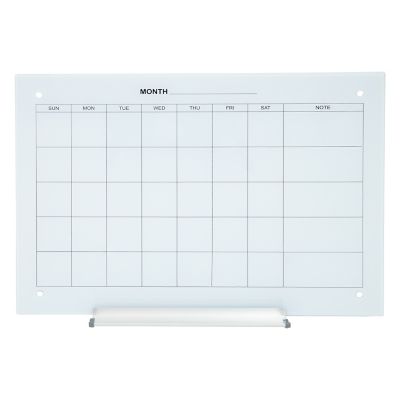
The writing surface makes a big difference in how a magnetic whiteboard handles regular work. Painted steel provides a magnetic face with a coating made for dry erase markers, while porcelain-on-steel boards have a fired surface that generally offers greater resistance to scratches and staining. Porcelain can still chip at exposed edges or after a hard impact, so careful handling matters even with a tougher writing face. Magnetic glass boards place glass over a magnetic backing and often need stronger magnets than steel-faced boards. Ordinary refrigerator magnets may not hold paper well on that construction, so check the board’s magnet requirements before counting on existing accessories. Glass also adds weight, which makes mounting details especially important. Whatever the material, a smooth surface, firm support, and a frame that holds the panel steady help make writing feel consistent from one end to the other. Aluminum frames offer a straightforward look for offices and shops, while other frame finishes can help a board blend into a home workspace or classroom. Rounded corners and smooth frame edges are worth considering wherever people regularly walk past the board. Surface sheen deserves attention, too. A glossy face can reflect overhead lights or a window, making part of the writing hard to read from certain angles. Check the intended location from the spots where people will actually stand or sit. For care, stick with dry erase markers and cleaning products approved for the board’s surface. Wipe away writing regularly rather than leaving a full schedule untouched for an extended stretch, especially when dark marker lines cover the same area repeatedly. Clean the eraser as well; a loaded eraser can spread ink residue instead of lifting it. A soft cloth helps remove remaining film, while abrasive pads and gritty shop rags can damage some finishes. Keep cleaners meant for tools, machinery, or household scrubbing away from the writing face unless the board manufacturer specifically permits them. If an unintended marker leaves a mark, follow the surface-specific cleaning directions rather than reaching straight for a harsh solvent.
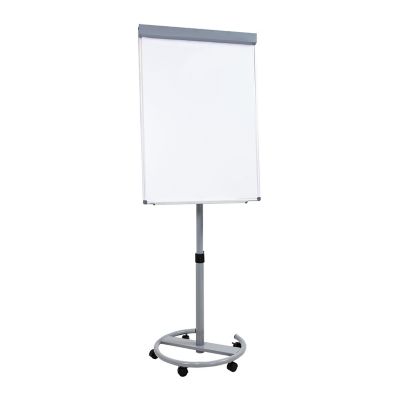
Mounting and everyday access deserve as much thought as the writing face itself. A large wall-mounted dry erase board needs support suited to its weight, the wall construction, and the mounting hardware. Fastening into studs or another suitable structural support may be necessary, while hollow-wall anchors must match both the wall material and the load. Follow the board’s mounting directions, keep it level, and account for any attached trays or accessories. A broad panel can be awkward to lift even when its weight seems manageable, so having another person help can protect the frame, wall, and mounting points. Position the writing area for the people who will reach it most often, with frequently changed notes near a comfortable writing height. In spaces that serve several purposes, a mobile magnetic whiteboard can move between a planning area and a meeting table. Its footprint, caster locks, and clearance through doorways matter just as much as the panel dimensions. Keep walking paths open and lock the wheels before writing. In a working shop, place the board away from sparks, grinding dust, oil spray, and washdown areas so the surface stays easier to read and clean. Give markers, erasers, and lightweight magnets a set place so a quick update does not turn into a search through desk drawers. Magnets are handy for paper schedules and reference sheets, but their holding strength varies with the board surface, the thickness of the paper stack, and the magnet itself. Keep heavy tools and loose hardware off the writing face.
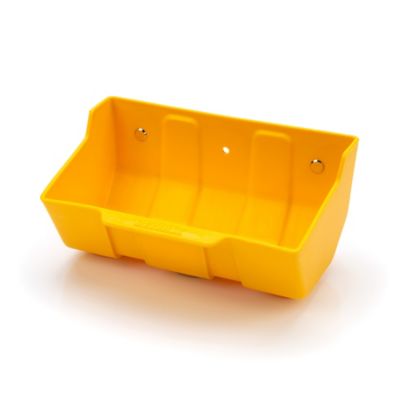
Magnetic Parts Trays can keep small steel nuts, bolts, and screws together at the workbench while the board handles repair notes and job assignments. That separation keeps the planning area readable and the hands-on work organized. Whether the board supports daily chores, classroom lessons, or a crew’s workload, a sensible layout and steady care help it remain a useful part of the routine.