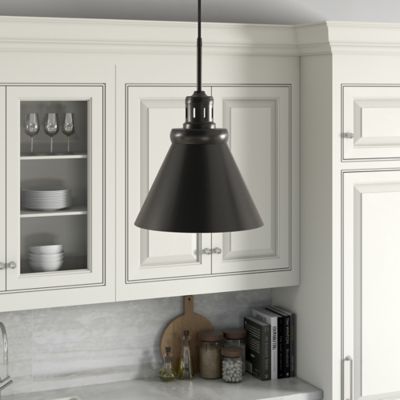
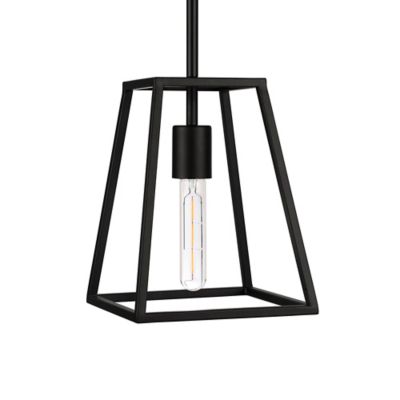
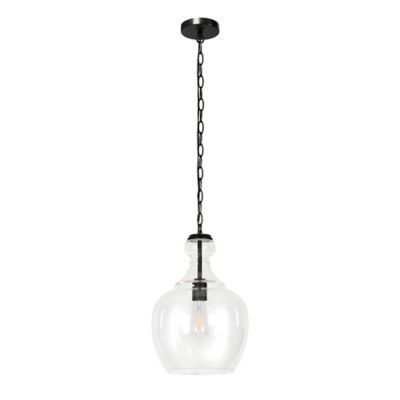
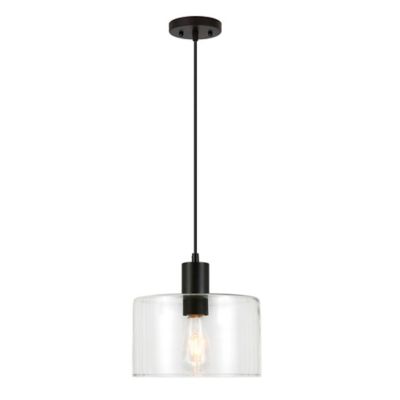
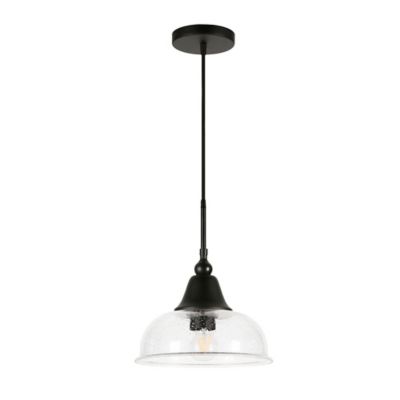
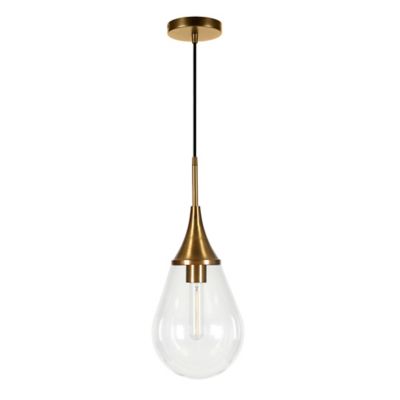
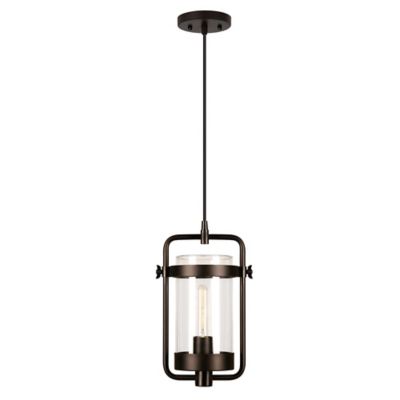
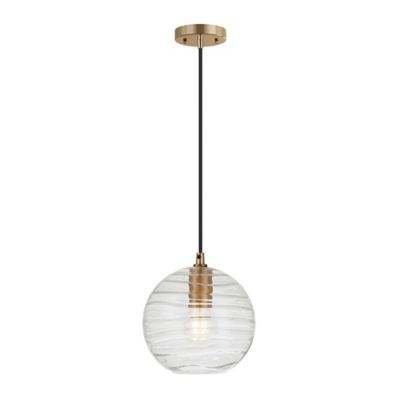
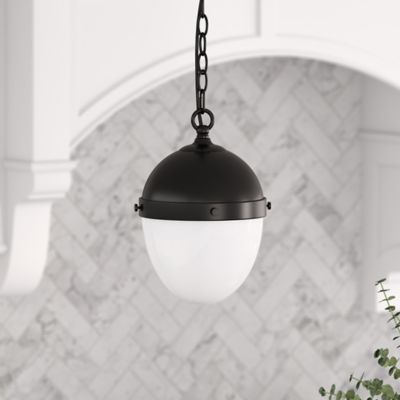
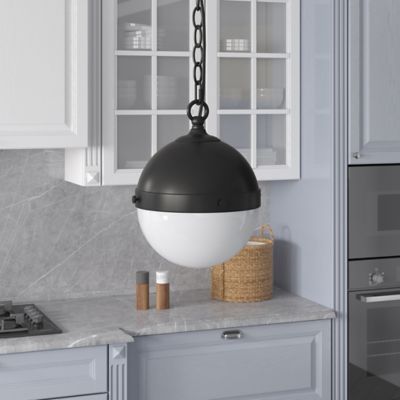
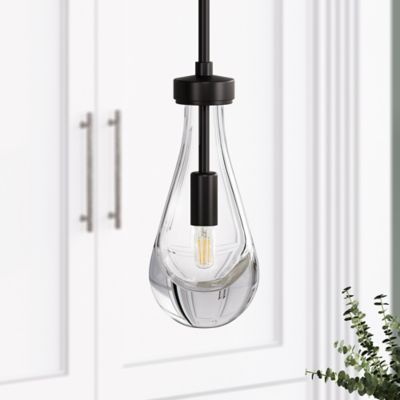
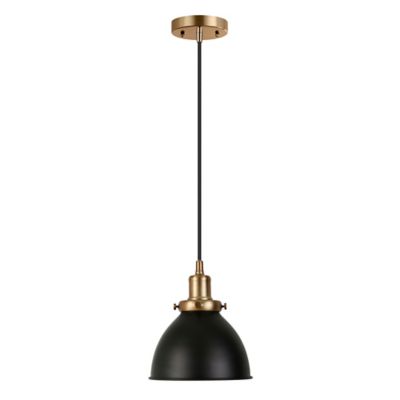
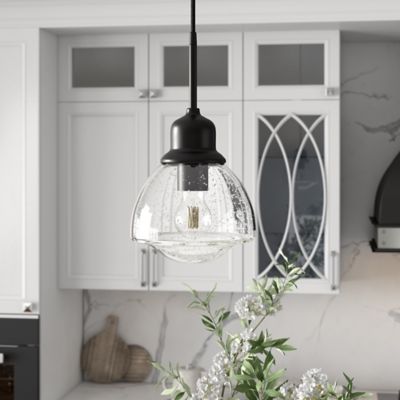
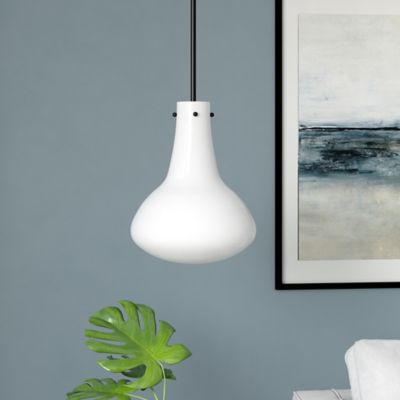
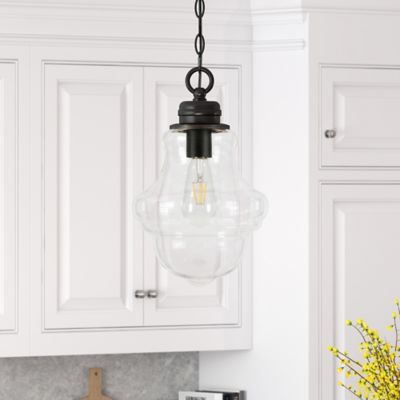
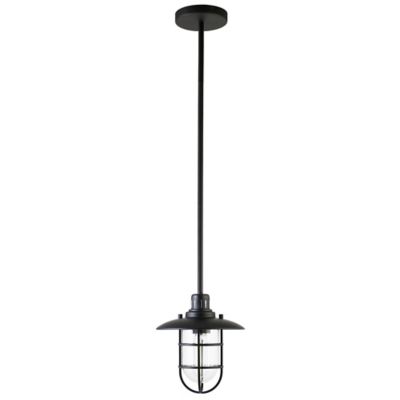
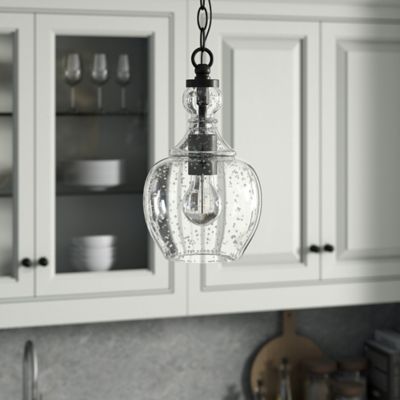
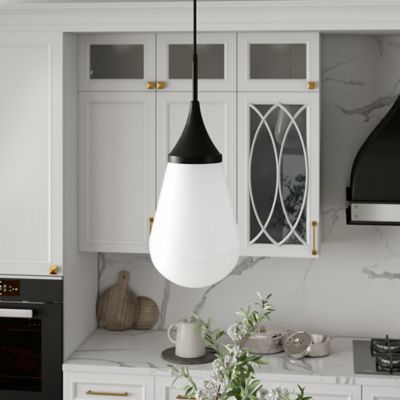
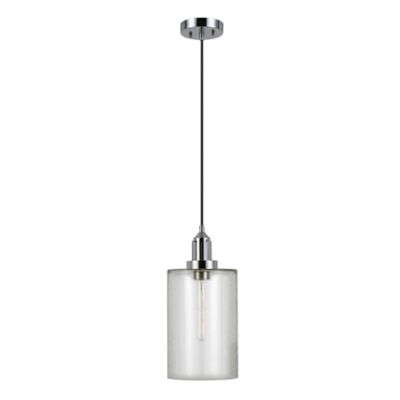
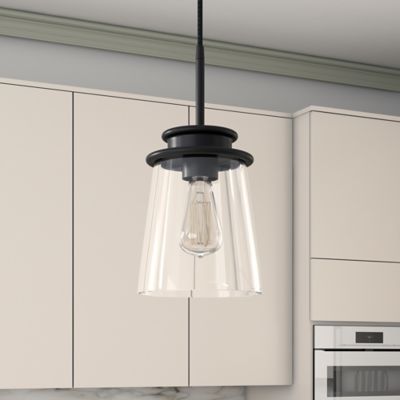
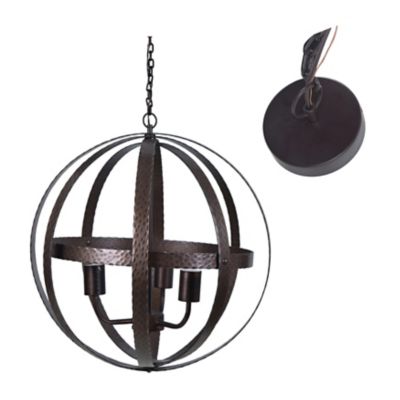
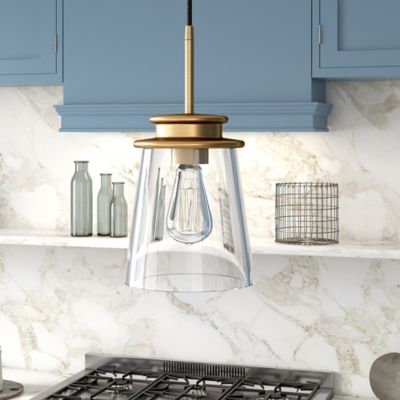
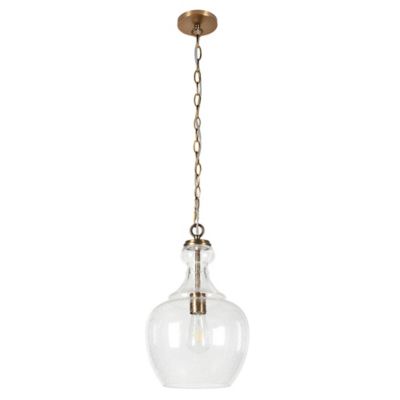
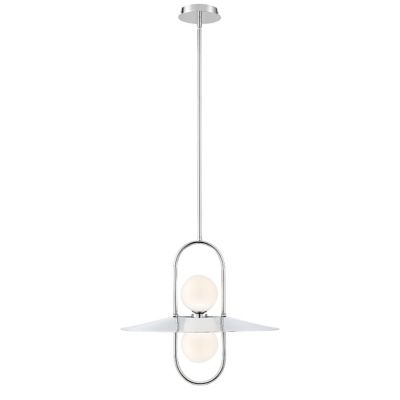
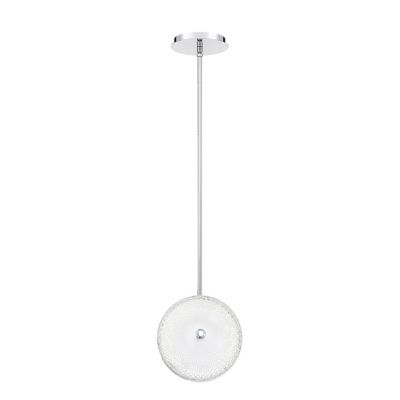
Bronze kitchen island pendant lights bring a warm, grounded look to one of the busiest spots in the house. A bronze finish can lean rustic, with a deep oil-rubbed surface and visible hardware, or it can look more polished and modern in a soft bronze or champagne-bronze tone. Dome shades, clear glass cylinders, open cages and simple metal frames each spread light in a different way, so the best choice depends on both your kitchen style and how you use the island. A broad metal shade directs light down onto meal prep, baking and homework, while clear glass lets more light travel around the room and keeps a smaller kitchen from feeling closed in. Open-frame designs add a little farmhouse or industrial character and make it easy to see the bulb, though they may show dust more readily in a busy kitchen. When comparing bronze kitchen island pendant lights, look at the overall scale as carefully as the finish. A small island may need two compact pendants, while a long island often looks more balanced with three individual lights or one linear fixture with several bulbs. As a general starting point, two pendants work well over islands about 4 to 5 feet long, with roughly 24 to 30 inches between their centers and some room between the lights and the island ends. Islands around 6 to 8 feet long can often handle three evenly spaced pendants. These are useful guidelines rather than hard rules, since ceiling height, shade width and the amount of visual weight in the room all matter. Browsing
Kitchen Island Pendant Lighting Fixtures can help you compare shapes, finishes and multi-light arrangements before settling on a layout.
A comfortable hanging height is just as important as appearance. In many kitchens, the bottom of the pendant sits about 30 to 36 inches above the countertop, leaving enough room for food preparation and conversation without putting the light directly in your line of sight. If someone in the household is especially tall, or if the island is used for serving and entertaining, a little extra clearance may make the room feel easier to move through. Measure from the finished countertop to the bottom of the shade, not just to the canopy at the ceiling. Adjustable downrods or cords are handy when ceiling height varies, and a sloped-ceiling adapter may be needed in rooms with vaulted or angled ceilings. Before buying, check the fixture’s total dimensions, minimum and maximum hanging length, number of bulbs, bulb type, wattage limit and whether it is rated for use in the intended indoor location. Dimmable fixtures paired with compatible dimmable bulbs let you move from bright, practical light for chopping vegetables to a softer glow for supper or visiting with friends. Warm-white bulbs usually complement bronze especially well, giving wood cabinets, butcher block and earthy paint colors a cozy appearance without making food look overly yellow. Clear glass and exposed bulbs can create a brighter, more open feel, while opaque shades offer focused task lighting and help hide glare. It is also worth checking the canopy size and mounting requirements, particularly when replacing an older fixture or working with a ceiling box that is not centered over the island. Turn off power at the breaker before any electrical work, and use a qualified electrician when a new box, rewiring or other changes are needed.
Bronze island lighting can be a practical update during a kitchen refresh, a finishing touch in a newly built home or a thoughtful housewarming gift for someone settling into a new place. It suits homes with wood cabinetry, painted cupboards, stone counters and mixed-metal accents, and it can bridge the gap between older rustic details and cleaner contemporary furnishings. A dark bronze finish pairs naturally with black appliances, wrought-style hardware and reclaimed wood, while a lighter bronze can soften white cabinets, brushed metal fixtures and pale countertops. Mixing finishes does not have to look mismatched when one finish is repeated in another small detail, such as a cabinet pull, faucet accent or barstool frame. In open kitchens, pendant lights also help define the island as its own work and gathering zone without blocking the view into the dining or living area. During the cooler months, when the kitchen often becomes a comfortable place for baking, packing lunches and lingering over coffee, a well-placed pendant adds useful light and a welcoming sense of warmth. Look for sturdy metal construction, secure glass, smooth hardware and a finish that appears even from every angle. Shades should be easy to wipe with a soft, dry or slightly damp cloth, since cooking vapors and everyday dust can collect around the island. Keep the light centered over the work surface rather than over the walking path, and leave enough space for cabinet doors, raised mixers and people moving around the stools. With the right size, spacing, height and bulb choice, bronze kitchen island pendant lights can make daily chores easier while giving the heart of the home a finished, lived-in look.