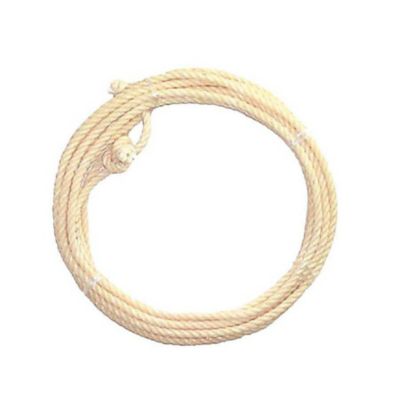
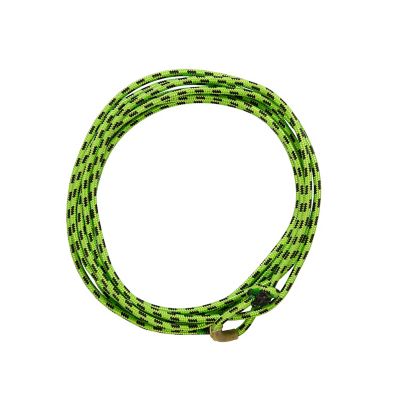
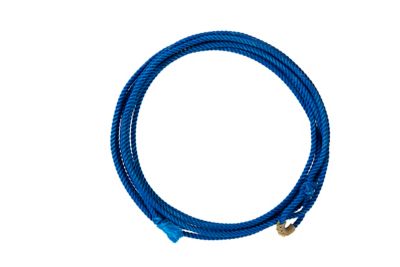
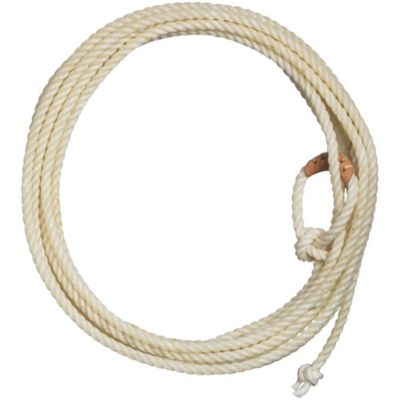
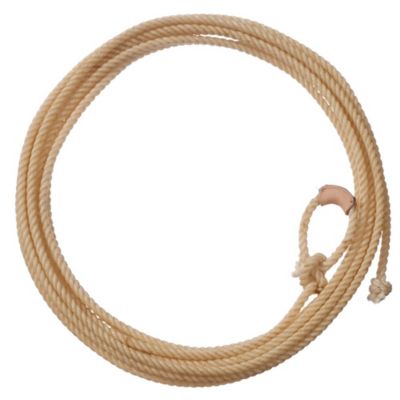
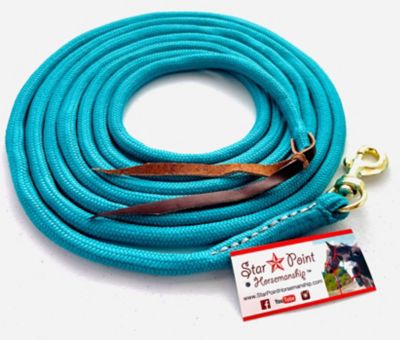
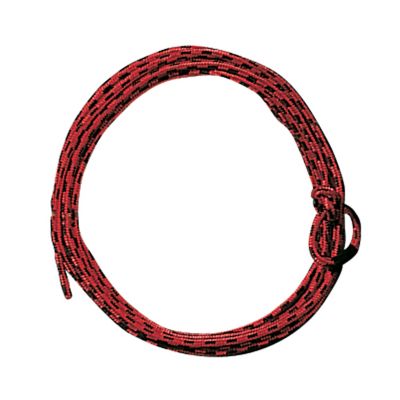
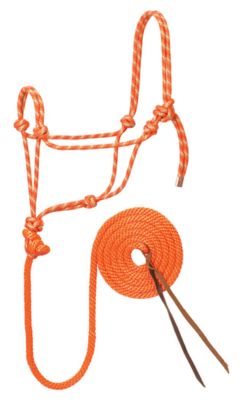
Kids’ practice lariats bring a familiar part of ranch life down to a size and feel that young hands can manage. For a child who watches ropers at the arena rail or follows a family member through chores, having a rope of their own can make practice feel like a real part of the day. These ropes are meant for learning on a suitable practice target, with handling characteristics that matter just as much as appearance. Length, diameter, weight, and stiffness all affect how a lariat feels when a child picks it up, forms a loop, and gathers it back into coils. A rope that suits an older child may feel heavy or awkward to a smaller beginner, while extra length can leave too much rope trailing across the ground. Matching the rope to the child’s reach, strength, and experience makes more sense than choosing by age alone. Materials such as nylon, polyester, and blends can differ in their feel, stretch, and response, and the construction matters alongside the fiber itself. The lay, or stiffness, influences how readily the rope bends and how the loop holds its shape. A softer-feeling rope may be easier for some beginners to handle, while a firmer feel may suit a youngster who already has a little practice behind them. Neither feel is the right choice for every child. Diameter also affects the grip: a thicker rope adds substance in the hand, but thickness alone does not make it easier to control. The honda, the small eye through which the rope passes to form the loop, is another part of the overall feel. Its construction and condition affect how the loop moves. Together, these details help distinguish a manageable practice lariat from one that leaves a child wrestling with the rope instead of concentrating on the target.
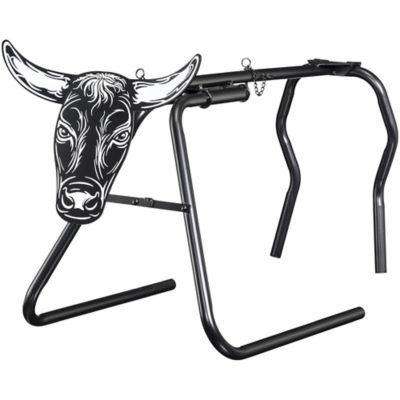
A good practice setup gives kids room to work at their own pace without turning every throw into a contest. A steady roping dummy on level ground provides a repeatable target, whether practice means a few relaxed throws beside the arena or a longer session with an experienced family member nearby. There is plenty to learn before speed matters: keeping track of the rope, finding a comfortable stance, judging distance, and settling into a repeatable motion all take time. Some children enjoy counting catches, while others are happiest sharing turns with a sibling and celebrating the first loop that lands where they intended. A manageable lariat supports those small wins without making the rope itself the biggest challenge. Intended use deserves a close look, too. A youth practice rope is not automatically suitable for handling livestock, pulling a load, or roping from horseback. Ground practice with an appropriate target is a different setting from working cattle, and those uses should never be treated as interchangeable. Adult supervision matters whenever children handle ropes, especially when several kids are eager for a turn. A clear practice space needs room above, beside, and behind the young roper, with other people, pets, tools, and loose equipment outside the rope’s reach. Loops belong around the practice target, never around a person or pet, and slack rope should stay clear of feet. Rope should never be wrapped around hands or other body parts. Footwear with a steady grip and clothing that allows free movement help keep attention on the task rather than on slipping or snagging. For families with more than one young roper, giving each child enough space and keeping turns separate makes practice easier to supervise. The goal is a setting where a youngster can build coordination and confidence without pressure to perform beyond their ability.
Care between practice sessions helps a kids’ practice lariat stay ready for the next round at the dummy. Dirt, grit, repeated dragging, and rough surfaces can wear rope fibers, so the practice area and storage spot both matter. A rope tossed onto a barn floor can pick up debris or get stepped on before the next session even begins. Loosely gathered coils in a clean, dry place keep it out of foot traffic and make it easier to carry without a tangled armful. Following the rope maker’s cleaning and storage directions is important because fiber types and constructions do not all respond the same way to washing, soaking, or cleaning products. A muddy rope may need attention, but an aggressive scrub or an unapproved cleaner can create a different problem. Regular checks for fraying, damaged strands, hard spots, and wear around the honda help an adult spot changes before the child heads back to practice. A rope with significant damage should be taken out of practice rather than passed along to a younger sibling. Beyond care, a lariat can make a thoughtful gift for a child with a growing interest in ranch work, rodeo, or time spent around the arena. The best match reflects the child’s present ability, not just the skills they hope to have later. Color can make the gift feel personal, but manageable dimensions and a suitable feel deserve the first look. Families planning a birthday surprise or celebrating a young roper’s progress can also browse
Roping Practice Gifts Under $50 for more roping-related gift inspiration. Pairing a rope with time alongside a patient adult gives the present a purpose beyond opening day. A few unhurried turns at a safe target, help gathering the coils, and encouragement after a missed throw can mean plenty to a child who is eager to learn. With a sensible fit and a little care, a practice lariat can become a familiar part of that routine.