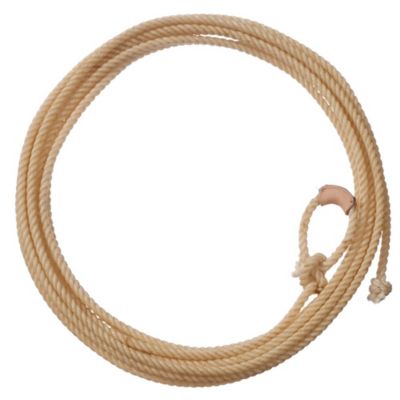
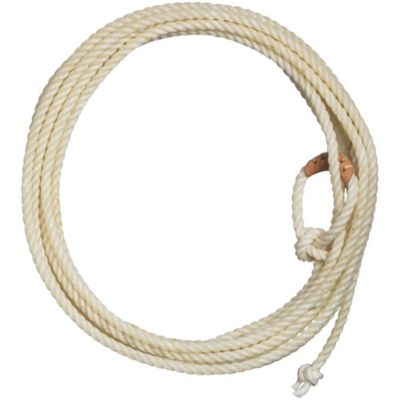
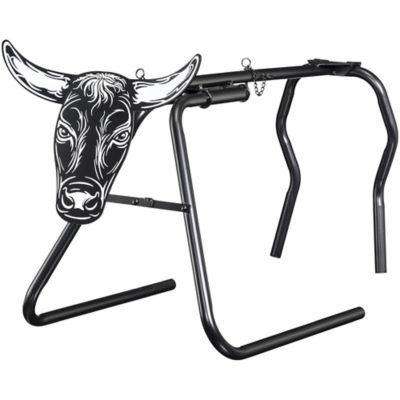
Roping practice gifts make sense for folks who would rather spend a spare half hour working a loop than sitting still. There is plenty of repetition behind a smooth delivery: building the loop, keeping the swing steady, finding the right release, and gathering the rope for another try. Gear that fits those everyday habits can feel thoughtful without making a big fuss. A youngster learning from a parent, a high school rodeo competitor, and a longtime team roper may all enjoy practice time, but their needs are not interchangeable. The kind of roping matters, along with the person’s experience, hand size, and familiar setup. Heading, heeling, and breakaway each call for a different approach, so a gift works best when it suits the recipient’s event rather than simply looking the part. Ground practice has its own rhythm, too. Someone working on a stationary target beside the barn may want a different feel than someone preparing for mounted work in an arena. Length, diameter, weight, and stiffness all affect how a rope handles, especially when the same motion gets repeated dozens of times. A beginner needs something manageable enough to build sound habits, while an experienced roper may notice even a small change from a familiar setup. That is why details borrowed from the recipient’s regular gear can be more helpful than a guess based on age or height alone. Even within the same event, one roper may favor a softer feel while another likes more body in the loop. For a birthday, a thank-you to a practice partner, or encouragement before a first competition, roping practice gear connects the gift to time spent learning a real skill. It says somebody noticed the hours behind the barn, the careful resets, and the determination to make the next throw better than the last. The strongest connection is often to a routine the recipient already enjoys, whether that means a few deliberate throws after chores or a longer session with friends at the practice pen.
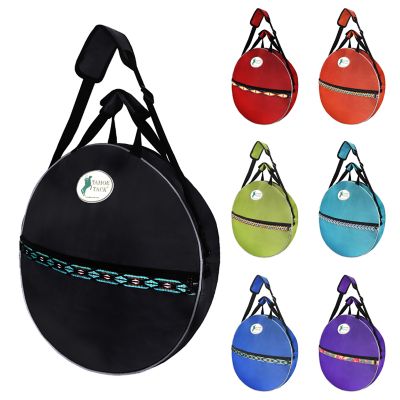
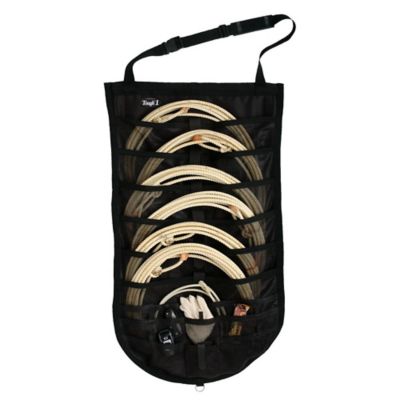
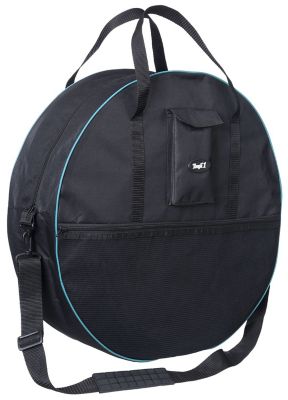
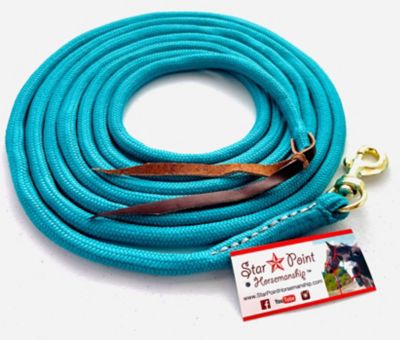
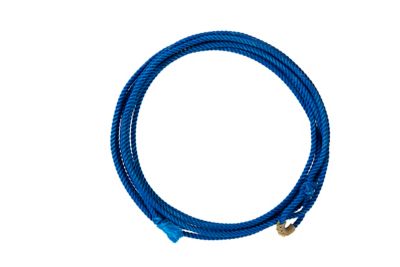
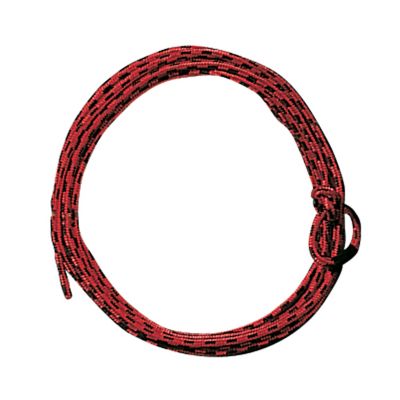
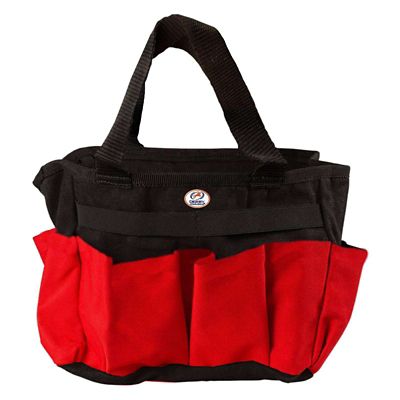
Materials and construction have a lot to do with whether practice gear feels right in the hand. Nylon, polyester, and blends can differ in stretch, weight, and response, while rope construction and lay influence stiffness and how the loop holds its shape. Lay is the term ropers use for a rope’s relative firmness; it is not a measure of how well it will suit every person. A softer rope is not automatically the better beginner choice, and a firmer rope is not automatically the next step for every experienced roper. Event, technique, and personal preference all belong in that decision. Diameter matters just as much as overall weight because it changes how much rope fills the hand. Length affects both the working loop and the coils held between throws. For smaller hands, excess rope can become something to wrestle with instead of something that supports a steady practice session. The same attention to fit carries over to hand protection. Roping gloves need enough room for the fingers to move and enough control through the palm to handle coils without bunching. Depending on their construction, knit gloves and leather styles can offer different levels of feel, coverage, and resistance to abrasion. Seams, cuffs, and finger length deserve attention because a small irritation can get distracting after repeated throws. Fit should be checked against the maker’s sizing information rather than assumed from another kind of work glove. Left- and right-hand preferences matter wherever a design is hand-specific. For gear meant to carry or organize practice equipment, useful details include closures that open without a struggle, seams that stand up to regular handling, and enough room to put things away without forcing them into place. A bag that is too cramped can make careful storage a chore, while extra space only helps if the contents stay organized. These practical details may not draw much attention at first, but they show up every time someone packs for the arena or puts gear away after practice.
Care is part of keeping roping practice equipment ready for the next session. Dirt and grit can work into fibers and seams, so cleaning methods should match the material and the maker’s directions. A rope does not necessarily benefit from the same treatment as a leather glove or a fabric carrying bag. Harsh cleaners, unapproved dressings, and heavy scrubbing can change the feel of some materials rather than improve them. Putting gear away clean and dry, keeping rope in orderly coils, and storing equipment away from direct sunlight and chemicals all help limit unnecessary wear. A rope tossed beneath a toolbox or left under heavy equipment may develop handling problems that have nothing to do with the roper’s technique. Regular checks for fraying, cuts, damaged stitching, and worn closures help separate ordinary signs of practice from damage that calls for replacement. Intended use matters here as well: equipment meant for roping practice should stay within that purpose, not take on towing, lifting, or restraint jobs. A practice area needs clear space around the swing, sound footing, and room for bystanders and animals to stay outside the rope’s path. Younger ropers benefit from adult supervision and instruction that puts safe handling ahead of speed. For gift giving, those everyday realities make familiar, practical choices especially meaningful. Matching a recipient’s preferred dimensions or glove size often does more for the experience than adding something unfamiliar to the tack room. When the gift list includes people whose interests reach beyond the roping pen,
Christmas Gifts For Horse Owners Under $20 is another place to browse for the riders and horse caretakers in the family. Back at the practice target, the appeal stays straightforward: comfortable handling, sensible upkeep, and gear that suits the job. Whether the recipient is learning to build a loop or polishing a delivery developed over years, a well-matched gift belongs in those ordinary moments when chores are finished, the target is set, and there is time for a few more throws.