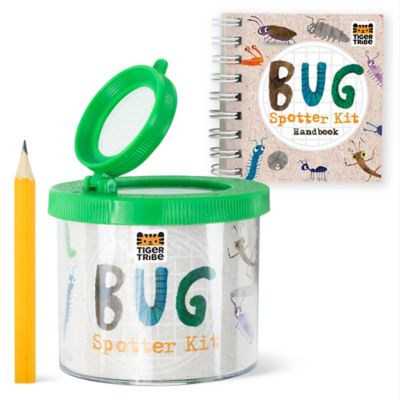
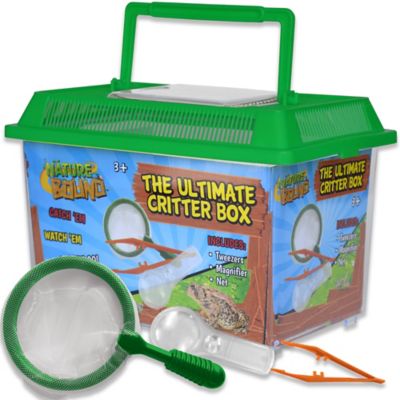
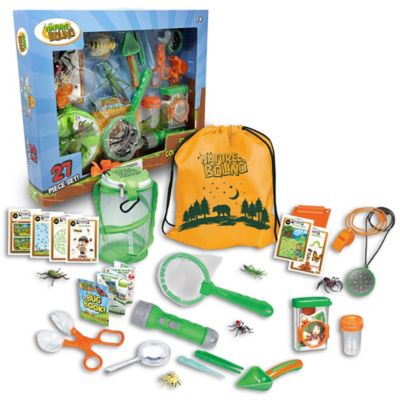
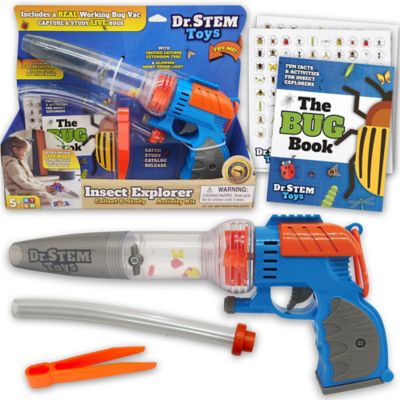
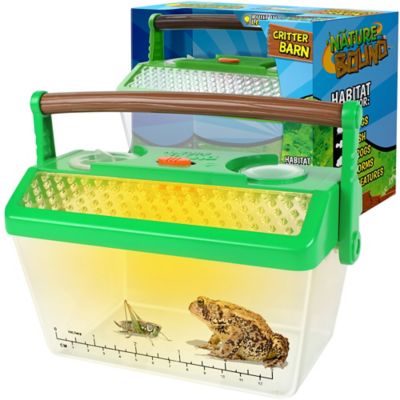
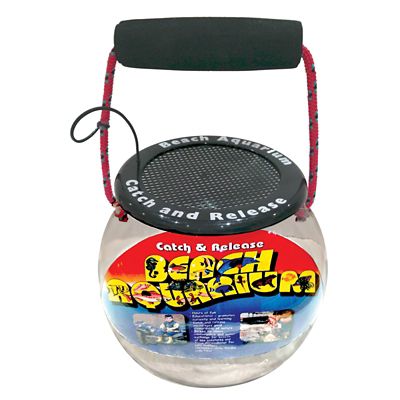
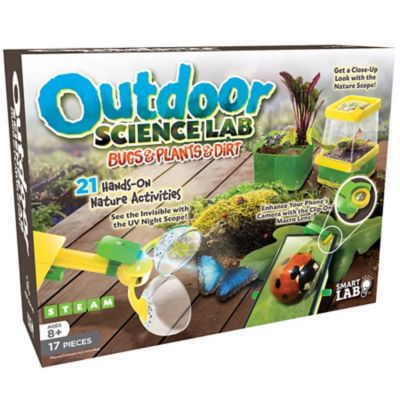
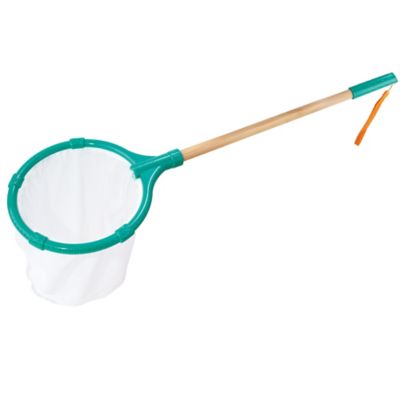
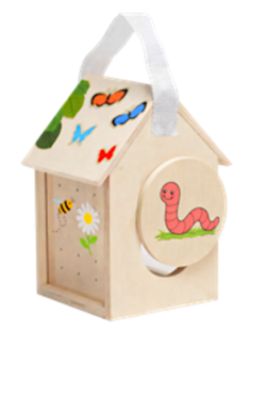
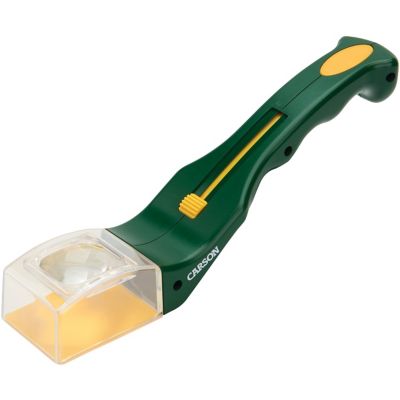
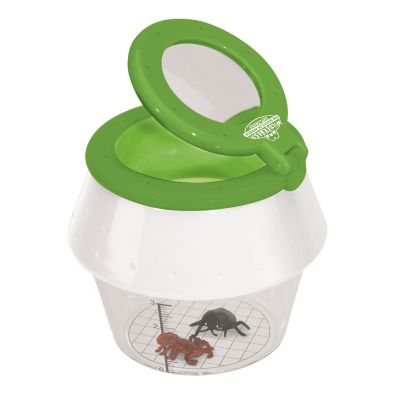
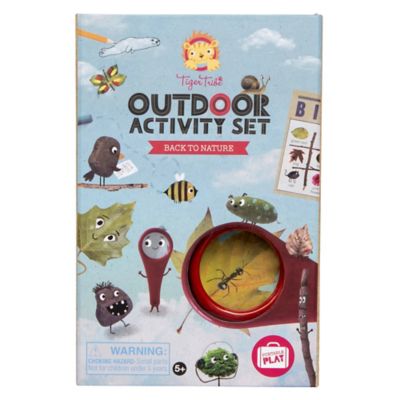
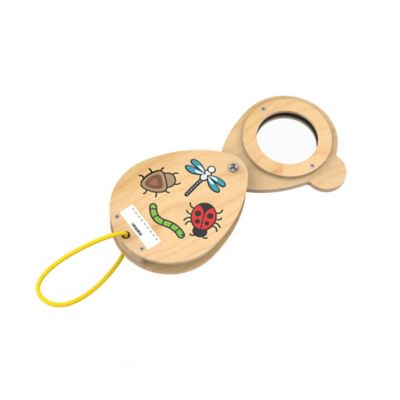
Kids’ insect collecting and observation kits put small wonders within easy viewing distance, from the antennae on a beetle to the fine veins in a wing. These sets bring together tools for finding, temporarily holding, and examining insects, helping children connect what they see in the yard with what they learn in books or at school. Depending on the design, a kit may include a collection net, a clear viewing container, a magnifier, gentle handling tools, or identification materials. Some focus on live catch-and-release observation, while others feature enclosed specimens for examining insect anatomy without catching anything. That difference matters for a child who wants to explore beside the garden versus one who would rather study at the kitchen table. A clear chamber offers a view from several sides, while a magnifying lens makes small features easier to see. Mesh panels or ventilation openings allow airflow in containers intended for brief live observation; a sealed specimen block serves a different purpose and does not need an opening. Nets with soft mesh can support gentle collecting, and broad, easy-grip handles are more manageable for small hands than narrow handles that demand a tight pinch. Age recommendations help families judge whether the tools, closures, and loose parts suit the child, although adult supervision still matters around live creatures. An insect kit can turn a brief encounter along a fence line into a closer look at six legs, a pair of antennae, and three main body sections. It also gives children a chance to notice that not every little creature is an insect: spiders have eight legs, and other backyard animals have their own features. The appeal is less about filling a container and more about having enough time and a clear enough view to notice what makes each creature different. For many children, a single beetle walking across a clear floor offers plenty to watch, especially when its feet, jaws, and antennae are visible without holding it between their fingers.
The construction of an insect observation kit affects how it feels in a child’s hands and how well it stands up to repeated outings. Lightweight plastic containers are easy to carry, while clear acrylic viewing surfaces can provide an open view of enclosed specimens. Scratch resistance, smooth edges, firmly attached handles, and well-supported mesh are useful considerations for equipment that travels between a shelf, a backpack, and the yard. A wide opening can make supervised transfers less awkward, but a lid also needs to close securely enough to keep a temporary guest contained. Ventilation openings should suit the size of the creature being observed; a gap that works for a large beetle may not contain a much smaller insect. A magnifier built into a lid keeps the lens close at hand, while a separate magnifying glass gives children more freedom to follow movement or examine a leaf without collecting anything. Carrying straps and handles should fit the child and the activity, without loose lengths that snag on nearby branches or equipment. Care needs vary by material, so manufacturer directions matter, particularly for lenses, electronic components, and preserved specimens. Removable containers that permit cleaning are helpful after contact with soil or leaves, and parts should be dry before storage. Abrasive scrubbing can cloud clear viewing surfaces, making gentle cleaning a better match when the care directions allow it. Battery compartments, if present, belong under adult control, and small accessories need storage away from younger children. Live observation also calls for care beyond the equipment itself. A portable viewer is a short-term observation space, not automatically a complete habitat with suitable food, moisture, and room for extended care. Keeping observation brief and returning a locally collected insect to the place it came from supports a catch-and-release approach. Stinging, biting, unfamiliar, or protected creatures are better watched without handling, and children should never reach into hidden spaces around rocks, wood, or equipment. These boundaries leave plenty of room for discovery while keeping the outing manageable.
The right kids’ bug-catching kit fits the child’s interests as much as their age. A younger explorer may get the most from a roomy viewer with a simple closure and just a few easy-to-hold tools. An older child may appreciate a stronger emphasis on magnification, identification, and recording observations. Enclosed specimen sets can suit children who enjoy close inspection but feel uneasy around moving insects, and they give siblings or classmates a chance to examine the same features at their own pace. For home learning, a kitchen-table session might center on comparing leg shapes, tracing the outline of a wing, or matching a specimen to a picture. Outdoors, a child might watch an ant follow an edge or notice how a beetle tucks its wings away before walking. A notebook adds a place for drawings, location notes, and questions to explore later, without turning every outing into a formal lesson. Families, grandparents, teachers, and youth-group leaders can all find a place for these tools in shared activities, especially when each child has a clear role, such as observing, sketching, or helping an adult keep track of equipment. As a birthday gift, an insect exploration set can suit a child who stops to inspect every moving speck along the path. The best match leaves room for that curiosity without requiring an interest in every part of collecting; watching through a lens counts just as much as carrying a net. For children who like to keep creating after their observations are done,
Nature Craft Kits For Kids offer another way to explore shapes, textures, and patterns found outdoors. Whether the activity happens beside a garden bed or around a table, insect collecting and observation tools give children a closer view of familiar surroundings and a practical way to practice patience, careful handling, and respect for living things. A thoughtfully matched set keeps the focus where it belongs: on noticing more, handling less, and enjoying the small discoveries that are easy to walk right past.