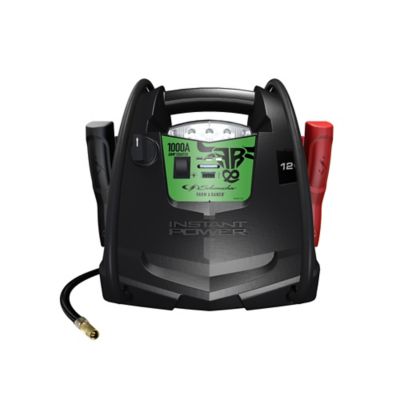
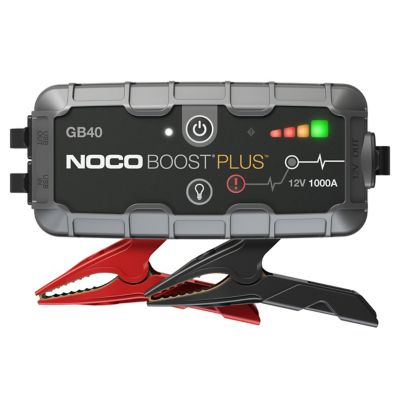
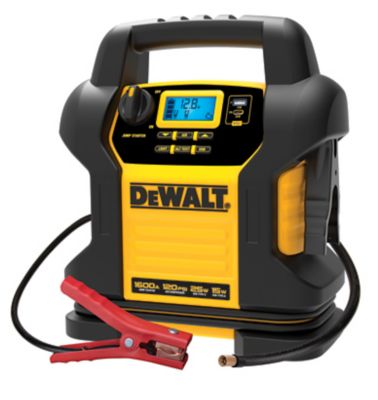
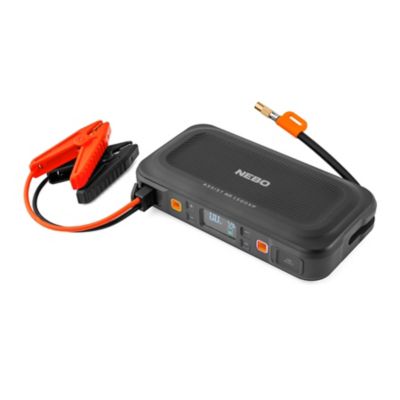
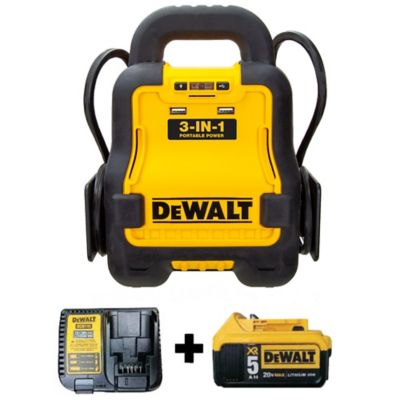
A portable jump starter supplies a short burst of electrical power to help crank an engine when the vehicle’s battery cannot provide enough power on its own. Unlike jumper cables, which require another suitable power source, a charged jump starter carries its own battery, making it a practical piece of equipment for a pickup, garage, farm shop, or roadside emergency kit. That independence matters when a truck is parked out by the equipment shed or a car will not start after its lights have been left on. Jump starters come in several configurations, from compact lithium battery packs that tuck into a carrying case to larger lead-acid units with substantial handles and built-in cable storage. The right fit depends on the vehicle’s electrical system, engine size, and the tasks the unit is designed to handle. A 12-volt jump starter belongs with compatible 12-volt systems; equipment with another voltage requires a unit specifically rated for that system. Gasoline and diesel engine ratings also matter, since a unit suited to a small passenger car may not have the starting capacity required by a larger diesel pickup. Peak amperage alone does not tell the whole story. Manufacturer-stated engine compatibility, starting-current ratings, battery capacity, and operating instructions provide a more useful picture of intended use, especially when comparing units with different rating methods. For households with several vehicles or properties with several pieces of equipment, compatibility across those engines can matter more than choosing the largest number on the package. A jump starter is not a substitute for repairing a failing battery, loose connection, or charging-system problem. It also serves a different purpose from
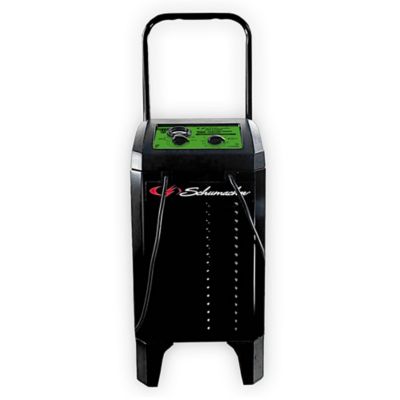
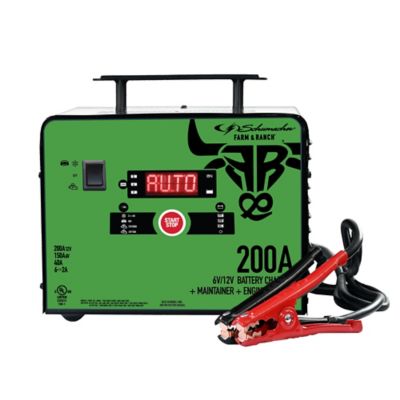
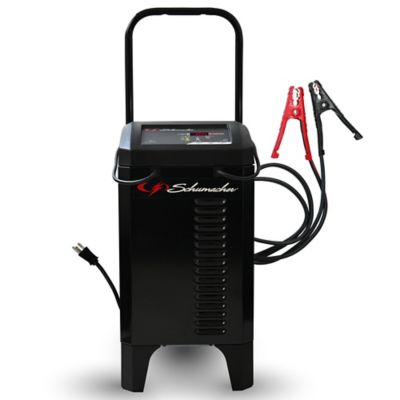
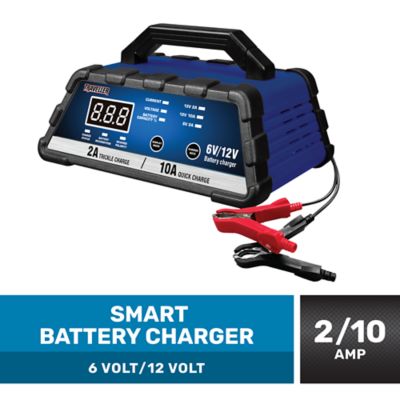
vehicle battery chargers, which restore charge over time rather than simply supplying a starting boost. That distinction helps keep expectations clear: a successful jump can get an engine running, but it does not establish that the battery or alternator is working properly. Repeated starting trouble deserves attention before the next trip down the road.
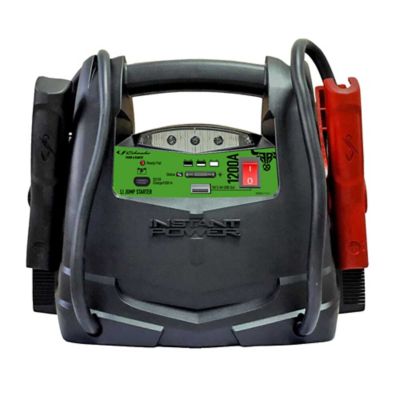
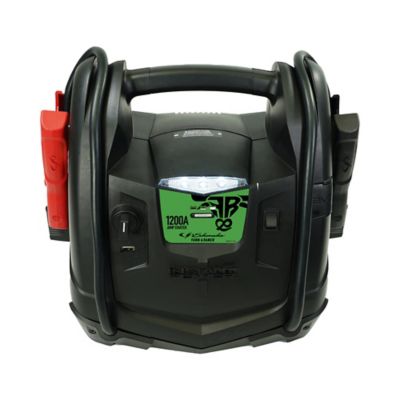
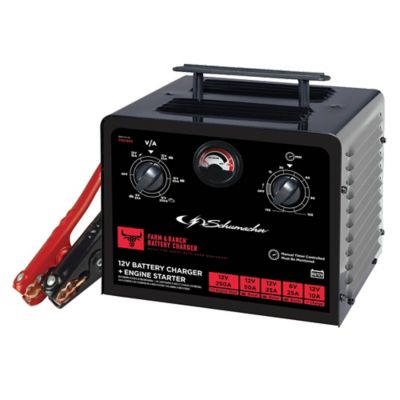
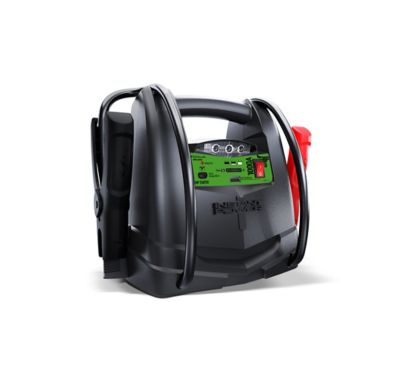
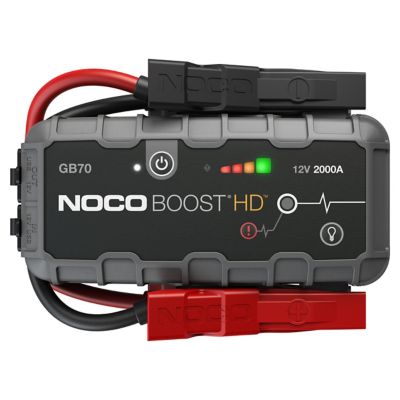
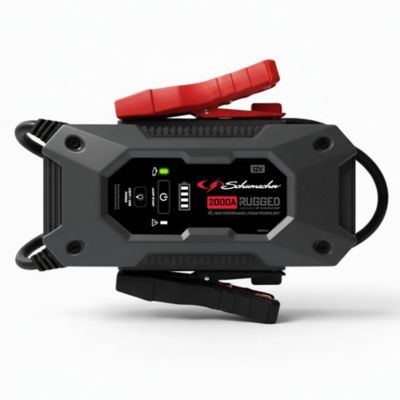
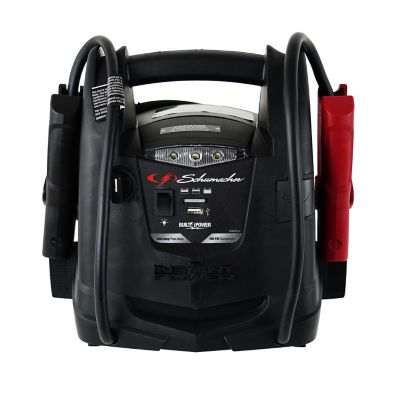
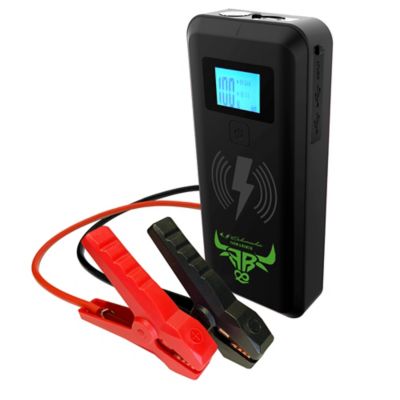
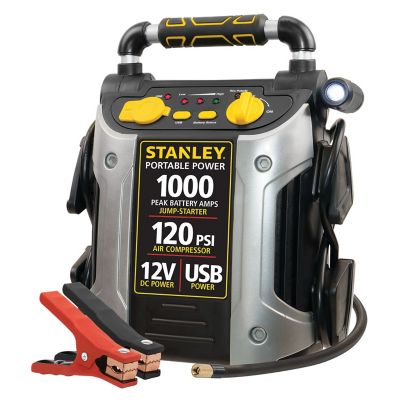
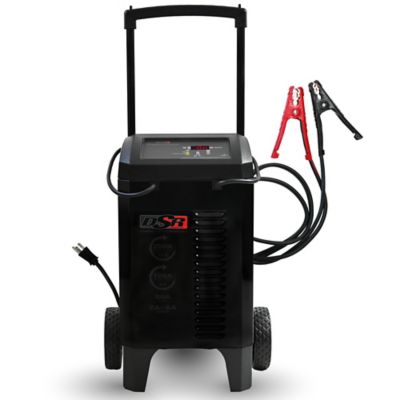
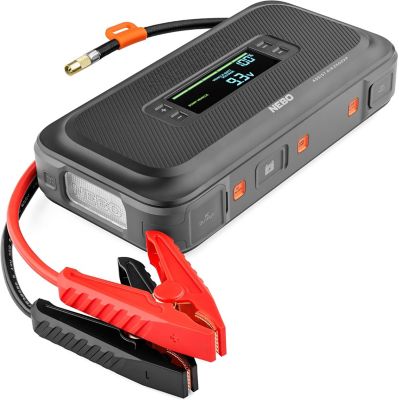
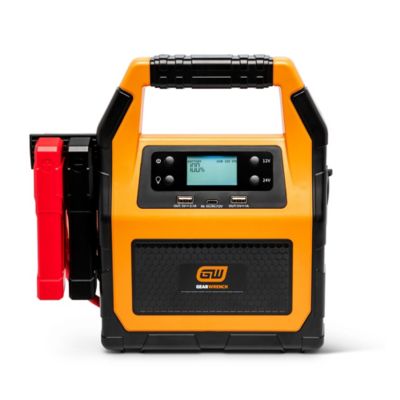
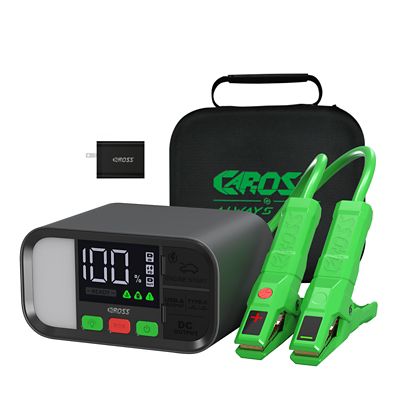
Lithium and lead-acid jump starters offer different balances of size, weight, storage needs, and handling. Lithium units are generally lighter and more compact, which makes them easier to carry between vehicles or keep in a designated compartment. Lead-acid units are generally heavier and larger, with many built around a box-style housing that sits on the shop floor or rides in an equipment compartment. Battery chemistry alone does not determine starting performance, so the unit’s stated applications remain more important than its shape or weight. Both types need charging and care according to their manuals; neither should be forgotten in a toolbox indefinitely and expected to be ready. Recharge intervals, charge indicators, and the included charging connections are worth considering alongside starting capacity. A clear battery-level display makes it easier to check readiness before hauling a trailer or heading out to work on another part of the property. Construction details matter, too. A sturdy housing, protected ports, insulated cable jackets, and well-supported cable connections help the unit stand up to regular handling. Clamps should open far enough for the designated connection points and have grips that are manageable without putting fingers near exposed metal. Cable reach can make a difference under a crowded hood, especially when the vehicle manufacturer specifies remote jump-start terminals rather than direct battery connections. The overall footprint matters just as much: a unit needs a secure storage spot where its cables and clamps will not slide around against tools or other metal objects. Protective cases and built-in cable retainers can help keep everything together. Features such as reverse-polarity protection and spark-resistant connection systems can add safeguards, but their presence does not replace the connection requirements in the vehicle and jump starter manuals. A leaking, swollen, or visibly damaged battery should not be jump-started. Protective features also vary by model, so they should be checked rather than assumed from the unit’s appearance or amperage rating.
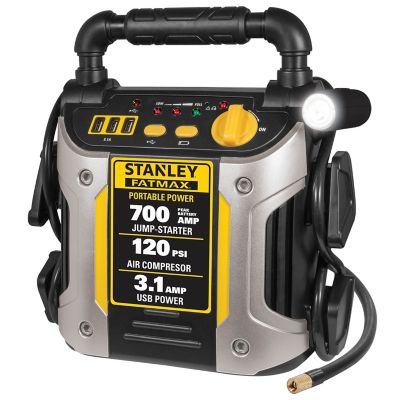
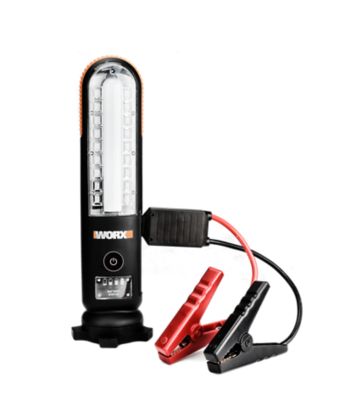
Beyond starting power, some jump starters bring useful extras to a truck cab or shop bench. USB ports can supply power to compatible phones and small electronics, while an integrated light can help illuminate a connection point under the hood. Units with an air compressor combine starting assistance with inflation capability, although compressor pressure ratings, airflow, duty cycle, and tire compatibility all deserve attention. A high maximum pressure rating does not necessarily mean fast inflation for a large truck tire. Added features also draw from the unit’s stored energy, so running a light, charging a phone, or operating a compressor can reduce the reserve left for a starting attempt. For someone who mainly wants a compact emergency pack, fewer extras may make for simpler storage and handling. For a farm shop or household garage, a larger combination unit may suit several routine tasks without needing to be carried far. Jump starters can also make practical gifts for a new driver, a college student taking a car away from home, or a family member who spends long days traveling between jobs. Matching the gift to the recipient’s vehicle is more helpful than choosing by appearance, and readable controls, manageable weight, and straightforward charging connections make ownership easier. Long-term care is mostly about keeping the unit charged, clean, and protected according to its manual. Cable insulation, clamp connections, and the housing need occasional checks for damage, while charging cords and accessories belong together so nothing goes missing when the unit is needed. Storage should keep the jump starter secure and away from moisture, conductive objects, and anything that could damage its case or cables. A charge check before a long drive, an equipment move, or a trip away from the home place helps turn a forgotten box into useful backup. With the right electrical compatibility, sufficient starting capacity, and regular attention, a jump starter earns its place alongside the other gear kept ready for an unexpected setback.