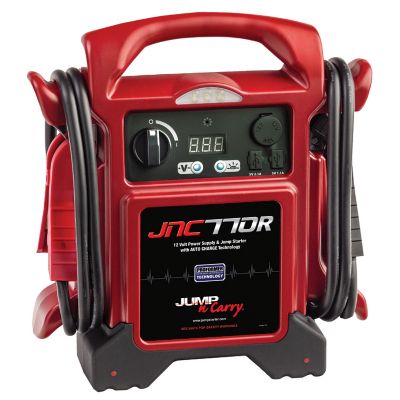
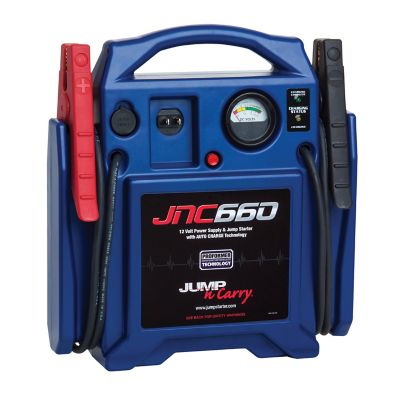
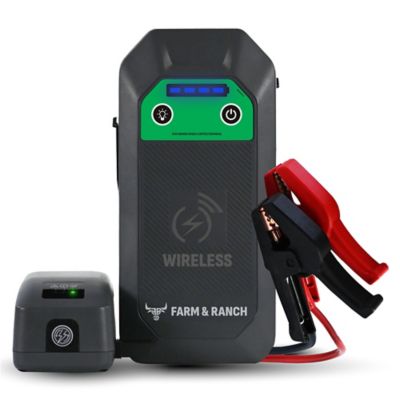
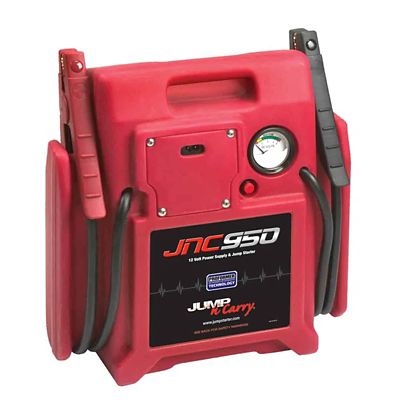
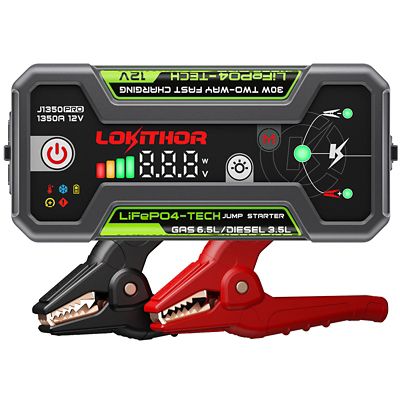
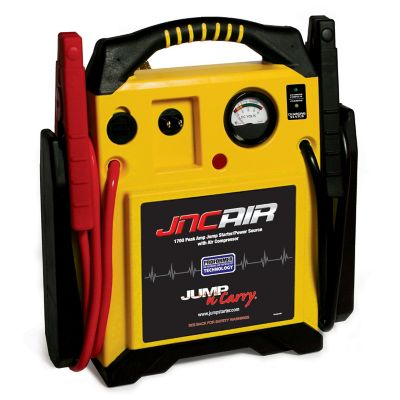
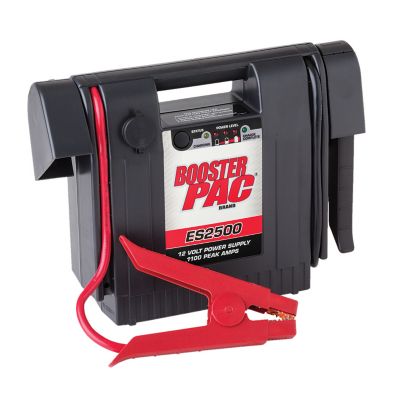
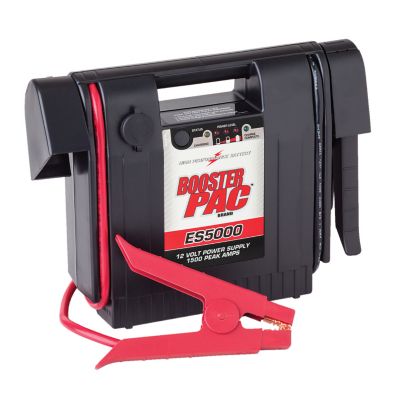
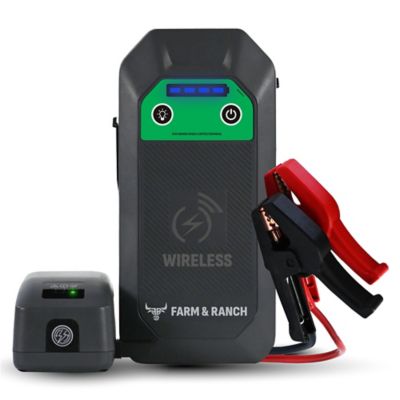
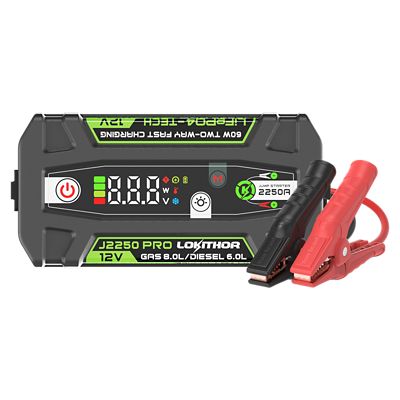
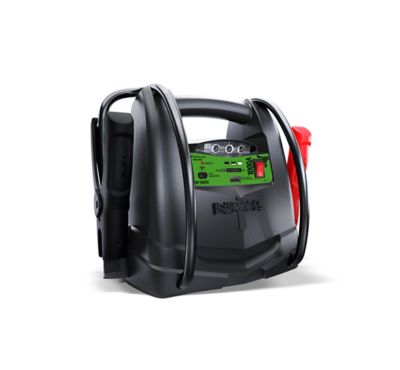
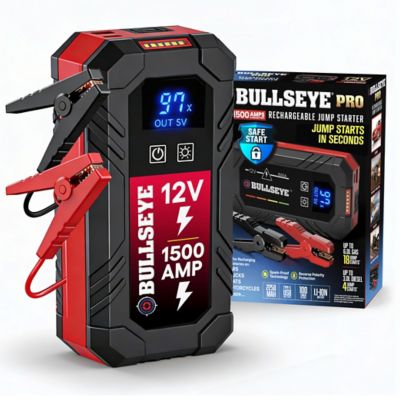
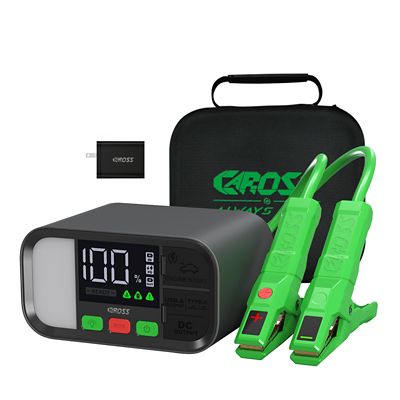
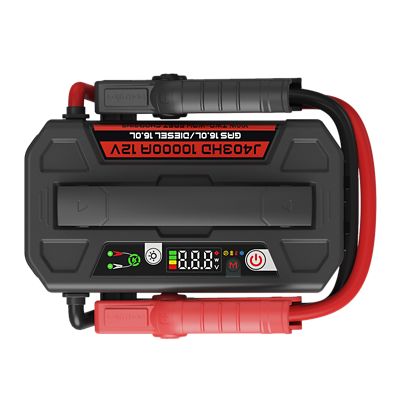
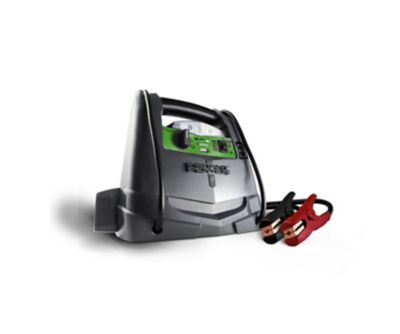
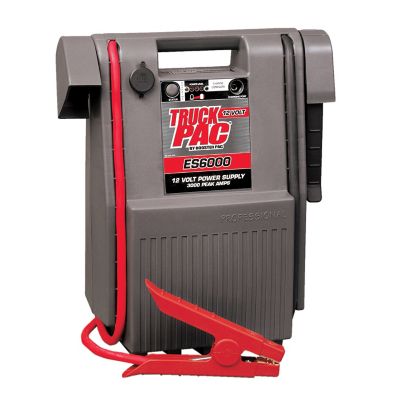
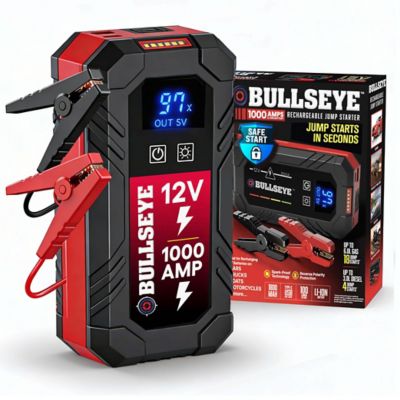
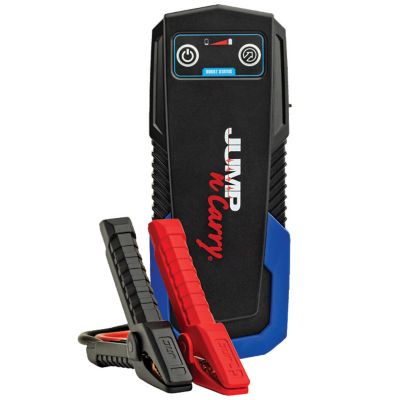
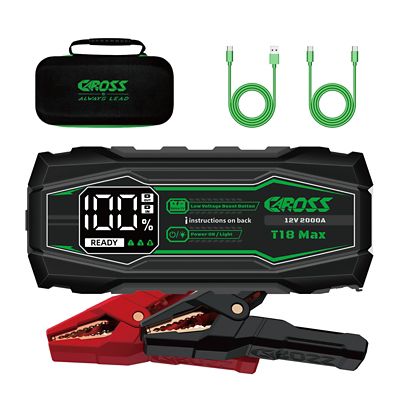
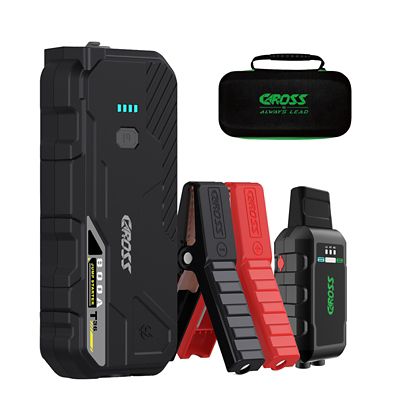
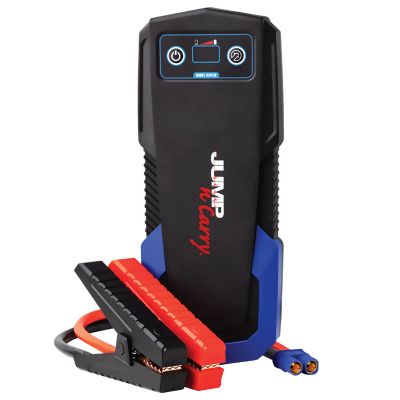
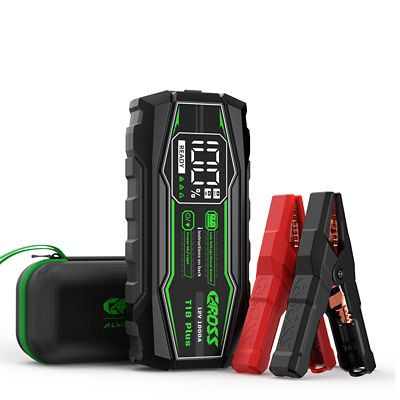
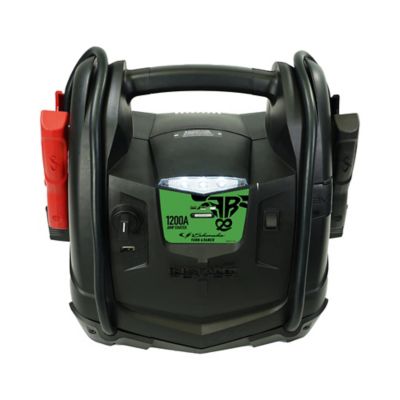
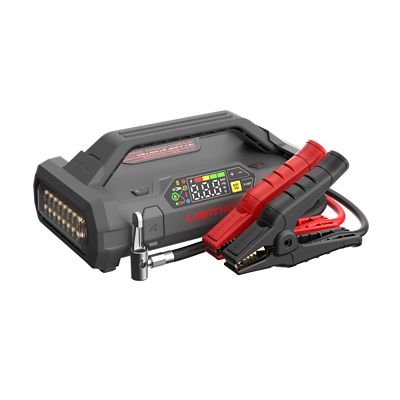
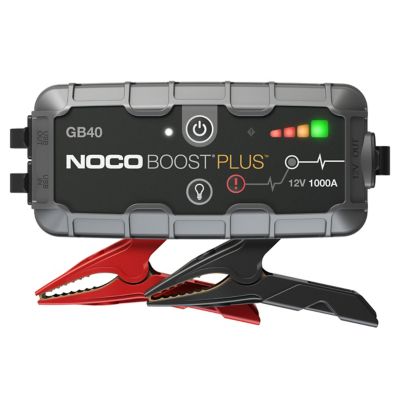
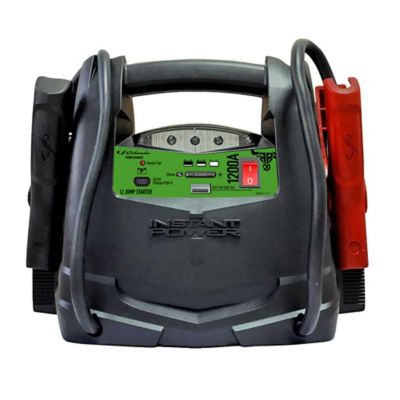
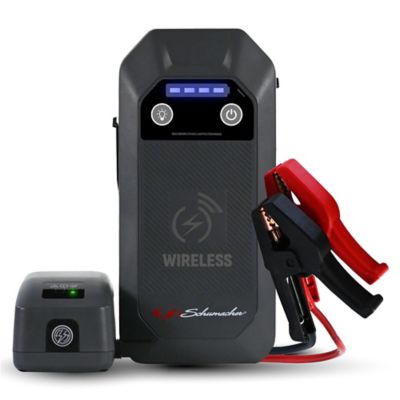
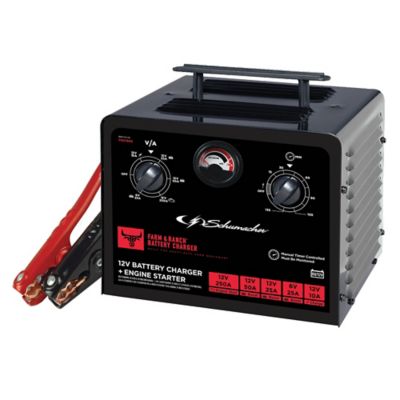
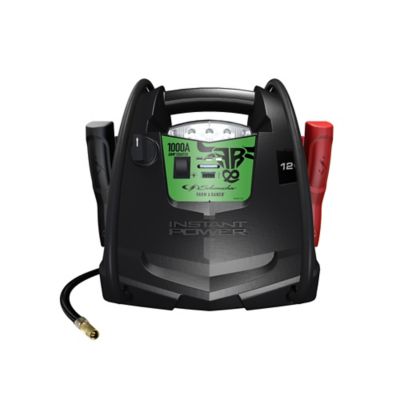
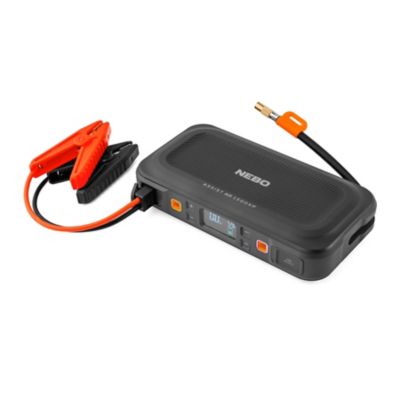
12 volt jump starters are handy emergency tools for cars, pickup trucks, SUVs, motorcycles, boats and many other vehicles that use a 12-volt battery system. Instead of waiting for another vehicle and a set of jumper cables, a charged portable jump starter can provide the power needed to crank an engine and get you back on the road. They are especially useful for rural drivers who may travel long distances, work far from town or park equipment near a barn, field, hunting camp or jobsite. A dead battery can happen after leaving a light on, sitting through a long stretch of cooler weather or running a radio and other accessories with the engine off. It can also show up without much warning when an older battery is nearing the end of its service life. When comparing 12 volt jump starters, start with the vehicle’s engine size and fuel type. Peak amperage ratings of 1,000 to 2,000 amps or more are common, but the right choice depends on the manufacturer’s starting recommendations and whether the pack is intended for a gas engine, diesel engine or smaller powersports battery. Larger trucks, diesel pickups and work vehicles generally need more starting power than compact cars or motorcycles. A jump starter with a higher capacity may also provide more starting attempts between charges, though its size and weight can increase. Look for heavy-duty clamps with a good grip, clearly marked positive and negative connections, flexible cables and a case that can handle being carried in a truck, tool box or roadside emergency kit. Built-in reverse-polarity protection, short-circuit protection, overcharge protection and ready or warning indicators add another layer of confidence, especially when the light is poor or the person using the unit is in a hurry.
Before using a 12 volt jump starter, read the instructions for that particular unit and check the vehicle owner’s manual. Make sure the jump starter has enough charge; keeping it above half capacity is a practical habit when it may be needed for a larger engine or more than one attempt. Turn off the vehicle, set the parking brake and switch off lights, heaters, radios and other accessories. Open the hood and inspect the battery area. Do not try to jump a battery that is cracked, leaking, badly swollen, frozen or otherwise damaged, and keep sparks, flames and cigarettes away from the battery. Attach the red clamp to the positive (+) battery terminal and the black clamp to a clean, unpainted metal ground on the engine block or another approved grounding point, unless the vehicle or jump starter instructions specify a different connection. Keep the clamps from touching each other, turn on the pack if required and look for the ready indicator. Allow a few moments for the connection to register, then try starting the vehicle with short cranks rather than holding the key or starter button for a long period. If the engine does not turn over, stop and check the connections, charge level, battery condition and engine requirements instead of repeatedly forcing the starter. Once the engine starts, remove the black clamp first and then the red clamp, keeping the clamps separated, and turn off the jump starter. Let the vehicle run or drive it as recommended by the vehicle manufacturer so the charging system can restore some battery power. A portable jump starter is an emergency aid, not a repair for a failing alternator, damaged cable or worn-out battery. If the vehicle continues to need a jump, have the battery and charging system tested.
Many 12 volt jump starters do more than start an engine, which makes them useful to keep in a daily driver, farm truck, camper, boat trailer or roadside kit. USB charging ports can help power a phone when service is limited or a long day in the field runs late. An LED light can illuminate battery terminals, a dark driveway or the space beneath a hood during the cooler months, while a battery level display makes it easier to tell when the pack needs charging. Some units include an air compressor for topping off a tire, and shoppers looking for that combination can browse
Jump Starters With Air Compressors. Keep in mind that added features can affect size, weight, charging time and price, so choose the functions that fit the way the unit will be used. A jump starter can make a thoughtful gift for a new driver, college student, frequent traveler, ranch hand, outdoors person or anyone who spends time on back roads. It is also a practical addition to a holiday emergency kit, especially for a family member who has had to stand beside a cold vehicle waiting for help. Store the unit in a dry place away from extreme heat, check its charge periodically and recharge it after use. Avoid leaving it loose where it can slide around or where metal tools could touch the clamps. With the right starting capacity, dependable safety features and regular upkeep, a 12 volt jump starter can be a small piece of equipment that brings welcome peace of mind when a vehicle battery quits at an inconvenient time.