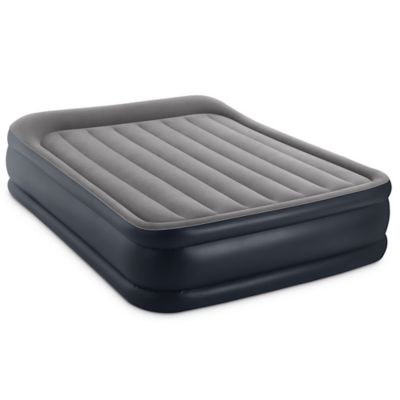
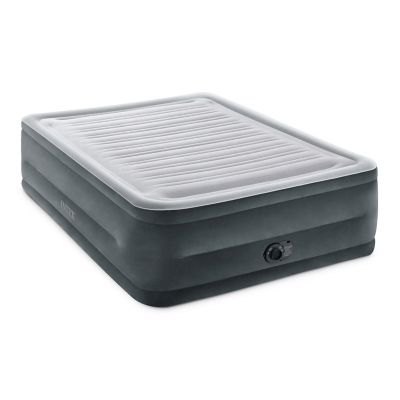
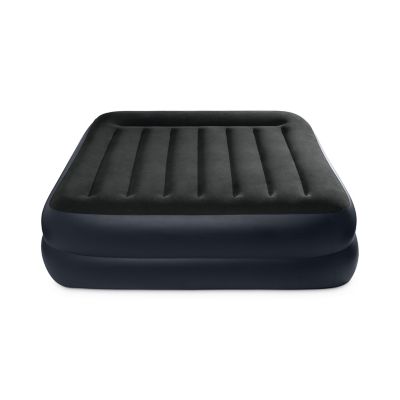
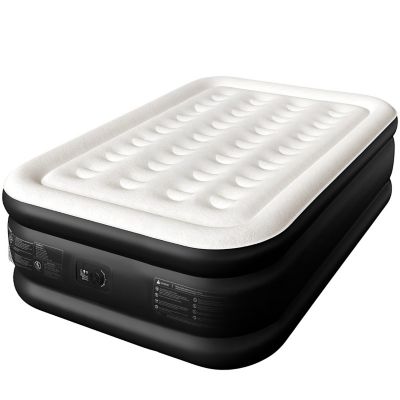
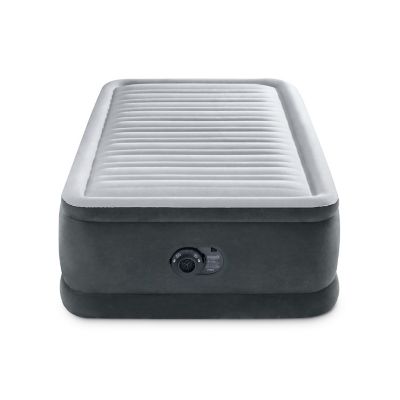
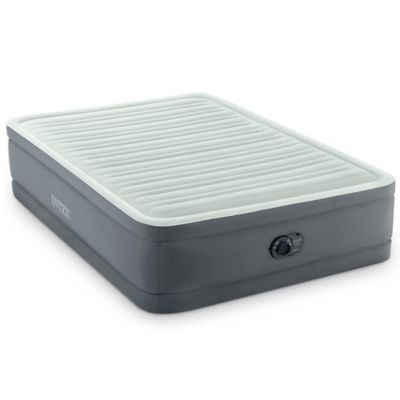
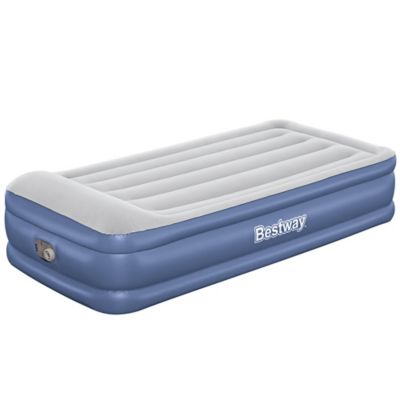
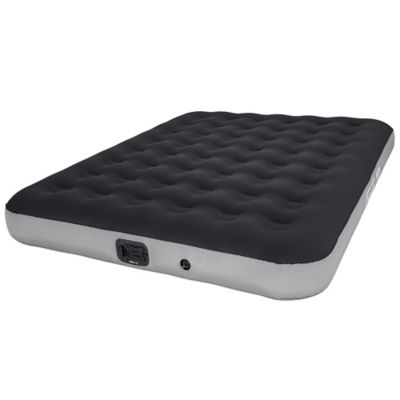
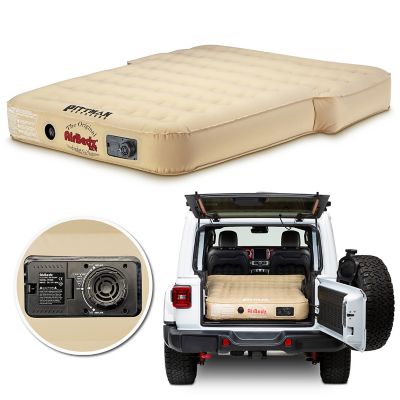
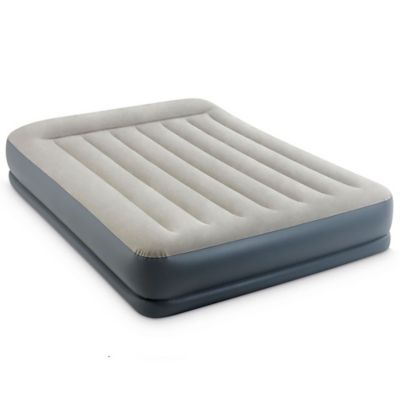
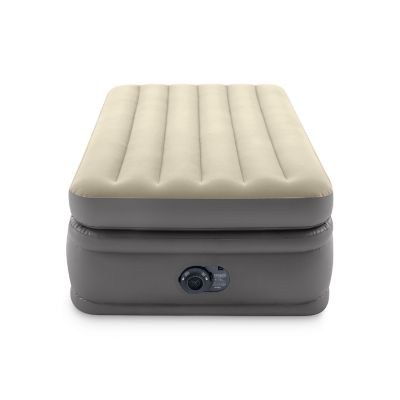
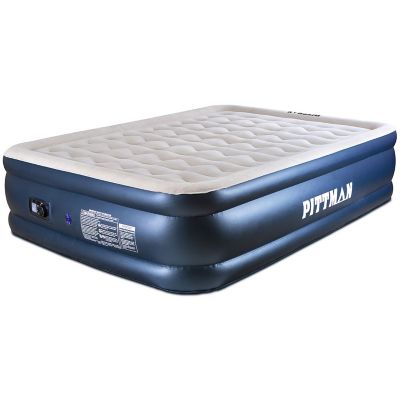
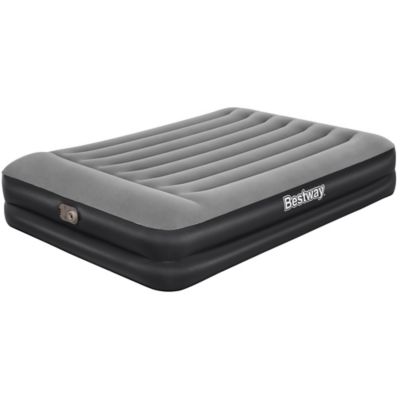
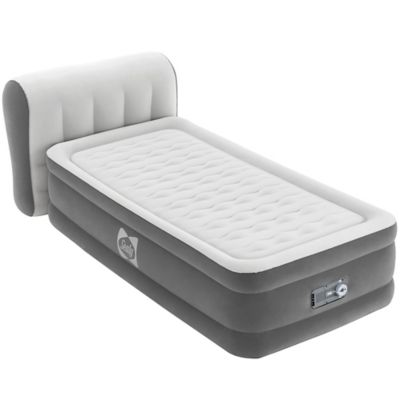
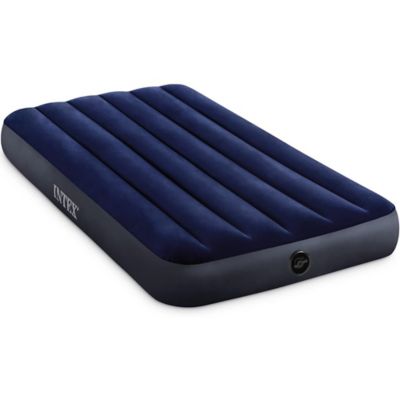
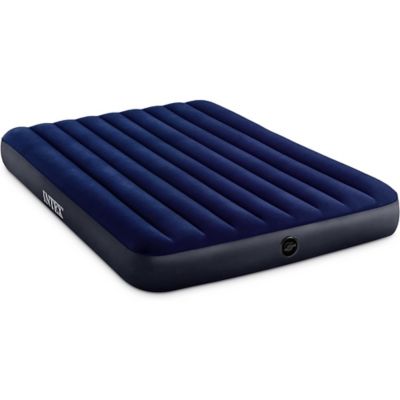
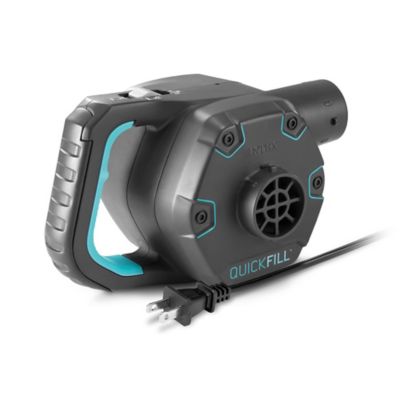
Air mattresses with a built-in pump make room for overnight company without keeping a spare bed set up all the time. They suit the living room that doubles as a guest room, the spare room that holds everything else, and the family gathering that runs past bedtime. An integrated pump stays attached to the mattress, so there’s no separate inflator to track down before guests arrive. Many electric designs plug into a standard 120-volt household outlet, while other models run on batteries or rechargeable power. That distinction matters wherever the bed will go: an outlet-powered mattress needs a suitable electrical connection, and a rechargeable design needs enough charge for the job. Inflation often takes a few minutes, though the time varies with mattress size, pump output, and the firmness selected. A built-in pump doesn’t necessarily mean automatic shutoff or continuous firmness adjustment; those are separate features to look for in the product details. Some pumps also pull air out for packing, while other mattresses rely on an open valve and gentle folding to release it. Twin, full, queen, and king sizes provide familiar starting points, but the listed inflated dimensions tell more about the actual fit. A queen airbed needs space beyond its footprint for walking around, reaching the pump controls, and opening nearby doors. For a single guest in a smaller room, a narrower mattress can leave a clear path to the bathroom instead of taking over the whole floor. Raised designs bring the sleeping surface farther off the ground and may make getting in and out less of a reach, while lower profiles take up less vertical space. Neither height nor size alone determines support. The mattress’s stated weight capacity, its internal construction, and the sleeper’s preferences all play a part. Capacity applies to the total load, not each person separately, so a shared bed needs a rating that suits everyone sleeping on it. Measuring the space beforehand helps keep a comfortable-looking bed from becoming a tight squeeze.
Comfort comes from more than the amount of air inside. Many inflatable mattresses have PVC bodies, sometimes paired with reinforced layers or a flocked sleeping surface. Smooth sidewalls wipe clean easily, while a flocked top adds a fabriclike feel and helps keep bedding from sliding as readily. Internal air coils, beams, or chambers help the bed hold its shape and distribute weight; despite the names, these supports aren’t the same as metal springs in a traditional mattress. Their layout can affect how level the sleeping surface feels and how much movement travels across a shared bed. Reinforcement, seam construction, and the thickness of the outer material also influence resistance to everyday scuffs and punctures, though no inflatable bed belongs on sharp gravel or beside an exposed nail. For indoor guests, a clear floor free of staples, splinters, and small toys gives the mattress a better place to rest. A fitted sheet adds a familiar feel, but its pocket depth needs to match the mattress height, especially on taller airbeds. A washable mattress protector can help keep the sleeping surface tidy between visits. Firmness is personal: some sleepers prefer a little give, while others want a flatter, firmer surface. The right fill level stays within the manufacturer’s directions rather than pushing the bed as tight as possible. New mattress material may stretch during its first few inflations, so a small initial drop in firmness doesn’t automatically point to a hole. Ongoing air loss after that settling period calls for checking the valve, seams, and surface according to the care instructions. Sitting heavily on one edge can also feel different from lying across the full bed, particularly on a lower-profile design. These mattresses generally serve temporary sleeping needs, whether that means visiting relatives, an overnight move between homes, or a grown child coming back for a few days. Adult air mattresses are not safe sleep spaces for infants; babies need a separate sleep surface designed for them. For adult guests, clear access around the bed matters just as much as a soft sheet and a good pillow.
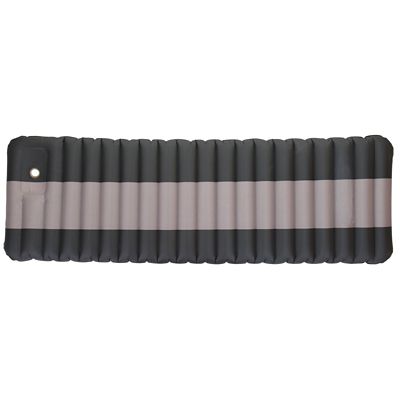
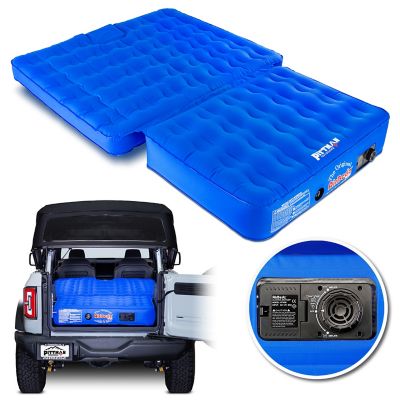
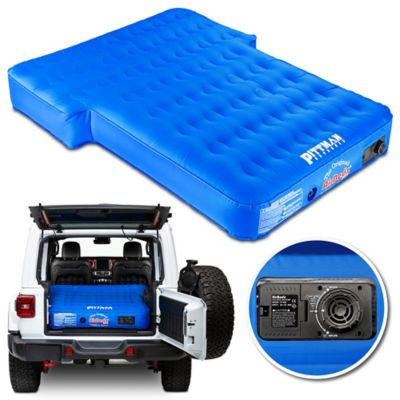
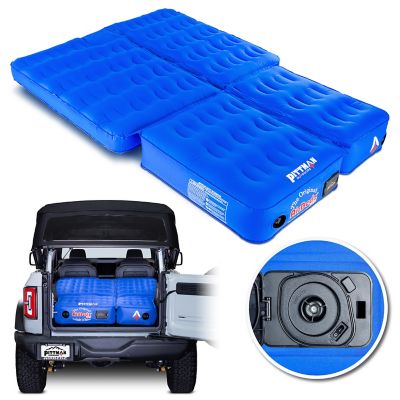
Away from home, a built-in pump is handy only when its power source matches the place it’s headed. An electrical hookup at a campsite is different from a vehicle power port, and a household plug won’t work with every vehicle connection. Rechargeable and battery-powered designs have their own charging requirements and operating limits, so those details deserve a look before packing. For sleeping setups centered around a vehicle,
Air Mattresses for Car Camping offers a related category to explore. Mattress length and width need to fit the available sleeping area, whether that’s inside a tent or within a parked vehicle that can accommodate it. Wheel wells, folded seats, tent walls, and sloped floors can all take away usable room. A taller mattress also leaves less headroom beneath a low tent roof. Packed dimensions matter, too, especially when the same cargo space has to hold bedding, feed sacks, fishing gear, or luggage. The listed mattress weight and whether a storage bag is included help set expectations for carrying and stowing it. Care between trips and guest visits makes a difference to how well an airbed holds up. Surface dirt generally comes off with a damp cloth and a mild cleaner allowed by the manufacturer; harsh cleaners, stiff brushes, and machine washing can harm the material or pump assembly. The mattress needs to be fully dry before folding so moisture doesn’t stay trapped in the fabriclike top or storage bag. Pump openings and electrical parts need protection from water, and operating time should stay within the stated limits. Letting air escape fully before packing reduces the need to wrestle the bed into a small bundle. Folding without sharp creases around the pump, keeping pet claws off the surface, and storing the mattress away from sharp tools help prevent avoidable damage. With a suitable footprint, compatible power, and sensible care, an inflatable guest bed can tuck away neatly between the times extra sleeping space is needed.