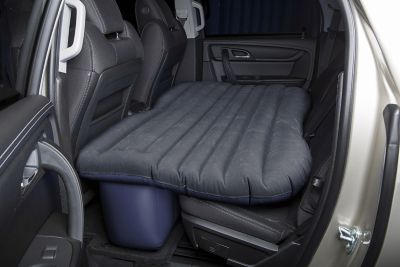
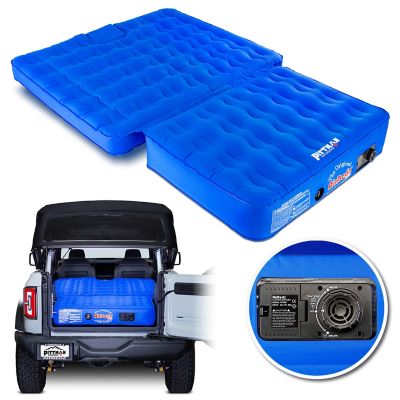
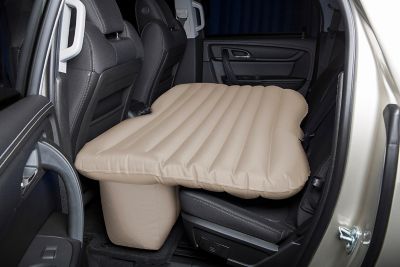
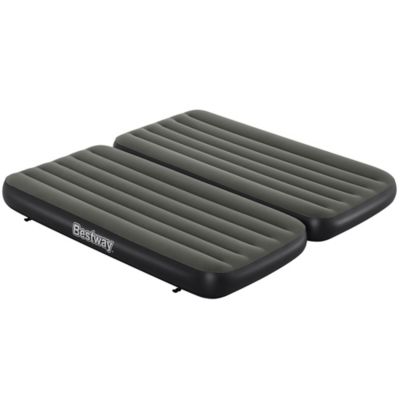
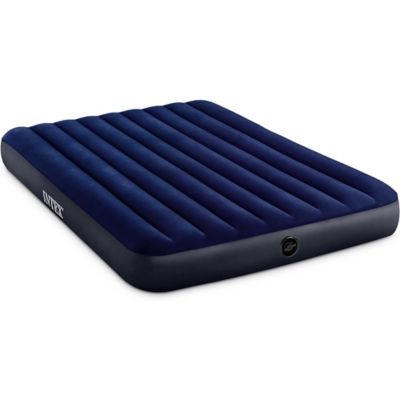
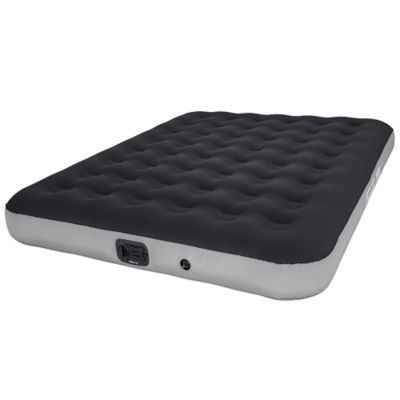
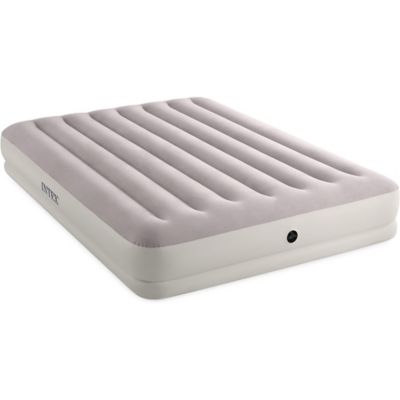
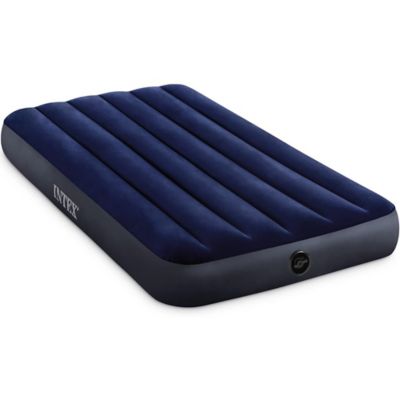
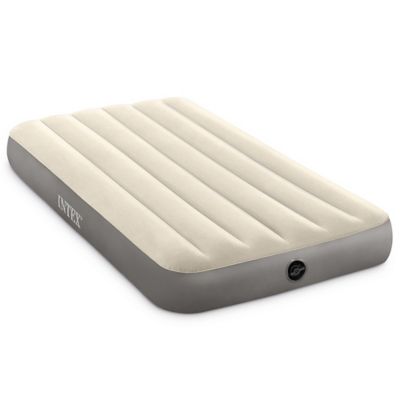
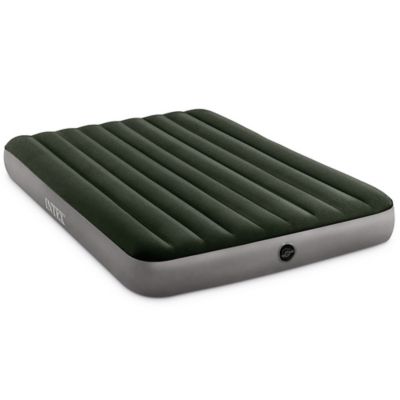
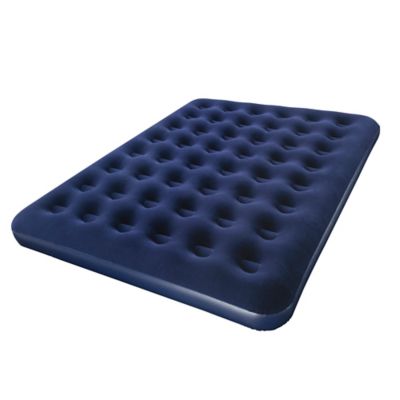
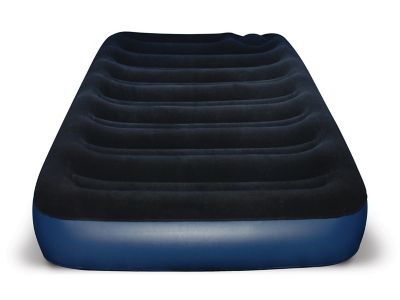
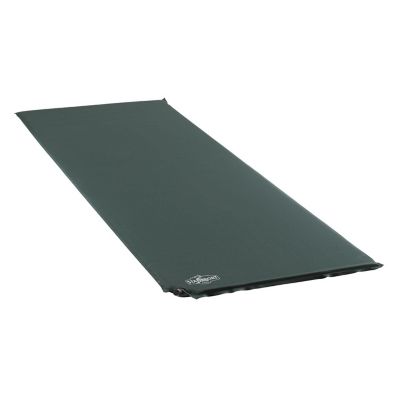
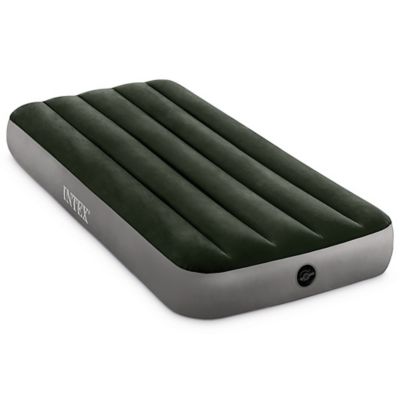
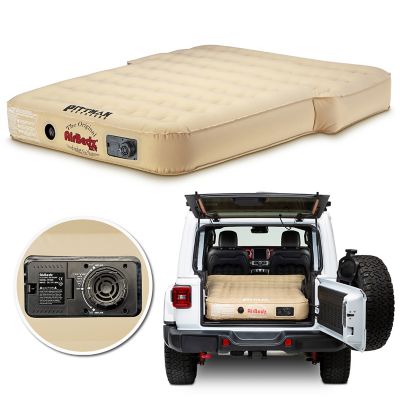
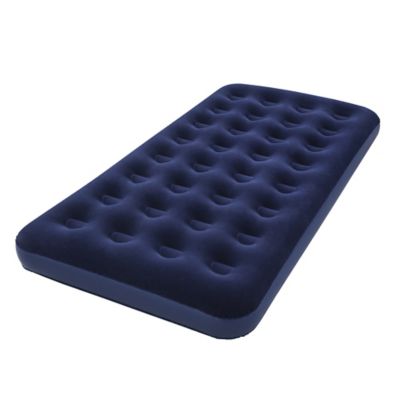
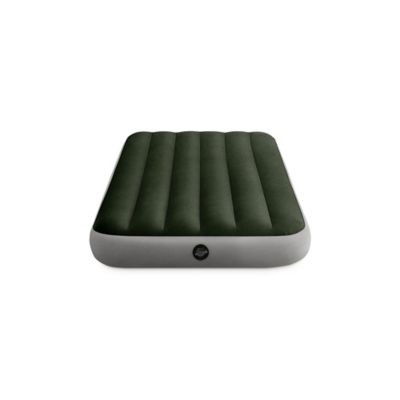
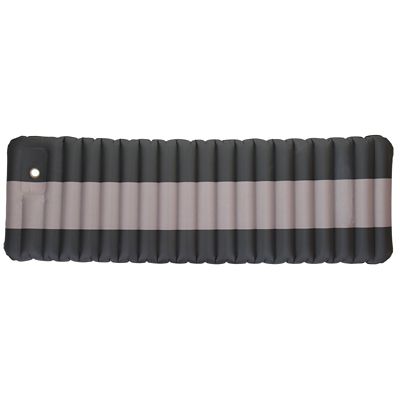
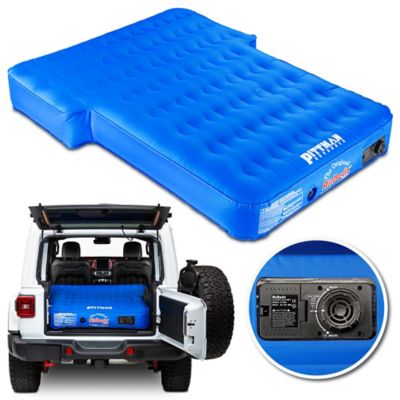
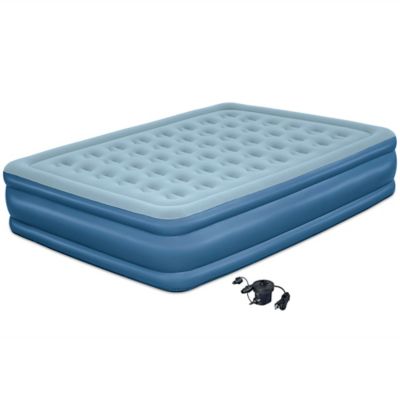
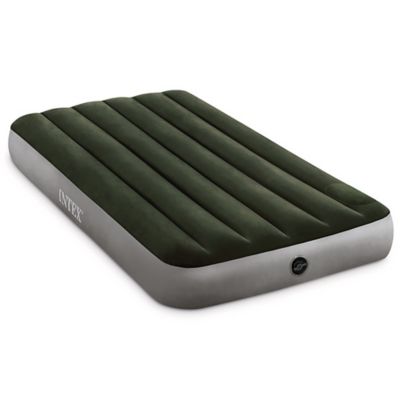
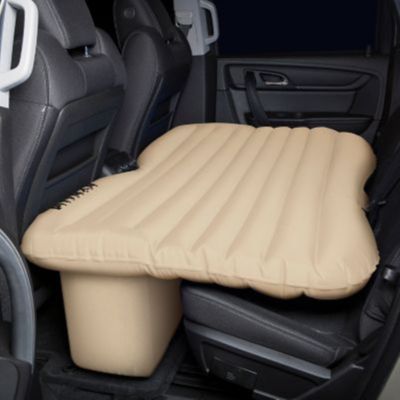
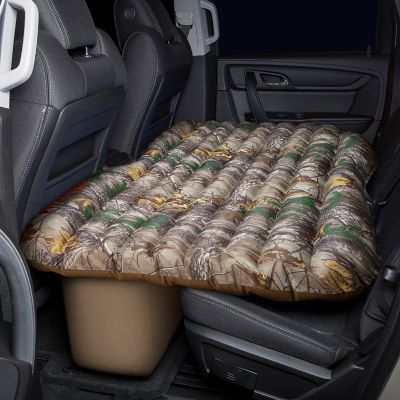
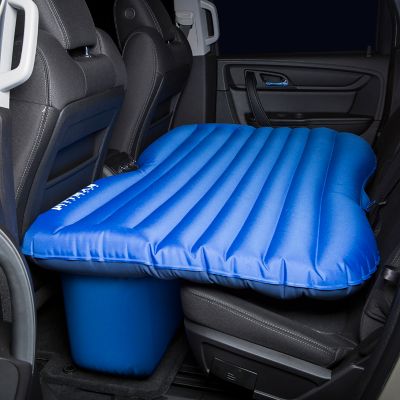
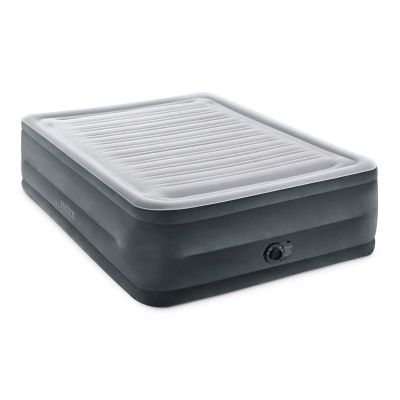
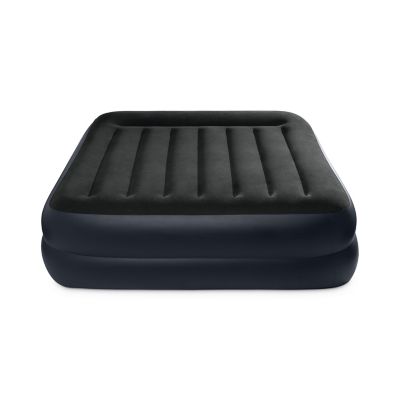
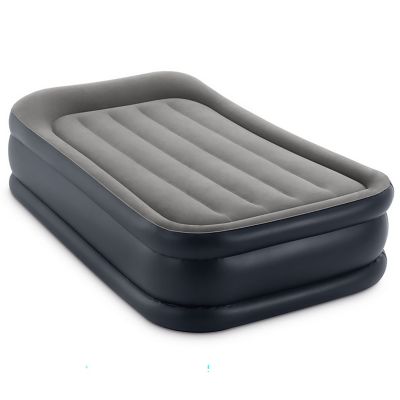
Air mattresses for car camping make it easier to turn a dependable SUV, crossover, van, or pickup cab into a comfortable place to sleep when a tent setup does not fit the trip. They can help take the bite out of a hard cargo floor, smooth out the gap between folded seats, and provide a more restful night after a long drive, a day on the trail, or an early morning hunt. Many campers use them for weekend road trips, fishing outings, tailgate stays, music events, and scenic drives where a full campground setup would be more trouble than it is worth. They can also be handy for visiting family, offering a simple spare sleeping space when guests need a bed in the driveway or garage. A good fit starts with the vehicle, not just the mattress size. Measure the usable sleeping area with the rear seats folded, the front seats moved forward, and the liftgate or doors closed. Pay close attention to wheel wells, center consoles, seat hinges, footwells, and changes in floor height. Some designs are made to work around those shapes, while a basic rectangular mattress may leave gaps or fold awkwardly. Check the listed length, width, and thickness against the actual interior of the vehicle, and allow enough room to climb in and out without brushing against the roof or cargo hatch. A mattress that fits a large SUV may be too wide for a compact crossover, and a setup that works for one sleeper may not leave much shoulder room for two. If the product uses separate air chambers, that can make it easier to adjust firmness or inflate only the portion needed for one person. For solo trips, this may leave room for a cooler, duffel bag, or sleepy dog alongside the sleeping area.
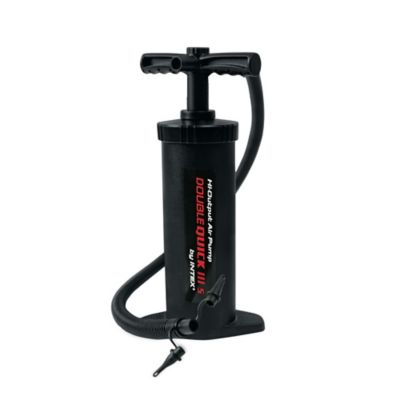
Comfort matters, but warmth deserves equal attention when car camping during the cooler months. Air by itself does not provide much insulation from a cold vehicle floor, and an uninsulated air mattress can draw body heat away through the night. Look for information about insulation or R-value when the mattress will be used in chilly weather, and consider adding a closed-cell foam pad, insulated blanket, or other layer underneath when temperatures drop. A sleeping bag rated for the conditions, warm socks, and a soft blanket over the mattress can make the difference between tossing and turning and waking up ready for coffee. In warmer weather, a breathable sheet or light quilt can keep the sleeping surface more comfortable. Firmness is personal, too. Overinflating may create a stiff, bouncy surface, while underinflating can allow hips and shoulders to sink against the floor. Inflate the mattress on level ground, then adjust it after lying down for a few minutes. A little give often feels better than a rock-hard surface, especially for side sleepers. Check the valve style and pump requirements before heading out. Some air mattresses include built-in or compatible electric pumps, while others require a separate pump. A 12-volt pump can run from a vehicle auxiliary outlet, but the vehicle may need to be switched on for power. A portable power station can be useful when you want to inflate at a trailhead, campsite, or remote parking area without idling the engine. If you need another way to handle inflation and other roadside chores, browse
Portable Air Compressors For Car. Keep the pump, valve adapters, and repair kit together in a small tote so they do not get buried under camp chairs and feed sacks. Before leaving home, inflate the mattress indoors or in the driveway and check for slow leaks, then practice folding it back into its storage bag. That simple test can reveal a fit problem before you are parked beside a quiet lake after dark.
A few practical details help air mattresses for car camping hold up through repeated use. Clear the sleeping area of sticks, grit, sharp tools, fishing hooks, and pet claws before setting up, and place a blanket or ground cloth beneath the mattress if it will be used outside the vehicle. Keep footwear, keys, and a flashlight within reach, but avoid piling heavy gear on top of the inflated bed. Ventilate the vehicle safely to manage condensation, following local camping rules and never blocking safe exits. Window covers can add privacy and reduce drafts, while a small lantern or headlamp makes late-night setup easier without flooding the whole campsite with light. During early fall and the cooler stretch that follows, condensation may collect on windows as warm breath meets cold glass, so a little airflow and a dry towel can keep the interior more pleasant. Let the mattress dry completely before storing it, especially after a damp morning, and check seams and valves from time to time. These beds can be a thoughtful gift for a new SUV owner, an outdoorsy relative, a college student with a vehicle, or anyone who enjoys taking the back roads without booking a room at every stop. They are also useful for families who want a flexible backup sleeping spot for children, hunting partners, or visiting friends. For a couple, look for enough width and a weight capacity that suits both sleepers; for solo campers, a narrower design may leave more room for supplies and make the vehicle easier to organize. Dogs may enjoy the added cushion, but their nails can damage the surface, so use a protective blanket and supervise pets as they settle in. Whether the destination is a quiet pasture-side campsite, a mountain overlook, or a gravel pull-off near a favorite fishing hole, the right car camping mattress helps make the vehicle feel more like a clean, familiar bedroom. Measure carefully, plan for the temperatures you expect, confirm the power source, and choose a construction that matches how often the mattress will travel. With those details handled, packing up for a night away can be as simple as folding the seats, airing up the bed, and settling in under the changing sky.