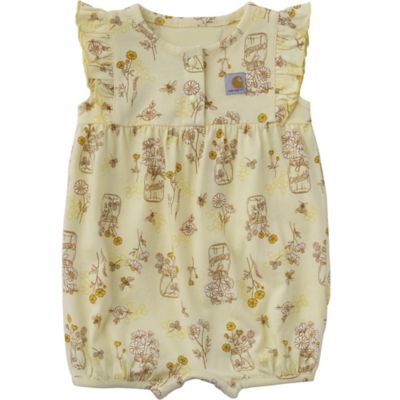
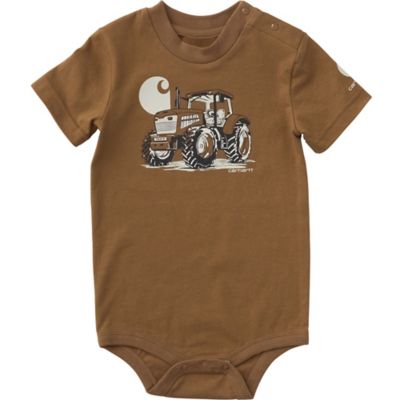
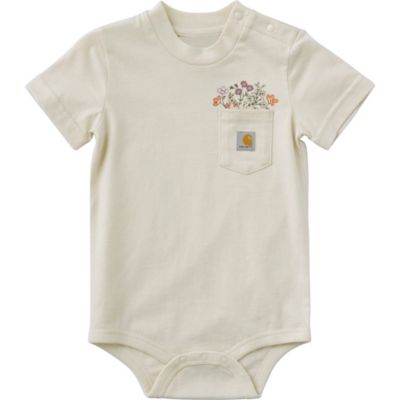
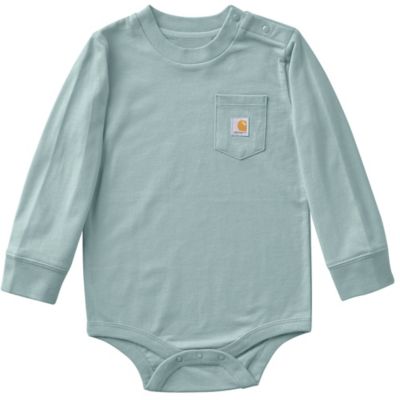
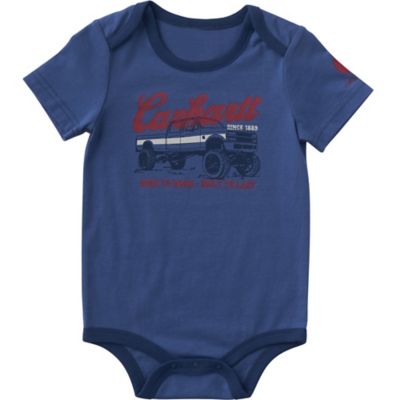
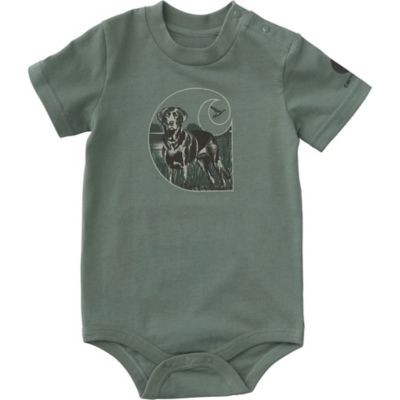
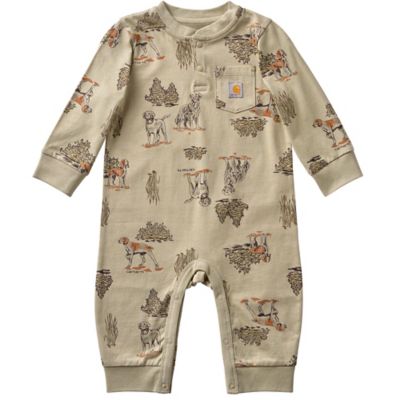
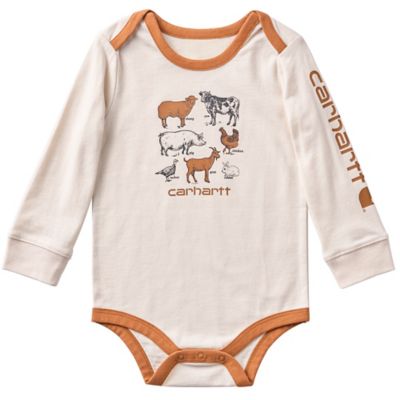
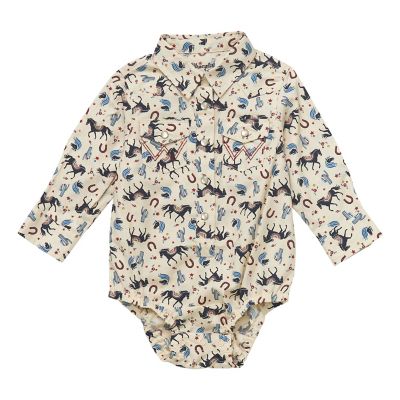
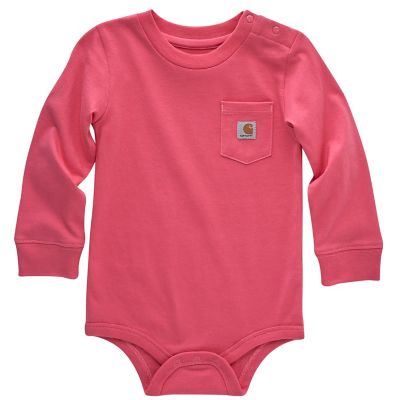
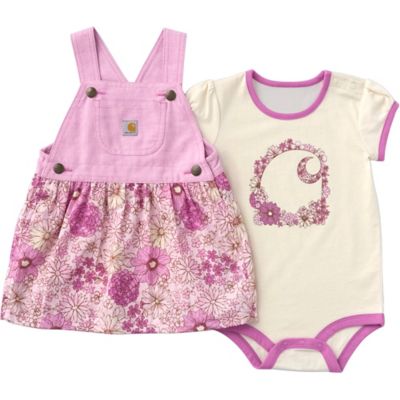
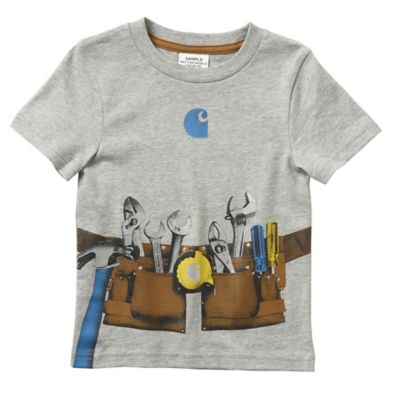
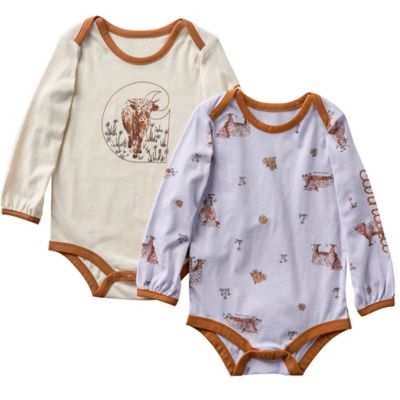
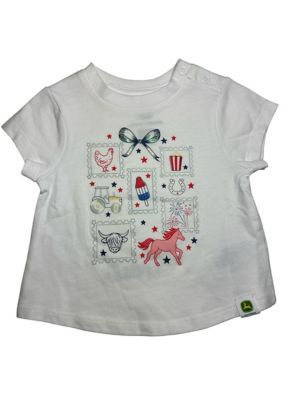
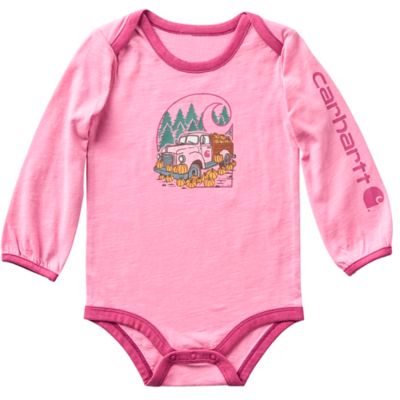
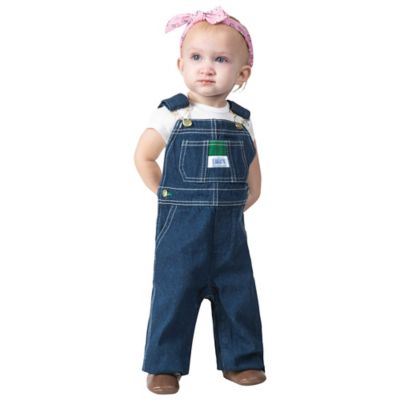
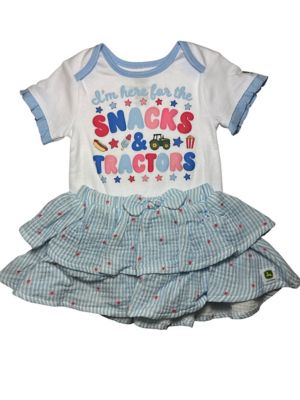
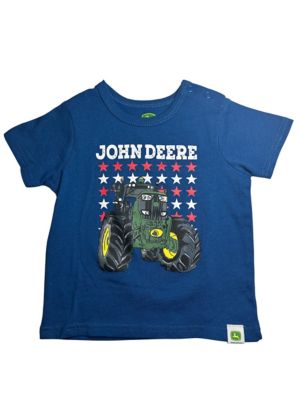
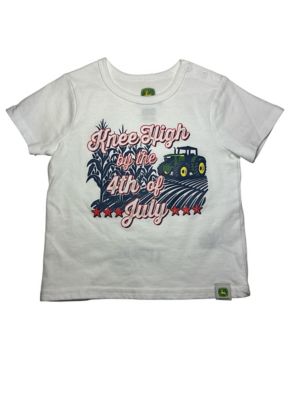
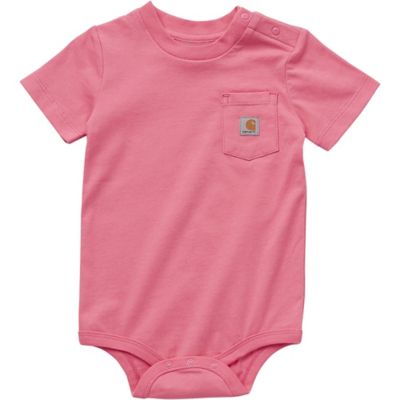
Infant cotton clothes are a practical place to start when dressing a baby for everyday life. Cotton feels soft against tender skin, allows air to move through the fabric, and helps manage moisture during naps, playtime, feedings, and trips in the car. Its breathable feel can help little ones stay more comfortable when indoor heat is running or when a sunny afternoon turns warmer than expected. Cotton also has a natural, easygoing feel that works well for simple layers, making it a dependable choice from the first chilly mornings of early fall through the cooler months of winter. Look for infant clothing in the right size range for the baby’s age, while remembering that babies grow quickly and sizing can vary from one maker to another. A garment that fits close to the body should leave room for normal movement without pressing around the neck, wrists, waist, or legs. Check that snaps, seams, cuffs, and fasteners sit smoothly and do not rub. Stretchy neck openings and flexible cotton jersey can make changes easier, especially when a squirming baby needs a fresh layer in a hurry. For families living on a farm or spending time outdoors, simple cotton basics can serve as a comfortable first layer beneath a warmer sweater, jacket, or coverall. Browse
Children's Outdoor Apparel for additional clothing to help round out a little one’s cooler-weather wardrobe. When the temperature drops, dress babies in layers that can be added or removed as conditions change, and keep hats, socks, and outer layers from becoming too tight. Infants cannot explain when they feel too warm, so adults should check the baby’s chest or back rather than relying only on hands and feet, which may feel cool even when the baby is comfortable.
When shopping for infant cotton clothes, think about the daily rhythm of the household. Bodysuits and other one-piece basics can keep a shirt tucked in during crawling, rolling, or being carried, while soft pants and pull-on layers make room for kicking and stretching. Sleepwear should allow comfortable movement without loose fabric that could bunch around the baby. For daytime, consider pieces that make diaper changes straightforward, with openings that are easy to reach and fasten securely after a change. Families may appreciate a mix of short-sleeve and long-sleeve options so they can adjust clothing as the house warms during the day or cools overnight. Cotton can absorb moisture from small spills and drool, but babies often need a change after a feeding, so having several everyday layers on hand can make busy mornings less stressful. Before washing, check the care instructions and sort light and dark colors as needed. Washing new clothing before the first wear can help remove packing dust or finishing residue, and fragrance-free detergent may be a sensible choice for babies with sensitive skin. Avoid letting fabric softener or strong scents overpower clothing that will rest against delicate skin. Follow the recommended wash and dry settings, and inspect clothing from time to time for loose threads, stretched openings, or worn fasteners. Retire any piece that no longer fits well or has parts that could come loose. Cotton may shrink with high heat, so lower-temperature washing and drying can help clothing keep its intended fit. Families who spend time near barns, gardens, campsites, or dusty roads may want darker everyday colors for play and lighter layers for indoor wear, while still choosing fabrics that feel gentle enough for naps and cuddles.
Infant cotton clothes also make thoughtful gifts for new parents, grandparents, relatives, and friends welcoming a baby. A small collection of coordinating basics can be especially helpful because babies go through several clothing changes in a day, and laundry does not always happen on schedule. When giving clothing as a gift, consider the season when the baby is likely to wear it, the family’s climate, and whether a slightly larger size will be useful after the first growth spurt. A baby arriving during the cooler months may need long sleeves, warm sleep layers, and soft pieces that fit beneath outerwear, while a baby spending early months indoors in heated rooms may need breathable cotton layers that can be adjusted throughout the day. Neutral shades, gentle patterns, and simple shapes can work well when the baby’s style or nursery colors are not known, but comfort and easy care matter more than appearance. Parents often appreciate sets that can be mixed across several days, along with spare pieces for the diaper bag, a visit to relatives, or a ride out to the feed store. For ranch and country families, clothing that handles everyday messes while keeping a baby comfortable can fit naturally into a busy routine filled with chores, errands, and time outside. Keep safety in mind with every garment: choose a proper fit, avoid loose cords or dangling pieces, and follow safe sleep guidance by keeping loose items out of the crib. With breathable cotton layers, sensible sizing, easy-care fabric, and clothing suited to the season, it is easier to keep an infant comfortable from the first morning feeding to the last sleepy cuddle.