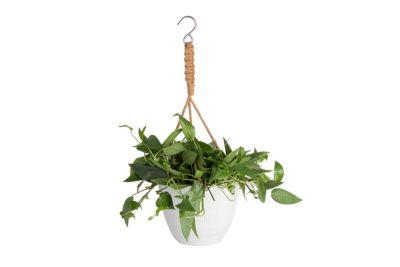
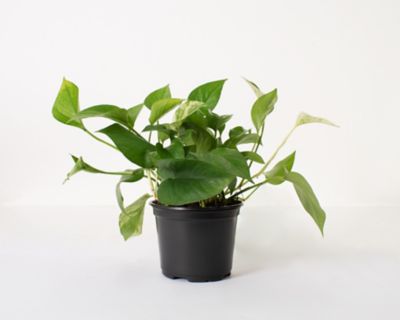
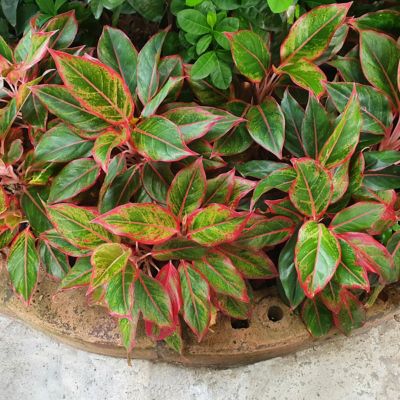
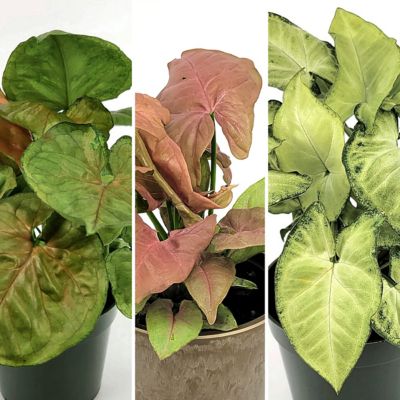
Indoor plants for indirect sunlight bring living greenery to rooms where daylight reaches the space without strong sunbeams landing on the leaves. Indirect sunlight is natural light that is filtered, reflected or received outside the direct path of the sun. Bright indirect light gives a plant plenty of illumination without prolonged direct sun exposure; low indirect light provides less energy for growth. Those conditions are not interchangeable, and a plant that tolerates a dim corner may grow more slowly there than it would near a bright window. That distinction matters when choosing greenery for a kitchen counter, a living room side table or a home office overlooking the yard. A north-facing window often provides indirect light, while an east-facing window may offer indirect brightness along with some direct morning sun. Window size, nearby trees, roof overhangs and the room’s layout all affect how much light reaches the foliage. A sheer curtain can soften direct rays, and a spot a few feet back from a window may keep leaves out of their path. There is no single distance that works in every home, though: a small window under a deep porch roof behaves differently from a wide, unobstructed window. The right placement depends on the plant’s light needs and the actual brightness of the spot. Indoor foliage also gives a room plenty of character without taking over the space. Broad leaves make a fuller display beside a chair, narrow upright growth fits tighter corners, and trailing stems soften the edge of a shelf. Leaf color and markings deserve attention, too, since some patterned foliage needs brighter indirect light to keep its coloring. Plant care information should identify the preferred exposure rather than simply describe the plant as suitable indoors. Matching that preference to a real spot in the house gives the plant a better starting point and makes everyday care easier to work into a busy household routine.
The container and growing mix matter just as much as the view from the window. Indoor plants need room for their roots, drainage that lets excess water escape and a potting mix suited to their moisture needs. A larger pot is not automatically a better fit. Too much extra soil around a small root system can stay wet longer than the plant can handle, especially in a space with less light. A container that suits the root ball, with some room for growth, supports more manageable watering. Unglazed clay allows moisture to move through its walls and often dries faster than plastic or glazed ceramic. Plastic is lighter to carry to the sink, while a heavier container can help balance tall foliage that might otherwise tip. An outer planter without a drainage opening can hold a separate growing pot, but water should not remain pooled around the roots. Saucers help protect tables and floors, provided excess water is emptied rather than left standing. Watering needs vary with the plant, its size, the potting mix and the amount of light it receives. Many foliage plants prefer some drying between waterings, while others need more consistent moisture, so a fixed weekly schedule does not suit every plant. Checking the soil and following the plant’s care information is more useful than adding water simply because the calendar says it is time. In lower light, plants often take up water more slowly, making soggy soil a particular concern. Thick leaves or fleshy stems can suggest water storage, but appearance alone is not enough to set a watering routine. Loose, well-draining potting mixes help balance moisture with air around the roots; dense garden soil can pack down in a container. Routine care may also include wiping dust from broad leaves, removing dead growth and checking stems and leaf undersides for pests. Feeding should follow the plant’s needs and fertilizer label directions, since extra fertilizer cannot make up for insufficient light.
A good match also comes down to how the room gets lived in. A plant beside the kitchen table should leave elbow room, and greenery near a mudroom bench should stay clear of boots, bags and the path to the door. Mature height and spread are better measures of fit than the plant’s size when it first comes home. Upright forms can work beside furniture without stretching across a walkway, while trailing growth needs enough clearance to hang freely without catching on drawer pulls or reaching a busy countertop. A shelf display should stay within reach for watering and inspection, with enough support for the combined weight of the plant, container and wet soil. Plants set farther from a window still need sufficient light; being described as tolerant of low light does not mean a plant can grow in a windowless space without suitable supplemental lighting. For a room with stronger illumination, compare
Bright Light Indoor Plants and check whether the plant prefers bright indirect light or can handle direct sun. That difference helps prevent scorched foliage on one end and weak, stretched growth on the other. Homes with children or pets need another check before a plant finds its place. Some indoor plants can cause harm if chewed or swallowed, so confirm the plant’s identity and safety information rather than assuming that green foliage is harmless. Positioning also matters when leaves dangle within reach of a curious cat or a toddler. Indoor plants can make thoughtful housewarming or thank-you gifts for someone who enjoys tending a bit of greenery, especially when the recipient’s window exposure and care routine are known. A manageable size, a stable container and clear care information make the gift easier to settle into its new home. Whether the setting is a farmhouse kitchen, an apartment living room or a small office, the best fit balances the light on hand with the space and attention the plant needs.