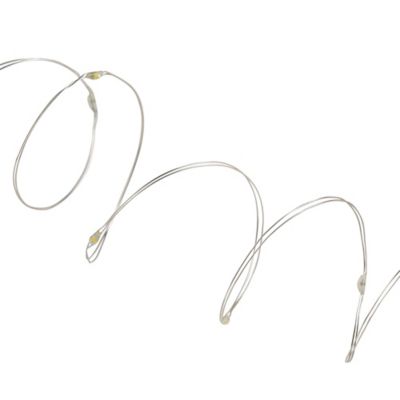
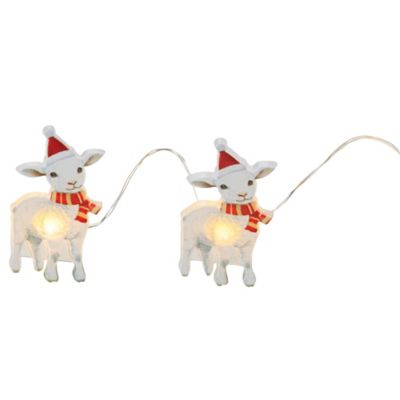
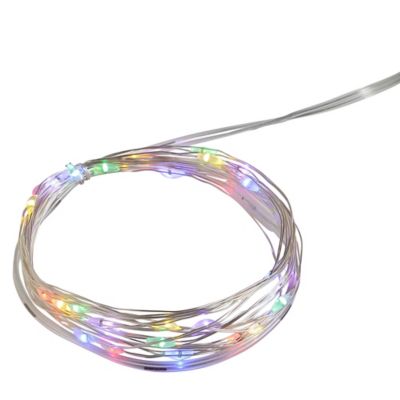
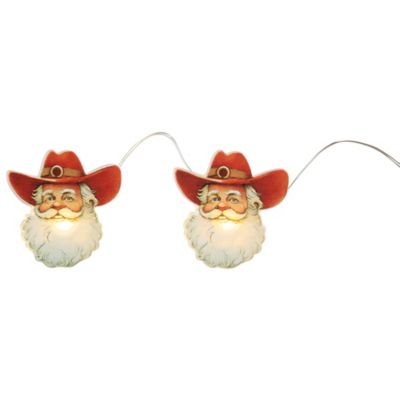
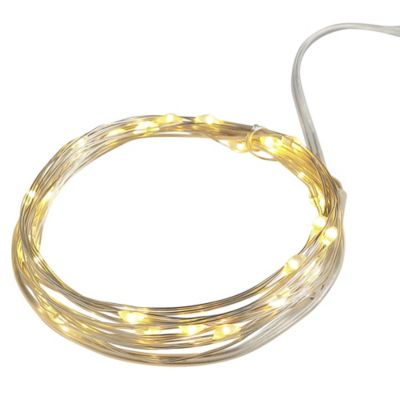
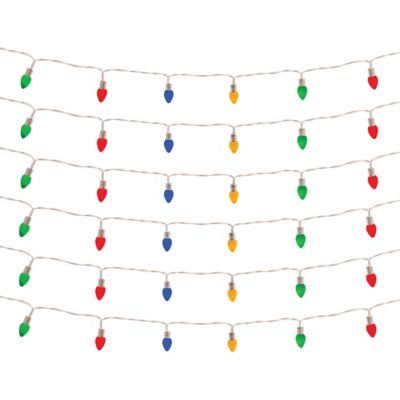
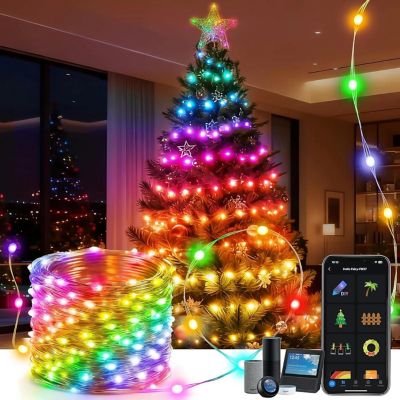
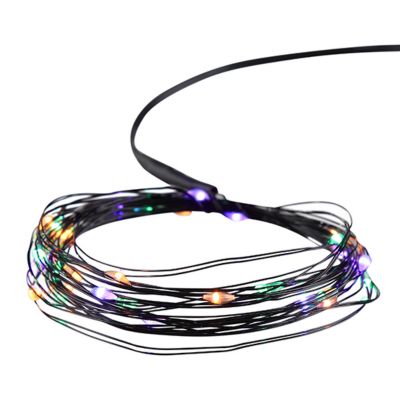
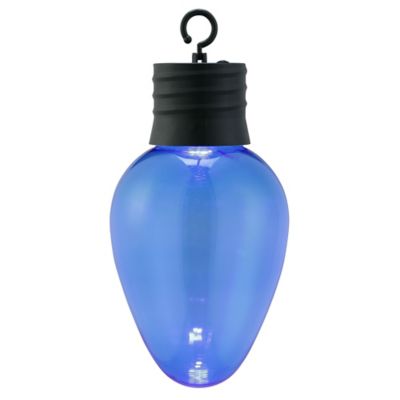
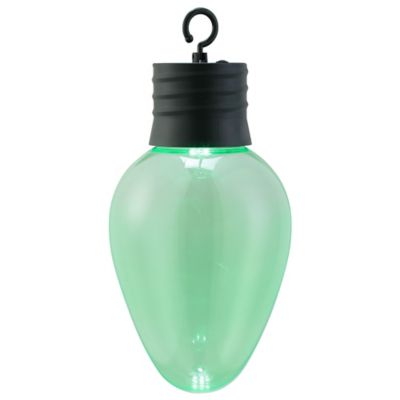
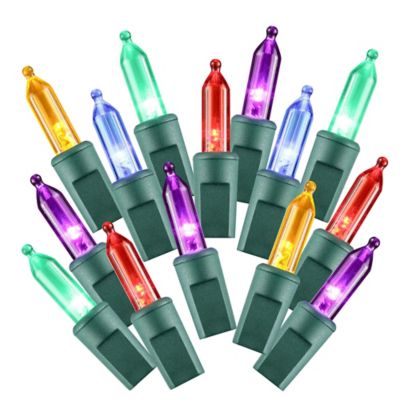
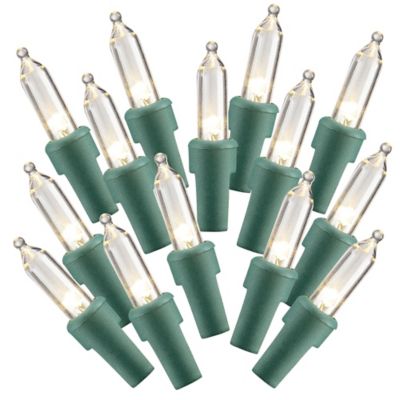
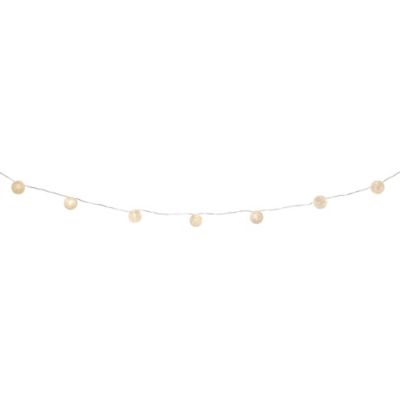
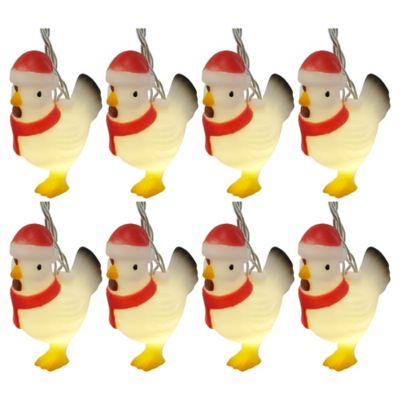
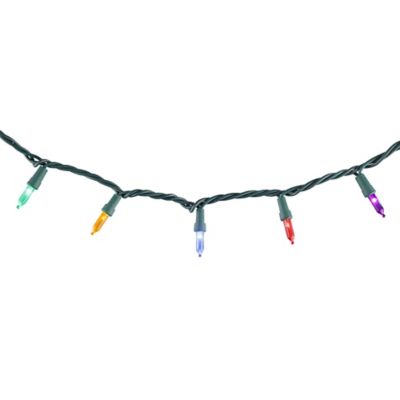
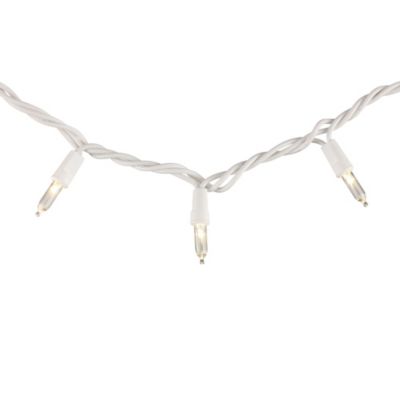
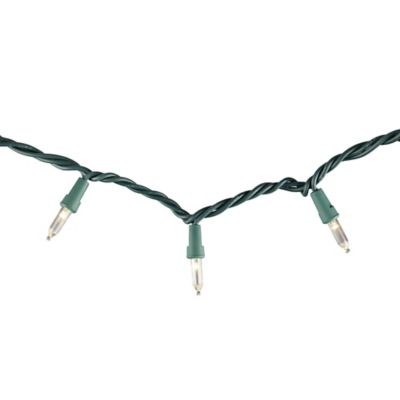
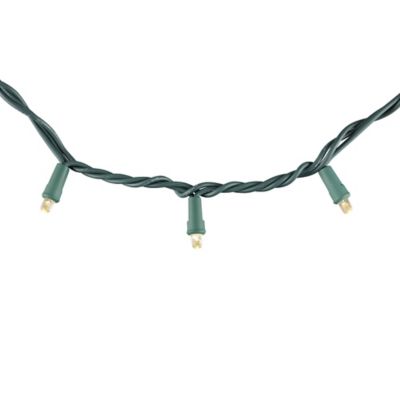
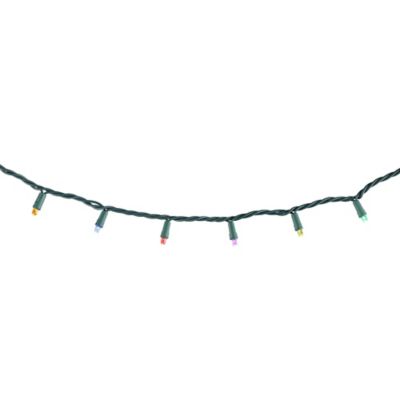
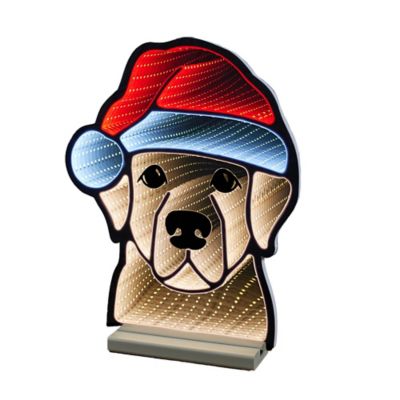
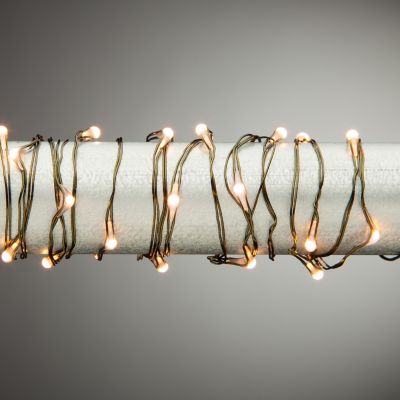
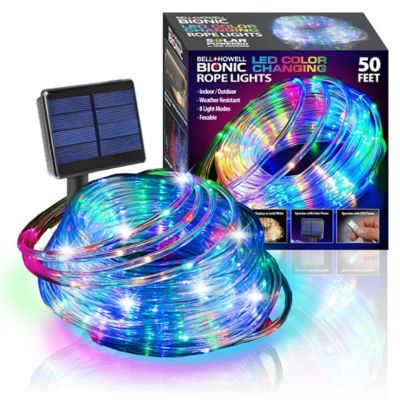
Indoor holiday lights bring a welcoming glow to Christmas trees, windows, mantels and the gathering spots where family settles in after supper. The right fit comes down to bulb size, light color, strand length, power source and the setting where the lights will hang. Small mini lights tuck neatly between tree branches and trace a window frame without taking over the room. Fine-wire fairy lights lend a softer sparkle to tabletop arrangements, while larger bulbs stand out along a broad mantel or across a roomy wall. A big farmhouse living room may have space for bold color and generous loops of light; a kitchen window or narrow entry usually calls for a lighter touch. Warm white lights have a golden cast that sits comfortably beside wood furniture, plaid ribbon and familiar Christmas ornaments. Cool white lights look crisper against silver accents, glass and snowy tree branches. Multicolor strands bring a cheerful feel to family trees, especially when the ornaments include school crafts and keepsakes gathered over the years. Color temperature can vary between strands, even when both packages say warm white, so matching the listed Kelvin rating helps keep neighboring sections looking consistent. Lower Kelvin numbers generally indicate a warmer appearance. Bulb shape and lens finish matter, too: clear lenses often create sharper points of sparkle, while frosted lenses soften the appearance. Steady light keeps a room calm during supper or a quiet evening, and gentle twinkling adds movement without requiring a flashing display. For homes hosting Christmas gatherings, lighting that frames the room rather than shining directly into seated guests’ eyes makes the space more comfortable. Indoor Christmas lights also work well in smaller homes and apartments, where a lit window, a short mantel arrangement or a compact tree can carry the holiday feeling without taking up much floor space. A strand chosen to suit a loved one’s tree or favorite display spot can make a thoughtful seasonal gift, especially when its controls and power setup are easy for them to manage.
Getting a good fit starts with measuring the actual path the lights will follow, including dips, corners and the distance to a suitable outlet. Total strand length and lighted length are not always the same: an unlit lead may reach from the plug to the first bulb, leaving less illuminated wire than the overall measurement suggests. Bulb spacing changes the look as much as strand length does. Closely spaced bulbs give a fuller glow along a mantel or through dense branches, while wider spacing leaves more room between points of light. There is no single strand length that fits every six-foot or seven-and-a-half-foot Christmas tree. Tree width, branch density and whether lights sit near the tips or wrap farther into the branches all affect how much lighting feels right. A slim tree with a gentle outline needs less than a broad tree lit from the trunk outward. Wire color helps the setup settle into its background: green blends into evergreen branches, white sits quietly against pale trim, and clear wire can be less noticeable around glass. Fine metal wire bends around small shapes, but repeated tight bends can stress it; thicker insulated cords suit arrangements where the strand needs a more defined route. LED holiday lights generally draw less electricity and give off less heat than comparable incandescent strands, though wattage and brightness vary by design. Incandescent bulbs have a familiar glow, but they run warmer and call for particular attention to clearance and placement instructions. Plug-in lights suit longer displays near an outlet, while battery-powered lights make sense for a centerpiece or shelf where a trailing cord would be awkward. Battery size, run time and access to the battery compartment matter when a display will stay arranged for several weeks. Timers can simplify evening lighting, and dimming or color-changing controls let the same space feel lively for company and quieter afterward. App or voice operation depends on the stated device, network and platform requirements; it is not a feature shared by every strand. For a coordinated look across an indoor room and a covered entry,
Indoor Outdoor String Lights are a related option, with placement determined by each set’s rating.
Indoor holiday lighting should fit the way a household lives, not just the shape of the display. Around children, curious cats or a dog with a busy tail, cords and battery compartments belong out of reach, with no loose loops dangling beside a chair or across a walkway. Button and coin batteries require particular care because swallowing one can cause serious injury; battery compartments should close securely. A dining-table arrangement needs room for serving dishes and elbows, while a stairway display must leave the handrail easy to grip. Lights near curtains, paper ornaments or greenery need the clearances stated by the manufacturer, and no strand belongs against a heater, fireplace opening or candle flame. Lower heat output does not make an LED strand heat-free or remove the need to follow its instructions. Check the package for an indoor or indoor/outdoor rating and a recognized independent safety-testing mark. Indoor-only lights belong in dry indoor spaces, not on a porch exposed to damp air or blowing rain. Connection limits vary by strand, so follow the listed maximum rather than judging by how many plugs will fit together. Extension cords, timers and other controls also need ratings suited to the connected load. Before hanging lights, check for cracked sockets, frayed insulation, loose connections and damaged plugs; a damaged strand should stay out of the display. Clips intended for light strings hold wire without the puncture risk of nails or staples, and removable fasteners should suit the surface beneath them. Unplug lights before adjusting them, changing replaceable bulbs or cleaning nearby surfaces, and switch them off before leaving home or going to sleep. For a real Christmas tree, keeping the stand filled with water and taking down the tree when it dries out remain important parts of the setup. After the holiday gatherings, let lights cool, wind strands loosely around a reel or piece of cardboard, and keep plugs from pressing into bulbs. Remove batteries before extended storage and tuck everything into a dry container away from crushing weight. A little care at takedown makes the next Christmas setup easier, with fewer tangles to sort through on the living room floor.