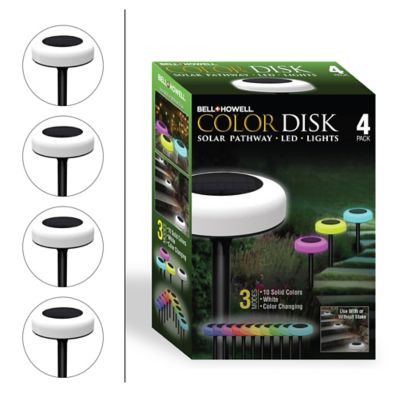
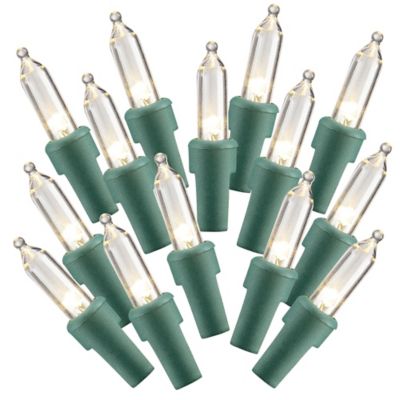
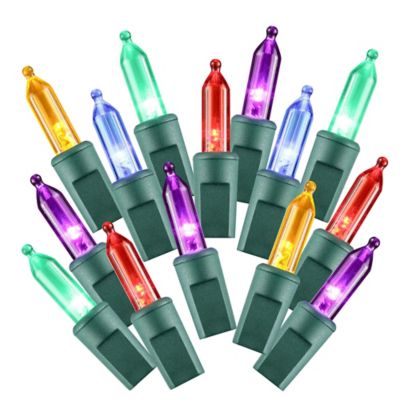
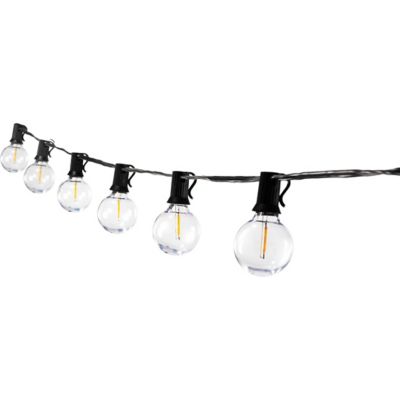
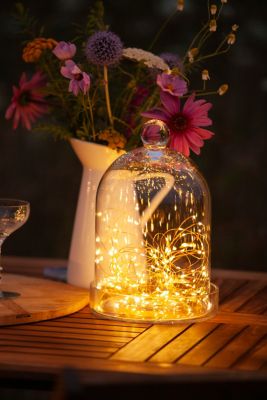
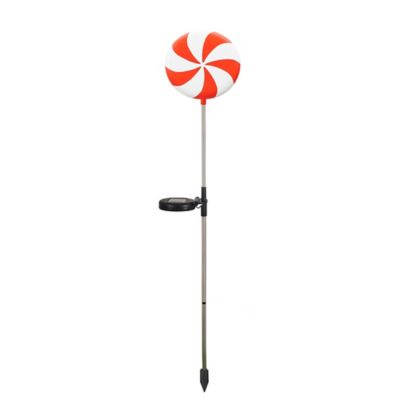
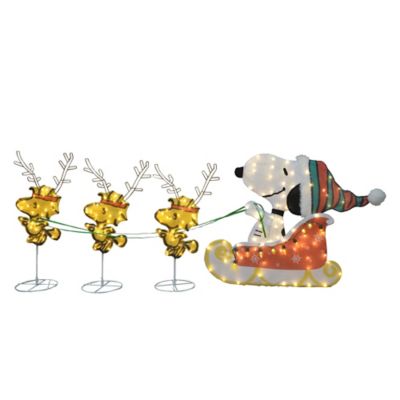
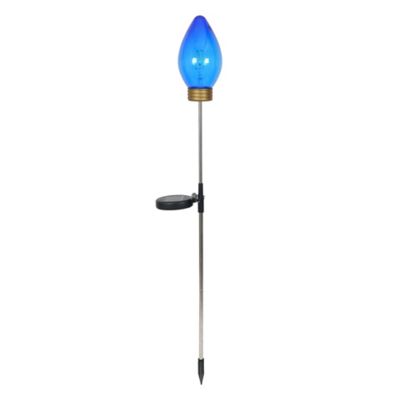
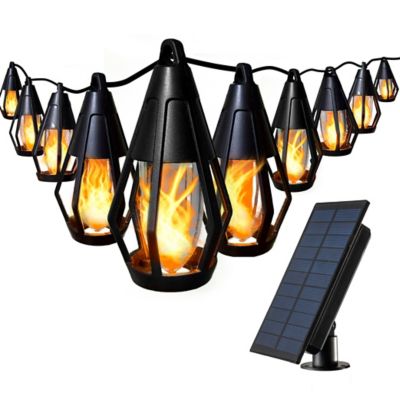
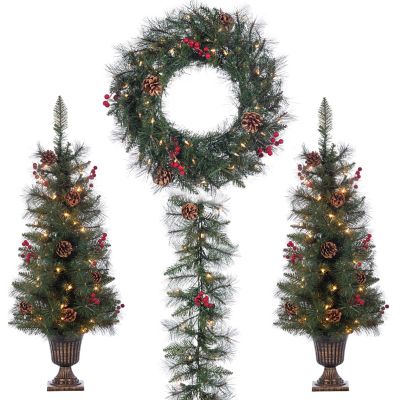
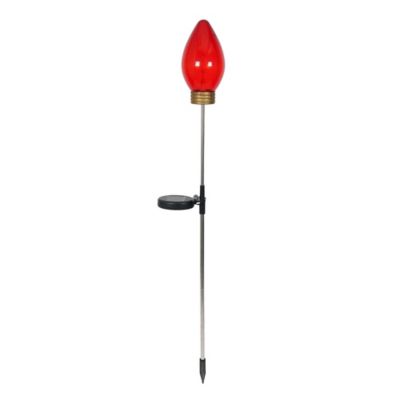
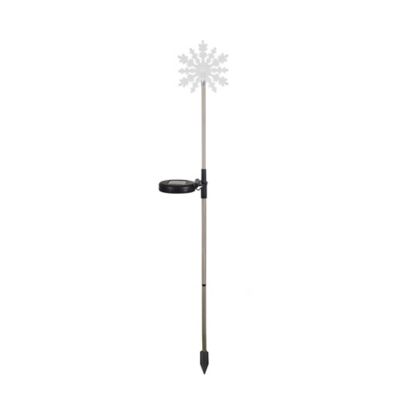
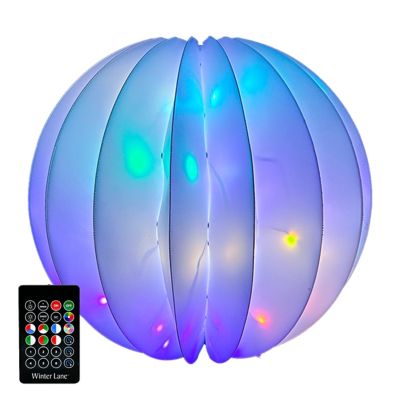
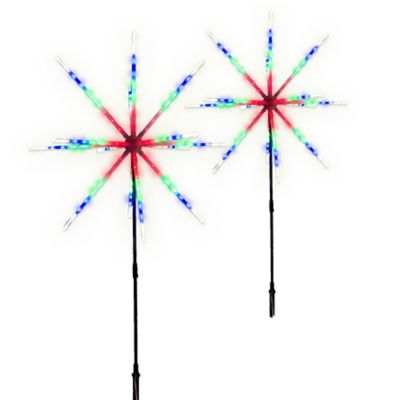
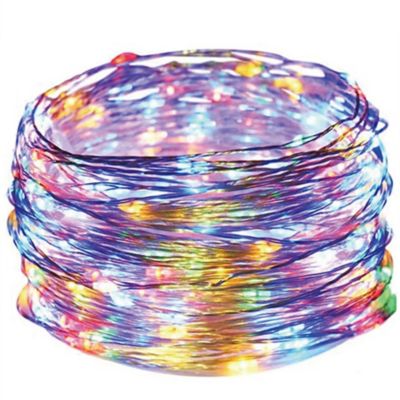
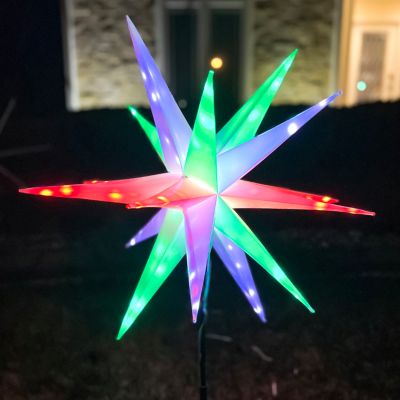
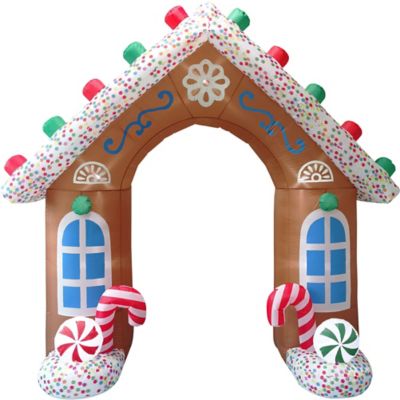
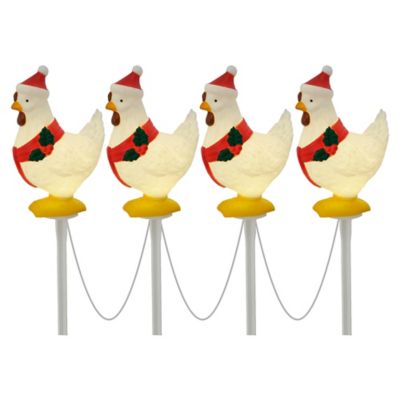
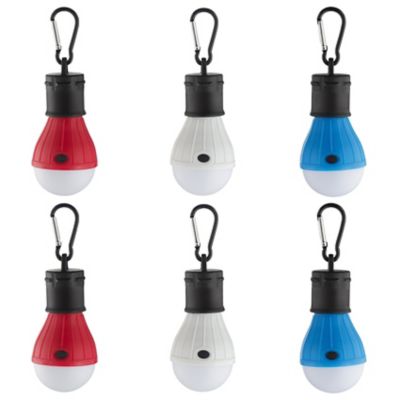
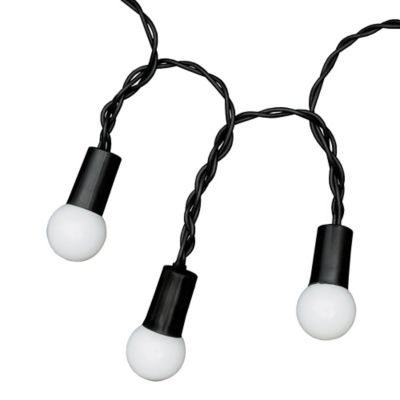
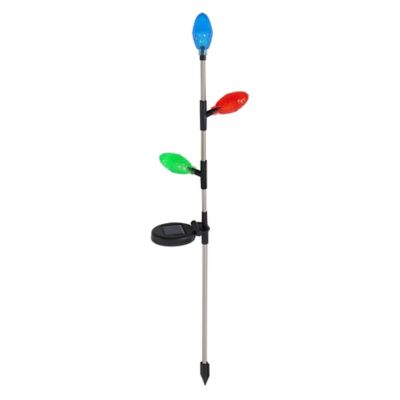
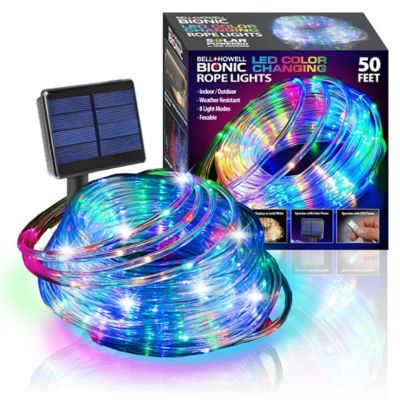
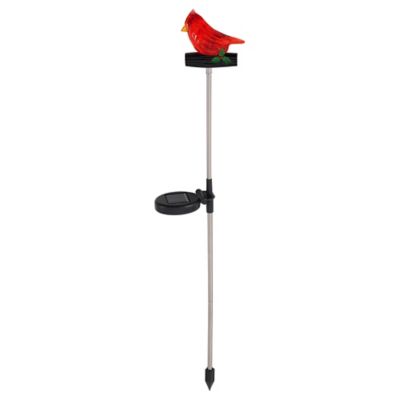
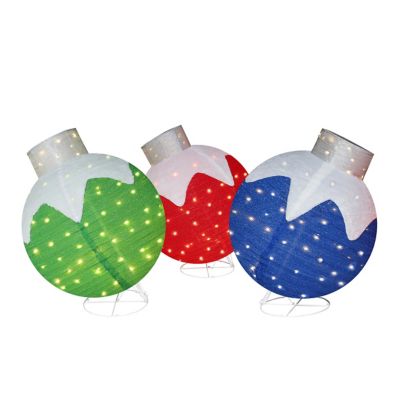
Festive outdoor lights bring a little extra warmth to porches, barns, fences, walkways and backyard gathering spots as the seasons change. A few well-placed strands can outline a front door, brighten a dark porch railing or make a tree stand out against an early evening sky, while larger displays can give a whole property a cheerful holiday look. For Halloween, orange, purple or soft white lights can add a friendly glow around the entryway without making the space feel overdone. During the Christmas season and the cooler months that follow, white, multicolor and color-changing lights help create a welcoming setting for family get-togethers, neighborhood visits and quiet evenings outside. They also make thoughtful gifts for new homeowners, families with children, grandparents who enjoy decorating or anyone who takes pride in making their home feel inviting. When choosing festive outdoor lights, start by considering where they will be used and how much area needs to be covered. Mini string lights are handy for wrapping tree trunks, branches, bushes, porch posts and railings, while icicle and drop lights work well along rooflines, gutters, covered patios and fence sections. Net lights can cover hedges and shrubs with less arranging, which is useful when decorating a wide planting bed or several bushes in a row. Path lights and other low-profile lights can define a walkway, driveway edge or garden border, and projectors can cast stars, colors or seasonal patterns across a wall without requiring a ladder or a long run of cord. Eave-mounted and other permanent-style lighting can provide a repeatable display around the roofline, making them a practical choice for households that enjoy changing colors or lighting scenes throughout the year.
A little planning helps outdoor lighting look neat and work reliably. Measure the roofline, railing, fence or planting area before buying, and leave some extra length for corners, connections and the route to an outdoor-rated outlet. Check the distance between bulbs, the total illuminated length and the number of strands that can safely connect together. A short strand with closely spaced bulbs gives a fuller, brighter appearance on a small tree or porch, while wider spacing can cover a long fence without looking crowded. LED lights are a popular choice for outdoor decorating because they generally use much less electricity than older incandescent bulbs—often up to 75% less—run cooler to the touch and hold up well for repeated seasonal use. Look for outdoor-rated construction, sealed connections and shatter-resistant plastic, acrylic or epoxy lenses instead of glass, especially in areas exposed to wind, rain, snow or curious pets. Color and light tone matter, too. Warm white creates a soft, traditional glow that works nicely around wood siding and natural landscaping, while bright white gives rooflines and pathways a crisp appearance. Multicolor strands bring a playful feel to family displays, and adjustable or color-changing options offer flexibility for Halloween, Christmas, patriotic gatherings or everyday patio lighting. A built-in timer, remote control or compatible smart feature can make it easier to set lights to come on around sunset and turn off later without walking outside in the cold. For solar-powered options, place the panel where it can receive plenty of direct daylight, and remember that shorter days or cloudy weather may reduce evening run time. Battery-powered lights can be useful for wreaths, planters, mailboxes and spots far from an outlet, though fresh batteries and protected battery compartments are important for dependable performance.
Installation should be simple, secure and kind to the home and landscape. Use clips, hooks or ties made for outdoor lighting rather than staples or nails that can pinch a wire or damage siding, shingles and tree bark. Keep cords away from mower paths, snow shovels, standing water and places where livestock or pets might chew. Outdoor extension cords and timers should be rated for outdoor use, and connections should stay elevated and protected from puddles. Before hanging a strand, inspect it for cracked sockets, frayed wires or loose connections, and replace damaged lights instead of trying to patch them with household tape. Give shrubs and branches room to move naturally in the wind, and avoid wrapping lights too tightly around growing trees or delicate plants. For roof work, use a sturdy ladder on level ground and have another person nearby; path lights, projectors and lower decorating areas can be a good alternative when climbing is not practical. Once the display comes down, let the lights dry, remove dirt and leaves, and coil each strand loosely around a piece of cardboard or a storage reel to help prevent tangles and bent wires. Keep everything in a dry tote away from rodents, moisture and extreme heat. With the right style, length and light color, festive outdoor lights can make a modest porch feel welcoming, give a rural property a warm glow from the road and turn familiar outdoor spaces into memorable gathering places. For more inspiration when building a cheerful seasonal display, explore
Fun Outdoor Christmas Decorations.