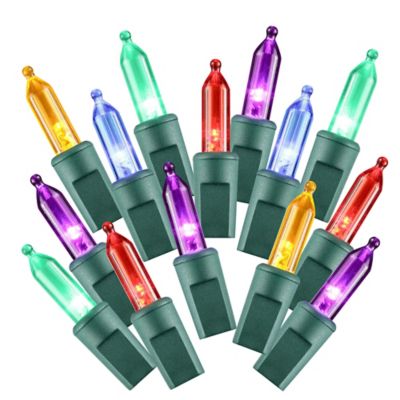
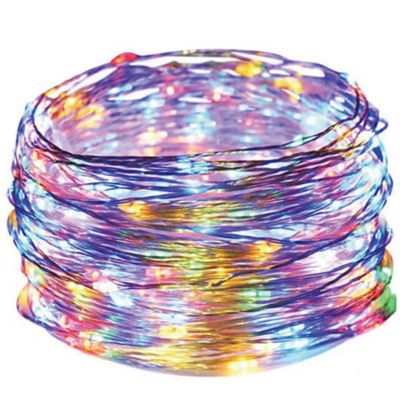
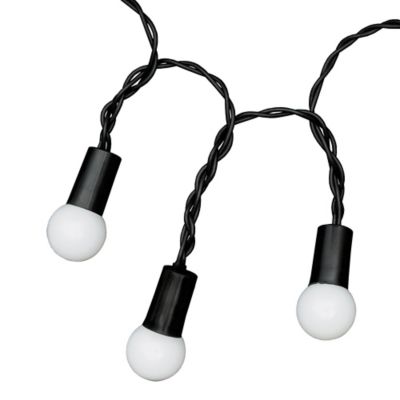
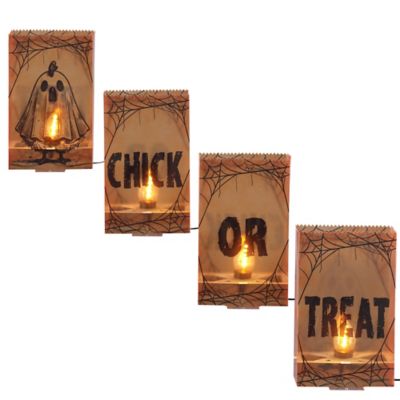
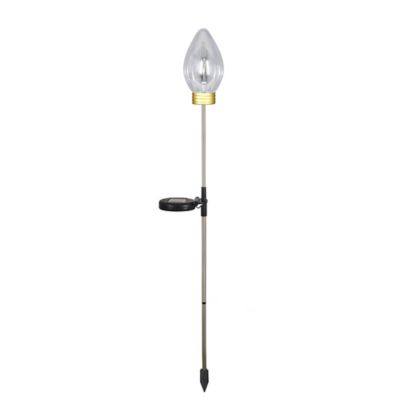
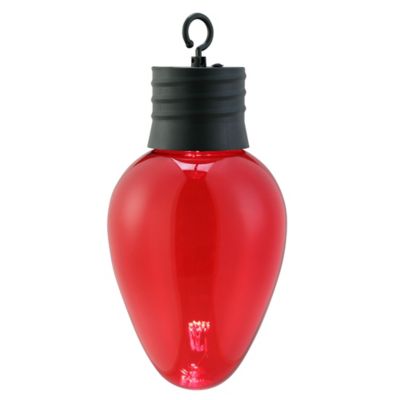
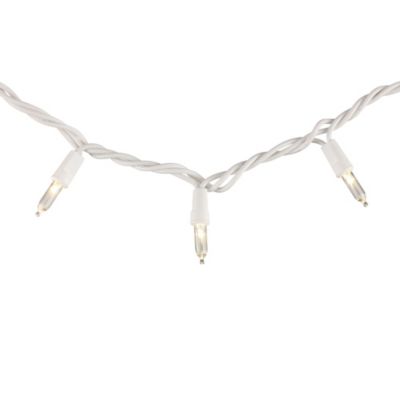
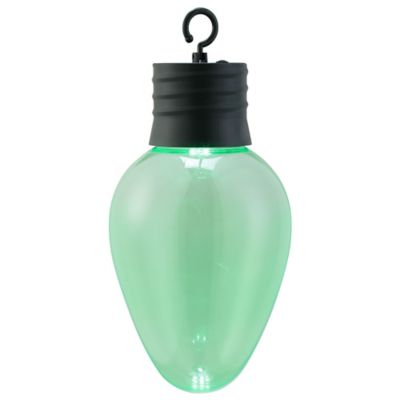
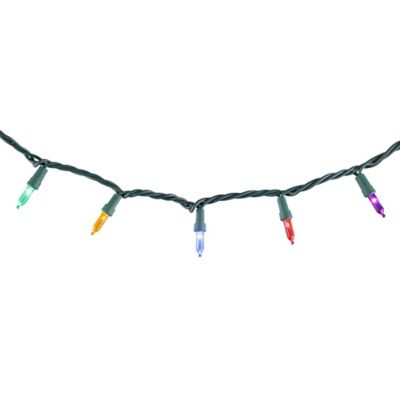
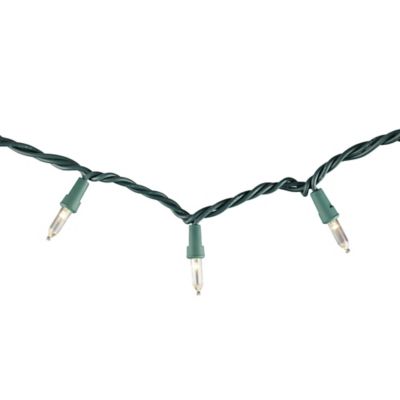
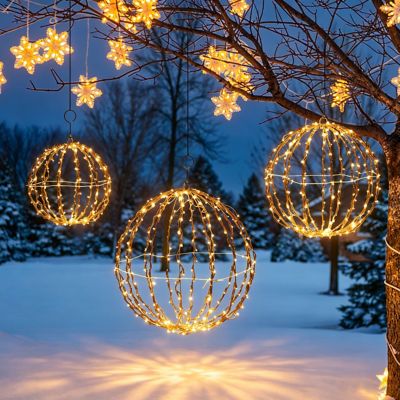
Holiday lights bring a little extra cheer to the places where folks gather, from a farmhouse porch to a living room full of family on Christmas Eve. A simple line of lights can frame a doorway without taking attention away from a wreath, while a fuller display can carry that glow across porch rails, windows, and trees. The right look depends as much on the setting as it does on color. Warm white light has a soft, familiar glow that pairs nicely with wood siding, greenery, and natural textures. Cool white light creates a crisper outline against dark branches and painted trim. Multicolor lights bring a playful feel to a family tree or front porch, especially when the rest of the display stays simple. Bulb size and spacing make a difference, too. Smaller points of light can settle into branches for an even sparkle, while larger bulbs stand out along a roof edge or across a broad front porch. Closely spaced bulbs create a fuller line of light; wider spacing gives each bulb a little breathing room. Steady lighting keeps the scene calm, while twinkling or changing effects add movement. Some households enjoy a coordinated look from the front gate to the tree, while others prefer a cheerful mix of colors collected over the years. LED and incandescent holiday lights also have different characteristics worth considering. LEDs generally draw less electricity and produce less heat than incandescent bulbs, though brightness, color, and replacement options vary by design. Matching color temperature matters when several light strings share the same space, since two sets labeled white may have noticeably different tones. The overall effect should suit the house and the way the family celebrates, whether that means a quiet glow around the kitchen window or a bright welcome visible from the driveway.
Outdoor displays have a different job than lights tucked around an indoor mantel. Rain, snow, wind, and sun all put demands on wiring, bulb covers, and connections, so an outdoor-use rating matters more than appearance alone. For displays that stretch beyond the front door,
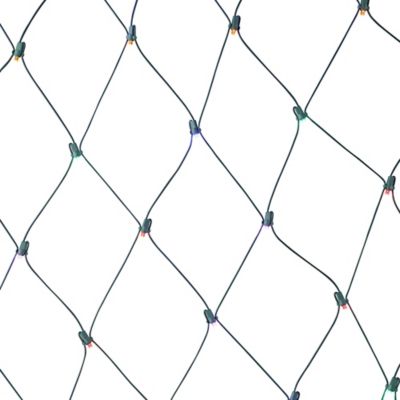
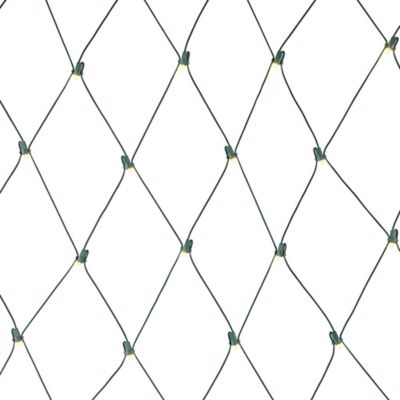
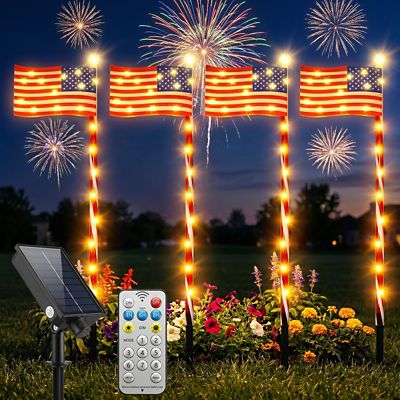
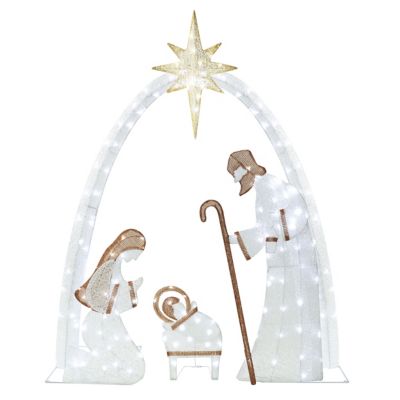
Outdoor Holiday Lighting puts the focus on spaces such as porch posts, fence lines, shrubs, and roof edges. These areas each call for a different fit. Straight runs suit the clean lines of a railing, while flexible light strings can follow a curved arch or wrap around a post. Net-style layouts can spread light across a shrub without concentrating every bulb in one spot. Measurements help keep the finished display from looking stretched thin or leaving a long tail of extra cord. Lighted length and total cord length are not always the same, and the distance to a suitable outlet deserves a place in the plan. On a rural property, that may mean keeping the display close to the house rather than running cords across a gravel drive or an equipment route. Outdoor-rated extension cords and ground-fault circuit interrupter protection are important parts of a safer setup. Connections need protection from standing water, and cords belong away from gates, sharp edges, and places where livestock or pets can reach them. Connection limits vary between light strings, so a long fence line may require a different arrangement than a short porch rail. Insulated wiring and plastic bulb covers can take some of the worry out of handling, but no material makes a light string immune to damage. Clips intended for hanging lights help protect the cord jacket; nails and staples through wiring can create a hazard. A well-fitted display leaves doors, steps, handrails, and everyday chores clear, so the place still works like home after the lights come on.
Indoors, holiday lights often become part of the backdrop for supper, visiting, and opening gifts. Their scale matters in close quarters: a small window display needs a different amount of light than a tall tree in an open living room. Cord color can blend into green branches, pale trim, or a darker background, keeping attention on the glow rather than the wiring. An easy-to-reach switch or a compatible timer can make regular operation simpler, especially when the outlet sits behind furniture. Lighting with several modes may appeal to a lively household, while a steady setting can feel more comfortable in a room where people read, visit, or watch television. Any controls need to match the lighting system, and not every light string works with a dimmer. Indoor placement also calls for a little breathing room around the display. Bulbs and cords should stay clear of heaters, fireplaces, curtains, and anything else identified in the manufacturer's safety directions. Lower heat output does not make any electric light suitable for covering or leaving on without regard to those directions. In homes with curious children or pets, secure placement and tucked-away cords help keep the display out of busy hands and paws. For someone receiving holiday lights as a gift, a color and style that fit their existing display are often more welcome than an elaborate setup that needs extra space or power. Care after the celebration matters just as much as the first evening's glow. Unplugging before handling, checking for cracked sockets or frayed insulation, and setting damaged strings aside can help prevent trouble when the lights come out again. Outdoor strings need time to dry before storage, and loose coils or cord reels help limit tangles without pulling hard on the wiring. A labeled container kept in a dry, protected spot makes it easier to remember which lights belong on the porch and which fit the tree, keeping a familiar holiday tradition a little simpler from one year to the next.