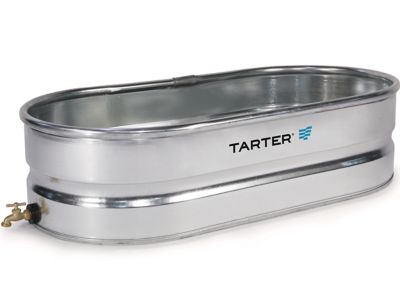
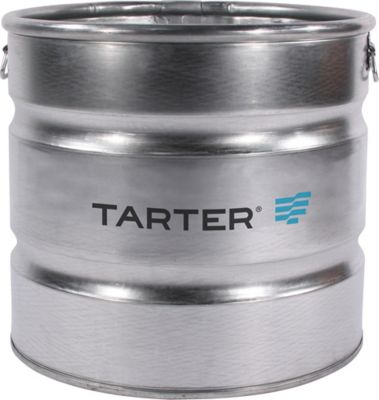
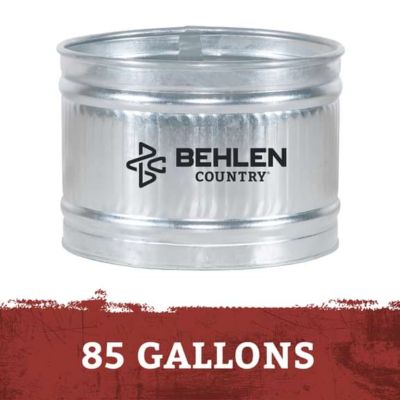
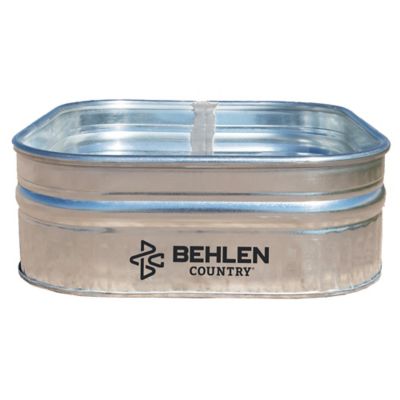
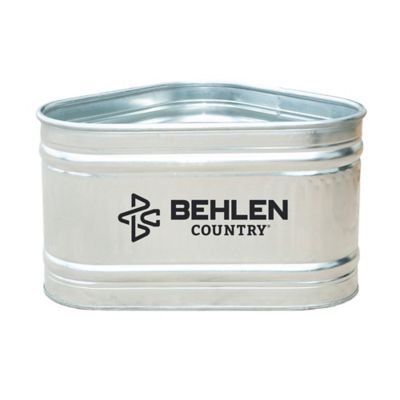
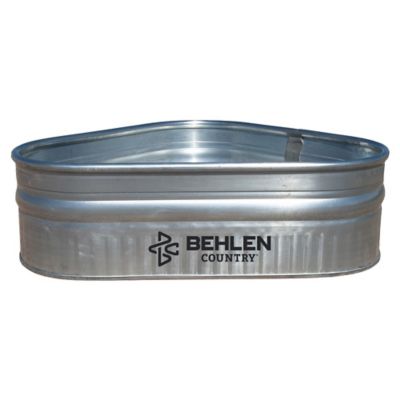
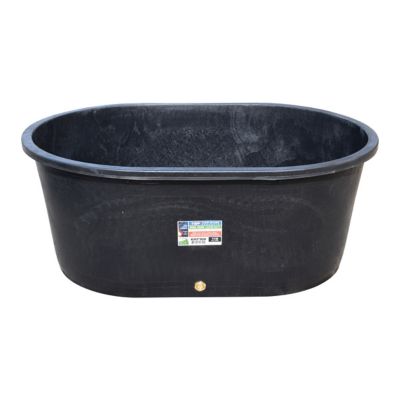
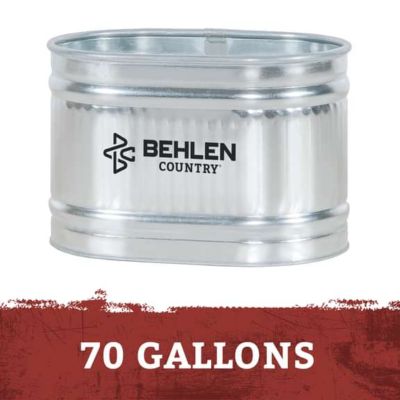
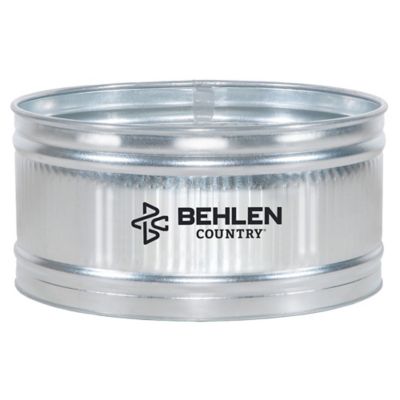
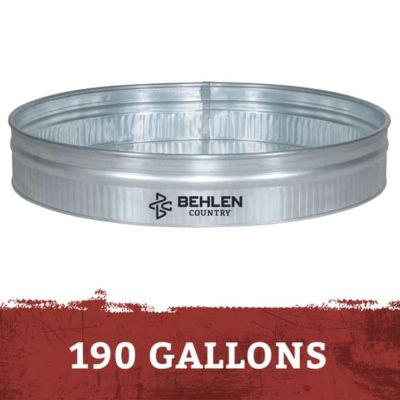
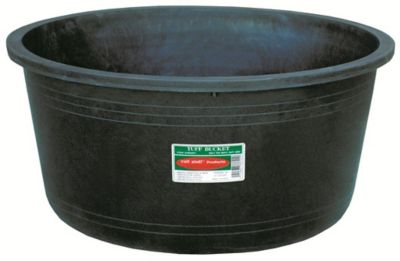
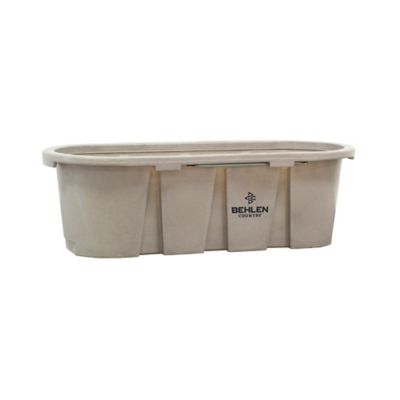
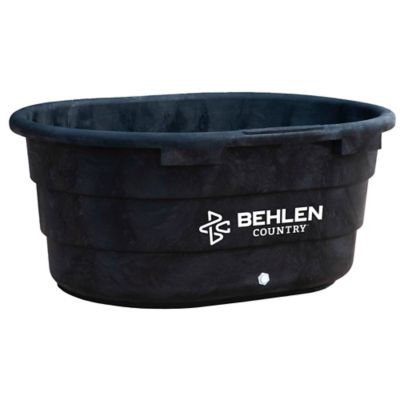
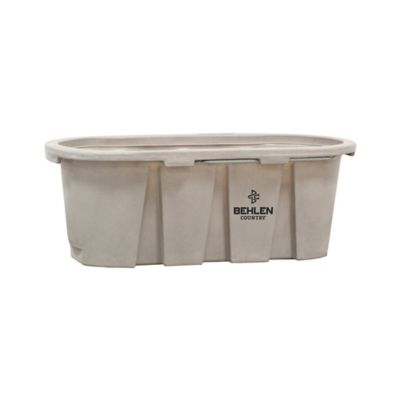
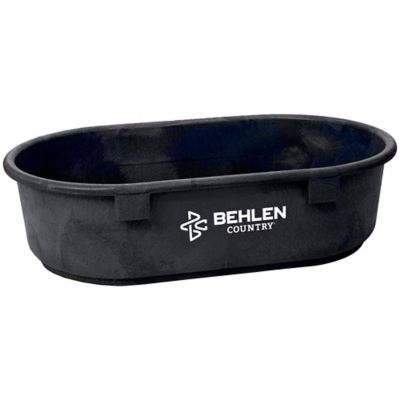
Stock tanks can make a practical starting point for a backyard cold plunge, especially for folks who want a straightforward setup near the barn, garage, patio, or back steps. These open-top troughs offer plenty of room for a seated or full-body soak, and the broad shape makes getting in and out easier than with a narrow tub. When comparing stock tanks for cold plunge use, start with capacity. A tank in the 100- to 150-gallon range is often a good fit for full-body immersion, while smaller sizes may work for a more compact setup or a lower water level. Pay attention to the tank’s length, width, depth, and inside shape, since those details affect how comfortably you can sit, stretch your legs, and step over the rim. Galvanized steel brings a classic farm-tank look and can stand up well to outdoor conditions when cared for properly, while molded plastic and structural-foam tanks are lighter to move and may feel more comfortable against bare skin. Browse
Galvanized Stock Tank Pools if a metal tank suits the look and layout of your space. Whichever material you choose, look for smooth interior surfaces, a firm rim, a drain that is easy to reach, and a base that sits flat without rocking. A level surface matters more than it may seem; a tank full of water is extremely heavy, so place it on a solid area that can handle the load and allows water to drain away from buildings, walkways, and electrical equipment. Keep the surrounding area clear, add a nonslip step if the rim sits high, and leave enough room to move safely around the tank.
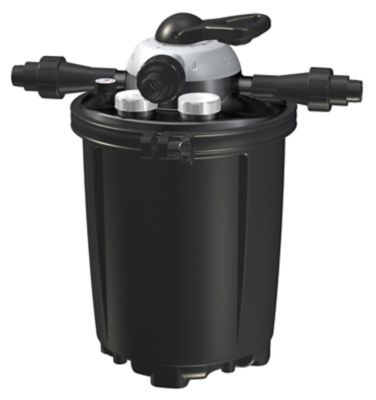
There are two common ways to bring the water down to a cold plunge temperature: adding ice by hand or pairing the tank with a water chiller and submersible pump. The ice-only approach keeps the setup simple and lets you adjust the water from one session to the next. For many larger tanks, 20 to 40 pounds of ice is a starting point, though the amount needed depends on the water temperature, tank size, sunlight, and how cold you want the plunge. Fill the tank with cool water first, then add ice and allow the temperature to settle before getting in. A floating thermometer can help you keep track of conditions without guessing. A chiller system takes more planning, but it can make temperature control easier for people who plan regular plunges. Check that the chiller, hoses, fittings, and pump match the tank’s water capacity, and place electrical components where they will stay dry and protected from splashes. Follow the manufacturer’s instructions for every piece of equipment, and have a qualified electrician handle any wiring near water. A lid or insulated cover helps keep leaves, dust, insects, and farmyard debris out while also slowing heat gain during the cooler months. Covers can be especially handy when the tank sits beneath trees or near a gravel drive where wind can carry dirt into the water. If the tank is not connected to a filter or chiller system, plan to drain and replace the water about once a week, or sooner if it becomes cloudy, develops an odor, or collects debris. Wipe down the inside during each water change, keep lotions and oils out of the tank, and give the drain area a quick check so it does not clog.
Cold plunges appeal to a wide range of people, from runners and strength-training fans to farmers, ranchers, outdoor workers, and anyone who enjoys a brisk reset after a long day. Some folks step in after a workout, while others prefer a quiet morning soak before chores begin. A stock tank can fit into a simple outdoor routine: fill it with a garden hose, cool the water with ice or a chiller, keep a towel and dry clothes close by, and drain it when the water needs refreshing. During the cooler months, outdoor water may already be chilly, but air temperature, wind, and direct sun still affect how the tank feels and how quickly the water changes. A sheltered spot can make entry more comfortable, while shade helps slow warming when the weather turns mild. Start with short sessions, enter slowly, keep your breathing controlled, and step out if you feel dizzy, numb, confused, or unwell. Cold water places stress on the body, so anyone with a heart condition, circulation concern, breathing issue, or other medical condition should speak with a healthcare professional before trying a cold plunge. Never plunge alone, and keep children and pets away from an uncovered tank. These tanks can also make a thoughtful gift for a fitness-minded family member, a runner setting up a recovery corner, or a friend who enjoys hands-on projects around the homestead. Before buying for someone else, check the space available, the preferred tank material, the water capacity, and whether an ice-only setup or chiller connection makes more sense. With the right size, a stable location, a manageable cooling plan, and regular water care, a stock tank can become a handy part of a backyard wellness routine through changing seasons.