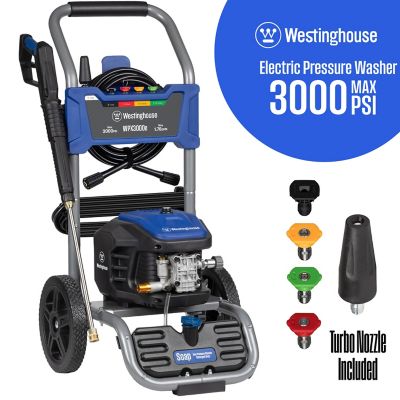
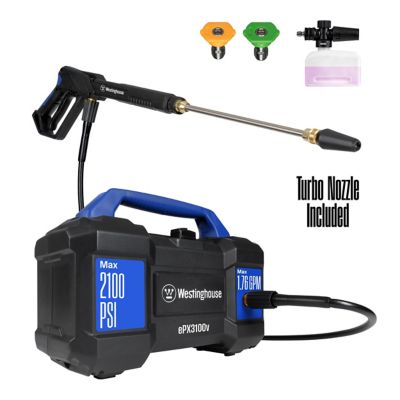
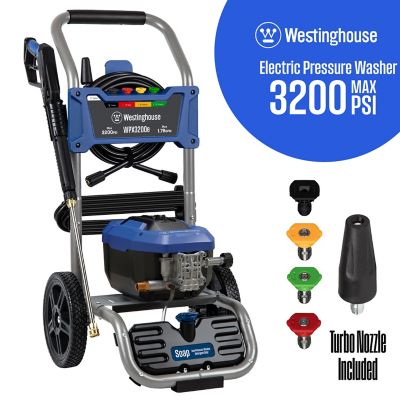
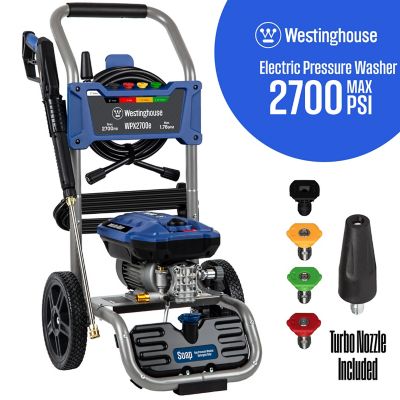
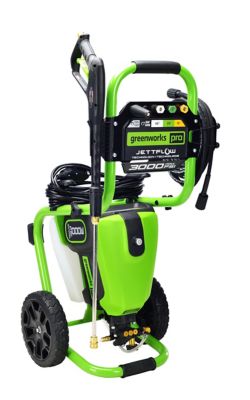
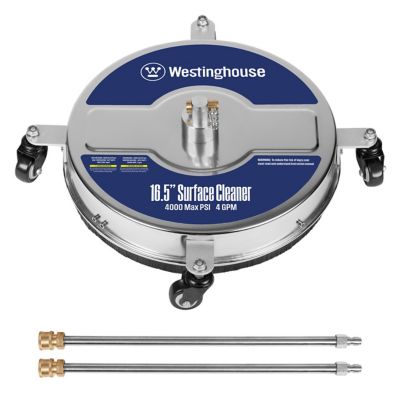
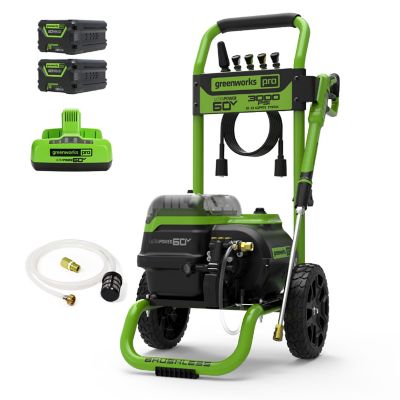
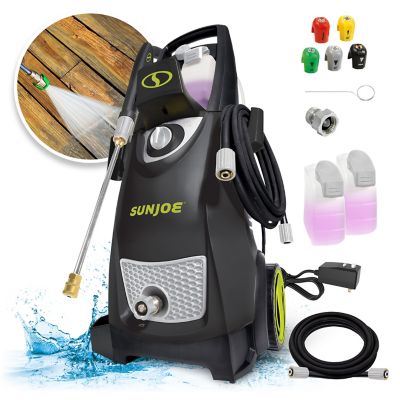
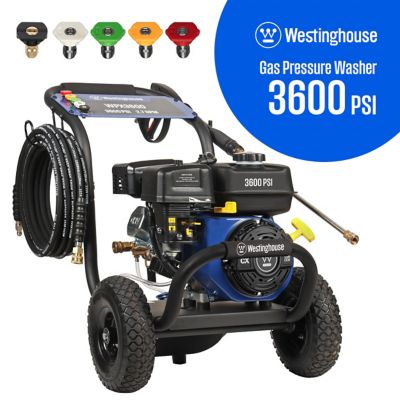
Spring home maintenance supplies help tackle the dirt, wear, and small repairs that winter can leave behind, from muddy entryways to weathered porch trim. The work often centers on keeping water away from the house, getting outdoor spaces ready for regular use, and making sure everyday household systems work as they should. For a farmhouse with a long gravel drive or a place on a small town lot, the right supplies depend on the surfaces, equipment, and spaces that need attention. Exterior cleaning materials should suit the job underneath the grime: painted wood, vinyl siding, brick, concrete, and composite decking can all have different care requirements. A cleaner meant for one surface may discolor another, while too much water pressure can strip finishes or drive moisture behind siding. Surface compatibility, application directions, and control over water flow matter more than sheer cleaning power. Reach and handling count, too, especially around porch posts, deep steps, and the narrow space between a house and an outbuilding. Equipment that feels manageable at ground level can become awkward when extended, so working length, grip, and weight deserve a close look. Drainage is another big part of home maintenance for spring. Leaves packed into gutters, sediment near downspout outlets, and debris along foundation edges can interfere with the paths water needs to take. Supplies for clearing and maintaining those areas should match the gutter material, connection size, and access around the house. A wet patch beside the foundation calls for more than washing away the mud; recurring runoff or basement seepage may need a drainage professional’s assessment. Roof concerns belong in that same cautious category, with observations made from the ground and damaged roofing left to a qualified contractor. For routine upkeep, gloves with a secure grip, eye protection suited to the task, and footwear with traction help make dirty, damp work more manageable. These practical details matter when the day’s work stretches from a shaded side yard to a sunlit front porch.
Small openings around windows, doors, and exterior trim are another common focus for spring home repair supplies. A door that rattles in its frame or a cracked seam beside a window can point to worn sealing materials, though the right replacement depends on the gap and the surfaces around it. Flexible seals need to fit without keeping a door from latching, and exterior sealing compounds need the right adhesion, movement tolerance, and exposure rating for their location. Paintability matters where a repair will blend into finished trim; resistance to moisture and sunlight matters where that seam faces the elements. Application temperatures and curing times are worth checking before choosing materials, since a spring afternoon and the following night can bring very different conditions. Screen repair materials have their own fit considerations, including mesh type, frame dimensions, and the size of the channel that holds everything in place. The goal is a snug repair that allows airflow without leaving gaps for insects. Around porches, gates, and entryways, repair hardware should match the existing dimensions and the material it fastens into. Corrosion resistance is especially relevant where metal meets rain, damp wood, or repeated splashes from a walkway. A loose handrail or soft section of porch framing needs its underlying condition addressed rather than simply covered with a fresh finish. The garage deserves attention as part of that same everyday route into the house, particularly where it doubles as a workshop or a landing spot for muddy boots.
Garage Door Maintenance Supplies support routine care, with compatibility guided by the door manufacturer’s instructions. Lubrication points vary by door system, and not every moving surface needs lubricant. Springs, cables, and related components under tension are work for a trained technician. For homeowners handling smaller repairs, comfortable grips, suitable tool sizes, and clear access to the work can make the difference between a neat fix and a frustrating afternoon. Renters can also find value in basic cleaning and upkeep supplies, while leaving permanent changes and building repairs to the property owner.
Inside the house, spring maintenance often brings attention to airflow, tracked-in dirt, moisture, and household safety. Replacement air filtration materials need to match both the dimensions and the requirements of the heating and cooling equipment. Thickness, filtration rating, and airflow resistance all affect suitability; a higher rating is not automatically a better fit for every system. The equipment manual is the best starting point, and professional service belongs alongside routine homeowner care when cooling equipment needs diagnosis or repair. Cleaning supplies for living spaces, utility rooms, and basements should likewise match the finish and the mess. Sealed flooring, unfinished concrete, painted walls, and metal fixtures do not all tolerate the same treatment. Low-lint cleaning materials can help on smooth surfaces, while absorbency and washability matter where muddy paw prints and wet work boots are regular visitors. Concentrated cleaning formulas require the labeled dilution, and cleaning chemicals should never be mixed unless their labels expressly direct it. Ventilation, safe storage, and keeping children and animals clear of the work area remain important even for a quick cleanup. Moisture-control equipment calls for attention to room size, operating conditions, drainage arrangements, and the upkeep its components require. It can help manage indoor humidity, but it cannot repair a leaking pipe or stop water entering through a foundation. Household safety maintenance also depends on compatibility: replacement power sources must meet the device manufacturer’s requirements, and alarms have service-life limits that a fresh power source will not extend. Across these categories, easy-to-read labeling, manageable weight, washable parts, and straightforward storage help supplies earn their place beyond a single spring project. Someone caring for an older country house may need materials suited to several generations of finishes and repairs, while a first-time homeowner may be building a basic setup for recurring chores. Keeping supplies clean, dry, and stored within their labeled temperature range helps preserve their condition between jobs. The best fit is equipment and materials that suit the house, the task, and the person doing the work.