Country-style scented candles for Christmas bring together familiar holiday fragrances and the easygoing look of a farmhouse kitchen, a country cabin or a well-loved family home. Their appeal comes from both the scent and the setting: evergreen notes near a Christmas tree, a warm baking fragrance in the kitchen, or a simple glass jar glowing on a clear side table after evening chores. Pine, balsam fir and cedar fragrances lean crisp and woodsy, recalling fresh-cut branches and a walk through a stand of evergreens. Cinnamon, clove and ginger have a warmer, spicier character, while vanilla and brown sugar notes soften the blend with a bakery-style sweetness. Orange paired with spice can suggest the familiar scent of a holiday simmer pot, and peppermint with cocoa brings a sweeter, candy-shop feel. Those differences matter when choosing a fragrance for a particular room or a gift recipient. Someone who enjoys fresh greenery may prefer a fir-forward candle over a rich gingerbread scent, while a person who loves Christmas baking may gravitate toward vanilla, spice and cookie-inspired blends. Fragrance descriptions refer to the candle’s scent character, not necessarily ingredients such as actual cedarwood, food or essential oils. A blend with several notes may smell different before lighting than it does while burning, and the balance can change as the wax melts. For a country Christmas setting, the most natural match is often a scent that fits the household’s familiar traditions rather than the strongest fragrance in the room. An evergreen blend can complement the atmosphere around an artificial tree, while a lightly sweet candle can bring a baking-inspired note to a sitting room without an oven full of cookies. Around the supper table, a gentler fragrance is often a better fit than a heavy blend that competes with roast turkey, dressing or a freshly baked pie. Keeping nearby fragrances in mind also helps prevent a candle from competing with scented soaps, room sprays or other candles.
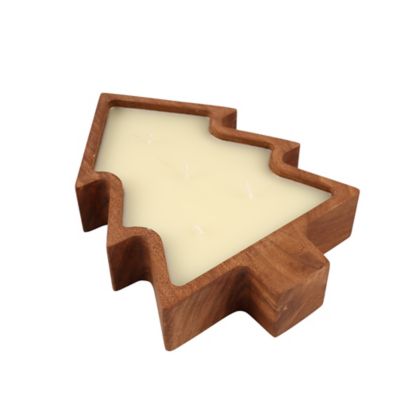
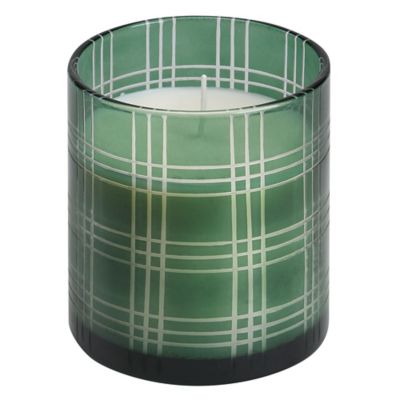
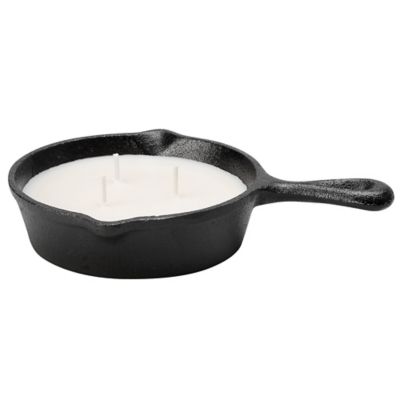
The country look often comes through in straightforward shapes, warm colors and containers that feel at home alongside stoneware, painted cabinets and a sturdy wooden table. Clear glass lets the wax color show, amber glass adds a mellow tone, and candle tins offer a different look from heavier jars. Cream, deep red, forest green and warm brown can fit Christmas displays without needing elaborate patterns. A simple label or a farm-inspired illustration may suit a relaxed room better than a glittery finish, but the container still needs to be made for candle burning; an ordinary drinking glass or a wooden vessel is not a substitute. Wax materials can include paraffin, soy, beeswax, coconut wax or blends of more than one type. Each formula works together with its fragrance, wick and container, so a wax name alone does not establish how evenly a candle will burn or how far its scent will carry. Cotton and wood wicks also have different care needs, and some wood-wick designs produce a soft crackling sound. Wick count, jar width and the amount of wax all affect how a candle fits into the room and into everyday routines. A wide, multiple-wick candle needs more clear surface space than a narrow jar, while a taller vessel needs ample clearance above the flame. The right physical fit includes room around the candle, not just enough space for its base. A broad kitchen counter may offer more clearance than a crowded mantel lined with stockings and greenery. For fragrance strength, a small bedroom and an open living area present different needs; room size, airflow and the candle’s formulation all influence the result. Listed burn times are estimates tied to proper care and burning conditions, not a promise that every candle lasts the same number of evenings. Container dimensions, net wax weight, wick details and the maker’s instructions provide useful points of comparison beyond the appearance of the jar.
Christmas candles can make thoughtful gifts for a host, a neighbor, a teacher or a family member who enjoys a cozy home, especially when the fragrance reflects something that person already likes. A pine scent may suit someone who looks forward to bringing home a real tree, while cinnamon and vanilla may appeal to the family baker. Familiar preferences are a better starting point than an unusually strong fragrance, particularly when the recipient shares a home with someone sensitive to scent. A lidded jar can be handy for keeping dust off the wax between burns once the candle has cooled completely. For shoppers considering scents beyond Christmas blends,
Home Fragrance Candles offers a broader place to explore fragrances for everyday rooms and occasions. Care matters whether a candle is a gift or part of a family’s holiday traditions. Follow the label’s wick-trimming directions before lighting, since cotton and wood wicks may call for different lengths. Keep matches, wick trimmings and other debris out of the wax, and follow the recommended burn duration rather than leaving a candle lit through an entire gathering. A level, heat-resistant surface helps protect furniture, and a candle should stay at least 12 inches from anything that can burn, including curtains, paper, stockings and Christmas greenery. That means leaving wreaths, ribbon and loose pine sprigs away from the jar instead of tucking them around it. Keep burning candles out of reach of children and pets, away from drafts and where an adult can watch them. Extinguish the flame before leaving the room or going to bed, let the wax and container cool before moving them, and stop burning at the remaining-wax level specified by the maker. Avoid adding oils, dried herbs or other materials to the wax. With a suitable setting and proper care, a country-style Christmas candle can bring a welcoming fragrance and a little lamplike warmth to the moments between wrapping presents, setting the table and settling in with family.