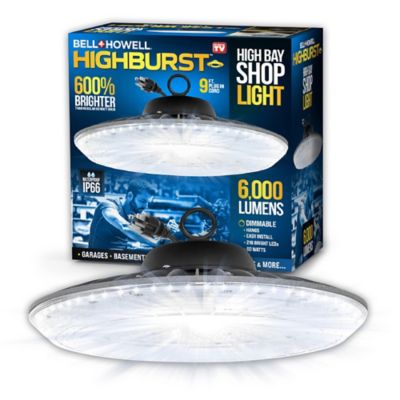
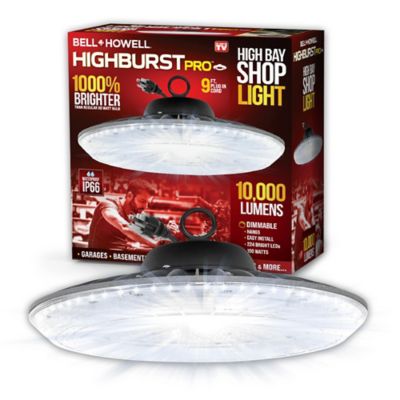
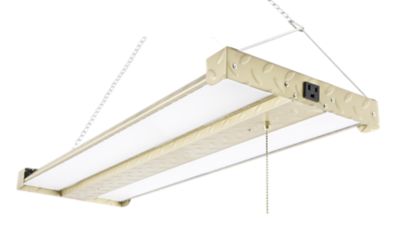
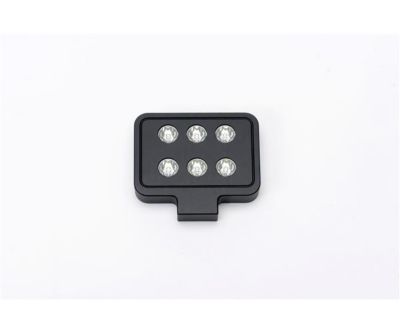
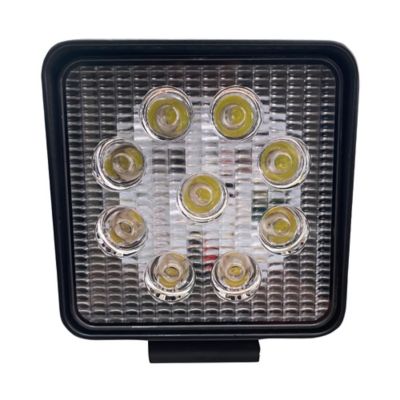
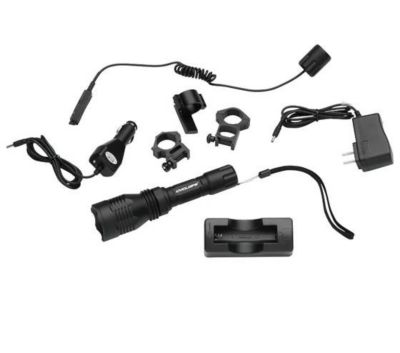
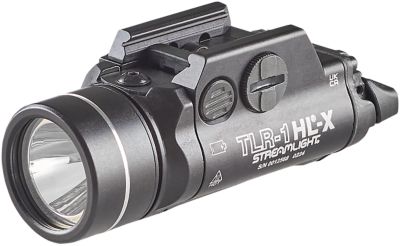
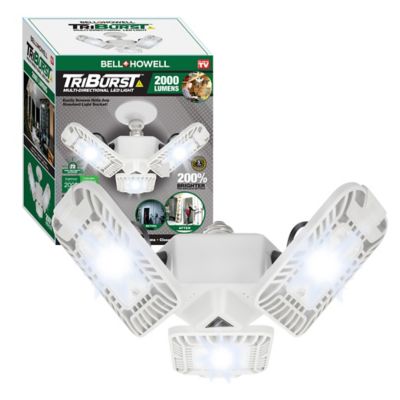
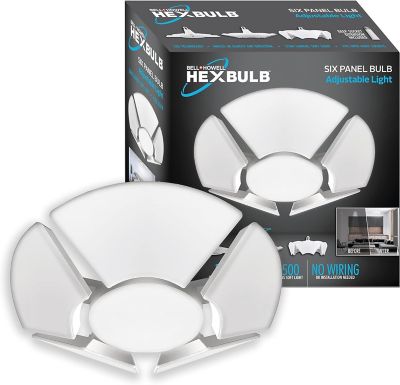
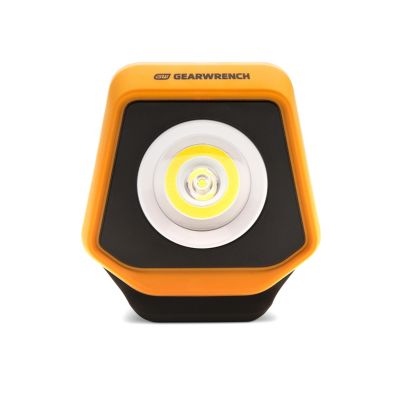
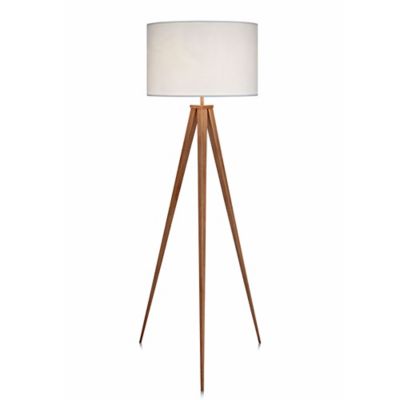
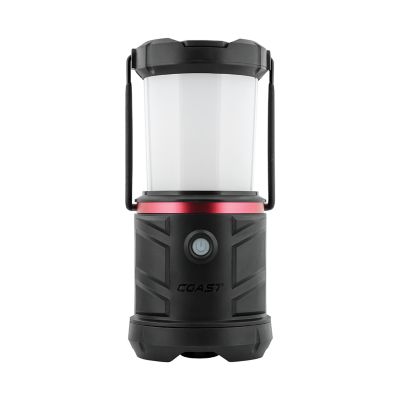
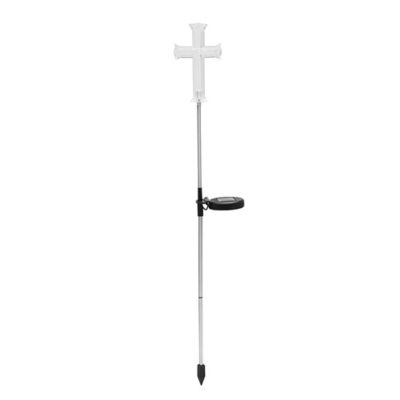
High lumen lights deliver a large amount of visible light, with 1,000 lumens or more often considered high output for a handheld flashlight or portable work light. There is no single cutoff that applies to every kind of lighting, though: a bright pocket light and a fixture meant to illuminate a whole shop serve different jobs. Lumens measure the total visible light a source produces, not how far its beam reaches or how bright a particular spot will look. That distinction matters when lighting a barn aisle, checking a fence line after dark or working underneath a tractor. A broad flood beam spreads light across a larger area, helping make tools, footing and nearby equipment easier to see. A focused spot beam concentrates light farther ahead, making it better suited to inspecting a distant gate or spotting an address from the driveway. Two lights with the same lumen rating can look quite different because their reflectors, lenses and beam patterns distribute that output differently. Candela describes light intensity in a particular direction, while lux describes how much light reaches a surface; both can help explain performance beyond the lumen number alone. For close work, an even beam without a harsh bright center can be more useful than a narrow beam with a much higher output. For larger spaces, light distribution and fixture placement matter just as much as brightness. Deep shadows behind shelves, machinery and feed bins do not always disappear simply by adding more lumens overhead. High-output shop lights, floodlights, flashlights and headlamps each bring something different to the job. Hands-free lighting keeps both hands on a repair, portable lighting follows the work, and fixed lighting covers familiar work areas without another piece of gear to carry. The right balance comes down to the space, the viewing distance and how much surrounding area needs illumination.
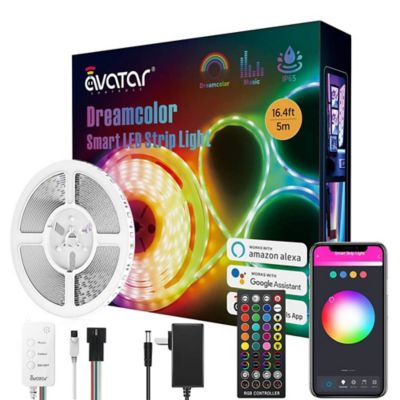
The construction of high lumen lights matters in busy spaces where equipment gets moved, cords cross work areas and dust settles on nearly everything. Aluminum housings can help move heat away from LED components, while molded polymer bodies can keep portable lights easier to carry. Impact-resistant lenses, protected switches and reinforced mounting points are worth considering around tool benches, trailers and machinery. A light's weight and shape affect how comfortably it fits in a hand, on a headband or inside a tool bag, especially when the job takes more than a few minutes. Adjustable brackets, hanging hooks and magnetic bases offer different ways to position task lighting, although each needs a suitable support surface and a secure fit. Fixed fixtures need mounting hardware appropriate for their weight and installation location. Electrical ratings, grounding requirements and any need for professional installation also belong in that decision. For garages, barns and utility spaces, a stated dust or water-resistance rating provides more useful information than appearance alone; suitability for damp or wet locations should be clearly identified by the manufacturer. Light color makes a difference, too. Neutral white light can give a work area a straightforward, clear appearance, while warmer white light may feel less stark near an entryway. Color rendering matters when sorting wire colors, matching paint or inspecting parts with subtle differences. A high lumen rating does not automatically mean colors will be easy to distinguish. Wattage is another separate measurement: it describes electrical power consumption rather than light output. Comparing lumens alongside watts helps put brightness and energy needs in perspective. For fixed lighting with app controls or scheduled operation,
Smart Lights offer another way to manage illumination, with features depending on the fixture and connected system. Switch compatibility, dimming support and connection requirements matter just as much as the controls themselves. Shields and thoughtful aiming can also keep strong light on a work area instead of spilling toward a neighbor's window or into someone's eyes.
Portable high lumen lights bring their own practical considerations, especially when the nearest outlet is back at the house or across the shop. Rechargeable batteries can suit frequent chores, while replaceable batteries may be convenient for gear that travels between a truck, toolbox and equipment shed. Battery capacity, charging connections and access to spare power all affect how a light fits into a working day. Advertised maximum brightness and advertised runtime may refer to different operating modes, so the two numbers need a closer look together. Some lights reach their highest output only for a short period before reducing brightness to manage heat or conserve battery power. A steady lower setting can be a better fit for a long repair than a brief burst of intense light. Multiple brightness levels also help with close-up work, where too much reflection from polished metal or a white wall can make details harder to see. A stable stand or adjustable head lets the beam stay on the job without balancing the light on a fender or stacking it on loose tools. Headlamps need a comfortable, adjustable strap and a beam angle that follows the task without shining into another person's face. Around livestock, controlled light placement helps illuminate latches, walkways and equipment without directing a harsh beam straight at an animal. Basic care keeps lighting ready for the next chore: power should be disconnected before cleaning, lenses should be wiped with materials the manufacturer recommends, and cords, charging ports and battery compartments need occasional inspection. Clear lenses preserve useful output, while damaged housings or electrical connections call for attention before further operation. High-output lighting can also make a practical gift for someone who spends time fixing equipment, maintaining property, camping or working in a garage. Comfortable handling, straightforward controls and a beam suited to everyday tasks tend to matter more than the biggest number on the package. From checking a loose fitting to lighting a broad workbench, useful brightness is the light that reaches the job without getting in the way.