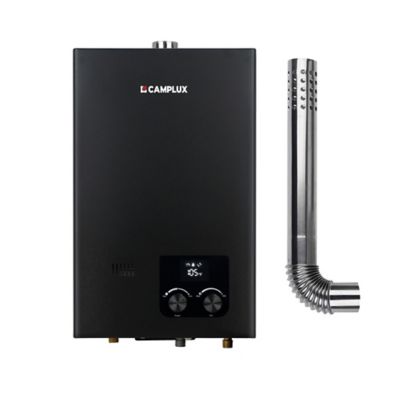
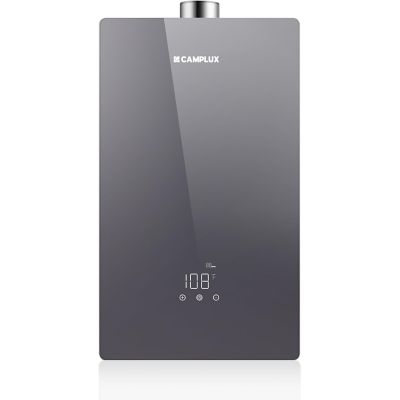
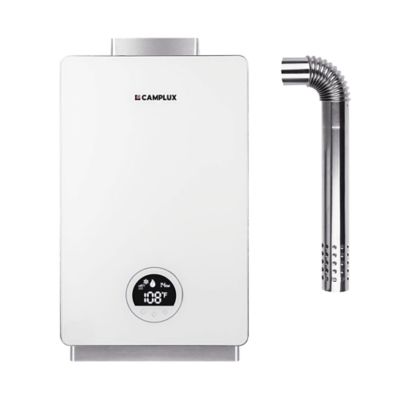
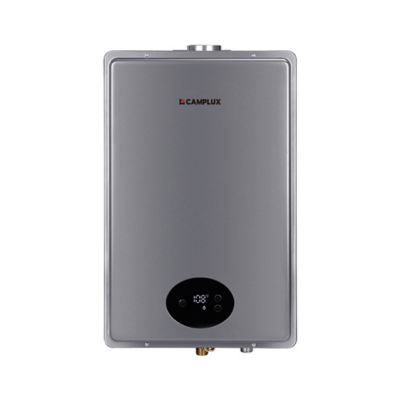
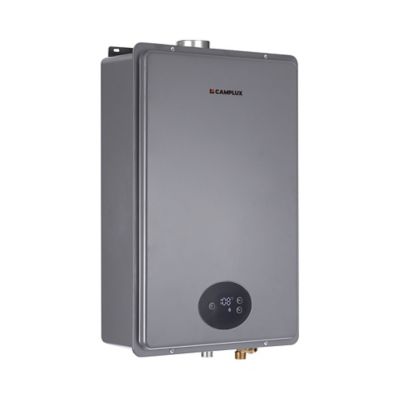
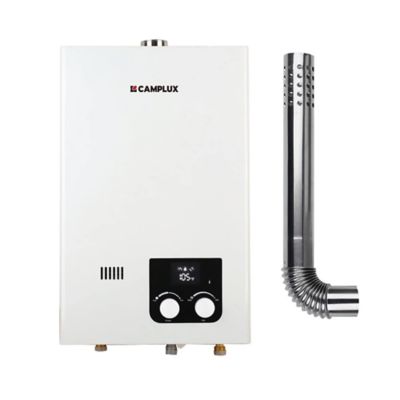
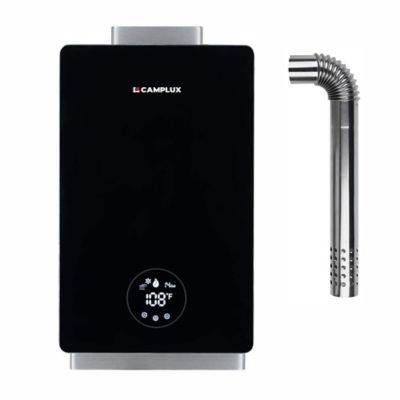
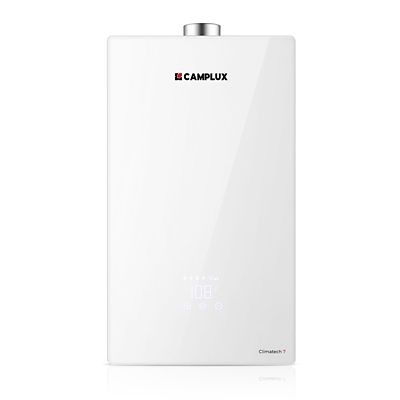
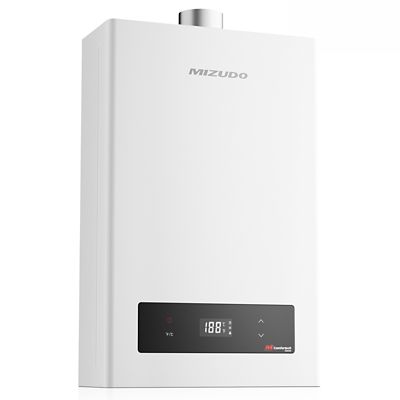
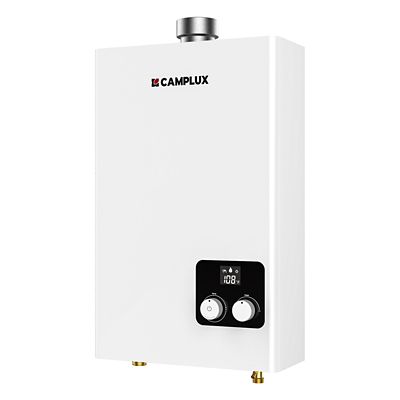
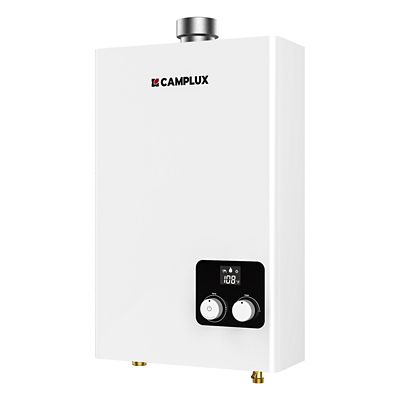
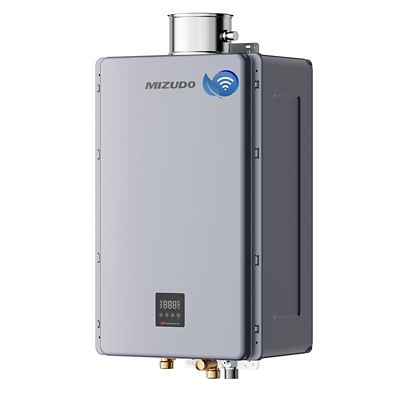
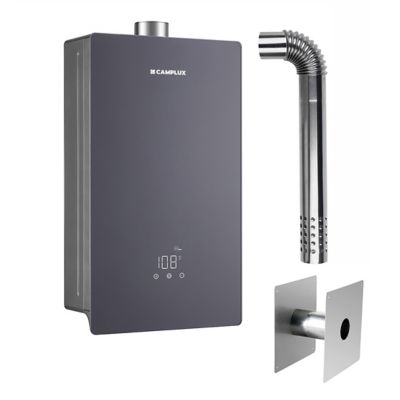
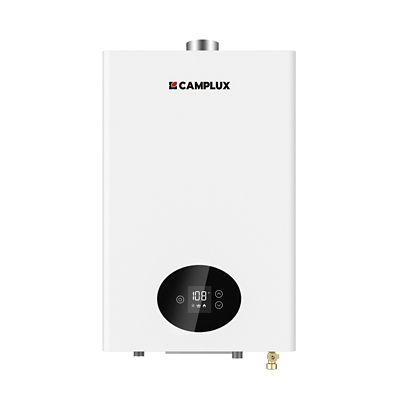
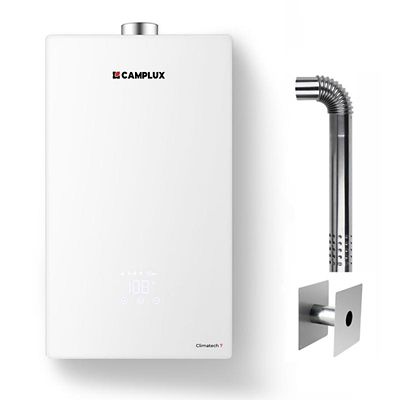
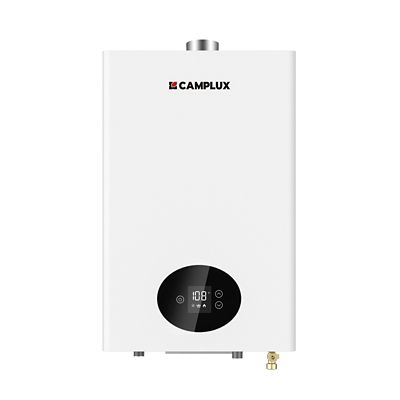
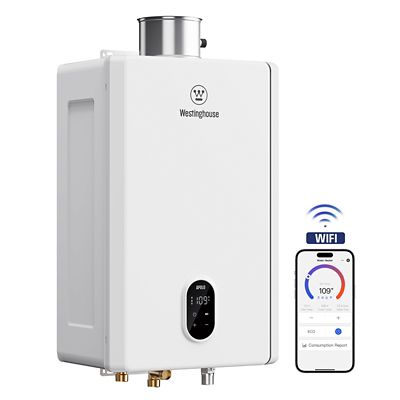
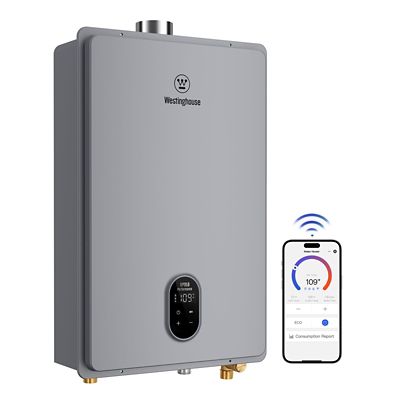
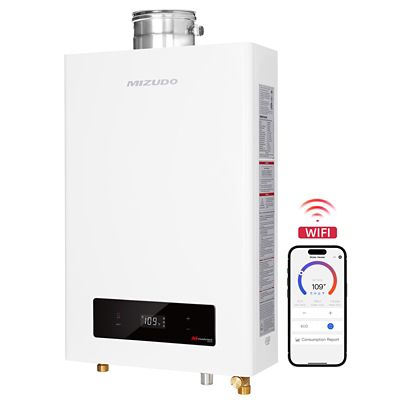
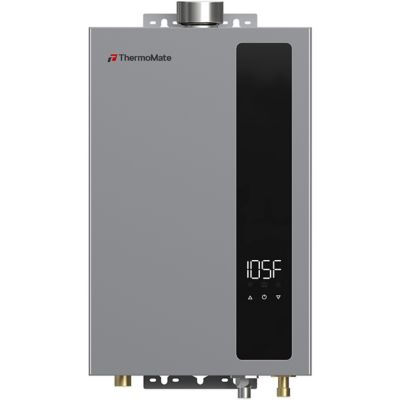
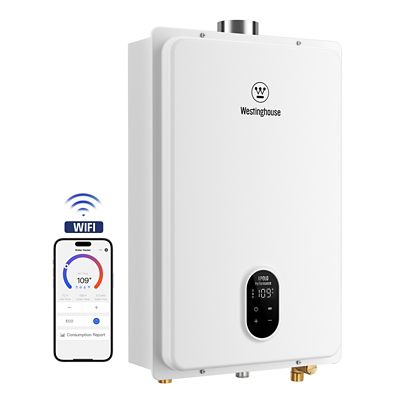
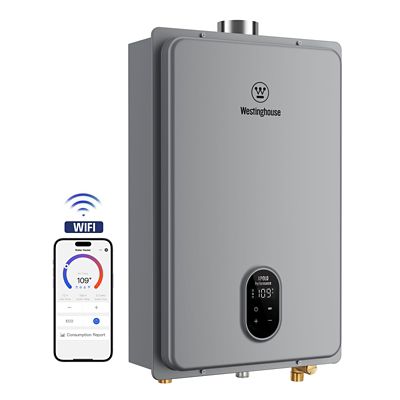
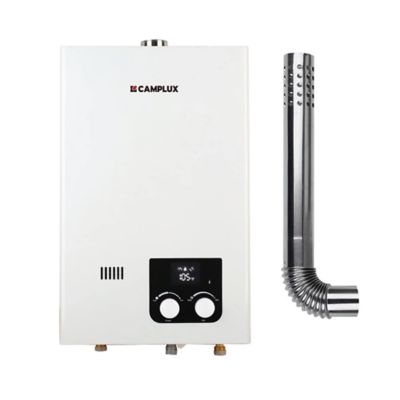
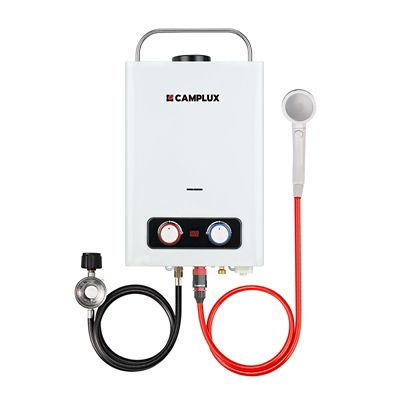
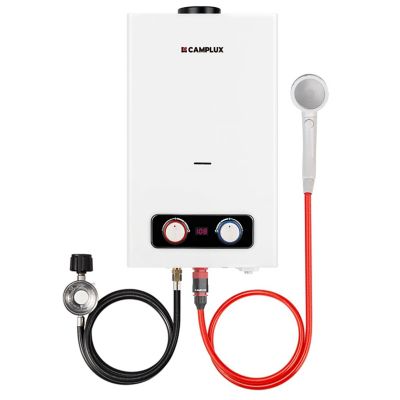
Indoor propane tankless water heaters are a practical way to get hot water without keeping a large storage tank heated all day. Instead of storing a set amount of hot water, these compact, wall-mounted units warm water as it moves through the system, supplying hot water when a shower, sink, laundry machine, or other fixture calls for it. That on-demand design can be especially useful in rural homes, cabins, workshops, guest houses, barndominiums, and properties where space is limited or propane is already part of the home’s energy setup. It also helps avoid the familiar rush of cold water that can happen when a household empties a storage tank before everyone has finished bathing. As the weather turns cooler and hot water becomes part of the daily rhythm—from a warm shower after chores to washing muddy boots and rinsing feed buckets—an indoor propane tankless water heater can provide a steady supply when properly sized and installed. These units are also worth considering for households that want a clean, uncluttered utility room, since they generally take up much less floor space than conventional tank-style heaters. Some homeowners choose them when replacing an older water heater, while others use them in a new build, a remote home, or an addition where extending an existing hot-water system may be difficult. Propane can be a convenient fuel choice in areas without access to natural gas, but the heater must be matched to the property’s propane supply, plumbing, electrical service, and hot-water demands. For broader fuel and efficiency information, see
High Efficiency Propane Water Heaters.
Flow rate is one of the most important details to compare when choosing indoor propane tankless water heaters. Measured in gallons per minute, or GPM, flow rate indicates how much water the unit can heat as it passes through. A smaller unit producing around 3 GPM may be a good fit for a single bathroom, a cabin, or a household where one shower or sink is typically used at a time. A larger unit with 5 GPM or more may better serve a full home with several bathrooms, especially when showers, kitchen faucets, laundry equipment, or other fixtures may run together. Keep in mind that the temperature of incoming water affects performance. Water coming into the home during the cooler months takes more energy to heat, so a unit that feels adequate during warm weather may have less capacity when groundwater temperatures drop. It helps to think about real household routines rather than simply counting fixtures. A home with one bathroom may still need more capacity if a shower runs while the dishwasher fills and someone washes up at the kitchen sink. Check the manufacturer’s recommended flow rates, temperature-rise charts, and minimum activation flow before making a decision. Efficiency is another useful comparison. Non-condensing models commonly operate around 80% to 84% thermal efficiency, while high-efficiency condensing models may reach approximately 95% to 99%, depending on the design and operating conditions. A condensing unit captures additional heat from exhaust gases, but it may require different venting and condensate drainage. Look at the unit’s BTU input as well as its GPM rating; many indoor propane tankless water heaters use high inputs, often ranging from about 100,000 to 199,000 BTU, to heat water quickly. A higher rating does not automatically make a unit the right choice, since the home’s gas line, regulator, meter, and propane tank must be able to support the demand. Reading the installation requirements before purchase can prevent an expensive mismatch.
Safety and installation requirements deserve careful attention with any indoor gas appliance. Indoor propane tankless water heaters burn fuel, so they must be installed with approved venting that safely carries combustion gases outdoors. Never operate an indoor-rated gas water heater without the required vent system, and do not substitute improvised pipe, unapproved materials, or venting intended for another appliance. Many units require stainless steel or another manufacturer-approved vent kit, along with specific clearances from walls, windows, doors, and combustible materials. A qualified professional should evaluate the installation location, propane pressure, gas-line size, water connections, electrical outlet, drainage, and local code requirements before the heater is put into service. Existing gas lines that worked for a standard storage water heater may be too small for a tankless unit’s higher BTU demand, and upgrading the line may be necessary. Most indoor models also need a standard 120-volt electrical connection to operate electronic ignition, controls, displays, freeze protection, and internal fans. In areas that experience freezing temperatures, pay close attention to the manufacturer’s freeze-protection instructions and consider how the unit will be protected during a power outage or an unoccupied stretch. Even a well-insulated building can lose heat during a hard freeze, and water left inside the unit or connected piping may cause damage. Routine care may include checking intake and exhaust areas, inspecting connections, cleaning filters, and flushing mineral buildup according to the manufacturer’s schedule. Hard water and sediment can affect heat exchangers over time, particularly on rural properties supplied by a well. An inline filter, water softening equipment, or periodic professional service may help support reliable operation. With the right capacity, fuel supply, venting, and installation, an indoor propane tankless water heater can be a space-saving solution for dependable hot water in the home, cabin, shop, or other rural living space.