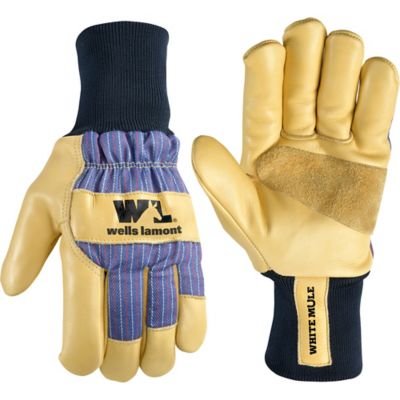
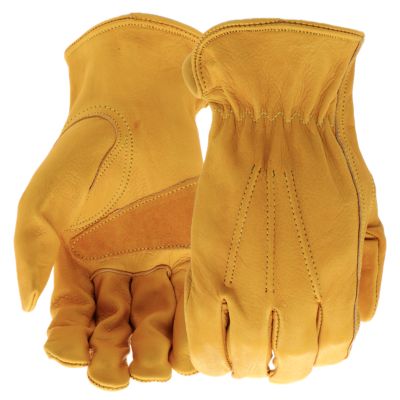
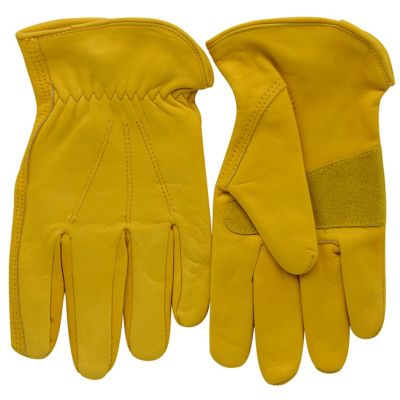
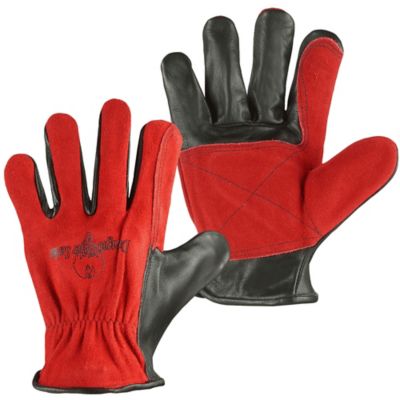
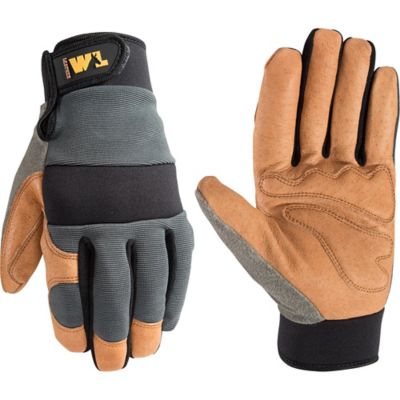
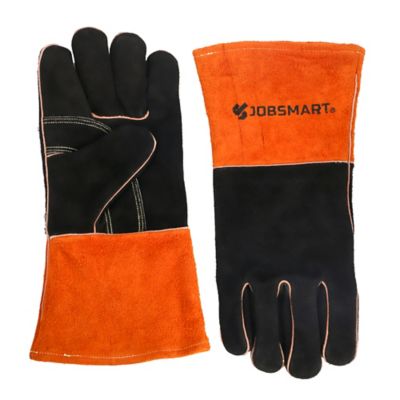
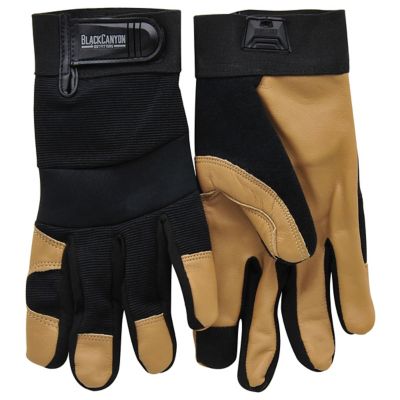
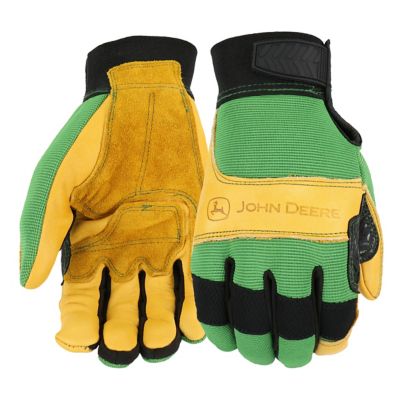
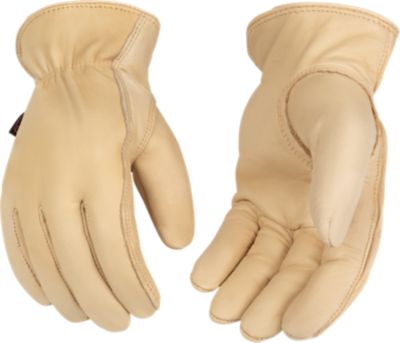
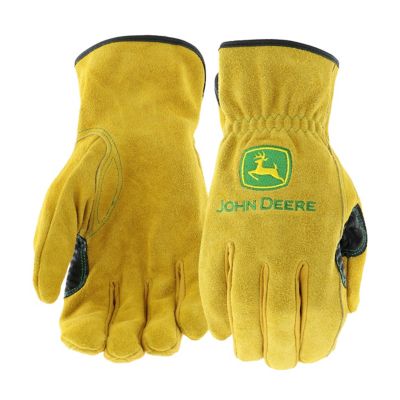
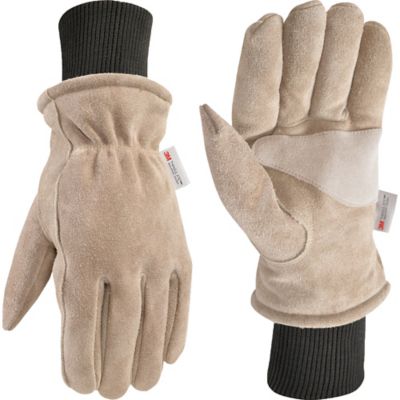
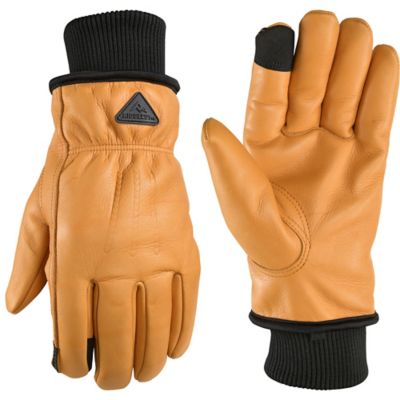
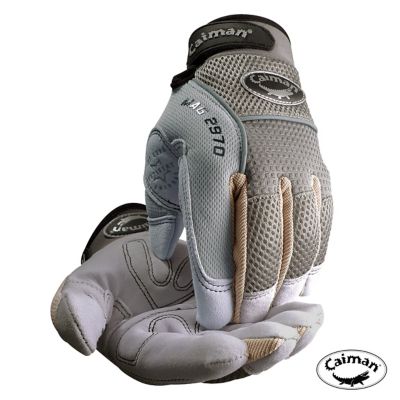
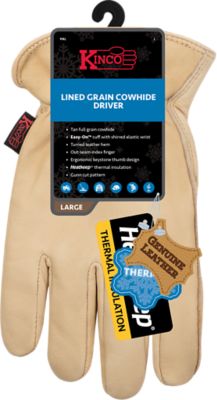
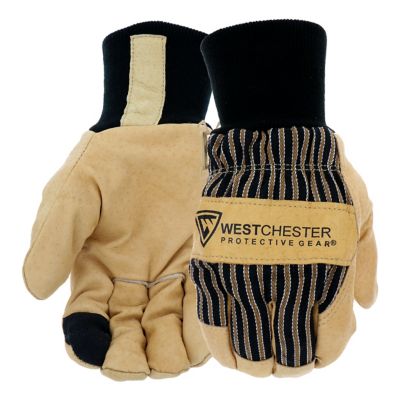
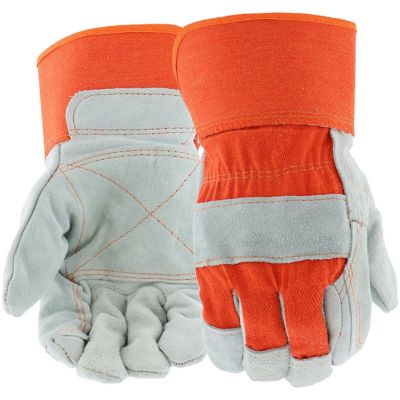
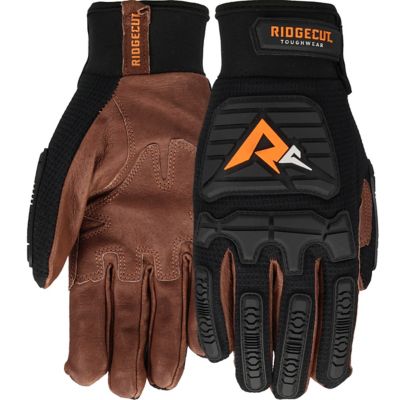
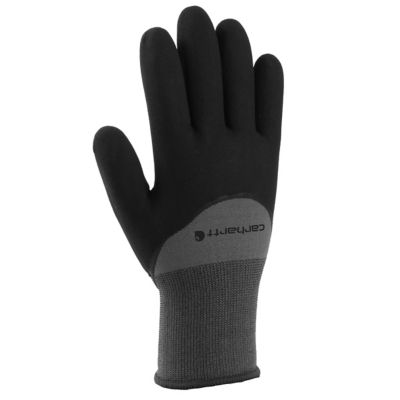
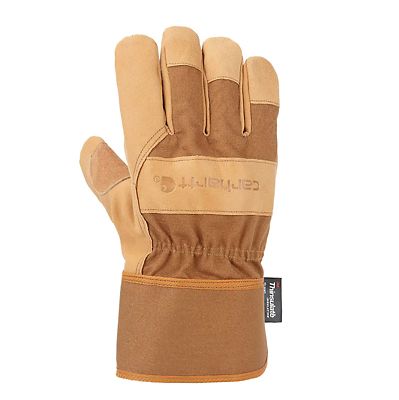
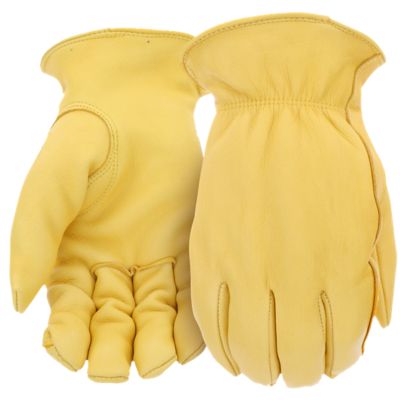
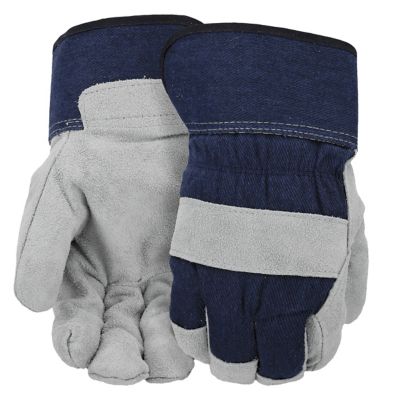
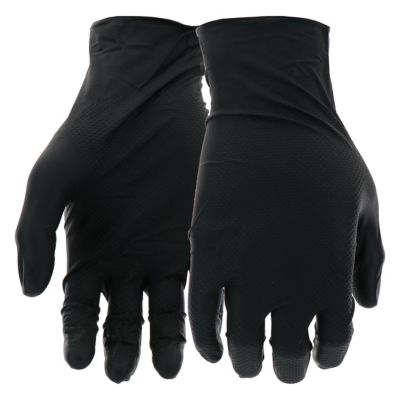
Heavy-duty leather work gloves put a protective layer between your hands and the rough surfaces that come with a full day of chores. Hauling lumber, stacking firewood, carrying feed sacks, and handling fence posts all bring palms and fingers into contact with grit, friction, and splintered edges. Leather gloves help reduce scraping and abrasion during those jobs while giving you enough flexibility to wrap a hand around a shovel handle or lift a gate latch. Their performance depends on the leather, thickness, construction, and any added protective features, not simply the heavy-duty label. Cowhide is a common choice for its balance of toughness and flexibility, making it well suited to general farm, ranch, and construction work. Goatskin generally has a supple feel that supports finger movement, while pigskin often offers breathability and flexibility. Deerskin is known for its soft feel, though leather thickness and glove construction still determine how a pair handles demanding work. Full-grain leather retains the outer grain surface of the hide and typically has a smoother finish. Split leather comes from an inner layer and has a rougher, suede-like surface, making it another option for abrasion-heavy tasks. Neither finish alone tells the whole story. A reinforced palm adds material where handles and loads rub, while reinforced fingertips address wear from repeated contact at the ends of the fingers. Seams positioned away from frequent contact points can help limit rubbing inside the glove and exposure to wear outside it. For a ranch hand moving panels, a groundskeeper hauling brush, or a homeowner clearing out a shed, those construction details can matter as much as the leather itself. The best match leaves your hands protected without making every small movement a struggle, whether the job involves carrying rough boards across the yard or holding a wrench steady on a stubborn fitting. A glove built for repeated lifting may feel different from one meant for detailed handling, even when both have leather palms.
Fit makes a noticeable difference in how heavy-duty leather work gloves perform through a long stretch of work. Fingers should reach comfortably toward the ends without pressing hard against the tips, and the palm should close around a handle without pulling the seams tight. Extra material at the fingertips can interfere with picking up a washer or working a latch, while an overly tight fit can restrict movement and leave the hand feeling cramped. Sizing charts based on hand measurements offer a better starting point than assuming every glove follows the same sizing. Leather may soften and conform with wear, but a pair that pinches from the start should not depend on stretching to become comfortable. Thumb construction also affects the feel: a thumb set to follow the hand’s natural position can make gripping tools and carrying loads less awkward. Cuff styles serve different purposes. An adjustable wrist closure helps keep the glove in place and limits loose material around the wrist; an open cuff makes pulling gloves on and off simpler between tasks. Longer cuffs provide additional coverage above the wrist, though that coverage does not establish protection against a particular hazard. Lined gloves change the interior feel and can affect finger room, so fit should account for the entire glove construction. A thicker palm may stand up better to repeated rubbing but can also reduce sensitivity when handling small hardware. That tradeoff matters when a job moves between unloading posts and fastening hinges. Leather alone does not make a glove cutproof, punctureproof, or suitable for welding. Sharp wire, sheet metal, sparks, and hot materials call for protection specifically rated or designated for the task. Cut and puncture ratings describe different hazards and are not interchangeable. Equipment safety rules matter, too: gloves can catch in rotating machinery, so the equipment manufacturer’s instructions and workplace requirements take priority. For everyday handling, a comfortable grip and freedom of movement help keep the glove from becoming another thing to wrestle with.
The broader selection of
Leather Work Gloves includes construction features suited to different kinds of hands-on work, from frequent tool handling to carrying abrasive materials. Matching those features to the chores ahead helps narrow the choice without assuming the thickest glove is always the best one. Someone who spends hours gripping a rake or wheelbarrow may value a flexible palm and seams that stay clear of pressure points. Someone handling rough lumber may put more emphasis on palm reinforcement and coverage across the fingers. Leather generally absorbs moisture rather than forming a waterproof barrier, and a leather palm does not guarantee a secure grip on oily or slick surfaces. Any water resistance or specialized grip treatment should come from the glove’s stated features. Care also plays a part in how well the leather holds up. Manufacturer directions are the starting point, since leather types, linings, and treatments can require different cleaning methods. For many pairs, brushing away loose dirt and wiping the surface with a lightly damp cloth is preferable to soaking. Machine washing, strong cleaners, and unapproved treatments can change the leather’s feel or affect other glove materials. After contact with moisture, gloves generally benefit from air-drying away from direct heat, with enough space for the interior to dry as well. Storing them clean and dry keeps grit from sitting against the leather between jobs. A leather conditioner belongs in the routine only when the manufacturer recommends it; some treatments can alter grip or interfere with protective features. Regular checks of the palms, fingertips, seams, and cuffs help reveal thinning leather, open stitching, or holes before the next demanding task. Damage that compromises coverage is a reason to replace the gloves rather than count on worn leather for protection. For a gift, knowing the recipient’s hand size and usual chores is more useful than guessing from appearance. A well-fitting pair suited to fence work, shop chores, or property upkeep makes a practical addition to the gear that stays close at hand.