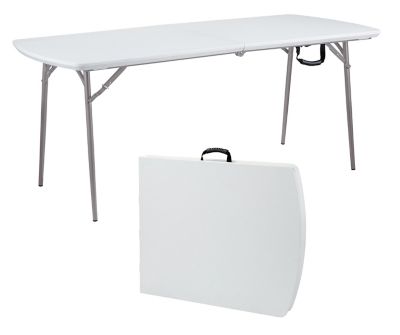
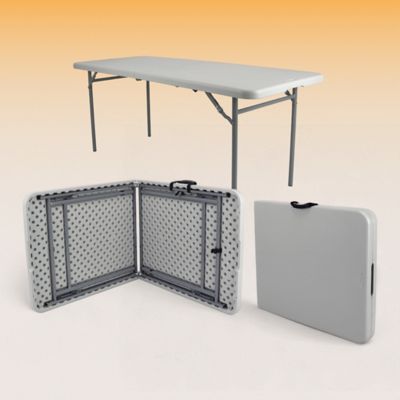
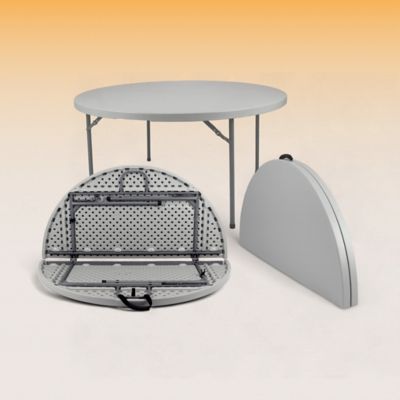
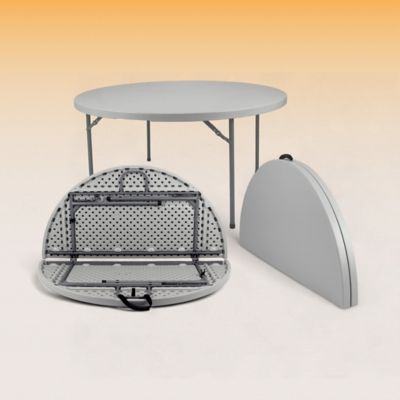
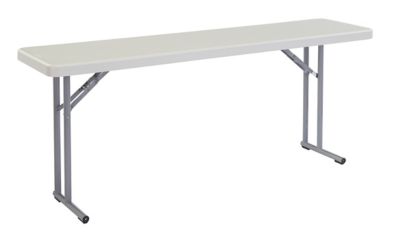
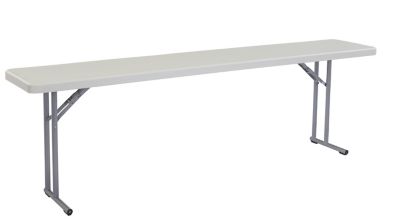
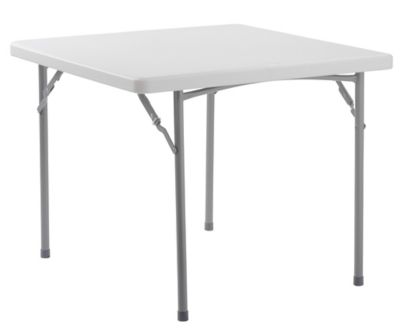
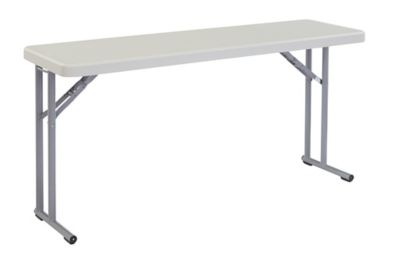
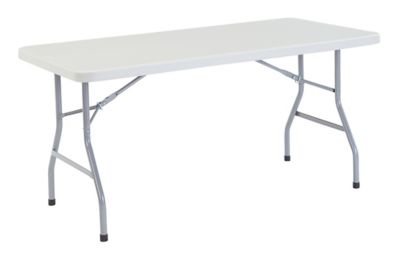
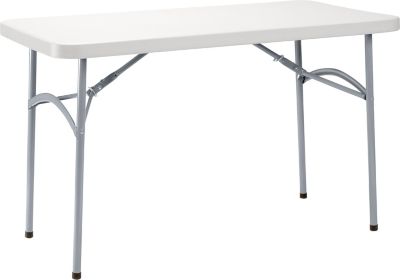
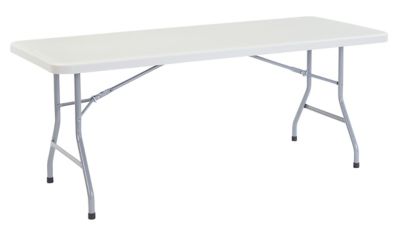
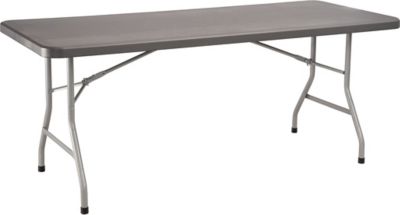
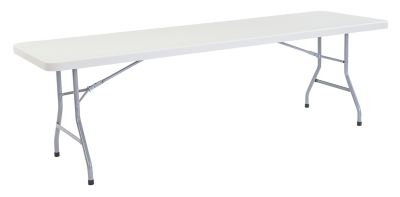
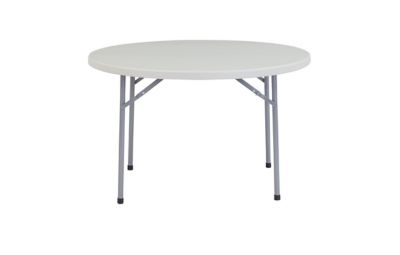
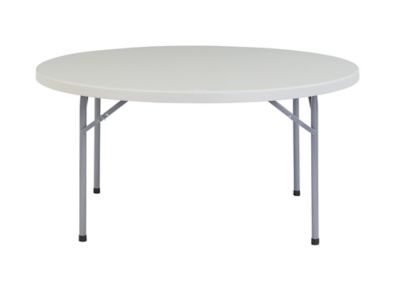
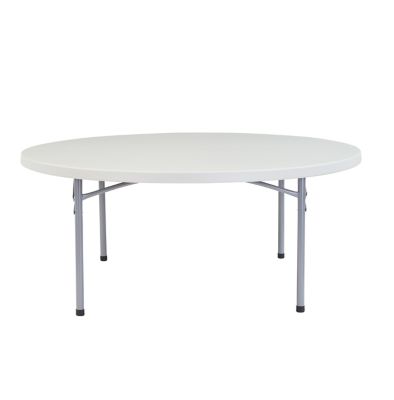
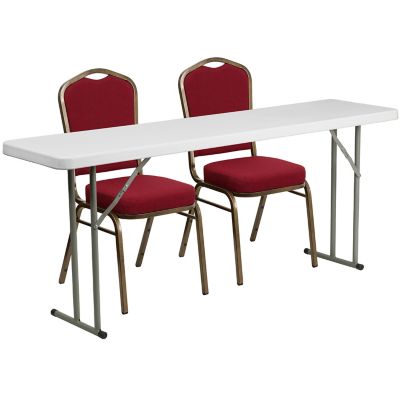
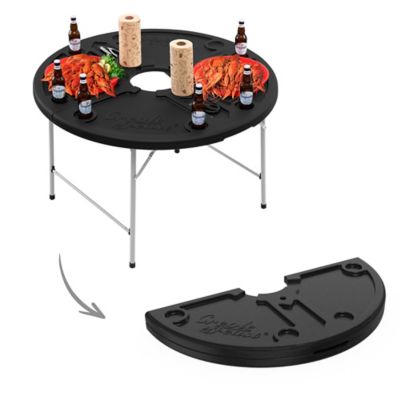
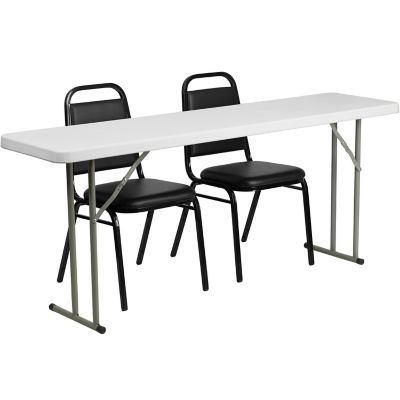
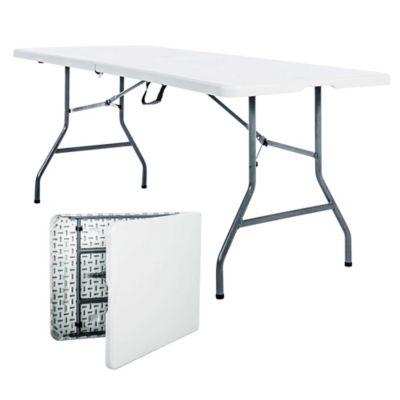
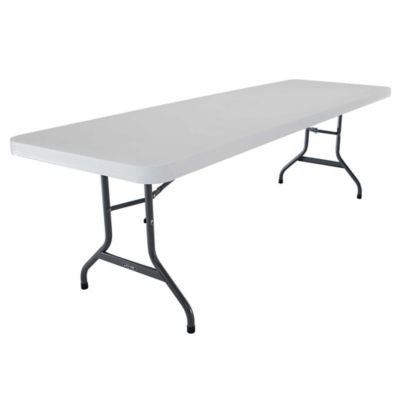
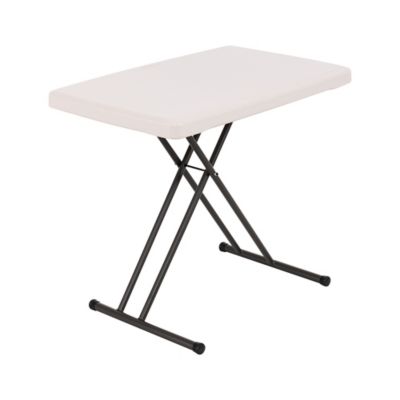
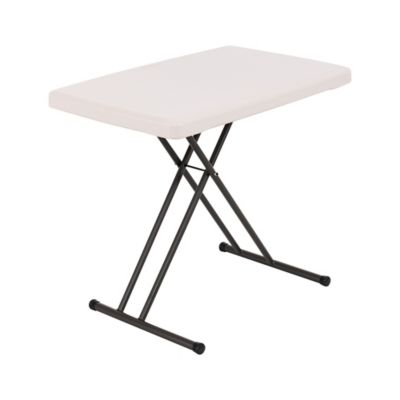
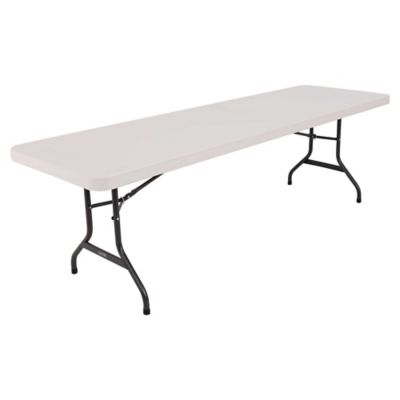
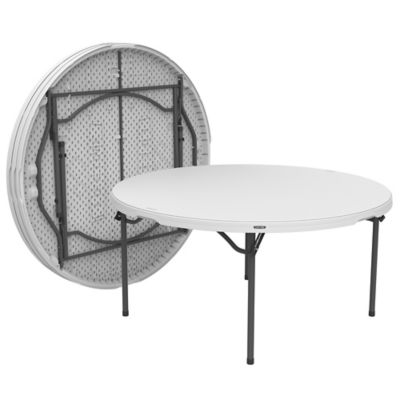
Heavy duty plastic folding tables bring a steady work surface to places where a permanent table would get in the way, from a farm office or garage to a church fellowship hall or covered picnic area. They offer room for potluck dishes, meeting paperwork, craft supplies and everyday sorting jobs, then fold down when the floor space needs to serve another purpose. Many tables in this category pair a high-density polyethylene, or HDPE, top with a steel frame. Blow-molded plastic construction creates a hollow tabletop with reinforcing contours underneath, helping balance strength with a manageable carrying weight. The surface stands up well to everyday spills and wipes clean without the care that unfinished wood requires. Powder-coated steel frames add support and help protect the metal against corrosion, though scratches in the coating and moisture around joints still deserve attention. Construction varies, so the heavy duty label alone does not tell the whole story. A table’s stated weight capacity, leg bracing, locking hardware and intended setting give a clearer picture of what it can handle. Load ratings often refer to weight spread evenly across the top, not a stack of feed bags concentrated at one end or a person standing in the middle. Some ratings also distinguish between a stationary load and the demands of commercial service. Following the manufacturer’s stated limits matters more than assuming every plastic folding table performs alike. For households, volunteer groups, vendors and farm crews, the appeal is straightforward: extra space that can move where the job takes it. A long rectangular table can hold a line of serving trays at a community supper, while a shorter table can keep sign-in sheets and a cash box close at hand during an event. During the cooler months, that same easy-to-move surface can shift indoors for family gatherings, club meetings or packing supplies. It is practical equipment for places where one room does several jobs.
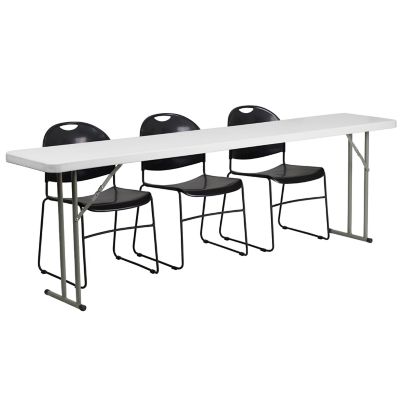
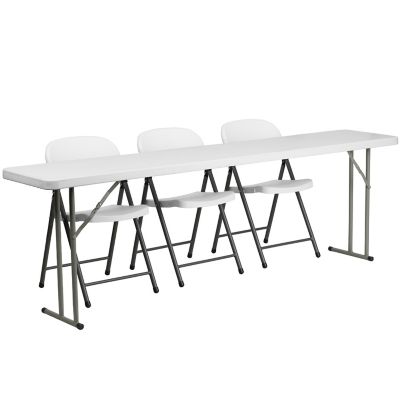
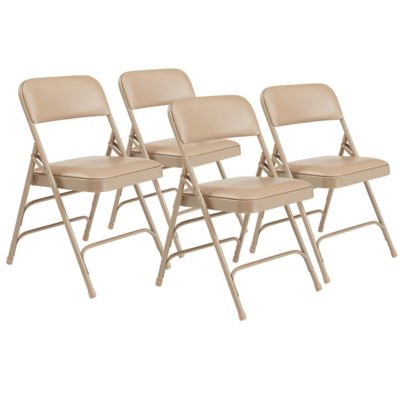
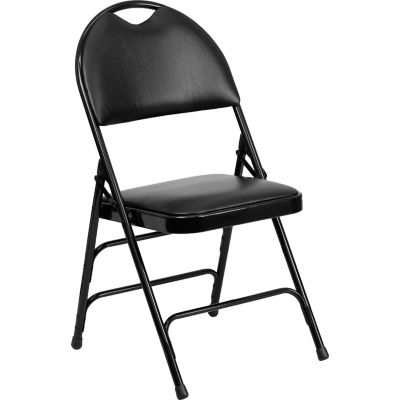
Size and folding style make a noticeable difference once a table is set up, carried or put away. Common rectangular lengths include 4, 6 and 8 feet, but width, height and the clear space beneath the top matter just as much as length. A narrow footprint may suit a hallway check-in station, while a wider top leaves more room for dishes between facing place settings. Seating room depends on chair width, leg placement and how much elbow room each person needs, rather than table length alone. Corner legs, crossbars and braces can affect whether a chair slides in comfortably, especially at the ends. Pairing tables with
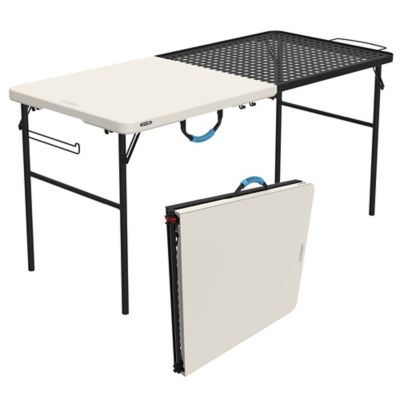
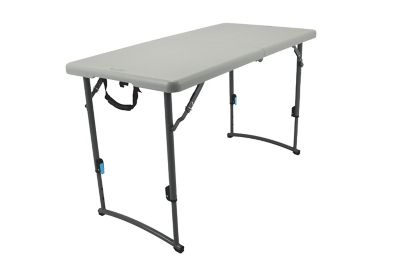
Heavy Duty Folding Chairs helps create flexible seating for a family meal, township meeting or gathering at the fairgrounds, with seat height and tabletop clearance worth checking together. Standard-height tables suit seated activities, while adjustable-height designs can accommodate different tasks when their stated settings and load limits fit the job. Fold-in-half tables close at the center, making a long top easier to fit into a vehicle or storage closet. Models with a one-piece top generally keep their full length when the legs fold underneath, so their storage footprint is different even when their open dimensions match. A carrying handle and a latch that holds the folded halves together can make trips from the shed to the meeting hall more manageable. Table weight still counts, particularly when one person handles setup or the path includes steps, gravel or a long walk across the grounds. Underneath, fully engaged leg locks and sound bracing help keep the open frame secure. Nonmarring feet help protect indoor floors, but firm, level ground remains important in any setting. A table that sits evenly on concrete may rock on a rutted barn aisle or sink into soft soil. Enough space around the edges also keeps chairs, serving lines and busy walkways from crowding one another.
Everyday service puts a folding table through more than a single load test. Tops encounter spilled coffee, dusty cartons, damp gloves and the occasional scrape from a storage tote; hinges and legs go through repeated opening, closing and loading for transport. A reinforced underside, well-supported edges and hardware that moves smoothly are useful signs to consider alongside the published specifications. Plastic tops can resist moisture and staining, but resistance is not the same as protection from every substance or condition. UV protection, suitability for outdoor service and resistance to particular cleaners vary by table. A covered porch gathering and extended exposure to sun, rain or freezing temperatures are different demands, so outdoor ratings and storage directions deserve a close look. Wind can also move an empty table or lift a loose covering, making sheltered placement important for outdoor events. For cleanup, mild soap, water and a soft cloth are often enough for ordinary dirt, with the manufacturer’s care directions taking priority. Abrasive pads and harsh solvents can damage the finish, while a hot stockpot or cooking appliance may warp a plastic top without an appropriate heat barrier and approval for that application. Cutting directly on the surface can leave grooves that collect grime; a separate cutting board keeps food preparation contained. After a meal or a dusty sorting job, cleaning the underside and drying the frame before storage help keep grit and moisture out of the folding parts. Periodic checks of fasteners, foot caps, hinges and locks are especially worthwhile for tables that travel often. Folding mechanisms should move freely, with fingers kept clear of pinch points and children away during setup. For storage, a dry spot out of traffic keeps folded tables from becoming a tripping hazard, and secure placement helps prevent tipping. Whether the next task is laying out paperwork, setting out covered dishes or organizing supplies before a busy day, a table matched to the space and workload provides a useful surface without permanently claiming a corner of the room.