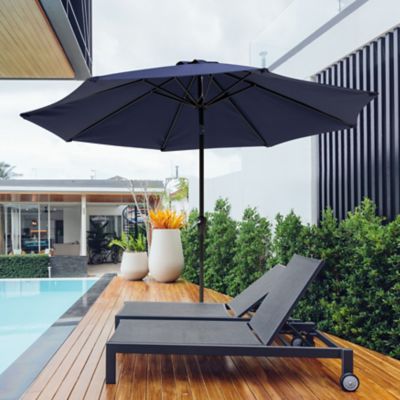
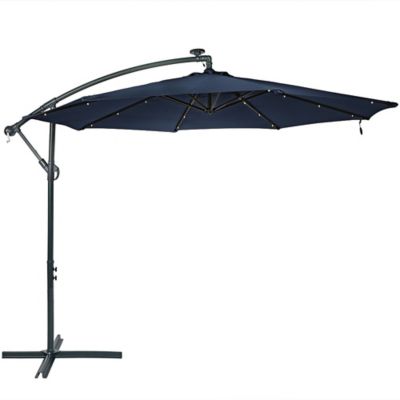
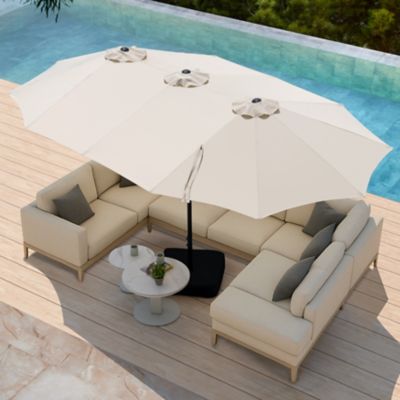
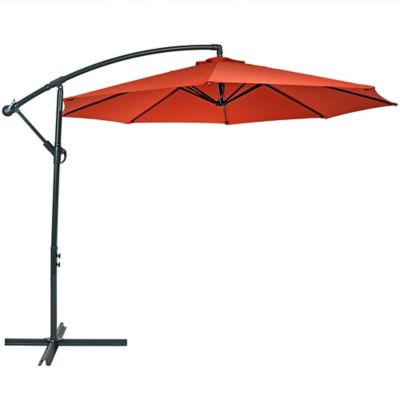
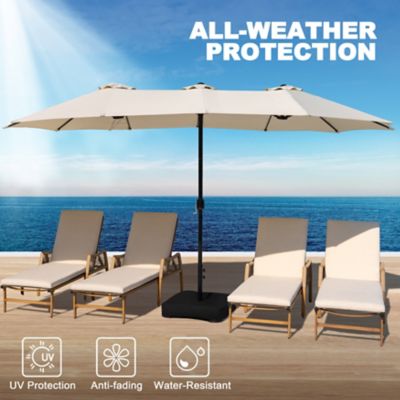
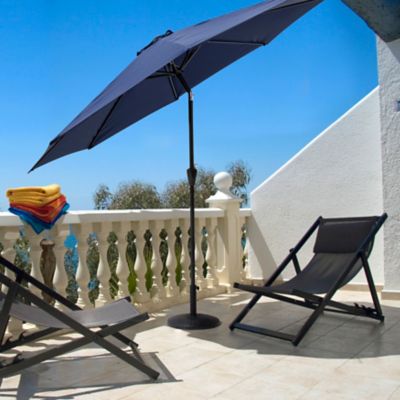
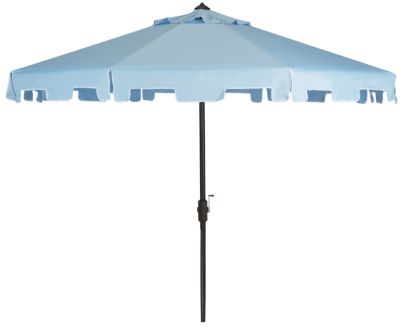
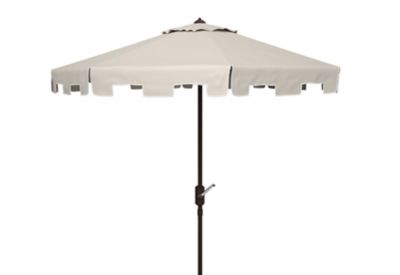
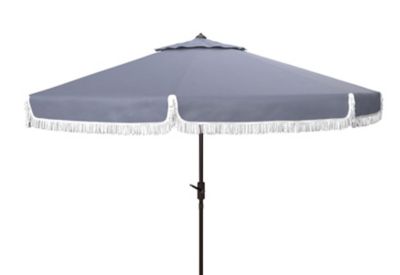
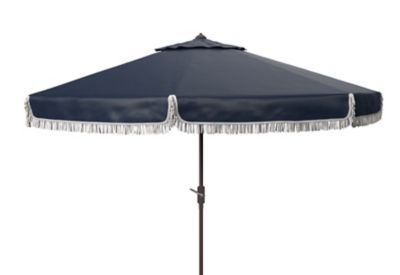
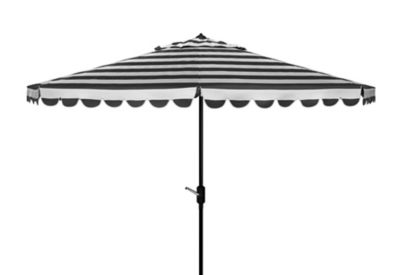
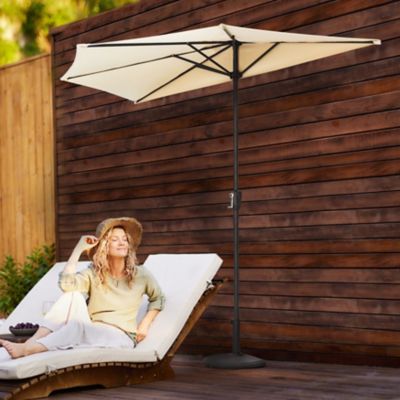
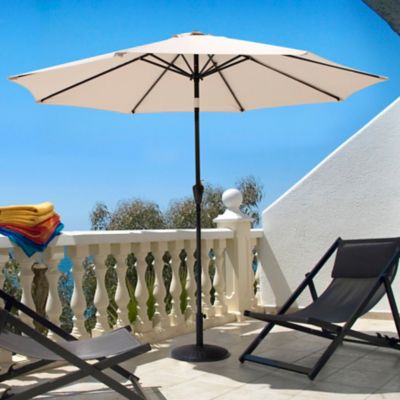
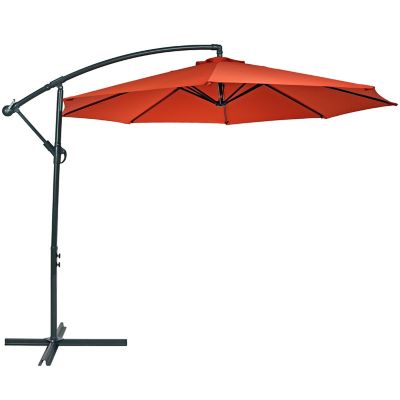
Extra large garden umbrellas provide broad shade for outdoor dining tables, roomy seating arrangements, and gathering spots where a smaller canopy leaves someone sitting in the sun. Some double-sided designs span 15 feet or more, while large square, rectangular, and octagonal canopies offer different ways to cover a patio. There is no single size that makes an umbrella extra large, so the listed canopy dimensions matter more than the size label alone. A long rectangular canopy suits a picnic table or a row of chairs along a garden terrace. A square canopy works well over a sectional seating area, while an octagonal shape can fit naturally around a round table. Double-sided umbrellas stretch coverage across a wider area from one central support, making them worth considering for long dining arrangements. Center-pole market umbrellas fit through a compatible table opening or stand beside seating, with the pole occupying part of the shaded space. Cantilever umbrellas hold the canopy from an offset support, leaving more room beneath it for chairs, serving tables, and people moving around. That open space can be handy when the whole family pulls up a seat after chores or neighbors stop by for supper outside. Canopy width is only part of the fit: the base, support arm, open canopy height, and clearance needed to raise or rotate the umbrella all take up room. A layout that looks roomy with the umbrella closed may feel tight once its ribs extend toward a fence, low branch, or porch roof. Shade also moves as the sun crosses the yard, so coverage at lunchtime will differ from coverage later in the day. Tilt and rotation features can help reposition the canopy without dragging the whole setup across the patio. The most practical arrangement keeps chair backs, walking paths, and nearby doors clear while putting shade over the places people actually sit.
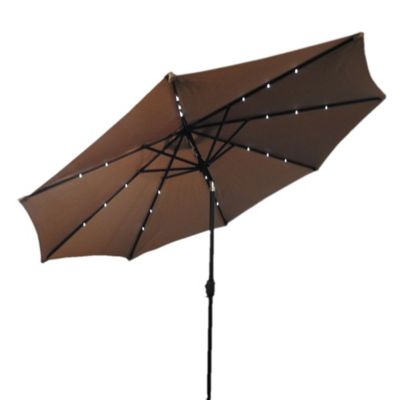
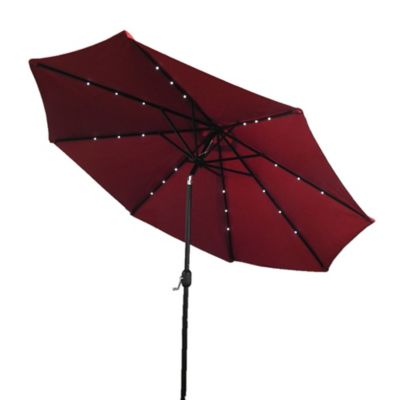
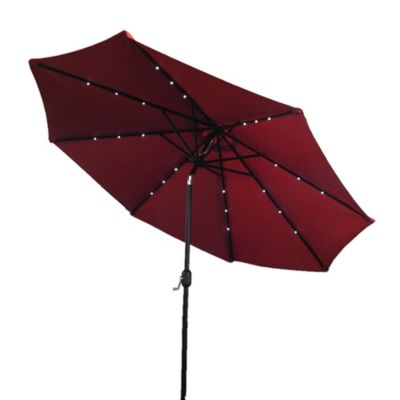
Materials and construction affect how an oversized patio umbrella handles everyday outdoor exposure and repeated opening and closing. Polyester, olefin, and acrylic are common canopy fabrics, though their resistance to fading, moisture, and sunlight varies by fabric formulation and treatment. A stated ultraviolet protection rating provides more useful information than color or fabric thickness alone. Shade reduces direct sun exposure, but it does not eliminate reflected sunlight or replace other sun protection. Water-resistant fabric can shed a passing sprinkle, while a garden umbrella should not be mistaken for a waterproof roof or storm shelter. Seams, canopy slope, and fabric tension all influence how water moves off the surface. A vented top lets some air pass through the canopy, but vents do not make a large umbrella safe to leave open in strong wind. Underneath, aluminum frames generally offer lower weight and resistance to rust, while steel frames provide substantial support and often carry a protective coating. Scratches in coated steel can expose metal to moisture, especially around joints and hardware. Rib connections, pole joints, and the lifting mechanism deserve attention because a wide canopy puts considerable leverage on those parts. A crank lift can make opening a large umbrella more manageable, and a locking tilt mechanism helps hold the canopy at its intended angle. Cantilever designs may offer rotation, adjustable height, or several tilt positions; the available movement depends on the model. Controls should remain easy to reach without leaning across a table or stepping over the base. Canopies with integrated lighting can add a soft glow over an evening meal, though solar-powered systems need suitable daylight exposure to charge. Electrical components, cords, and charging connections need the care specified for that design. Color is another practical consideration: lighter shades tend to show dirt and leaf stains more readily, while darker shades may show fading more noticeably. Fabric specifications, rather than color alone, tell the clearer story about expected performance.
Support and placement are especially important with extra large garden umbrellas because a broad canopy catches wind and creates leverage against its base. The required base weight depends on canopy size, umbrella design, mounting method, and the manufacturer's specifications; there is no single weight that suits every large umbrella. A table opening helps position a center pole, but the table does not replace the specified base. Offset designs place their load differently and may require a particular weighted base or an approved permanent mounting system. Some cross-shaped stands need separate weights, and a base pictured with an umbrella is not necessarily included. Compatibility also involves pole diameter, attachment hardware, and the space available around the support. Umbrellas on a deck need a mounting arrangement suited to the structure, not just fasteners driven into surface boards. Extra large garden umbrellas and
Heavy Duty Outdoor Umbrellas can share features such as substantial frames and reinforced connections, but neither label replaces the stated support requirements or operating limits. A level, stable location away from grills, fire pits, and overhead obstructions gives the canopy room to operate without introducing avoidable hazards. Closing the umbrella when it is unattended and before strong winds arrive helps protect both the frame and nearby belongings. Any wind limit in the product instructions still applies, even with a heavy base. For routine care, loose dirt and leaves can be brushed away before they settle into fabric folds. Mild soap, water, and a soft brush are often suitable for cleaning, subject to the fabric care directions. Harsh cleaners and pressure washing can damage coatings or fibers. Letting the canopy dry fully before closing it for storage helps limit mildew, and a fitted cover helps keep dirt off a dry, folded umbrella. A sheltered storage space also reduces exposure when the umbrella is not needed. For someone who enjoys backyard meals or tending a garden seating area, an oversized umbrella can be a thoughtful gift once the space, mounting needs, and preferred canopy shape are settled.