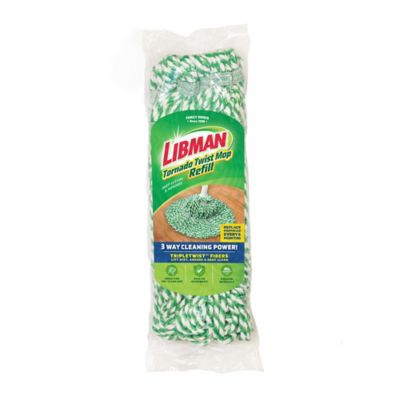
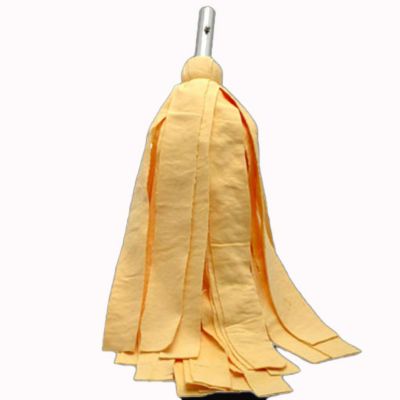
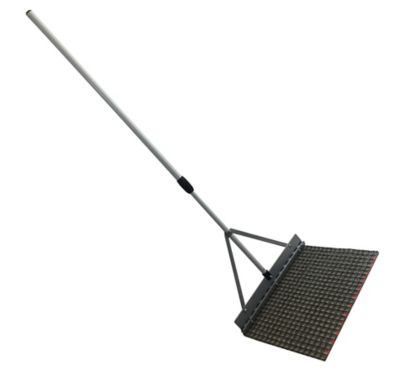
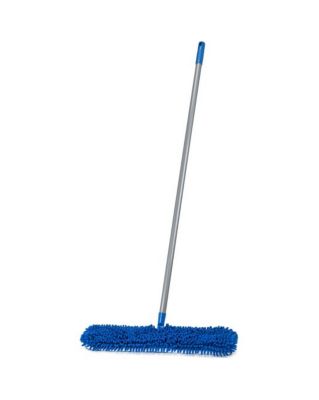
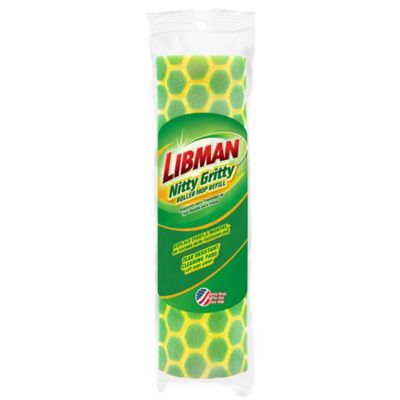
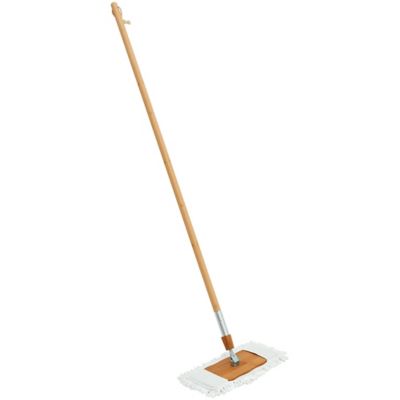
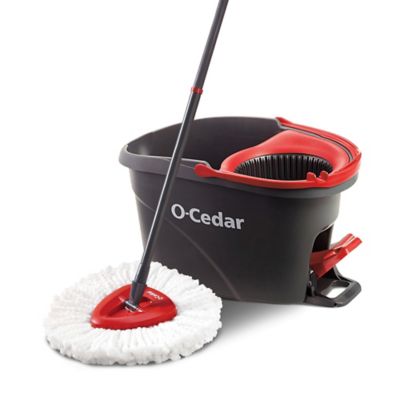
Heavy-duty mop heads are replacement cleaning heads built for repeated wet mopping in busy homes, farm offices, workshops, and commercial spaces. They help lift tracked-in dirt, absorb water-based spills, and spread compatible cleaning solution across hard floors. The right match depends on the fiber, the head’s construction, the floor surface, and the handle it attaches to—not just how large it looks in the bucket. Cotton mop heads absorb moisture well and suit everyday cleanup where floors collect boot prints, dust, and ordinary spills. Some cotton yarn needs an initial wash or soak, following the care label, before it wets out evenly. Blended yarn combines cotton with synthetic fibers to balance absorbency, strength, and drying time, making it a practical option for repeated cleaning rounds. Rayon blends can release liquid readily, which may suit certain floor-maintenance tasks when the head is rated for that application. Microfiber mop heads have fine fibers that help collect smaller particles and spread moisture across smooth surfaces; their performance still depends on the construction and cleaning method. Yarn style matters, too. Cut-end heads have individual strands with open ends, while looped-end heads keep the yarn connected at the tips to help limit unraveling and tangling. A tailband holds strands in a wider cleaning path, helping the head stay spread out instead of bunching beneath the handle. These details make a difference along a feed-room walkway or across a large breakroom floor, where an even pass is easier to manage than a rope-like bundle of wet yarn. Looped ends and tailbands can also support repeated laundering when the care instructions allow it. No single fiber is the best choice for every floor, and a heavy-duty label does not mean every head tolerates the same chemicals or washing routine. A head that suits daily traffic on sealed concrete may not be the best fit for a smooth finished floor that needs less water and careful moisture control.
Handle compatibility is just as important as the mop fibers themselves. Heavy-duty mop heads may attach through a screw-on fitting, a clamp, or a frame designed for a particular head style. Threaded connections need matching thread dimensions, while clamp-style handles need a headband that fits securely inside the holder. Narrow and wide headbands are not interchangeable with every handle, and a head that slips or twists makes a simple cleanup take longer. Checking the attachment style, headband width, and handle requirements helps keep the cleaning setup working together. Head size also affects how the mop handles once it is wet. A broad head can cover open floor space with fewer passes, but it carries more water and can be harder to wring, lift, and steer around chair legs or storage racks. A smaller head may be easier to control in a tack-room aisle, utility room, or crowded shop office. The bucket and wringer need enough room for the head to compress properly; an oversized bundle can stay wetter than intended even after wringing. Floor texture deserves the same attention. Smooth, sealed concrete, tile, and compatible resilient flooring often suit wet mopping, while rough surfaces can catch fibers and wear through yarn faster. Cracked edges and raised fasteners can snag a head, so the floor’s condition matters as much as its material. Wood, laminate, and other moisture-sensitive surfaces call for the flooring maker’s cleaning directions, including whether a damp mop is appropriate at all. More water does not necessarily mean a cleaner floor. On a finished surface, a manageable head that releases soil into the rinse water and wrings down well can be more useful than one that stays dripping. For broad aisles and shared work areas, the most practical choice balances coverage with control, leaving the person behind the handle able to reach edges without hauling an unnecessarily heavy load through every turn.
Care and intended use have a big say in how long a heavy-duty mop head stays ready for work. Sweeping or collecting loose grit before wet mopping keeps the yarn from pushing a layer of abrasive dirt around the floor. A clean head and fresh solution also help avoid moving soil from one room to another. In a farm office with an adjoining restroom, separate mop heads for each area can keep those cleaning jobs apart; color-coded heads or clearly designated storage spots make that separation easier to maintain. Cleaning and disinfecting are different tasks, so any disinfectant needs the concentration, surface compatibility, and contact time stated on its label. Mop fibers and cleaning chemicals must be compatible as well, especially with repeated exposure. Machine-washable heads need the wash settings their labels specify, and cut-end or specialty heads may call for a different routine. Microfiber generally needs laundering without fabric softener, which can coat the fibers and interfere with their ability to collect soil and moisture. Bleach, high heat, and aggressive wash cycles are not suitable for every material. Thorough rinsing, full drying, and storage off the floor help prevent stale odors and keep a damp head from sitting against a wall or inside a closed bucket. Frayed yarn, loose stitching, persistent odor after cleaning, or a head that no longer rinses clean are signs it may be time for a replacement. For a complete floor-care setup,
Heavy Duty Cleaning Supplies can complement mop heads with the other essentials that keep routine cleanup moving. Whether the job is a small utility room or a busy work area, matching the head, handle, wringer, and floor makes everyday mopping easier to manage.