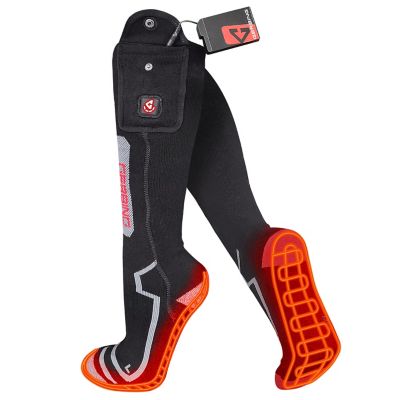
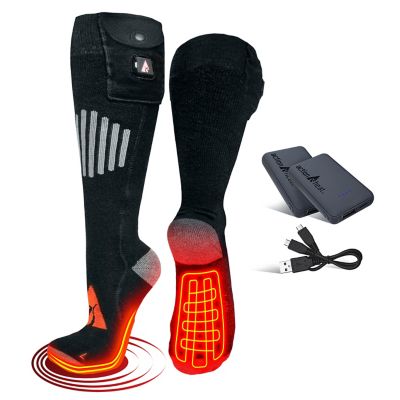
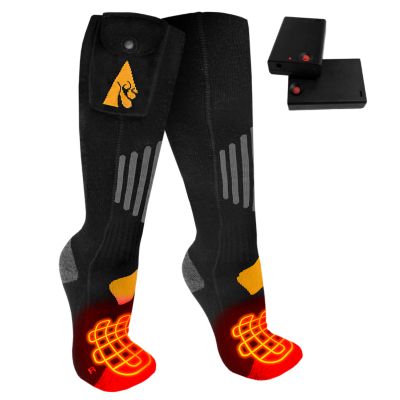
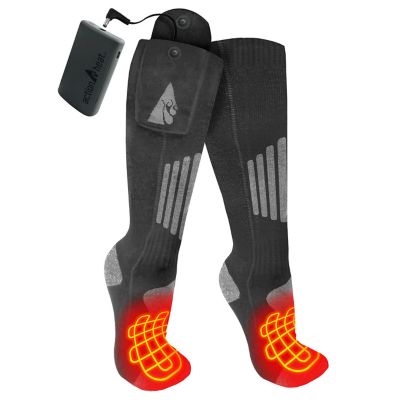
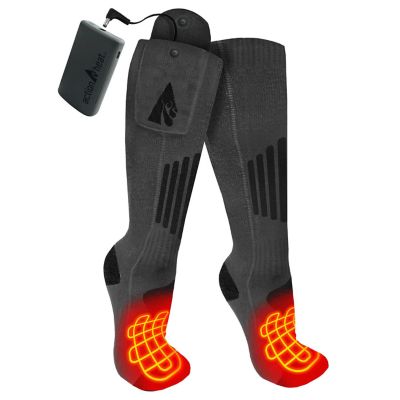
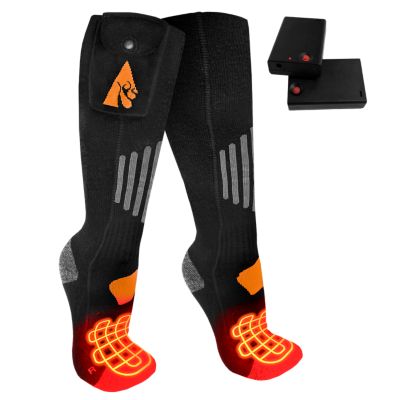
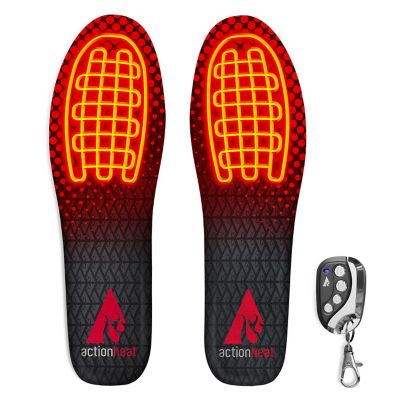
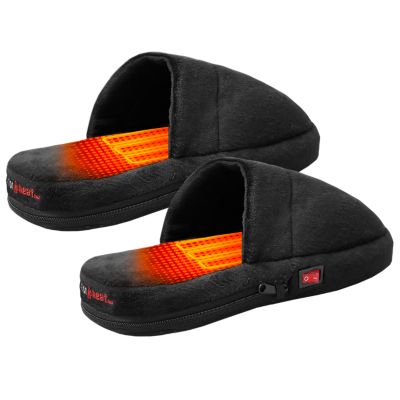
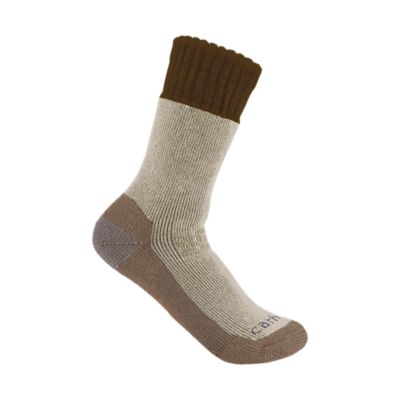
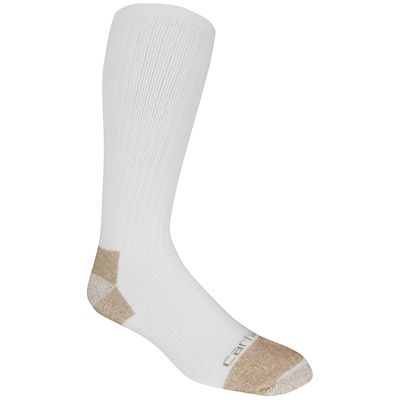
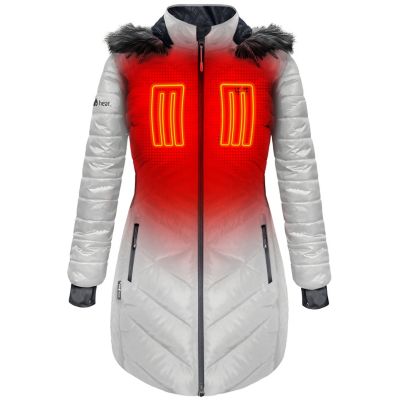
Heated hunting socks are made for long hours outdoors when cold ground, a frosty blind, or a quiet tree stand can leave your feet feeling numb before the hunt is over. These socks generally use rechargeable battery packs connected to built-in heating elements that warm the toe area and, on some designs, extend across the bottom or top of the foot. That added warmth can make a real difference for hunters who spend more time sitting still than walking, especially during the cooler months when staying motionless helps keep game from spotting or hearing you. They can also be useful for ice fishing, winter camping, watching a morning sporting event, working around the farm, or handling chores when the temperature drops. When comparing heated hunting socks, look at the heating zone, battery placement, runtime, charging time, and available heat settings. A low, medium, and high setting gives you more control than a single on-or-off option, while an easy-access power button can be handy when you are wearing insulated bibs or sitting in a cramped blind. Some styles include remote controls, which let you adjust the warmth without reaching down and disturbing your layers. Check the size chart carefully, since a close but comfortable fit helps the heating elements sit where they can do their job. The socks should not feel tight across your toes or calf, and there needs to be enough room in your boot for both the sock and your foot to move naturally. Overly snug boots can restrict circulation and compress insulation, turning a warm setup into an uncomfortable one. It is also worth checking whether the battery packs are removable, how they attach, and whether the socks can be washed according to the care instructions. A well-fitting pair makes a thoughtful gift for a deer hunter, waterfowl hunter, trapper, farmer, outdoor worker, or anyone who spends chilly mornings outside.
Keeping your feet dry is just as important as adding heat. Moisture from sweat, damp grass, snow, or a small leak around the boot can make cold feet feel colder, even when the heating elements are working. Many hunters prefer to wear a thin, moisture-wicking liner sock underneath heated hunting socks to help move perspiration away from the skin. Avoid piling on several thick pairs if they make your boots tight; a thinner base layer and a properly sized heated sock often work better than stuffing extra material into a boot. Put your socks on dry feet, make sure the battery connections are secure, and test the controls before heading into the field. On a stationary hunt, start with the heat turned off or set low, then use it when your toes begin to cool. Running a high setting continuously may drain the rechargeable batteries sooner and can make your feet sweat. Short periods of gentle heat, with the setting lowered or switched off once your feet are comfortable, can help preserve battery life and reduce moisture buildup. Active hunters who walk long distances may need less heat at the start, since movement naturally keeps blood flowing, while someone sitting quietly in a stand may appreciate a steady low setting. Battery runtime varies with the heat level, weather, and design, so charge the batteries fully before a trip and follow the manufacturer’s directions for storage and charging. Carrying a spare charged set, when compatible, can be useful for an all-day outing. Keep battery packs protected from moisture, and let wet socks and batteries dry properly before storing them. Heated socks add warmth, but they do not replace dry boots, good circulation, and sensible cold-weather layers. Pair them with insulated footwear that fits correctly, and take regular breaks to move your feet and check for cold, dampness, or discomfort.
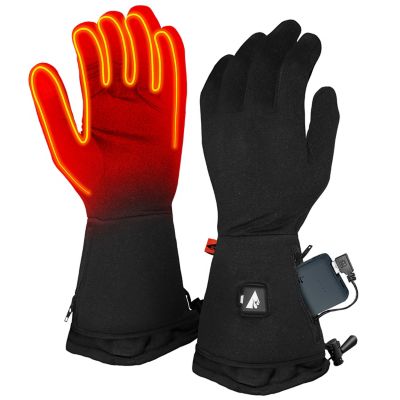
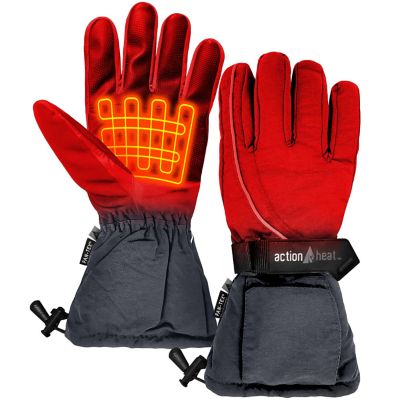
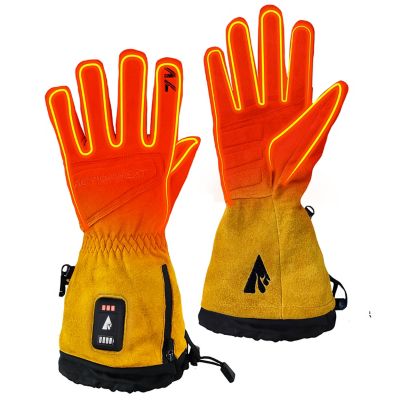
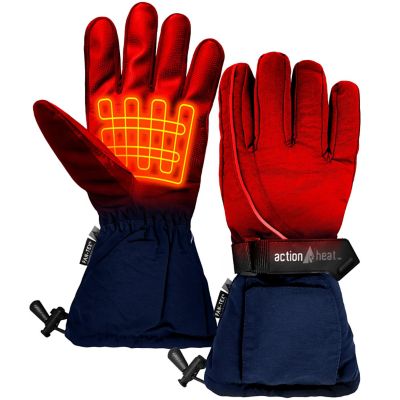
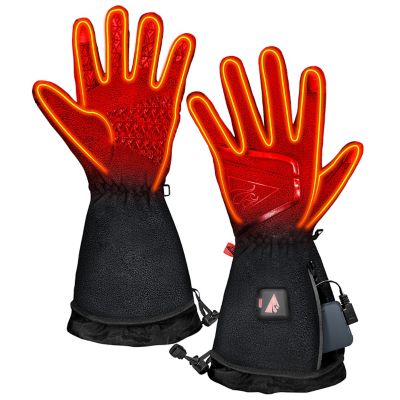
The best pair depends on how and where you hunt. Someone who spends a few hours walking wooded ridges may value a lightweight design with flexible wiring and a secure battery pocket, while a hunter who sits in a blind from dawn until late morning may place more importance on long runtime, a broad toe heating area, and simple temperature control. Consider the height of the sock as well, especially if you wear tall rubber hunting boots, insulated bibs, or gaiters. Materials such as merino wool blends can provide warmth and help manage moisture, while synthetic fibers may offer durability, stretch, and faster drying. Look for reinforced heels and toes if your gear sees hard use, and make sure the cuff stays in place without leaving a tight mark around your leg. Quiet operation and low-profile controls are useful in the field, where a loud switch or bulky battery can be annoying during a careful setup. Heated hunting socks also make a practical present for a partner or family member who is always the first one out the door on a cold morning, though it is helpful to know their boot size and preferred sock height before buying. For a full cold-weather setup, some shoppers also compare heated handwear such as
Heated Gloves For Winter to keep fingers comfortable while handling calls, binoculars, a walking stick, or farm tools. Before each outing, charge the batteries, inspect the socks and wiring, and pack them with the rest of your cold-weather gear. With the right fit, dry layering, and sensible heat management, heated hunting socks can help take the sting out of cold feet and make a long sit outdoors more comfortable from the first quiet steps before daylight through the walk back to the truck.