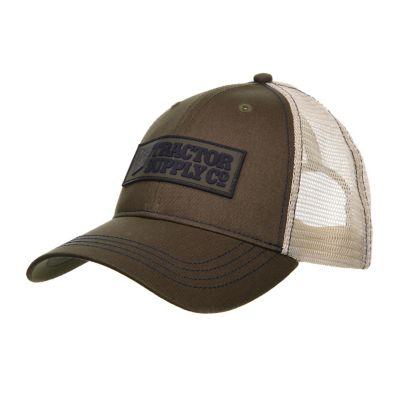
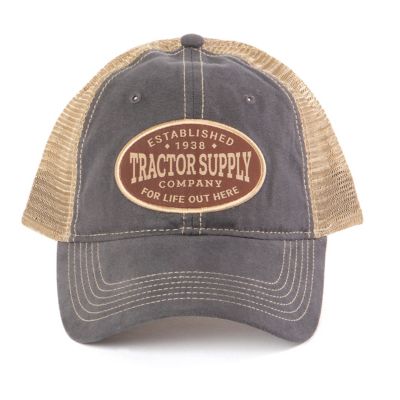
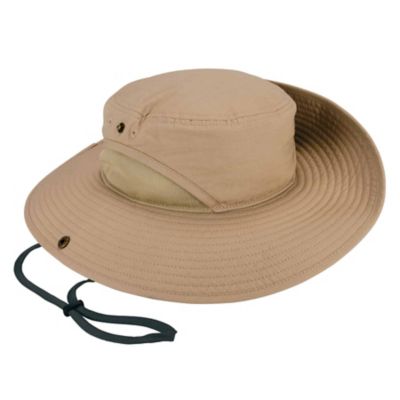
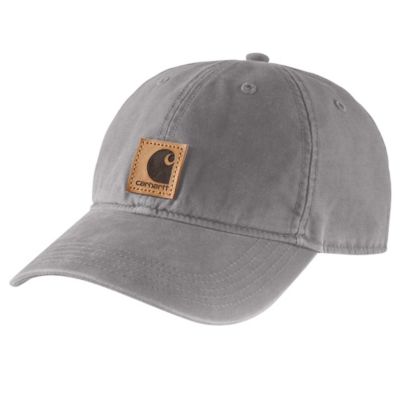
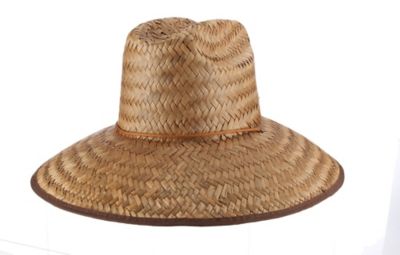
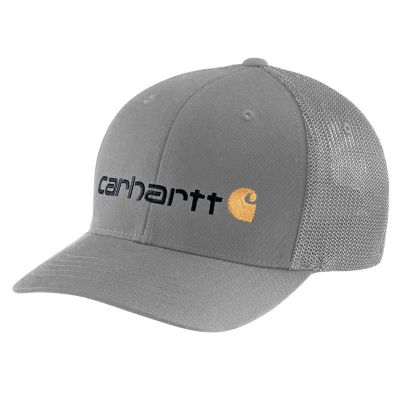
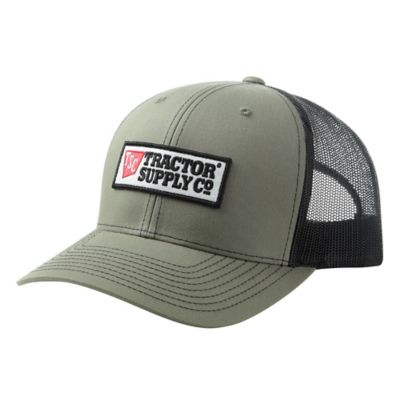
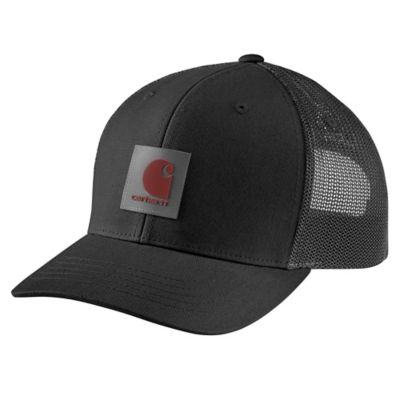
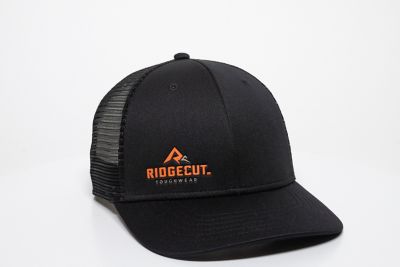
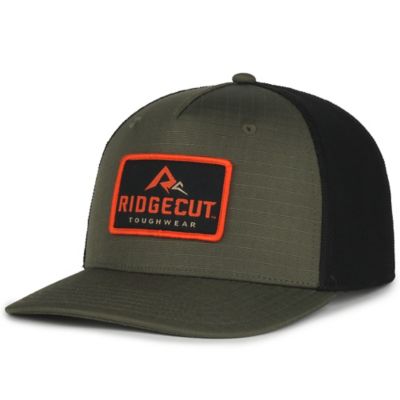
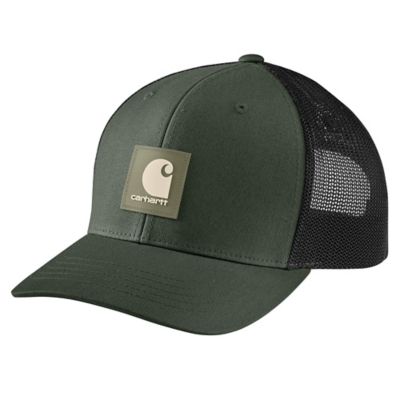
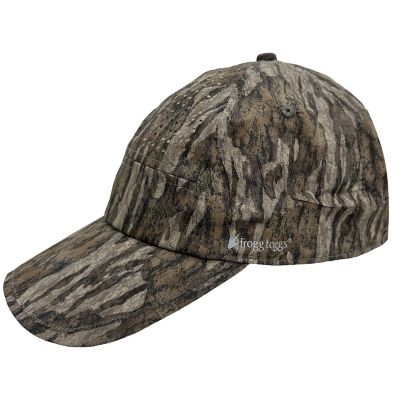
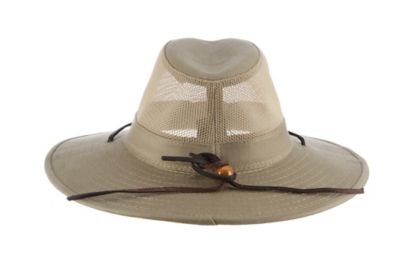
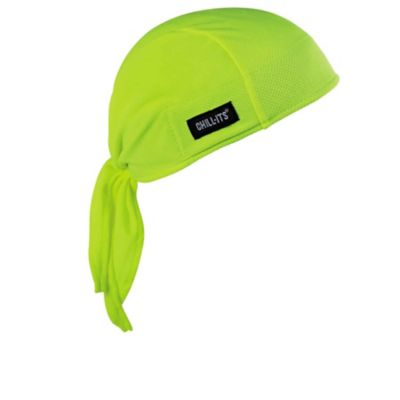
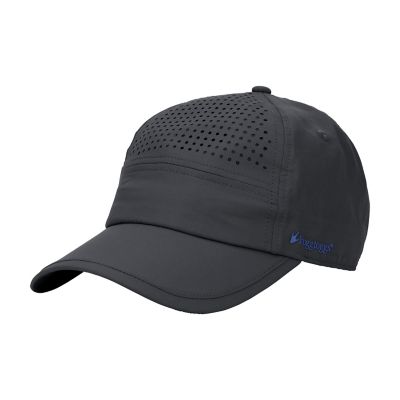
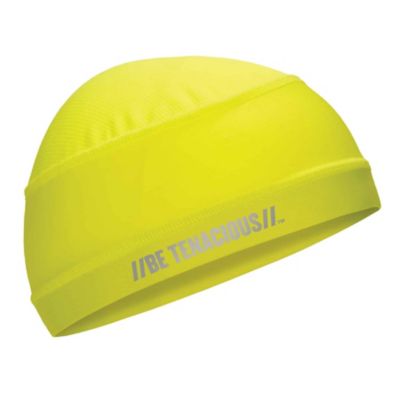
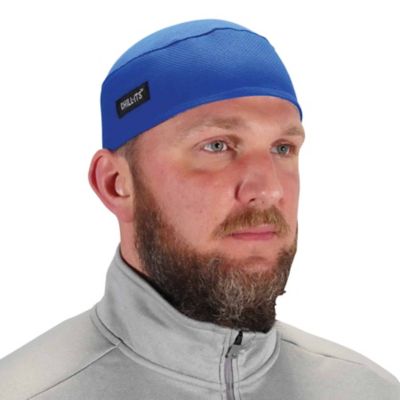
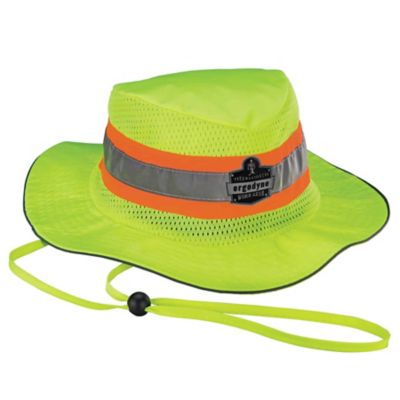
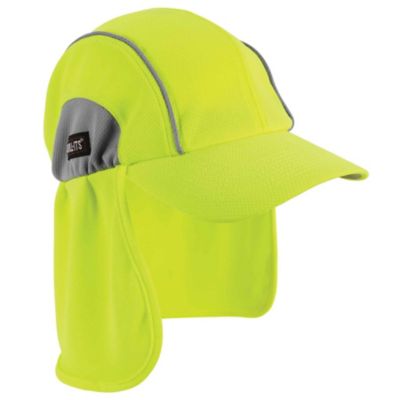
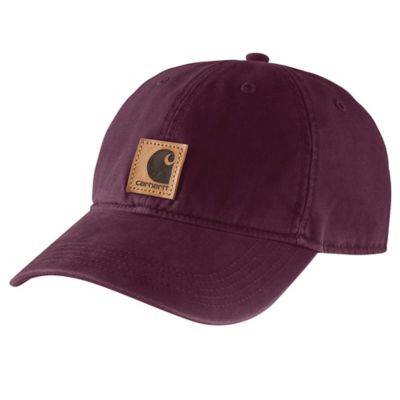
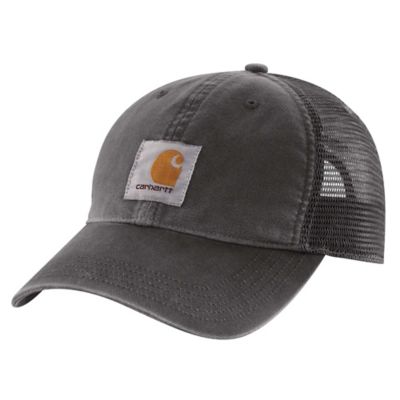
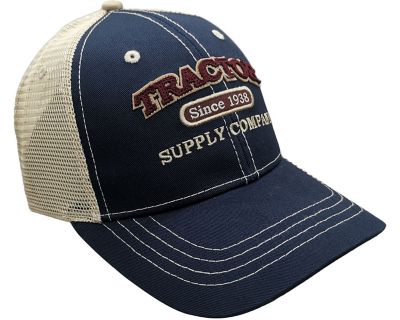
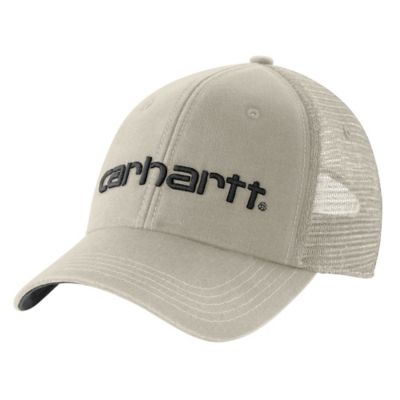
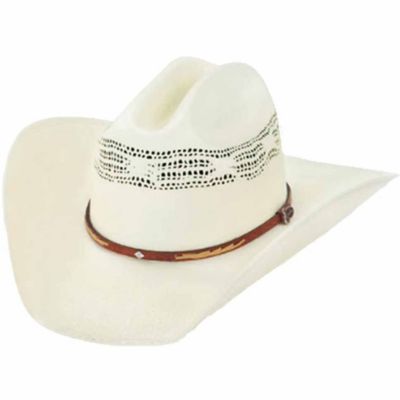
Hats for sweaty heads work best when lightweight fabric, a moisture-wicking sweatband, and ventilation work together to manage perspiration without adding much weight. Whether the day involves hauling feed, stacking hay, walking fence lines, or heading down a trail, a hat should feel comfortable after the work gets going—not just when it first goes on. Polyester and nylon are common choices for performance hats because they generally absorb less water and dry faster than cotton. Moisture-wicking fabric helps move sweat across the material so it can evaporate, while a quick-drying construction helps keep the crown from staying soaked long after a break. Those features are related, but they aren't interchangeable: a fabric may dry quickly without doing much to move moisture away from the forehead. The inner sweatband matters just as much as the outer shell. A soft synthetic band with moisture-management properties can help spread perspiration rather than leaving it pooled along the brow. Cotton bands absorb sweat, which can feel helpful at first, but they may stay damp longer during a stretch of steady activity. An all-cotton cap can still suit light chores or everyday wear; it simply brings different trade-offs than a lightweight performance cap when perspiration is the main concern. Ripstop nylon has reinforcing threads woven into a grid to help limit the spread of small tears, making it worth considering for work around brush or rough surroundings. That weave alone doesn't make a hat waterproof, and fabric treatments can affect how freely moisture moves through the material. Unlined crowns and lighter panels often feel less cumbersome than thick, heavily structured designs. No hat can stop sweating, and even fast-drying fabric needs time and airflow to release moisture. The useful combination is a hat that manages sweat, stays comfortable against the skin, and suits the kind of work or recreation on the schedule.
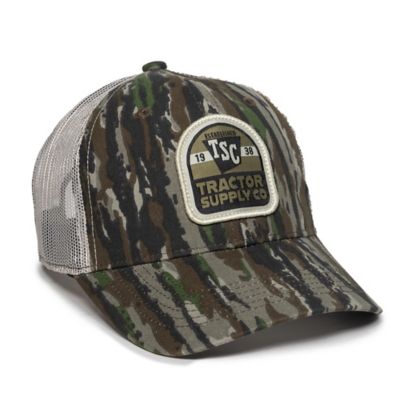
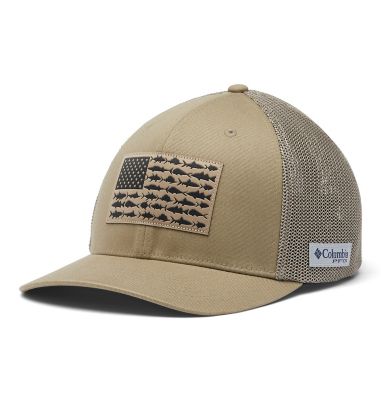
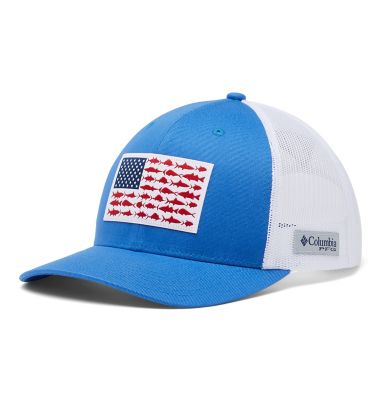
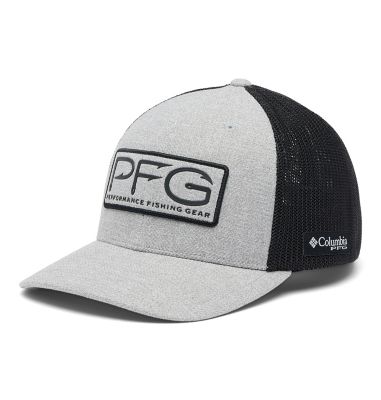
Ventilation and fit make a noticeable difference once a hat has been on for a few hours. Mesh back panels, open weaves, and perforated side panels provide paths for air to move through the crown. Small eyelets offer some ventilation, while larger mesh sections leave more of the hat open to airflow. A solid front panel can maintain the familiar shape of a ball cap, with mesh across the sides and back reducing the amount of fabric against the head. The
Mesh Hats For Men page is another place to explore that style. Mesh doesn't automatically mean the entire hat handles sweat well, though; the forehead band, front panel, and lining still affect how damp it feels. For someone who spends the day bending to fill feeders or lifting supplies onto shelves, a secure fit helps keep the bill from sliding down with every movement. The band should sit snugly without pinching at the temples or leaving a deep mark across the forehead. Adjustable straps, snap closures, and stretch-fit bands offer different ways to get there. A strap allows small changes in fit, a snap closure offers spaced settings, and a stretch band depends more heavily on getting the size right from the start. Crown depth matters, too. A shallow cap may ride high, while a deeper crown can press against the tops of the ears if the proportions aren't right. Soft seams and a smooth inner band help limit rubbing during repeated movement. Low-profile, flexible caps can feel less restrictive for walking or running, while a structured front keeps its shape for everyday wear. A curved bill helps keep glare out of the eyes without extending far to the sides; a wider brim offers more coverage but needs enough support to stay out of the way. For gift giving, an adjustable closure can make sizing simpler, especially when the recipient's exact hat measurement isn't handy.
A sweat-friendly hat also needs to stand up to repeated wear and cleaning. Reinforced stitching at the brim, neatly finished seams, and securely attached adjustment hardware are useful details for a cap that gets grabbed before chores and tossed in a gear bag afterward. Lightweight doesn't have to mean flimsy, but a thin performance cap and a stiff work cap will handle packing and bending differently. A flexible brim may travel more easily, while a structured crown generally benefits from storage that preserves its shape. Sweat carries salts and body oils into the inner band, so regular cleaning helps keep residue from building up where the hat touches the skin. The care label should settle whether a hat can go in the washing machine or needs a gentle hand wash. Some brims, patches, and structured fronts don't take well to soaking or agitation. For washable styles, mild detergent and a thorough rinse help remove buildup without leaving soap behind. Fabric softener can interfere with moisture-wicking finishes, so it's best left out unless the care instructions specifically allow it. After washing, reshaping the crown and letting the hat air-dry helps protect its fit; direct heat from a dryer can affect elastic, trims, or brim shape. Between wears, an open spot with circulating air is better than the bottom of a closed bag. Giving the inner band time to dry is especially helpful after a long walk, a workout, or several hours of barn work. Alternating between hats can also leave enough drying time without putting a damp cap back on. Dark fabric may make some marks less noticeable, but dried sweat can still leave pale salt lines, so color isn't a substitute for care. For folks who perspire heavily, the most practical hat is often the one with a comfortable band, breathable construction, and cleaning requirements that fit everyday life. Those details matter well beyond the first wear, from the early rounds of feeding to the last load carried back to the shed.