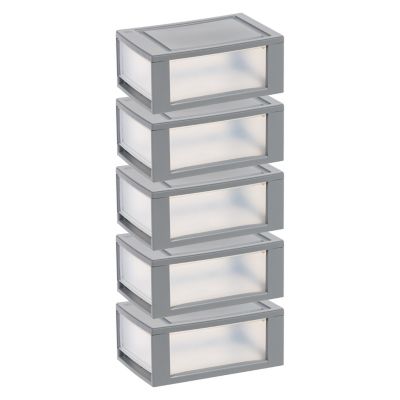
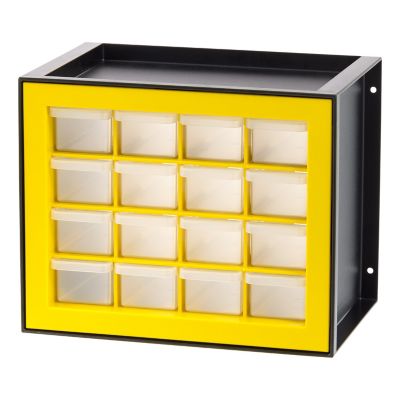
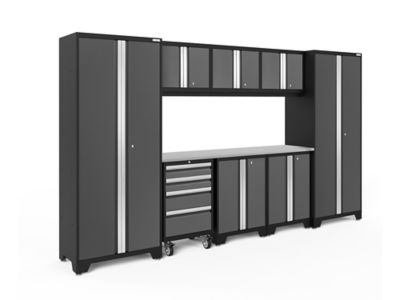
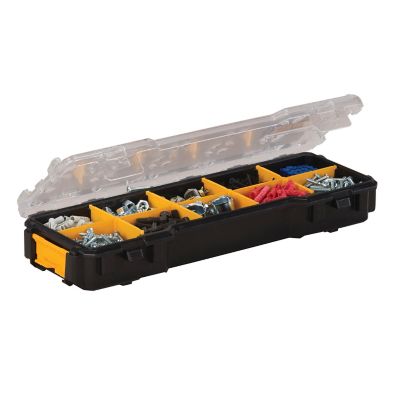
Hardware storage solutions range from small-parts cabinets and wall-mounted bins to portable organizers and rolling cabinets, with layouts suited to everything from a home workbench to a busy farm shop. The right fit depends on the size and weight of the hardware, how often it gets handled, and whether it stays in one place or travels to the job. Small drawers give screws, washers, nuts, and other fasteners separate spaces, while open-front bins make frequently needed parts easy to reach without opening a lid. Compartmented cases bring that same sorting to fence repairs, equipment maintenance, and work away from the shop. Deeper bins and sturdy cabinet drawers make more sense for heavier hardware that can overwhelm a shallow organizer. In a well-arranged setup, the parts for a gate repair sit where they can be found without digging through a coffee can full of mixed fasteners. Drawer size matters as much as the number of drawers: long bolts need room to lie flat, while tiny retaining clips need compartments with tight-fitting dividers that keep them from slipping underneath. Clear drawer fronts and readable labels make it easier to tell similar sizes apart, especially when two fasteners look nearly the same at a glance. Sorting by diameter, length, thread pitch, and material helps keep parts with different applications from getting mixed together. Metric and inch-size hardware also benefit from separate, clearly marked sections. For a shared work area, consistent labels help everyone return parts to the same spot. A cabinet with many shallow drawers suits detailed sorting, while a mix of drawer depths leaves room for both small fittings and larger pieces. Removable bins offer another useful layout, allowing a whole compartment to come to the bench instead of carrying loose parts in a pocket. That flexibility suits homeowners, mechanics, ranchers, and anyone who wants more working room around the vise. It also helps keep a half-finished repair from spreading across every open surface.
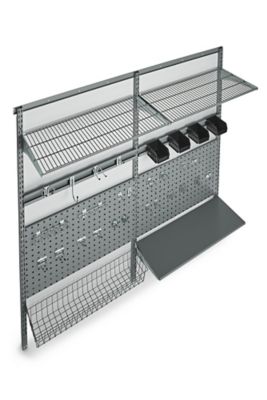
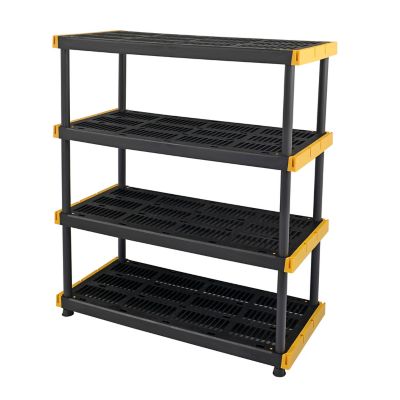
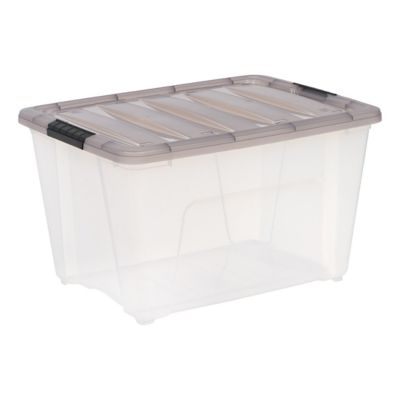
Material and construction affect how hardware storage holds up under daily handling. Plastic organizers are generally lighter to carry, and transparent designs make their contents visible without opening each compartment. Depending on the model, molded ribs, reinforced corners, and substantial hinges can help a case handle repeated trips between the shop and the truck. Steel cabinets and racks provide a different kind of support, especially where concentrated loads of bolts and fittings call for a solid frame. Painted or coated metal surfaces still need attention if scratches expose the steel beneath. No storage material takes the place of checking the manufacturer's load limits, including limits for individual drawers, shelves, and the complete unit. A cabinet that fits neatly beside a workbench also needs enough clearance for its drawers to open fully. Wall-mounted hardware storage saves bench space, but the wall structure and mounting hardware must support the organizer and everything inside it. Freestanding units need a level, stable location, with anchoring where the manufacturer calls for it. For rolling cabinets, caster ratings, wheel size, and a dependable locking mechanism matter when moving weight across a shop floor. Portable cases call for a closer look at handles, latches, and the way the lid meets the dividers. Small parts can migrate between compartments if gaps remain when the case is closed or carried upright. A lid that seats against the compartment walls helps keep sorted hardware separated during transport. Removable dividers allow different arrangements, though fixed compartments may suit parts that always need their own space. Care is straightforward: empty loose grit, wipe away residue with a cleaner approved for the material, and let compartments dry before refilling them. Hinges, slides, handles, and latches deserve an occasional check, especially on storage that travels. Dry hardware and clean compartments help limit corrosion, while moisture left inside a closed case can work against even a carefully organized setup.
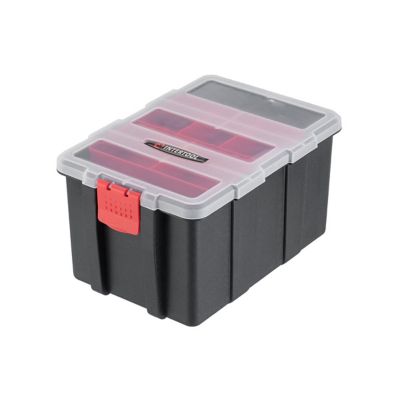
A practical hardware storage layout follows the way work actually gets done. Parts reached for several times a day belong within comfortable reach of the main work surface, while less frequently needed hardware can sit farther from the action. Heavier contents generally belong lower in a stable cabinet, where lifting requires less reaching and the manufacturer's loading directions can be followed. Shallow storage near a bench keeps small fasteners visible; deeper storage below can hold larger pieces without crowding the worktop. In a tight garage or shed, vertical racks make better use of wall space, provided doors, walkways, and equipment access remain clear. Measuring the full storage footprint means allowing for handles, open lids, extended drawers, and enough room to stand in front of the unit. For work that moves between the barn, driveway, and outbuildings, pairing compartmented organizers with
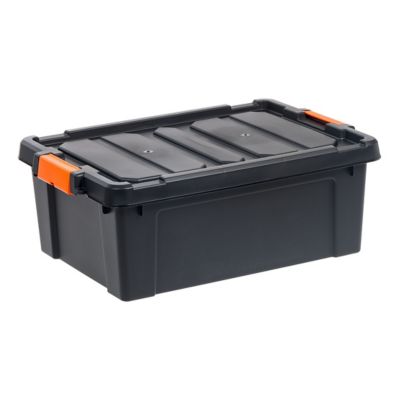
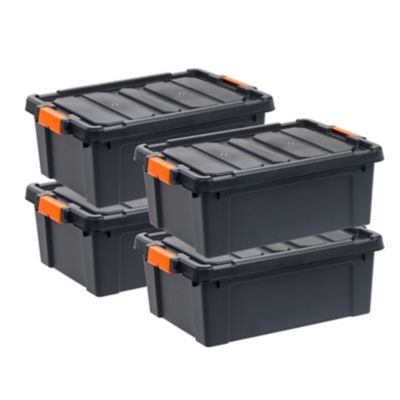
storage toolboxes keeps small hardware separate from the tools needed to install it. A removable tray or compact case can carry the parts for one repair while the main cabinet stays at the bench. That arrangement is especially handy when a latch needs attention across the property and carrying the entire shop is out of the question. Back at the bench, a small sorting area gives loose hardware a place to land before it returns to labeled compartments. Bent fasteners, damaged threads, and parts of uncertain size belong apart from hardware intended for the next job. Keeping labels on the fixed frame as well as removable containers can make it easier to put each bin back where it belongs. Matching drawer and bin styles can also simplify an expanding setup, but dimensions, mounting patterns, and stacking connections need to match rather than merely look alike. A little room for changing tasks helps a storage arrangement keep pace with equipment repairs, building upkeep, and projects around the place. The goal is simple: clear bench space, readable labels, and hardware that stays sorted from one job to the next.