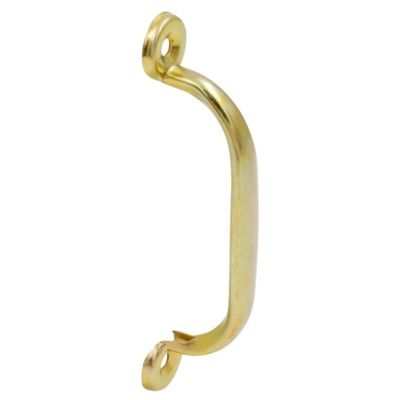
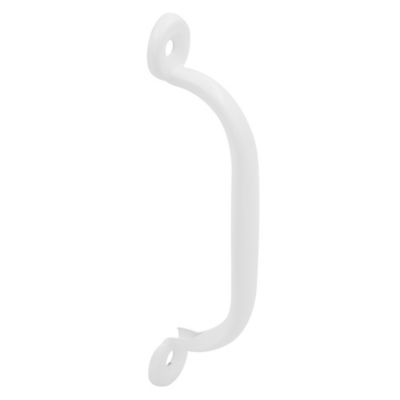
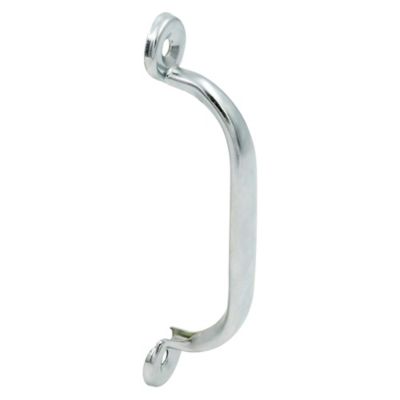
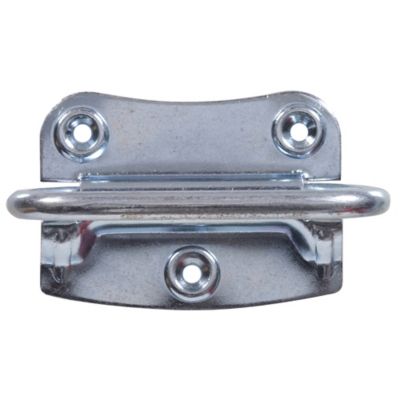
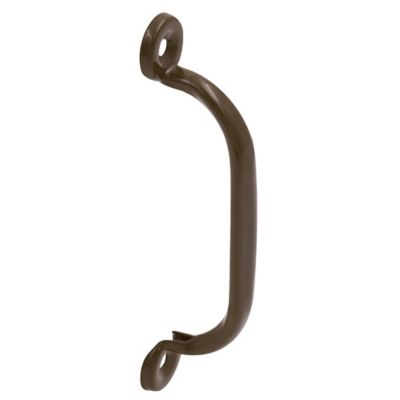
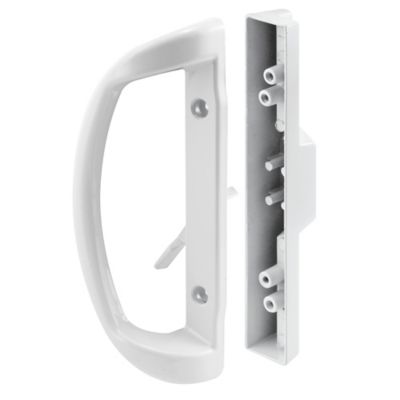
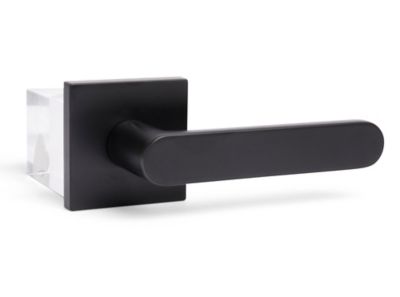
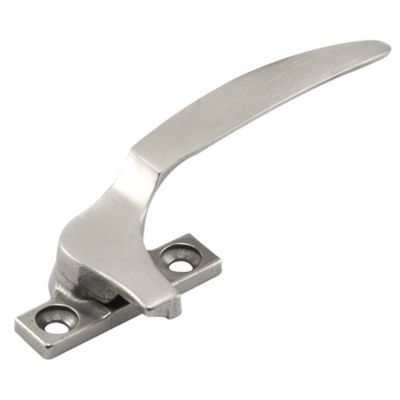
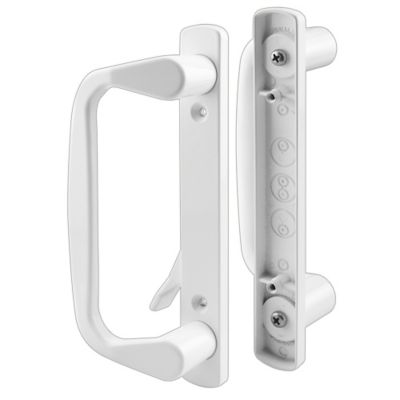
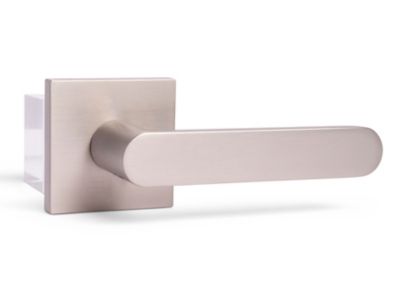
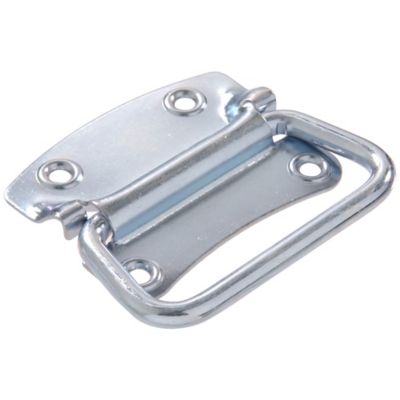
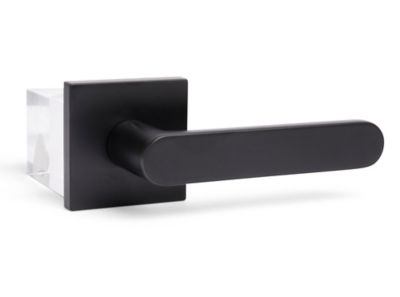
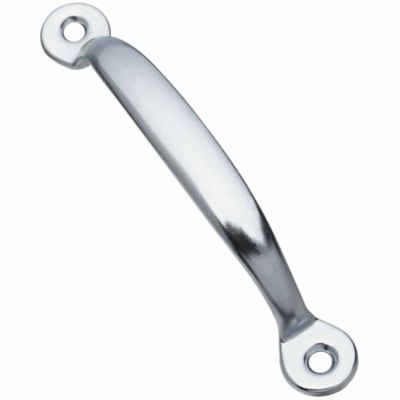
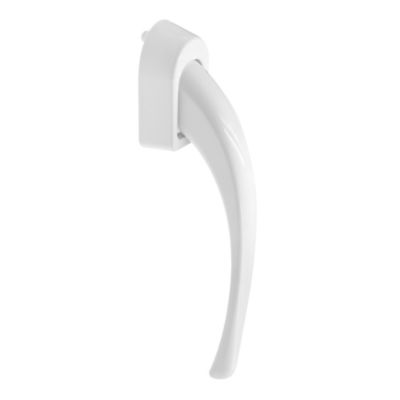
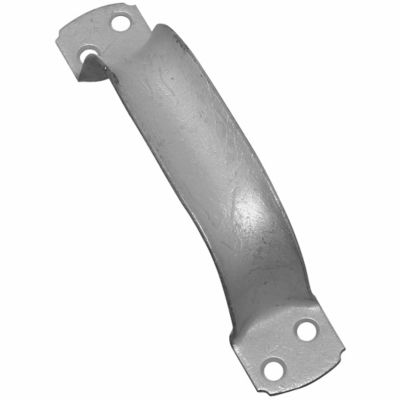
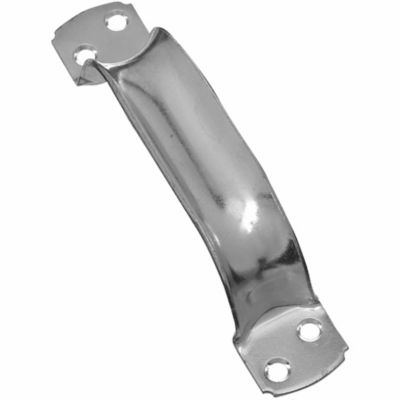
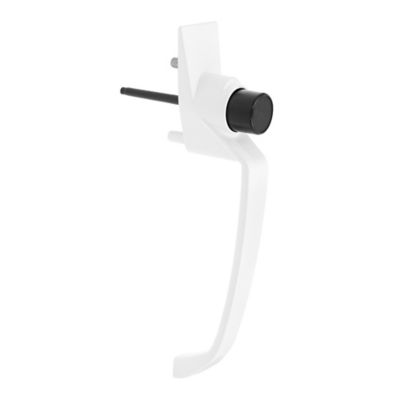
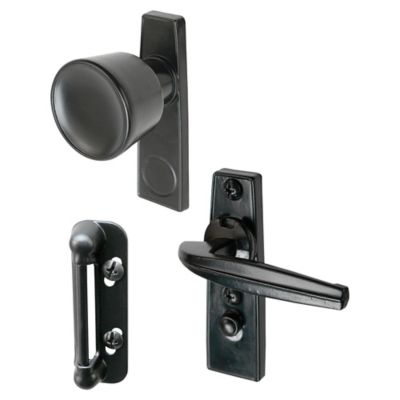
Hardware handles provide a steady grip for opening cabinet doors, pulling drawers and getting into storage around the house, shop and barn. Their shape, mounting pattern and finish all play a part in how a door or drawer looks and feels in everyday work. A kitchen drawer opened a dozen times a day has different demands than a supply cabinet in the tack room, but both benefit from a handle that fits the hand and stays firmly attached. Cabinet pulls generally have two mounting points, while knobs typically attach through a single hole. Bar pulls offer a straight, open grip that suits everything from simple kitchen cabinetry to workshop storage. Cup pulls, also called bin pulls, have a curved shell with an opening underneath for the fingers, making them a familiar choice for drawers. Bow handles curve away from the mounting surface, leaving room for a comfortable grasp without a sharply squared profile. Recessed pulls sit within the door or drawer face and keep the front relatively clear where projecting hardware could get in the way. The right shape depends as much on the task as the appearance. Someone carrying a feed scoop may appreciate a pull that is easy to catch with a few fingers, while a busy kitchen calls for surfaces that wipe clean without much fuss. Smooth edges matter on hardware within reach of children, and generous grip space can make daily chores easier for people who find small knobs hard to grasp. Matte black, brushed nickel and brass-tone finishes offer different looks without changing the basic job of the handle. Black creates a clear contrast against light-painted cabinets, brushed nickel has a softer metallic appearance, and brass tones bring warmth to wood fronts. Matching every piece of hardware is not essential, though a shared finish or similar shape can help cabinets, drawers and nearby doors feel like they belong together.
Materials and construction help determine how hardware handles hold up to repeated pulling, cleaning and contact with hands, tools or supplies. Steel provides strength for many utility applications, while stainless steel offers corrosion resistance that can be useful around sinks, wash areas and other places where moisture is part of the job. Stainless steel is not entirely maintenance-free, and its performance depends on the grade, surface condition and exposure. Solid brass has a substantial feel and may develop a patina when left unlacquered; lacquered or plated finishes have different care needs. Aluminum is comparatively light, and zinc alloys allow for a wide range of shapes and surface finishes. For cabinetry and storage where a metal grip makes sense,
metal handles bring these material choices into the same practical conversation as mounting strength, hand clearance and finish. The visible color alone does not identify the base metal, so material descriptions matter when choosing hardware for a damp utility room or a frequently opened shop cabinet. A plated surface also behaves differently from a solid material, especially if the outer finish becomes scratched. Long service life comes from more than the handle itself: secure fasteners, a sound mounting surface and a pull suited to the application all contribute. A heavy drawer full of sockets puts more strain on its attachment points than a shallow drawer holding dish towels. Cabinet pulls are intended to operate doors and drawers, not to serve as grab bars, lifting points or tie-down anchors. Likewise, a simple pull does not provide the latching or locking function that some doors require. Care is usually straightforward, with a soft cloth and a cleaner approved for the finish helping remove fingerprints and everyday grime. Abrasive pads and harsh chemicals can damage coatings or change the appearance of metal. Drying hardware after cleaning and checking loose screws before they wear the mounting holes can help preserve both the handle and the surface beneath it.
Fit is often the deciding factor when replacing cabinet handles, especially when the existing door and drawer fronts are staying in place. Center-to-center spacing is the distance between the centers of the two mounting holes, not the overall length of the pull. Common cabinet pull spacings include 3 inches and 96 millimeters, often described as about 3-3/4 inches, but those dimensions are not interchangeable with one another. Even similar-looking measurements deserve a close check, since 96 millimeters is slightly more than 3-3/4 inches. Overall length describes the full end-to-end size, while projection describes how far the handle extends from the mounting surface. Finger clearance is the open space behind the grip, and it can vary between handles with similar projections because the grip itself may be thicker or differently shaped. Those distinctions matter on a shop drawer opened with work gloves or on a cabinet beside a narrow walkway. A long handle may look balanced on a wide drawer, but its mounting holes still need to line up, and its ends need enough room to clear neighboring fronts. Two pulls can also suit a wide drawer, though drawer construction and slide performance affect how smoothly it opens when pulled from one side. At a corner cabinet, the handle’s reach may determine whether adjacent doors can swing without striking each other. Attachment style matters, too: some handles fasten with screws driven through the back of the door or drawer, while others mount from the front. Screw length must suit the thickness of the mounting surface and the handle’s threaded depth; an overly long screw can bottom out without tightening the pull. Replacement hardware may also leave old impressions or exposed finish differences if its base covers less area than the previous handle. For homeowners refreshing cabinets, woodworkers finishing a storage project and folks keeping farm buildings organized, these small details make the difference between hardware that merely looks right and hardware that works comfortably every day. A well-fitted handle gives a drawer or door a finished appearance while keeping the everyday business of reaching tools, dishes and supplies simple.