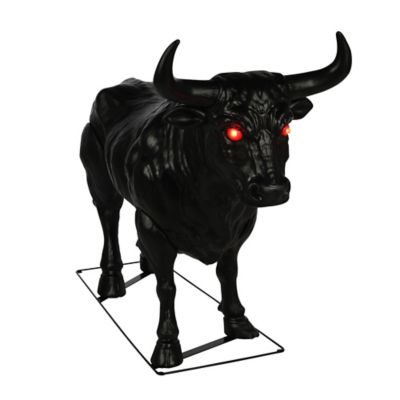
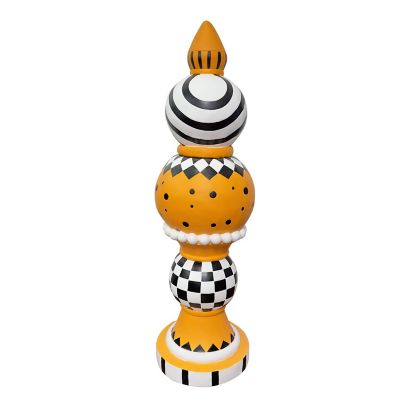
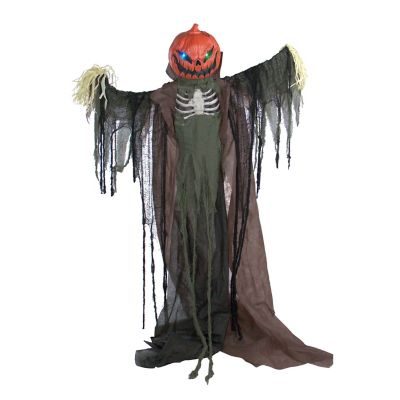
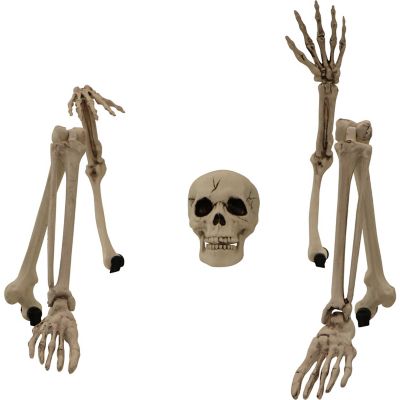
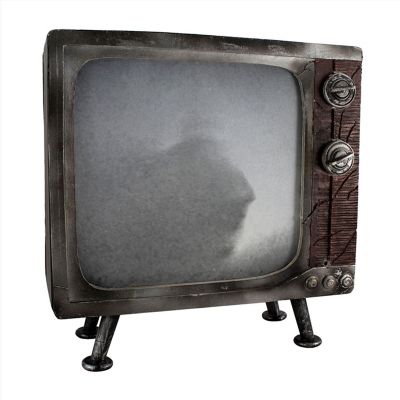
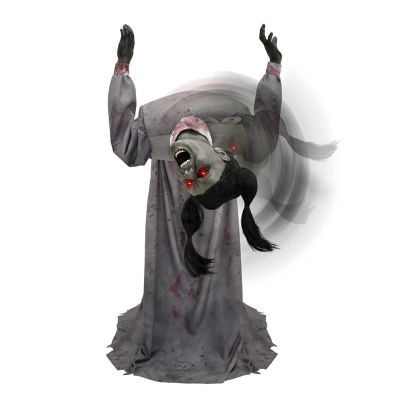
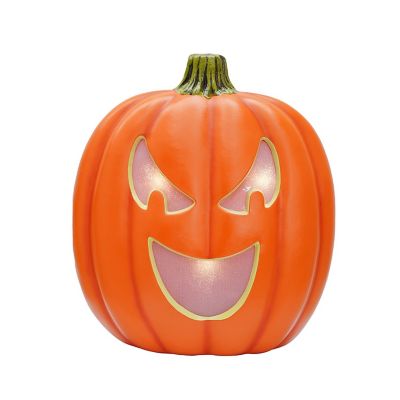
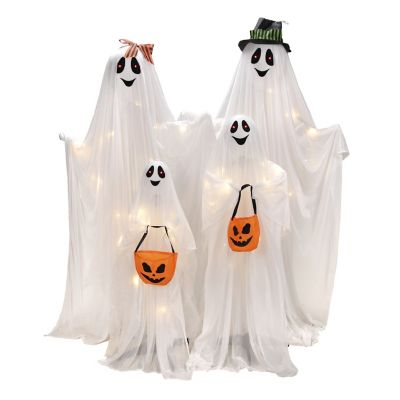
Halloween displays bring spooky characters, playful scenes, lighting, and movement together to give a porch, yard, or indoor gathering space a Halloween feel. They can range from a small arrangement beside the front door to a larger scene spread across the lawn, with styles that lean cheerful, eerie, or somewhere in between. The best fit depends on the setting and the folks who will see it. Smiling faces and friendly characters suit homes with little trick-or-treaters, while shadowy shapes and motion can give an evening gathering a stronger scare factor. Along a gravel drive or across a broad front yard, larger silhouettes are easier to recognize from a distance. Near the door, smaller details have more room to shine because visitors can see them up close. Scale matters just as much as theme: an oversized figure can fill an open stretch of lawn, but that same footprint may crowd a narrow porch or cover a handrail. A display’s listed height, width, and depth help show how it will sit beside steps, doors, fences, and shrubs. For inflatable styles, those measurements describe the fully inflated shape, which may take up more space than expected around corners or overhead branches. A coordinated scene does not have to cover every inch of the property. Repeated colors, similar character styles, and a clear focal point can make a modest arrangement feel pulled together. A farmhouse porch might suit a warm, playful look, while a long walkway can carry a more mysterious scene with shapes appearing at different distances. The same approach works for a backyard get-together or a sheltered entry where guests stop to visit. Keeping the mood consistent helps the scene feel intentional, whether the goal is a welcoming stop for candy or a spooky backdrop for family photos. Displays meant for children also benefit from a clear view of what lies ahead, without a sudden loud sound right beside the treat bowl.
Materials and construction help determine where Halloween displays belong and how much attention they need. Molded plastic can capture raised details and defined shapes, while fabric adds flowing layers and softer outlines. Metal frames can support taller forms, and lightweight fabric shells allow inflatable designs to pack down between celebrations. These materials behave differently around moisture, wind, and repeated handling, so an indoor designation, covered-location rating, or outdoor rating matters more than appearance alone. A figure that looks right on the lawn may still be intended only for a sheltered spot. Outdoor suitability also does not mean every component can sit in standing water or stay exposed through rough weather. Product care directions spell out the limits for the body, wiring, motor, and other parts. In an open yard, secure attachment points and the recommended anchoring system are important considerations, especially for tall shapes that catch a breeze. Firm soil, loose ground, gravel, and a hard porch floor each present different support needs; stakes are not a fit for every surface. Hanging styles need a suitable attachment point and enough clearance to keep fabric, cords, or moving parts from brushing people as they pass. Covered porches can offer some shelter, though wind-driven rain may still reach the edges. For displays with a painted or printed finish, care instructions can clarify whether a damp cloth is appropriate and which cleaners to avoid. Fabric sections may call for spot cleaning rather than soaking, particularly when electrical parts are attached. Easy access to fasteners, battery compartments, and connection points can also make seasonal setup less of a chore. Households that bring out the same Halloween scene each year may appreciate pieces that come apart into manageable sections, with bases and hardware that are straightforward to keep together. Those practical details matter when the display has to travel from a storage shelf to the front yard and back again.
Lighting, sound, and movement change how a Halloween display feels after dark. A shape that blends into a shaded corner by day can become the center of attention once it is lit, while a bright porch light may wash out a softer glow. Pairing the scene with
Halloween lights can help connect separate areas and bring attention to faces, outlines, or a backdrop without making every part equally bright. Steady illumination generally creates a calmer look, while flashing effects and sudden movement bring more energy to a scene. Those effects deserve some thought around young children, close neighbors, and animals that may be startled by unexpected activity. Sound controls, timers, and activation settings, when included, offer ways to match the display to its surroundings. Motion-activated features need a clear sensing area, but a spot beside a busy sidewalk may trigger more activity than a quieter stretch of yard. Power needs affect placement, too. Plug-in designs need access to an appropriate outlet, and outdoor electrical connections require equipment rated for that setting. Battery-operated designs offer more flexibility in placement, though battery type, access, and expected operating time vary. Cord routes belong outside walking paths, away from doorways, and clear of places where vehicles or farm equipment travel. A convincing scene still needs room for visitors to climb the steps, reach the doorbell, and leave without brushing against props or supports. Open space around exits and handrails matters more than filling a gap in the arrangement. Once Halloween celebrations are over, clean, dry surfaces help make packing simpler and reduce the chance of moisture lingering inside storage containers. Removable batteries, loose hardware, and electrical connections each need attention according to the care directions. Keeping matching sections together and protecting fragile details makes the next setup easier, so a favorite porch scene or lawn display can return with less sorting and untangling.