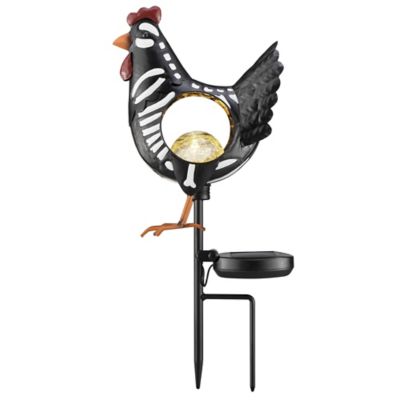
Outdoor Halloween Displays
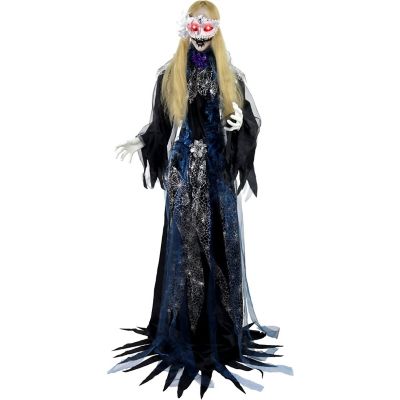
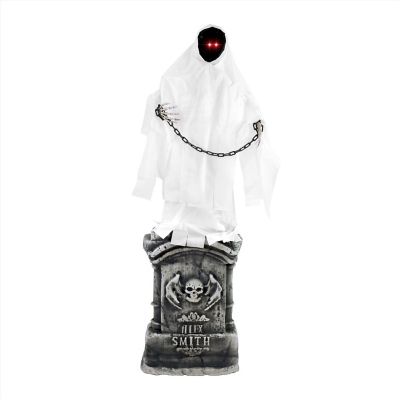
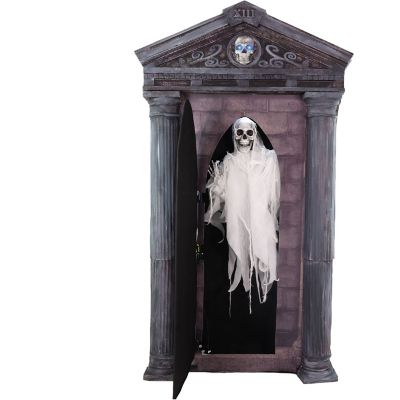
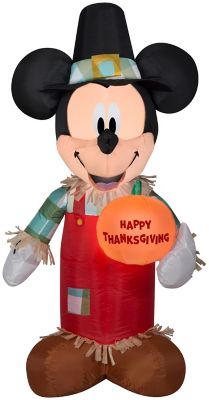
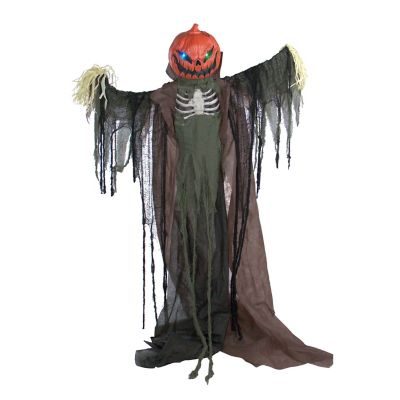
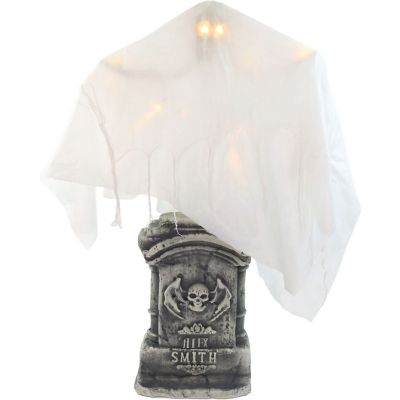
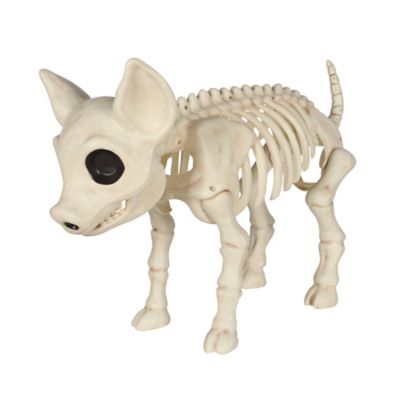
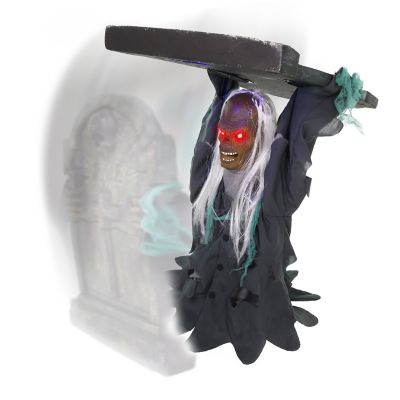
Outdoor Halloween Displays turn your yard into the talk of the neighborhood when spooky season rolls around. Whether you’re looking to create a playful pumpkin patch or a haunting scene that gives folks a fright, there’s something here for every style and space. From front porches to big open fields, Outdoor Halloween Displays help set the perfect mood for trick-or-treaters and guests alike. Get ready to show off your festive spirit and make some memories under the autumn sky.
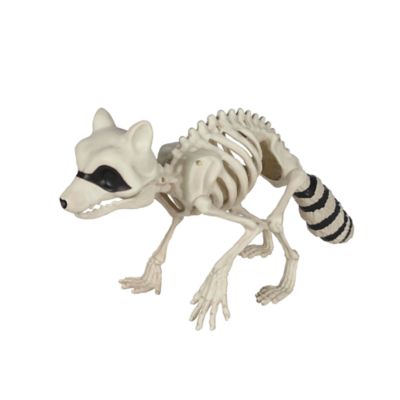
$4
.99
Sale Was $19.99 Save $15.00 (75%)
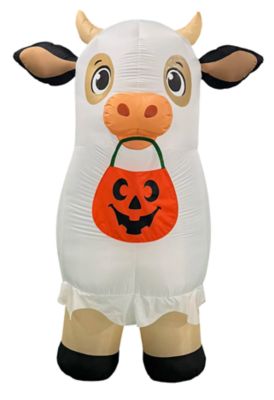
$24
.99
Sale Was $99.99 Save $75.00 (75%)
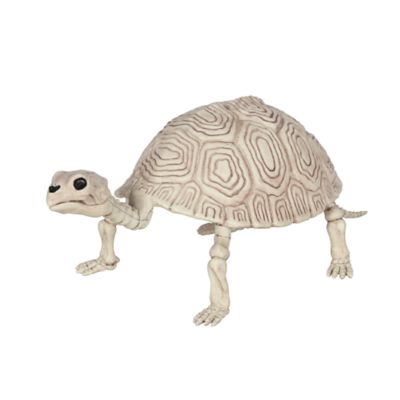
$2
.49
Sale Was $9.99 Save $7.50 (75%)
$4
.99
Sale Was $19.99 Save $15.00 (75%)
$4
.99
Sale Was $19.99 Save $15.00 (75%)
$4
.99
Sale Was $19.99 Save $15.00 (75%)

$32
.49
Sale Was $129.99 Save $97.50 (75%)
Best Of FAQ
What types of outdoor Halloween displays are popular?
Popular outdoor Halloween displays include inflatable decorations, light-up figures, yard stakes, animatronics, and themed signs. Many people also enjoy creating spooky scenes with tombstones, skeletons, and cobwebs to enhance their yard or porch.
How can I make my outdoor Halloween display stand out?
To make your outdoor Halloween display stand out, consider using a mix of lighting effects, sound elements, and motion-activated props. Layering different decorations and adding personal touches can also create a memorable and eye-catching setup.
Are outdoor Halloween displays weather-resistant?
Most outdoor Halloween displays are designed to withstand typical fall weather conditions such as rain and wind. However, it's important to check the product details for specific care instructions and bring delicate items indoors during severe weather.
Can I use outdoor Halloween displays year after year?
Yes, many outdoor Halloween displays are made from materials that allow for reuse each season. Proper storage in a dry place and gentle cleaning before packing away can help extend the life of your decorations.
What are some creative ways to arrange outdoor Halloween displays?
Creative arrangements include grouping decorations by theme—such as haunted graveyards or pumpkin patches—or using pathways lined with lights and props to guide visitors. Mixing heights and textures adds depth, while interactive elements like fog machines or motion sensors can enhance the experience.
Best Sellers
-
"Absolutely love it all our friends love it, the dogs however hated it, haha, therefore it’s definitely"
-
"One of the arms broke but overall great pieces. So detailed almost looks real"
-
"Love it! Not very big, but very cute with Mickey and an inflatable turkey"
-
"I love them though, super cute lights regardless"
-
"Absolutely love it all our friends love it, the dogs however hated it, haha, therefore it’s definitely"